Why Combined Cryotherapy and Compression
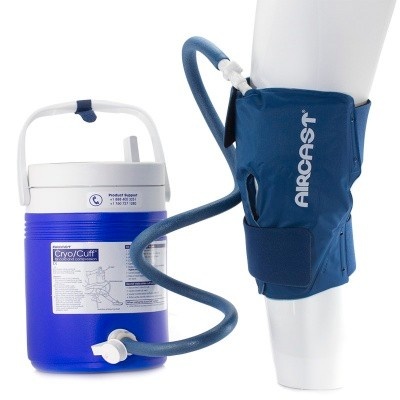
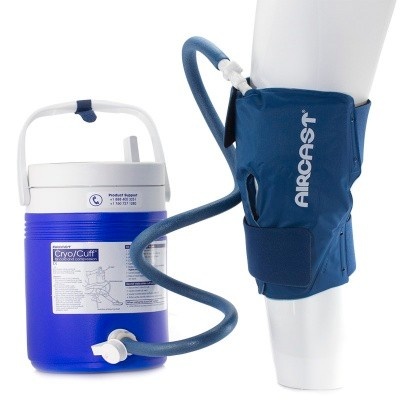
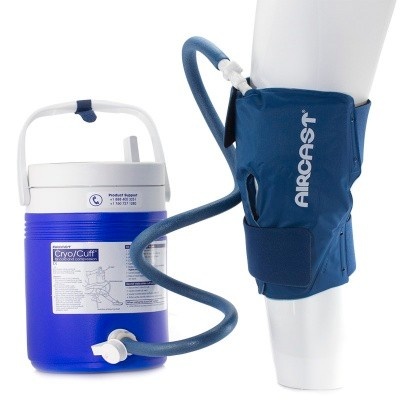
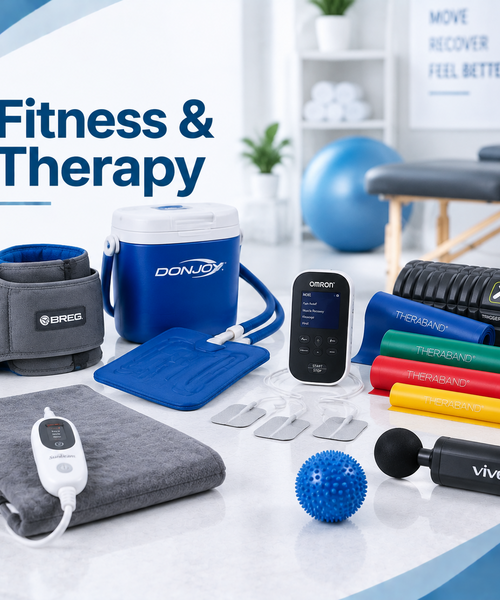
The integration of cryotherapy (cold therapy) and compression represents the gold standard in acute injury management and post-operative rehabilitation protocols, addressing the two primary physiological challenges that impede recovery: inflammation and edema. Cold application reduces tissue temperature to decrease metabolic rate, limit secondary hypoxic injury, reduce pain through numbing effect, and constrict blood vessels to minimize bleeding into injured tissues—a process that, when combined with compression to mechanically reduce tissue space available for fluid accumulation, creates synergistic therapeutic benefits that exceed either modality applied independently. Traditional ice pack application delivers inconsistent cooling with temperature fluctuations, creates pressure points and skin irritation from direct ice contact, and fails to maintain therapeutic cold for extended periods necessary to achieve tissue temperature reduction throughout deeper structures. The Aircast Cryo/Cuff system revolutionized post-operative and sports medicine rehabilitation when introduced in the 1980s by engineering anatomically-contoured cuffs that circulate chilled water continuously around injured joints while simultaneously applying calibrated compression through the same device, eliminating the need for separate ice packs and compression bandages while delivering superior outcomes. The gravity-fed design employs elegant physics principles where elevating the insulated cooler above the treatment area creates hydrostatic pressure that forces chilled water (maintained at 35-50°F depending on ice-to-water ratio) through connecting tubing into the anatomical cuff where it circulates around the joint before returning to the cooler, with compression level determined by vertical distance between cooler and cuff (approximately 1.8 mmHg pressure per inch of elevation). This non-motorized approach eliminates electrical components that can fail, reduces noise during treatment, enhances portability for home use, and creates a fail-safe system where the maximum achievable pressure is limited by gravity rather than potentially dangerous motor-driven inflation. Available cuff options for knee, shoulder, ankle, elbow, hip, back, and other body regions enable targeted therapy optimized for specific joint anatomy and injury patterns commonly encountered in orthopedic surgery, sports medicine, and trauma care settings.
Key Features
- Complete System: Insulated cooler jug + connecting tubing + anatomical cuff
- Gravity-Fed Operation: No motor, pump, or electrical power required
- Insulated Cooler Jug: Maintains ice water temperature for 6-8 hours continuous use
- Large Capacity: Accommodates sufficient ice and water for extended therapy sessions
- Anatomical Cuff Options: Knee, shoulder, ankle, elbow, hip/groin, back, thigh, wrist
- Universal Adult Sizing: Cuffs fit most adult body sizes without multiple size options
- Calibrated Compression: ~1.8 mmHg pressure per inch of cooler elevation
- Continuous Circulation: Chilled water flows through cuff for consistent temperature
- Temperature Range: Maintains therapeutic cold (35-50°F) throughout session
- Safety Features: Temperature moderation prevents frostbite risk
- Durable Construction: Heavy-duty materials withstand repeated clinical use
- Portable Design: Lightweight, no electricity needed, travel-friendly
- Easy Setup: Simple assembly, no technical expertise required
- Hospital-Grade Quality: Used in surgical centers and rehabilitation facilities
- Proven Technology: 40+ years clinical validation and refinement
Benefits
- Reduces post-surgical swelling (edema) more effectively than ice alone
- Controls pain through sustained cold application and compression
- Minimizes hemarthrosis (bleeding into joints) after surgery or trauma
- Accelerates recovery through improved inflammation management
- Enables earlier mobilization and physical therapy participation
- Reduces narcotic pain medication requirements post-operatively
- Provides consistent therapeutic temperature (versus intermittent ice packs)
- Allows extended treatment sessions (hours vs. 20-minute ice pack limits)
- Comfortable application without pressure points from ice bags
- Portable for home use after hospital discharge
- Cost-effective versus motorized cold therapy units
- Quiet operation (no motor noise) for nighttime use
- Reliable performance (fewer mechanical failures than motorized units)
- Suitable for multiple family members or team use with different cuffs
Clinical Applications
✓ Post-operative recovery (ACL, rotator cuff, knee replacement, shoulder surgery) ✓ Acute sports injuries (sprains, strains, contusions) ✓ Post-arthroscopic procedure management ✓ Joint replacement rehabilitation (knee, hip, shoulder) ✓ Ligament reconstruction recovery ✓ Meniscus repair post-operative care ✓ Rotator cuff repair rehabilitation ✓ Acute ankle sprains and fractures ✓ Elbow surgery recovery (tennis elbow release, UCL repair) ✓ Post-traumatic joint injury management ✓ Reduction of post-exercise inflammation for athletes ✓ Management of chronic joint inflammation flare-ups
Usage & Application
System Components:
- Insulated Cooler Jug - Holds ice and water mixture
- Connecting Tubing - Delivers chilled water between cooler and cuff
- Anatomical Cuff - Wraps around injured area, circulates cold water
- Tube Connectors - Quick-disconnect fittings for easy setup
Initial Setup:
- Prepare Cooler:
- Fill cooler approximately 1/2 to 2/3 full with ice cubes
- Add cold water until cooler is about 3/4 full
- Ice-to-water ratio affects temperature (more ice = colder, longer duration)
- Optimal ratio: 50% ice, 50% water for sustained cold therapy
- Connect Tubing:
- Attach tubing to outlet port on cooler (typically two ports: inlet and outlet)
- Connect opposite end of tubing to cuff inlet/outlet ports
- Ensure all connections are secure (hand-tighten, do not over-torque)
- Verify no kinks or twists in tubing
- Apply Cuff:
- Position anatomical cuff on affected area (knee, shoulder, etc.)
- Wrap securely but comfortably using attached straps
- Ensure complete coverage of injured area
- Leave enough slack in tubing to allow comfortable positioning
- Initiate Therapy:
- Elevate cooler above level of cuff (creates gravity pressure)
- Height determines compression: start with 12-18 inches above cuff
- Open any flow control valves
- Wait 1-2 minutes for cuff to fill with chilled water
- Feel cuff inflate slightly as cold water circulates
Understanding Compression Levels:
Elevation-to-Pressure Relationship:
- 12 inches elevation = ~22 mmHg compression (light)
- 18 inches elevation = ~32 mmHg compression (moderate)
- 24 inches elevation = ~43 mmHg compression (firm)
- 36 inches elevation = ~65 mmHg compression (maximum typical)
Recommended Starting Elevation:
- Post-operative (acute): 12-18 inches
- Sports injury: 18-24 inches
- Chronic inflammation: 12-18 inches
- Adjust based on comfort and swelling response
Treatment Duration and Frequency:
Post-Operative Protocol (First 48-72 Hours):
- Use continuously or near-continuously if possible
- On: 60-90 minutes per session
- Off: 15-30 minutes between sessions to allow skin rewarming
- Repeat throughout waking hours
- May use overnight if comfortable (with medical clearance)
- Refill cooler with fresh ice every 6-8 hours
Acute Injury Protocol (First Week):
- Use 3-6 times daily
- 45-60 minutes per session
- At least 2-3 hours between sessions
- Critical to use within first 24-48 hours for maximum benefit
- Continue 5-7 days or until acute swelling resolves
Subacute/Maintenance Protocol:
- Use 1-3 times daily as needed
- 30-45 minutes per session
- After physical therapy sessions
- After activities causing swelling
- As needed for pain or inflammation control
Cuff-Specific Application Guidelines:
Knee Cuff:
- Most common application
- Wrap around entire knee joint
- Cover kneecap and extend 3-4 inches above/below
- Secure with circumferential straps
- Can be used seated or lying down
Shoulder Cuff:
- Covers entire shoulder joint
- Extends over deltoid and upper arm
- More challenging to secure (may need assistance)
- Best applied while seated upright
- Particularly effective for rotator cuff surgery
Ankle Cuff:
- Wraps around ankle and lower leg
- Extends above ankle bone
- Elevate foot on pillows while using
- Smaller cuff, faster temperature change
Elbow/Wrist Cuffs:
- Compact design for distal extremities
- Support arm on pillow during use
- Ensure complete joint coverage
Ice and Water Management:
Optimal Ice-to-Water Ratio:
- Too much ice: Insufficient circulation, potential frostbite risk
- Too little ice: Inadequate cooling, shorter therapy duration
- Optimal: 50% ice cubes, 50% cold water
- Top-off with ice as original ice melts
Water Temperature Monitoring:
- Initial: 35-40°F (1.7-4.4°C) with fresh ice
- Therapeutic range: 40-50°F (4.4-10°C)
- Above 50°F: Less therapeutic benefit, consider refilling
- Use cooler's insulation to maintain temperature 6-8 hours
Refilling Schedule:
- Every 6-8 hours for continuous use
- Check water temperature if effectiveness seems reduced
- Drain completely every 2-3 refills for hygiene
- Clean cooler interior weekly
Safety Precautions:
CRITICAL: Cold Therapy Can Cause Injury
- Never apply cuff directly to bare skin for extended periods
- Use thin cloth barrier (t-shirt, pillowcase) between skin and cuff
- Check skin every 30 minutes for first few sessions
- Discontinue if skin becomes white, numb, or painful
- Do not use if circulatory problems exist (consult provider)
Signs of Excessive Cold Exposure:
- Skin becomes white or waxy
- Loss of sensation (beyond normal numbing)
- Burning or sharp pain (not just cold sensation)
- Blistering or skin damage
- Persistent numbness after therapy
Immediate Actions if Skin Damage Suspected:
- Remove cuff immediately
- Allow area to rewarm naturally (no direct heat)
- Seek medical attention if blistering or severe
- Do not resume therapy without medical clearance
Troubleshooting Common Issues:
Cuff Not Inflating:
- Verify all tubing connections are secure
- Check for kinks or pinches in tubing
- Ensure cooler is adequately elevated above cuff
- Confirm inlet and outlet tubes connected correctly
- Burp tubing to remove air pockets (lift cooler, lower, repeat)
Water Not Staying Cold:
- Add more ice to cooler
- Ensure cooler lid is closed tightly
- Check for adequate ice-to-water ratio
- Replace with fresh ice/water if beyond 8 hours
- Keep cooler out of direct sunlight
Cuff Leaking:
- Check all strap closures are secure
- Inspect cuff for punctures or tears
- Verify tubing connections are tight
- Some minor moisture condensation is normal
- Place towel under cuff as precaution
Excessive Pressure/Discomfort:
- Lower cooler height to reduce compression
- Loosen cuff straps slightly
- May indicate swelling changes requiring adjustment
- If pain increases, discontinue and consult provider
No Circulation/Flow:
- Tubing may be kinked or blocked
- Air lock in system (purge air by raising cooler)
- Check both inlet and outlet ports open
- Disconnect and reconnect tubing
- Verify water level adequate in cooler
Cleaning and Maintenance:
After Each Use:
- Drain residual water from cuff (hang to dry completely)
- Wipe cuff exterior with damp cloth
- Dry tubing by hanging vertically
- Leave cooler lid open to air dry interior
Weekly Maintenance:
- Wash cooler interior with mild soap and water
- Rinse thoroughly to remove soap residue
- Hand wash cuff with gentle detergent in cold water
- Air dry all components completely before storage
- Inspect tubing for cracks or leaks
- Check cuff seams and straps for wear
Storage:
- Store cuff flat or loosely rolled (not tightly compressed)
- Keep tubing straight or in gentle curves (avoid sharp kinks)
- Store cooler with lid slightly open (prevents mildew)
- Keep in cool, dry location away from direct sunlight
- Do not store with water or ice in cooler
Comparison: Gravity vs. Motorized Cryo/Cuff:
Gravity System (This Product):
- No electricity required (portable anywhere)
- Quiet operation (no motor noise)
- Lower cost (~$200-300 vs. $1000+ for motorized)
- Fewer components to fail (higher reliability)
- Adequate for home use and most clinical applications
- Manual compression adjustment via elevation
- Suitable for most post-operative and injury management
Motorized IC System (Advanced Alternative):
- Automated inflation/deflation cycles
- Precisely calibrated pressure delivery
- May achieve deeper tissue cooling
- Hospital/clinic preferred for intensive cases
- Higher cost, requires electricity
- More complex (higher maintenance)
- Overkill for most home rehabilitation needs
When to Choose Gravity System: ✓ Home use after hospital discharge ✓ Budget-conscious purchase ✓ Prefer simple, reliable technology ✓ No need for precise pressure cycling ✓ Want portable solution (no electricity) ✓ Adequate for 95% of post-op/injury cases
Insurance and FSA/HSA:
- Often covered with prescription for post-operative use
- Check with insurance before purchase
- FSA/HSA eligible medical device
- Save receipt and obtain prescription letter if needed
- May be rental option through medical supply companies
Physician/PT Communication:
- Inform all providers you're using Cryo/Cuff system
- Follow prescribed treatment protocols
- Report any concerns or adverse effects
- Bring to physical therapy appointments (demonstrates home compliance)
- Document usage for insurance purposes
Technical Specifications
- Brand: Aircast (DJO Global/Enovis company)
- Product: Cryo/Cuff Gravity Cooler & Cuff System
- System Type: Non-motorized, gravity-fed cold therapy with compression
- Components: Insulated cooler jug + connecting tubing + anatomical cuff (sold together or separately)
- Cooler Capacity: Approximately 4 liters (1 gallon) typical
- Insulation: Heavy-duty foam insulation maintains temperature 6-8 hours
- Temperature Range: Maintains 35-50°F (1.7-10°C) therapeutic cold
- Therapy Duration: 6-8 hours continuous use per ice/water fill
- Compression Mechanism: Gravity-fed hydrostatic pressure
- Compression Range: 0-65+ mmHg (adjustable via cooler elevation)
- Pressure Calculation: ~1.8 mmHg per inch of elevation above cuff
- Tubing Length: Typically 8-10 feet for flexible positioning
- Tubing Material: Medical-grade flexible plastic
- Cuff Material: Durable nylon/vinyl construction
- Cuff Options: Knee, shoulder, ankle, elbow, hip/groin, back, thigh, wrist
- Adult Sizing: Universal fit for most adults (specific cuffs may have size variants)
- Power Requirements: None (gravity-fed, no electricity)
- Noise Level: Silent operation (no motor)
- Weight: Cooler (empty) ~2-3 lbs, Cuff ~0.5-1 lb (varies by type)
- Portability: Fully portable, no power cord required
- Typical Use Setting: Home, clinic, training room, hospital
- FDA Status: FDA-cleared medical device (Class I or II)
- Clinical Validation: 40+ years proven track record in orthopedics
- Warranty: Typically 1 year manufacturer warranty (verify with retailer)
- Replacement Parts: Cuffs, tubing, and components available separately
- Typical Lifespan: Cooler 5-10+ years, Cuffs 2-5 years with proper care
- Cleaning: Hand wash cuff, wipe cooler, air dry all components
- Not Dishwasher Safe: Components should not be machine washed or heat dried
- Latex Content: Typically latex-free (verify specific model)
- Intended Use: Post-operative edema/pain control, acute injury management
- Not Intended For: Chronic conditions without medical guidance, frostbite treatment
- Purchase Format: Complete system or individual components
- Typical Retail Price: $200-400 for complete system (varies by cuff type)
- Rental Option: Available through some medical supply companies