Slideshow Items

  • Socks & Hosiery
  • compression-stockings-garments/socks-hosiery
  • Compression Stockings & Garments
  • compression-stockings-garments
SGV-SIGVARIS

  |  

Sigvaris Non-Compression Liner

C$35.00
In stock online
In store: Check availability

Available in store

UPC Code: 745129309411
SKU: 1700-NK1

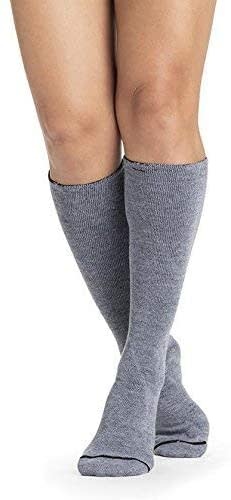
Sigvaris Non-Compression Liner is soft protective liner designed to be worn under compression socks, stockings, wraps sleeves improving comfort reducing skin irritation, providing smooth breathable layer between skin and compression garment

    • Why Protective Liners Enable Compression Compliance Despite Skin Vulnerability

      Non-compression protective liners represent critical intervention enabling therapeutic compression compliance for elderly patients with fragile aging skin, diabetic patients with compromised dermal integrity, chemotherapy patients experiencing skin toxicity, lymphedema patients requiring aggressive compression, post-surgical patients with healing sensitivity, or medically-vulnerable populations whose skin fragility, circulatory compromise, or treatment-related dermal changes create friction intolerance, seam sensitivity, pressure point vulnerability, and irritation barriers preventing graduated compression wearing despite medical necessity requiring firm therapeutic pressure for chronic venous insufficiency, lymphedema management, post-thrombotic syndrome, or circulatory conditions where compression abandonment causes disease progression, complications development, and health deterioration that skin protection through barrier layers prevents by eliminating friction-induced trauma enabling continued therapeutic wearing. The fundamental compliance reality demonstrates that compression effectiveness requires actual daily wearing—technically perfect 20-30 mmHg graduated pressure specifications provide zero therapeutic value if skin irritation, friction discomfort, seam rubbing, or dermal sensitivity causes patients discontinuing compression use after hours or days despite medical prescription, insurance coverage, and healthcare provider recommendations, making skin protection through non-compressive barrier layers essential accessibility intervention transforming intolerable compression into manageable therapy through mechanical friction elimination rather than compression modification compromising therapeutic efficacy.

      The elderly patient population particularly benefits from protective liners addressing age-related skin changes—aging causes epidermal thinning (skin becomes paper-thin losing protective layers), reduced dermal elasticity (fragile tissue tears easily), decreased subcutaneous fat padding (bones closer to surface creating pressure points), impaired healing capacity (minor injuries become chronic wounds), and overall skin fragility making firm compression's seams, texture, and pressure potentially traumatic despite therapeutic necessity for venous insufficiency, edema management, or circulatory support that elderly populations disproportionately require. Women over 70 experiencing moderate to severe chronic venous insufficiency needing 20-30 mmHg compression face impossible dilemma where disease requires firm therapeutic pressure yet fragile aging skin cannot tolerate direct compression contact without protective barrier preventing friction trauma, seam irritation, and pressure point damage that unprotected compression creates causing skin breakdown, wounds, bleeding, bruising, or complications forcing therapy abandonment despite continued medical necessity. The protective liner provides thin non-compressive layer creating smooth interface between fragile skin and therapeutic compression, absorbing friction forces, eliminating direct seam contact, distributing pressure more evenly, and protecting vulnerable tissue enabling elderly patients continuing medically-necessary compression throughout aging process rather than abandoning therapy when skin fragility develops forcing choice between compression compliance or skin integrity preservation.

      The diabetic patient population requires protective liners addressing peripheral neuropathy and healing impairment complications—diabetes causes sensory nerve damage eliminating pain sensation warning patients of friction problems, reduces circulation impairing tissue healing, compromises immune function increasing infection risk, and creates skin vulnerability where minor irritation from compression seams potentially initiates non-healing wounds, ulcers, or infections that diabetic healing impairment converts into limb-threatening complications requiring months wound care, potential hospitalization, or amputation if infection develops. Diabetic patients prescribed therapeutic compression for venous insufficiency, edema management, or circulatory support need extra protection preventing friction injuries they cannot feel developing until visual inspection reveals wounds already created—the protective liner barrier prevents direct compression contact with diabetic skin, eliminates seam friction that insensate patients cannot detect, provides cushioning protecting vulnerable tissue, and creates smooth interface preventing trauma that diabetic complications convert from trivial irritation into serious medical crises. The diabetic foot protection principles apply equally to lower legs requiring compression—just as diabetic patients wear protective socks preventing foot injuries, compression liners protect calves and lower legs from compression-induced friction during therapeutic wearing essential for venous health yet potentially dangerous for compromised diabetic tissue without protective barriers.

      The lymphedema patient population benefits from liners enabling higher compression tolerance—lymphedema management requires aggressive graduated compression (20-30, 30-40, or higher mmHg) sustained throughout days, weeks, and months creating substantial skin contact pressure, friction forces, and seam stress that unprotected tissue struggles tolerating despite medical necessity requiring continuous compression preventing lymphatic fluid accumulation, tissue swelling, and complications progression. The protective liner reduces friction enabling higher compression levels, extends daily wearing duration, prevents skin breakdown during aggressive therapy, and supports long-term compliance essential for chronic lymphedema management requiring lifelong compression use. The extra-thick sole cushioning particularly benefits lymphedema patients whose swollen feet and lower legs require maximum compression yet develop painful pressure points, tender areas, and sensitive regions where cushioned protection enables continued wearing preventing therapy abandonment from discomfort despite therapeutic necessity.

      The moisture-wicking and odor control properties address extended-wear hygiene maintaining skin health during prolonged compression—patients wearing therapeutic compression 12-16+ hours daily create enclosed leg environments prone to perspiration accumulation, bacterial growth, fungal development, and odor problems that moisture retention exacerbates causing skin maceration (softening/breakdown from excess moisture), infection development, and hygiene concerns forcing premature compression removal. The protective liner absorbs perspiration, wicks moisture away from skin, enables evaporation preventing accumulation, and naturally resists bacterial growth maintaining hygiene during extended therapeutic wearing supporting full-day compliance essential for optimal outcomes rather than shortened wearing periods compromising therapeutic effectiveness.

      The flat seams and smooth knit construction eliminate irritation sources—compression garment seams create friction points, raised ridges causing pressure concentration, and texture variations potentially irritating vulnerable skin, while protective liner's seamless smooth construction provides uniform comfortable interface eliminating mechanical irritation enabling sensitive patients tolerating therapeutic compression. The universal fit one-size-most design enables economical stocking keeping liners available for immediate patient needs, trial use determining benefit, and accessible pricing supporting multiple-pair purchase enabling daily rotation with proper washing.

      Key Features & Benefits

      Non-Compressive Protective Barrier

      • ZERO compression added (preserves therapeutic compression specifications)
      • Smooth protective layer between skin and compression
      • Mechanical friction elimination
      • Seam contact prevention
      • Pressure distribution improvement
      • Skin vulnerability protection
      • Enables compression compliance despite fragility

      Elderly Patient Skin Protection

      • Addresses age-related epidermal thinning
      • Protects fragile paper-thin skin
      • Prevents compression-induced trauma
      • Reduces pressure point damage
      • Minimizes bruising and bleeding risk
      • Enables lifelong compression despite aging
      • Supports continued therapy through vulnerable years

      Diabetic Patient Safety

      • Protects compromised diabetic skin
      • Prevents friction injuries patients cannot feel
      • Reduces non-healing wound risk
      • Cushions vulnerable tissue
      • Prevents minor irritation becoming serious
      • Supports compression compliance with diabetes
      • Limb-preservation through injury prevention

      Lymphedema Management Support

      • Enables aggressive compression tolerance
      • Reduces friction during high-pressure therapy
      • Extends daily wearing duration
      • Prevents skin breakdown during treatment
      • Supports long-term compliance
      • Facilitates lifelong lymphedema management

      Chemotherapy and Medical Treatment Compatibility

      • Protects skin during cancer treatment toxicity
      • Addresses treatment-related dermal sensitivity
      • Enables compression despite medical fragility
      • Supports therapy during vulnerable periods
      • Prevents additional complications

      Post-Surgical Patient Protection

      • Protects healing tissue sensitivity
      • Enables early compression compliance
      • Reduces friction during recovery
      • Supports surgical outcomes
      • Prevents compression-related complications

      Moisture-Wicking Hygiene Management

      • Absorbs perspiration during extended wear
      • Wicks moisture away from skin
      • Prevents maceration and breakdown
      • Reduces bacterial and fungal growth
      • Controls odor during all-day wearing
      • Maintains skin health during compression

      Flat Seams Smooth Construction

      • Eliminates seam friction and irritation
      • Provides uniform comfortable interface
      • No raised ridges or pressure points
      • Seamless smooth surface
      • Comfortable for sensitive skin
      • Reduces mechanical irritation sources

      Extra-Thick Sole Cushioning

      • Toe-to-heel padding comfort
      • Pressure point cushioning
      • Tender area protection
      • Enhanced comfort during compression
      • Supports extended wearing tolerance
      • Pain reduction enabling compliance

      Universal Fit Accessibility

      • One-size-fits-most design
      • Economical stocking enabling availability
      • Immediate patient access
      • Trial use determination
      • Multiple-pair affordable purchase
      • Daily rotation enabled

      Versatile Compression Compatibility

      • Works under knee-high compression
      • Compatible with stockings, wraps, sleeves
      • Appropriate for various compression levels
      • Enables any therapeutic compression type
      • Universal barrier solution

      Compliance Enablement Investment

      • Prevents compression abandonment from skin issues
      • Supports continuous therapeutic wearing
      • Protects compression investment
      • Enables optimal therapeutic outcomes
      • Cost-effective compliance support
    • No reviews yet

      Add yours

    Testimonials from Google

    See all reviews

    Recently viewed

    Your cart — 0

    You cart is currently empty

    Login