
Slideshow Items

  • Full Electric Hospital Beds
  • beds-and-accessories/full-electric-hospital-beds
  • Beds and Accessories
  • beds-and-accessories
PRB - Probasics

  |  

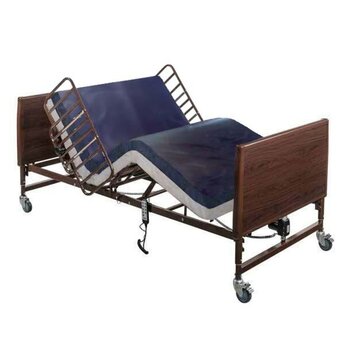
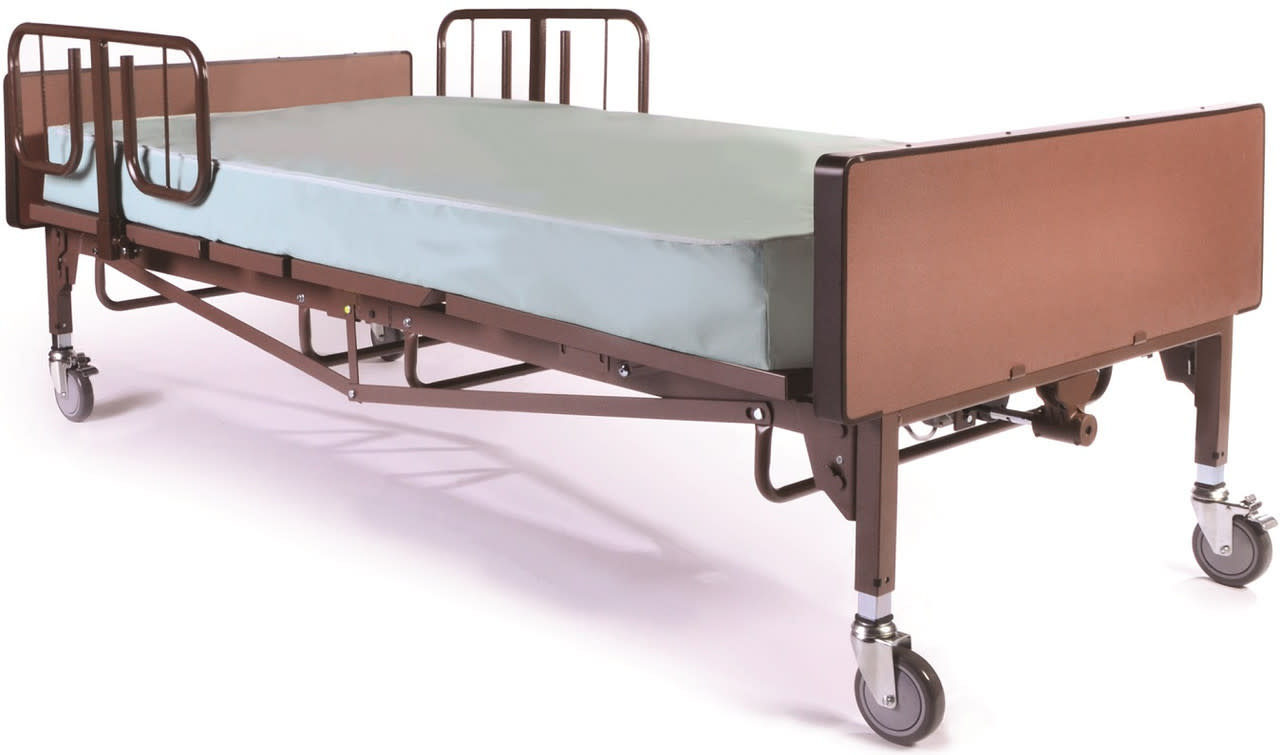
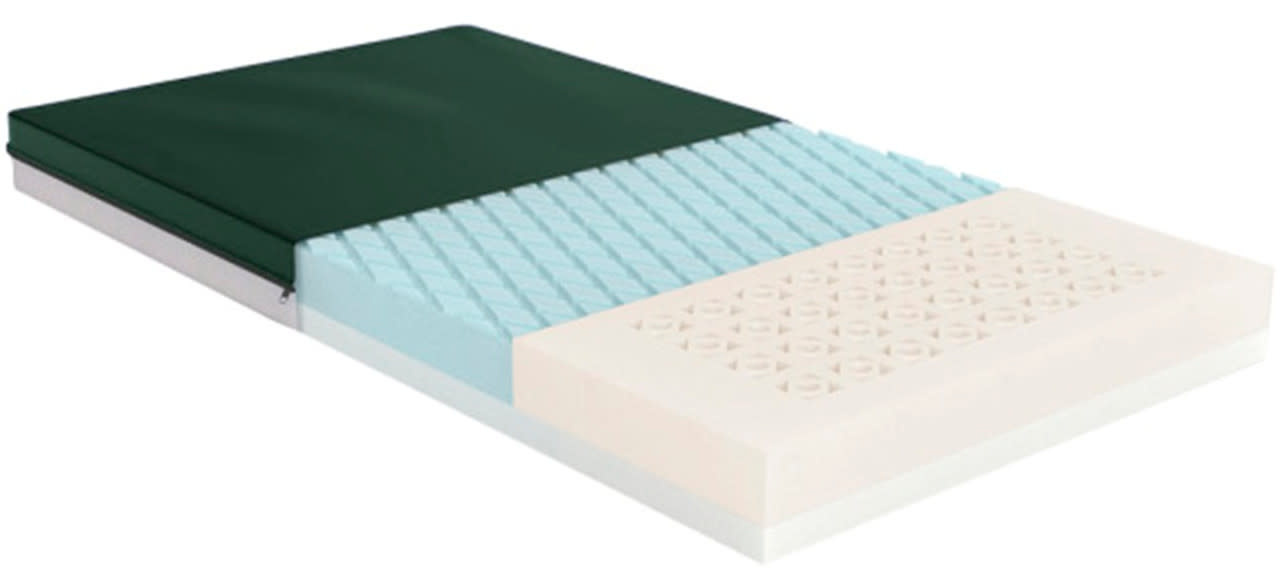
Probasics Full-Electric 42" Bariatric Hospital Bed Bundle with Foam Mattress & Side Rails

C$3,499.00
In stock online
In store: Check availability

Available in store

SKU: PB42BARBED-PKG

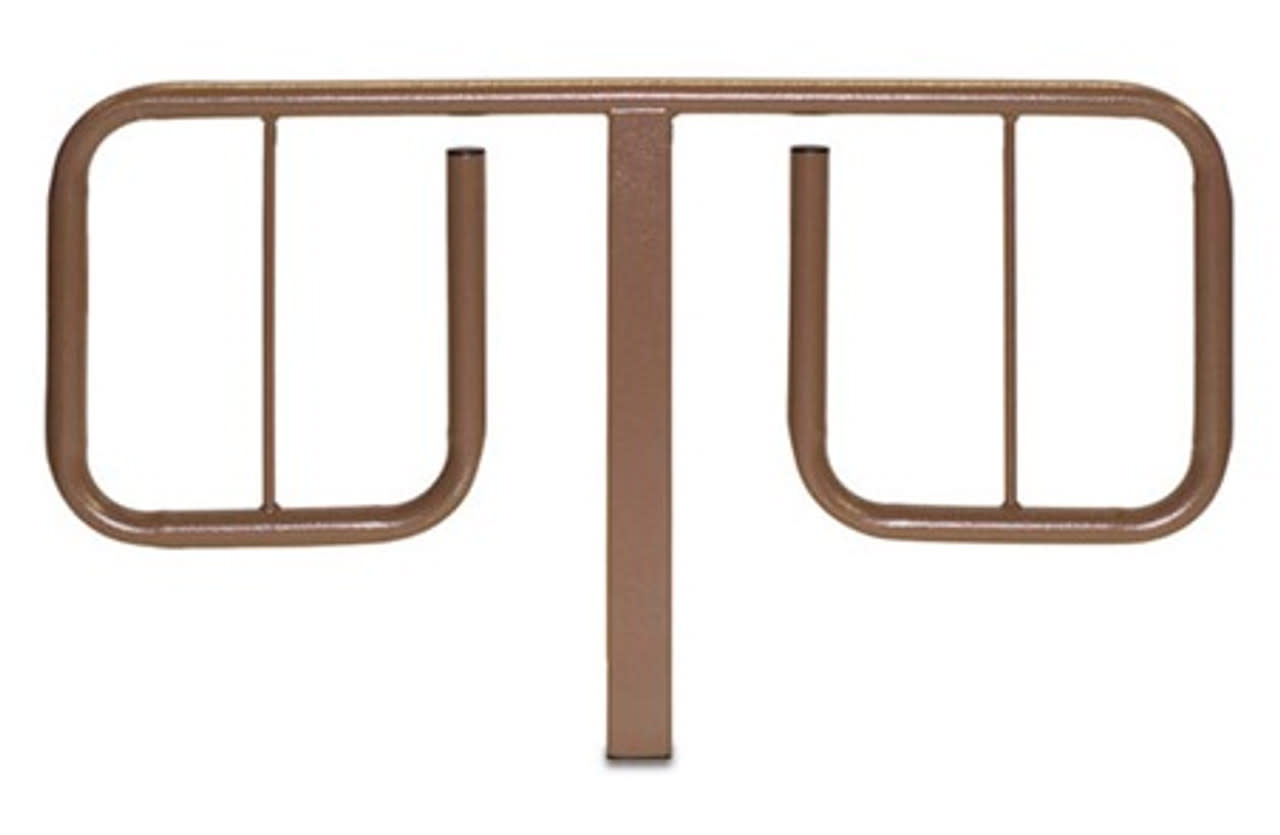
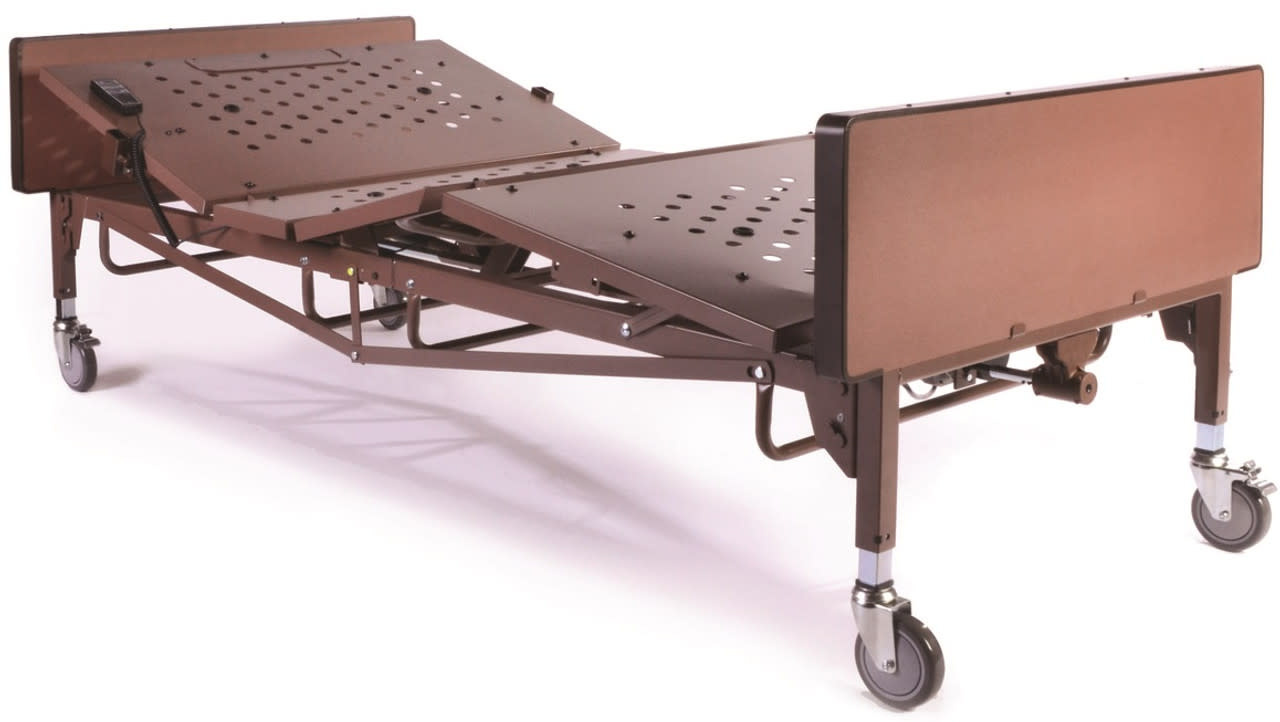
Heavy-duty full-electric bariatric homecare bed supporting up to 600 pounds. Extended 42-inch width, split-pan design and motorized positioning provide superior comfort for bariatric patients. Includes half-length rails. 80L × 42W surface.

    • Why Bariatric-Specific Beds Are Essential for Safe Patient Care

      Standard homecare beds fail bariatric patients in multiple critical ways creating safety hazards and care impossibilities. Standard beds typically support only 350-450 pounds—inadequate for 600+ pound patients—causing catastrophic frame collapse, mattress bottoming out, and caregiver injury during transfers. The 36-inch standard width forces larger patients to sleep in cramped positions causing pressure ulcers, restricted breathing, and psychological distress from confinement. Standard bed frames also lack reinforced construction allowing metal fatigue and weld failures under sustained heavy loads. The ProBasics Bariatric Bed addresses these challenges with 600-pound weight capacity exceeding standard by 40%, 42-inch width providing 17% more sleeping surface than standard beds, heavy-duty frame construction extending to bed deck edges eliminating weak points, and full electric operation enabling safe positioning without manual caregiver lifting reducing injury risk.

      Key Features

      • 600-pound weight capacity (272 kg patient weight / 317 kg distributed weight) exceeding standard bed capacity by 150 pounds
      • 42-inch sleeping surface width providing 6 additional inches versus standard 36-inch hospital beds for patient comfort
      • 80-inch length accommodating taller bariatric patients without feet hanging over bed edge
      • Heavy-duty reinforced frame extending to edges of bed deck providing superior support versus split-spring designs
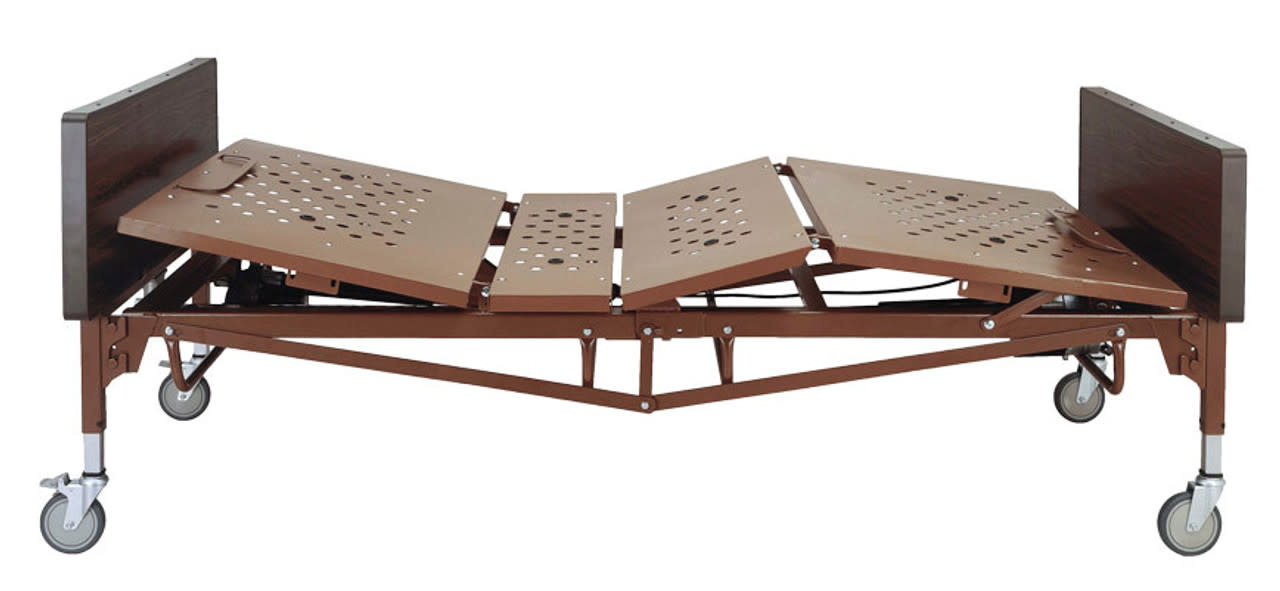
      • Full electric operation with hand control motorizing head, foot, and height adjustments eliminating manual cranking
      • Hi-Lo height adjustment raising/lowering bed from low position for patient entry to high position for caregiver access
      • Trendelenburg and reverse Trendelenburg positioning tilting entire bed for medical positioning when clinically indicated
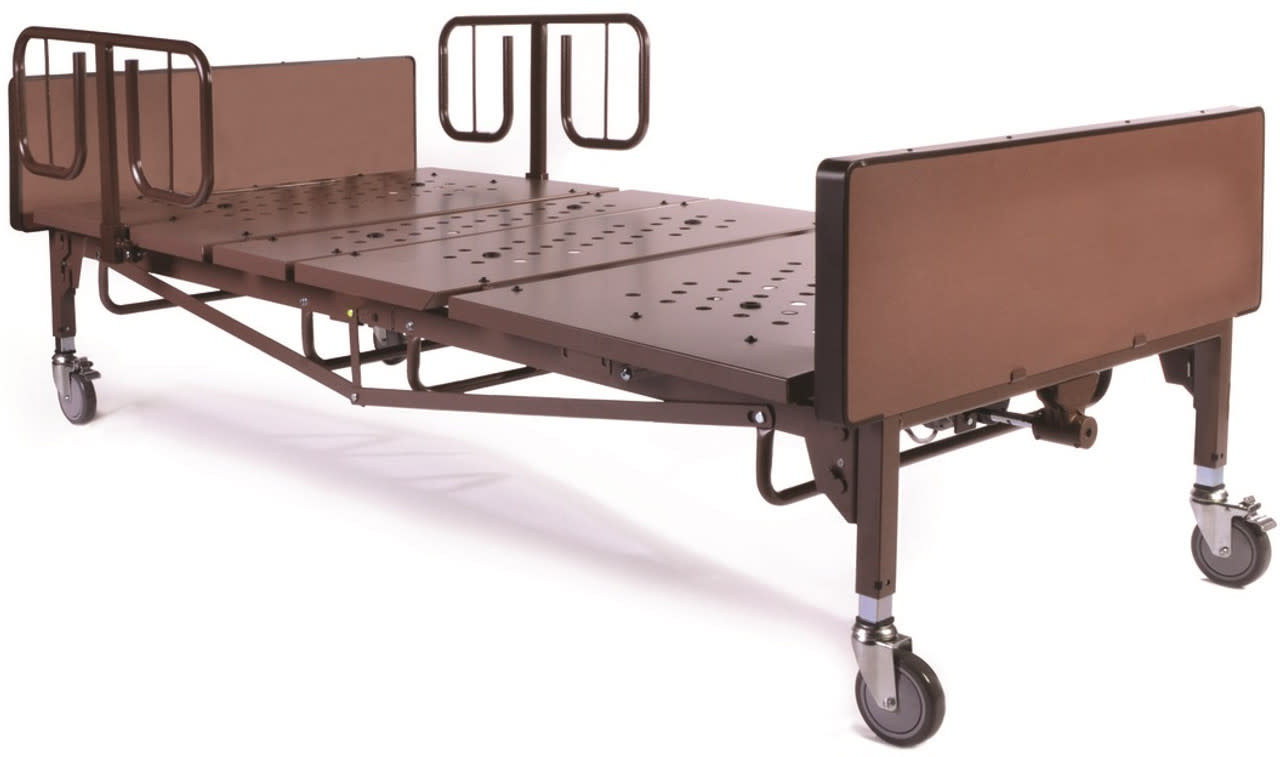
      • Split-pan bed deck design with removable head and foot sections enabling easy assembly and disassembly for transport
      • Tool-free assembly using simple connection mechanisms requiring no specialized equipment or technical expertise
      • High-impact bed end panels constructed from durable washable materials resisting scratches, dents, and staining
      • Four heavy-duty casters (2 locking, 2 non-locking) enabling bed repositioning and secure stationary placement
      • Half-length powder-coated side rails (brown vein finish) providing fall prevention without full-length institutional appearance
      • Integrated hand control holder keeping positioning controller within patient reach preventing falls reaching for controls
      • Emergency CPR quick-release allowing rapid bed flattening for emergency resuscitation without motor operation
      • Quiet motor operation using modern electric actuators minimizing sleep disruption during position changes

      Benefits

      • Prevents catastrophic bed failures with weight capacity exceeding patient weight by safety margin preventing collapse injuries
      • Eliminates patient confinement distress with adequate width allowing natural sleeping positions versus cramped standard beds
      • Reduces pressure ulcer risk through electric positioning enabling frequent position changes without caregiver manual lifting
      • Protects caregiver safety by eliminating heavy manual lifting for bed adjustments reducing workplace back injuries
      • Enables home discharge for bariatric patients who would otherwise require institutional care due to equipment limitations
      • Supports independent living allowing bariatric patients to adjust positioning without caregiver assistance maintaining dignity
      • Facilitates medical care with height adjustment positioning patient at ergonomic level for wound care, bathing, examination
      • Prevents respiratory complications through head elevation reducing sleep apnea episodes and aspiration risk
      • Reduces lower extremity edema via leg elevation promoting venous return and reducing dependent swelling
      • Cost-effective versus hospital beds providing hospital-grade features at homecare price point ($1,740 vs $3,000-8,000)
      • Accommodates bariatric mattresses with 42-inch width matching bariatric mattress standard widths ensuring proper fit
      • Simplifies relocation through split-pan design enabling disassembly for moving between rooms or residences

      Clinical Applications

      ✓ Bariatric patients (BMI over 40, weight 300-600 lbs) requiring home hospital bed with adequate weight capacity
      ✓ Post-bariatric surgery patients during home recovery requiring positioning for drainage and respiratory support
      ✓ Immobile or bed-bound bariatric patients needing frequent repositioning for pressure ulcer prevention
      ✓ Palliative care bariatric patients requiring comfort positioning during end-of-life home care
      ✓ Chronic obstructive pulmonary disease (COPD) patients needing elevated head positioning for breathing support
      ✓ Congestive heart failure patients requiring head elevation reducing orthopnea and improving cardiac output
      ✓ Lower extremity edema patients benefiting from leg elevation promoting venous return and reducing swelling
      ✓ Post-orthopedic surgery patients (hip, knee replacement) requiring specific positioning during home recovery
      ✓ Stroke patients with hemiplegia needing positioning support and height adjustment for caregiver transfers
      ✓ Spinal cord injury patients requiring pressure relief positioning and height adjustment for wheelchair transfers
      ✓ Multiple sclerosis patients with progressive weakness needing electric bed controls as hand strength declines
      ✓ Home health care settings providing skilled nursing for bariatric patients in residential environments
      ✓ Nursing homes and assisted living facilities managing bariatric resident care with institutional-grade equipment
      ✓ Hospice programs providing comfort care for bariatric patients in final stages of terminal illness
      ✓ Family caregivers preventing back injury while caring for immobile bariatric loved ones at home

      Usage & Application

      Pre-Delivery Planning and Space Requirements

      Room Assessment: Before delivery, evaluate room suitability for bariatric bed:

      Minimum Space Requirements:

      • Bed footprint: 80 inches length × 42 inches width (6'8" × 3'6")
      • Clearance around bed: Minimum 36 inches on at least two sides for caregiver access
      • Doorway width: Minimum 32 inches for bed frame components (disassembled entry)
      • Ceiling height: Minimum 7 feet to accommodate raised bed position
      • Floor loading: Ensure residential floor supports 1,000+ pounds concentrated load (bed + patient + mattress)
      • Total room size: Recommended minimum 12' × 12' for adequate circulation space

      Electrical Requirements:

      • Power outlet: Standard 110V household outlet within 6 feet of bed location
      • Dedicated circuit: Recommended but not required (bed draws low amperage)
      • Surge protection: Recommended to protect control system electronics
      • Backup power: Consider UPS (uninterruptible power supply) if power outages common in area

      Access Considerations:

      • Delivery path: Measure hallways, doorways, stairwells ensuring bed components fit
      • Elevator capacity: For apartments, verify elevator weight rating accommodates delivery team + bed frame
      • Stairway navigation: Split-pan design enables component-by-component stair transport if needed
      • Ground floor preferred: Reduces delivery complexity and emergency evacuation concerns

      Assembly and Installation

      Unpacking and Inventory: Upon delivery, verify all components present before assembly:

      1. Main bed frame (head and foot sections)
      2. Bed deck panels (split-pan design, typically 2-3 sections)
      3. Motor units (typically 2-3 motors for head, foot, hi-lo functions)
      4. Hand control with spiral cord and mounting bracket
      5. Power cord connecting bed to electrical outlet
      6. Half-length side rails (2 rails, left and right)
      7. Casters (4 heavy-duty casters, 2 with locks)
      8. Hardware kit with connection pins, clips, fasteners
      9. Assembly instructions and user manual
      10. Warranty registration card

      Assembly Process (Tool-Free Design):

      Step 1: Frame Assembly

      1. Lay head and foot frame sections on floor in approximate final positions
      2. Align connection points between head and foot sections
      3. Insert connection pins or engage locking mechanisms
      4. Ensure frame locked securely (test by attempting to separate—should not move)
      5. Frame should now form rectangular base structure

      Step 2: Caster Installation

      1. Turn frame upside down or work with frame on its side (2-person job)
      2. Insert casters into mounting sockets on each corner of frame
      3. For locking casters: Install on head end (where patient's head will be)
      4. For non-locking casters: Install on foot end (for ease of bed repositioning)
      5. Verify each caster fully seated and secured in mounting socket

      Step 3: Bed Deck Panel Installation

      1. Turn frame right-side up
      2. Place bed deck panels onto frame rails
      3. Align panels so joints between sections supported by frame crossbars
      4. Secure panels using clips or pins provided (tool-free attachment)
      5. Verify panels sit flush and level (no wobbling or gaps)

      Step 4: Motor Installation

      1. Locate motor mounting points on underside of bed frame (pre-drilled or pre-welded)
      2. Attach motors to mounting brackets (usually clip or pin attachment)
      3. Connect motor linkages to head and foot deck sections
      4. Route motor cables along frame to avoid pinch points (keep away from moving parts)
      5. Connect motor cables to control box (usually color-coded or keyed connections)

      Step 5: Electrical Connections

      1. Locate control box (junction point for all motors and hand control)
      2. Connect all motor cables to control box per diagram (typically plug-and-play connections)
      3. Connect hand control spiral cord to control box
      4. Connect power cord from control box to wall outlet
      5. Verify all connections secure before testing

      Step 6: Rail Installation

      1. Slide half-length rails into mounting brackets on each side of bed
      2. Position rails at head end of bed (fall prevention for upper body)
      3. Secure rails using locking pins or clips
      4. Test rails for security (should not slide out with firm pull)

      Step 7: System Testing

      1. Plug bed into electrical outlet
      2. Test each function using hand control:
        • Head elevation: Should raise smoothly without binding
        • Foot elevation: Should raise smoothly without binding
        • Height adjustment: Bed should raise/lower through full range
      3. Verify motor operation quiet and smooth (unusual noises indicate misalignment)
      4. Test emergency CPR release if equipped (should drop head section instantly)
      5. Engage locking casters ensuring bed stationary

      Safety Verification Before Patient Use:

      • All connections tight and secure
      • Rails properly installed and locked
      • Caster locks engaged
      • Hand control accessible but not dangling where trip hazard created
      • No sharp edges or pinch points exposed
      • Bed operates through full range without binding
      • Mattress fits properly on bed deck (42-inch bariatric mattress required)

      Operating the Full Electric Controls

      Hand Control Functions:

      Typical Button Configuration:

      • Head Up/Down: Raises/lowers head section (0-70 degrees typical range)
      • Foot Up/Down: Raises/lowers foot section (0-35 degrees typical range)
      • Height Up/Down: Raises/lowers entire bed (low = 16-20 inches, high = 24-30 inches from floor)
      • Trendelenburg buttons: (if equipped) Tilts entire bed head-down or head-up

      Head Section Positioning: Uses:

      • Elevated 30-45 degrees: Eating, reading, watching television, socializing
      • Elevated 45-60 degrees: Respiratory support for COPD, CHF, sleep apnea patients
      • Elevated 15-30 degrees: Mild reflux/GERD management, comfortable resting position
      • Flat (0 degrees): Sleeping, lying flat for medical examination or procedures

      Operation:

      1. Press and hold "Head Up" button
      2. Head section begins rising (release button when desired position reached)
      3. To lower: Press and hold "Head Down" button
      4. Head section lowers (release button when desired position reached)
      5. Section stops immediately when button released (allowing precise positioning)

      Foot Section Positioning: Uses:

      • Elevated 15-30 degrees: Leg edema reduction, varicose vein management, post-orthopedic surgery
      • Elevated 10-20 degrees: Comfortable television watching, mild leg elevation
      • Flat (0 degrees): Normal sleeping position, sitting on edge of bed

      Operation:

      1. Press and hold "Foot Up" button
      2. Foot section begins rising
      3. Release button at desired position
      4. To lower: Press and hold "Foot Down" button

      Height Adjustment: Low Position (16-20 inches from floor): Uses:

      • Patient entering/exiting bed independently
      • Reduced fall injury risk (shorter distance to floor)
      • Patient sitting on bed edge with feet flat on floor
      • Patient sleeping position

      High Position (24-30 inches from floor): Uses:

      • Caregiver performing care (wound dressing, bathing, examination)
      • Healthcare provider access at comfortable working height
      • Reducing caregiver back strain during patient care
      • Wheelchair transfers (bed height matches wheelchair seat height)

      Operation:

      1. Press and hold "Height Up" button to raise bed
      2. Press and hold "Height Down" button to lower bed
      3. Always lower bed to lowest position when patient unattended (fall prevention)

      Trendelenburg Positioning (if equipped): Trendelenburg (head-down tilt):

      • Entire bed tilts with head lower than feet (approximately 10-15 degree tilt)
      • Medical uses: Shock treatment, postural drainage, certain surgical positioning
      • Caution: Used only under medical direction—not for routine positioning

      Reverse Trendelenburg (head-up tilt):

      • Entire bed tilts with head higher than feet
      • Medical uses: Reflux management, respiratory support, reducing facial edema
      • Difference from head elevation: Entire bed tilts (flat surface) vs. head section bending

      Daily Use and Patient Care

      Safe Patient Transfer to Bed:

      Wheelchair to Bed Transfer:

      1. Lower bed to lowest position (approximately same height as wheelchair seat)
      2. Position wheelchair parallel to bed, angled slightly toward bed
      3. Engage wheelchair brakes
      4. Remove wheelchair armrest on bed side if possible
      5. Patient scoots to front edge of wheelchair seat
      6. Caregiver: Stand in front of patient providing support
      7. Patient pushes up from wheelchair arms, pivots, and lowers onto bed edge
      8. Once seated on bed edge, patient lifts legs onto bed deck
      9. Caregiver assists positioning patient supine or in comfortable position
      10. Raise bed height if caregiver needs to perform care tasks
      11. Always lower bed after care completed

      Stand-Pivot Transfer (Ambulatory Bariatric Patients):

      1. Lower bed to lowest position
      2. Patient stands from chair/wheelchair
      3. Patient pivots toward bed while holding caregiver arms or grab bars
      4. Patient sits on bed edge
      5. Caregiver assists lifting legs onto bed
      6. Position patient comfortably

      Mechanical Lift Transfer (Dependent Patients):

      1. Lower bed to low position for sling placement under patient
      2. Use ceiling lift or portable floor lift per manufacturer instructions
      3. Lift patient clear of wheelchair/chair
      4. Position patient over bed
      5. Lower patient onto bed surface
      6. Remove sling per lift instructions
      7. Position patient comfortably using bed controls

      Positioning for Pressure Ulcer Prevention:

      2-Hour Repositioning Protocol: Immobile patients require position changes minimum every 2 hours preventing pressure ulcers:

      Position 1: Semi-Fowler's (head elevated 30-45 degrees, flat legs)

      • Duration: 2 hours
      • Benefits: Respiratory support, comfortable for eating/socializing
      • Pressure relief: Sacrum, heels

      Position 2: Flat supine with foot elevation

      • Duration: 2 hours
      • Benefits: Distributes weight evenly, leg elevation reduces edema
      • Pressure relief: Entire posterior surface

      Position 3: Semi-Fowler's with leg elevation

      • Duration: 2 hours
      • Benefits: Combined respiratory and circulatory support
      • Pressure relief: Sacrum, calves

      Position 4: Flat supine

      • Duration: 2 hours (or sleep through night if patient tolerates)
      • Benefits: Natural sleeping position, spine alignment
      • Pressure relief: Full posterior surface

      Note: Side-lying positions challenging for bariatric patients on hospital bed—typically require caregiver assistance and positioning pillows

      Respiratory Management:

      For COPD, CHF, Sleep Apnea Patients:

      • Sleeping: Head elevated 30-45 degrees minimum (reduces orthopnea—shortness of breath when lying flat)
      • Acute respiratory distress: Elevate head to maximum comfortable position (often 60+ degrees)
      • Oxygen therapy: Tubing management ensuring lines not pinched by bed mechanisms
      • CPAP/BiPAP use: Bed positioning ensuring mask seal not compromised by positioning

      Edema Management:

      For Leg Swelling, Venous Insufficiency, Post-Surgery:

      • Elevation: Legs elevated 15-30 degrees above heart level
      • Duration: Minimum 20-30 minutes several times daily, can maintain during sleep
      • Combined positioning: Head elevated 15-20 degrees + legs elevated 20-30 degrees (boat position)
      • Caution: Excessive leg elevation (over 40 degrees) can cause sliding down in bed—use positioning aids

      Troubleshooting Common Issues

      Bed Won't Operate (No Response to Controls):

      Cause: Power supply disconnected or outlet not functioning Solution:

      1. Verify power cord plugged into wall outlet
      2. Check outlet has power (plug lamp into outlet to test)
      3. Check circuit breaker not tripped
      4. Verify power cord not damaged

      Cause: Control box connection loose Solution:

      1. Locate control box under bed
      2. Check all motor cables securely connected to control box
      3. Check hand control cable securely connected
      4. Reconnect any loose cables

      Cause: Hand control malfunction Solution:

      1. Inspect hand control for physical damage
      2. Try backup hand control if available
      3. Contact supplier for replacement hand control

      Bed Motor Operates Slowly or Stops Mid-Cycle:

      Cause: Overweight exceeding capacity or uneven weight distribution Solution:

      1. Verify total weight (patient + mattress + bedding) under 600 pound maximum
      2. Remove excessive bedding or items on bed
      3. Ensure mattress properly sized (oversize mattress adds weight)

      Cause: Motor binding or obstruction Solution:

      1. Inspect bed frame for items lodged in moving parts
      2. Remove any obstructions
      3. Verify bed deck panels properly seated (misalignment causes binding)
      4. Lubricate moving parts if manufacturer instructions permit

      Cause: Low voltage from long extension cord Solution:

      1. Plug bed directly into wall outlet (avoid extension cords)
      2. If extension cord necessary, use heavy-duty 12-gauge cord minimum

      Bed Makes Loud Noise During Operation:

      Cause: Normal operation—electric actuators produce some noise Solution: This is typical; no action needed if bed operates smoothly

      Cause: Loose components vibrating during movement Solution:

      1. Tighten all connection points on bed frame
      2. Check bed deck panels seated properly
      3. Verify motors securely mounted to frame

      Cause: Motor or mechanical failure Solution: Contact supplier for service—motor replacement may be required

      Rails Feel Loose or Won't Stay in Position:

      Cause: Locking pins not fully engaged Solution:

      1. Remove rails
      2. Inspect mounting brackets for damage
      3. Reinstall rails ensuring locking pins fully seated
      4. Test rails with firm pull (should not move)

      Cause: Worn mounting hardware Solution: Contact supplier for replacement mounting brackets or pins

      Patient Sliding Down in Bed:

      Cause: Head elevated without foot elevation creating slide Solution:

      1. Elevate foot section slightly (10-15 degrees) when head elevated over 30 degrees
      2. Use positioning pillows behind patient back
      3. Use heel protectors preventing feet from gripping deck and sliding

      Cause: Patient too small for 42-inch wide bed Solution: Use positioning bolsters on sides creating narrower sleep surface

      Maintenance and Cleaning

      Daily/Weekly Maintenance:

      Cleaning Bed Surfaces:

      1. Wipe high-impact bed end panels with damp cloth and mild soap
      2. Disinfect using hospital-grade disinfectant if patient has infection
      3. Dry thoroughly preventing moisture accumulation
      4. Avoid harsh chemicals damaging powder-coated finish

      Inspecting Rails:

      1. Check rails securely locked in position
      2. Verify locking mechanisms functioning properly
      3. Clean rails with disinfectant wipes

      Monthly Maintenance:

      Mechanical Inspection:

      1. Check all bolts, pins, connections for tightness
      2. Inspect casters for debris, hair, or damage
      3. Test caster locks engage/release smoothly
      4. Check hand control cord for fraying or damage

      Electrical Inspection:

      1. Inspect power cord for damage
      2. Check all electrical connections secure
      3. Test each motor function operates through full range

      Quarterly/Semi-Annual Professional Maintenance:

      Comprehensive Service:

      • Schedule professional inspection if bed used continuously
      • Motor inspection for wear or noise
      • Actuator lubrication per manufacturer specifications
      • Electrical system testing for safety
      • Weight capacity re-verification

      Safety Guidelines

      Fall Prevention:

      • Lowest position overnight: Always lower bed to lowest position when patient sleeping
      • Rails up during sleep: Keep half-rails raised providing barrier without entrapment risk
      • Bed exit alarm: Consider bed alarm if patient confused or at high fall risk
      • Clear floor area: Remove tripping hazards around bed
      • Adequate lighting: Night lights enabling patient to see when getting up

      Entrapment Prevention:

      • Half-rails reduce risk: Half-length rails minimize entrapment potential versus full-length rails
      • Mattress fit: Ensure mattress fits snugly against rails (gaps create entrapment zones)
      • Rail inspection: Check rails daily for proper positioning and locking

      Caregiver Safety:

      • Proper body mechanics: Use bed height adjustment to avoid bending/reaching
      • Two-person transfers: For patients over 200 pounds, use two caregivers for manual transfers
      • Mechanical lifts: Strongly recommended for dependent bariatric patient transfers
      • Back protection: Always adjust bed to comfortable working height before providing care

      Emergency Preparedness:

      • CPR positioning: Know how to rapidly flatten bed for emergency resuscitation
      • Power failure: Bed retains position during power outage (manual crank may be available for emergency lowering)
      • Fire evacuation: Split-pan design allows rapid disassembly if patient must be moved

      Mattress Selection and Compatibility

      Required Mattress Size:

      • Width: 42 inches (bariatric mattress standard width)
      • Length: 80 inches (hospital bed standard length)
      • Thickness: 6-8 inches typical (check clearance under rails)

      Mattress Type Recommendations:

      For Bariatric Patients:

      • High-density foam: Minimum 5-pound density supporting up to 600 pounds without bottoming
      • Bariatric alternating pressure: For immobile patients at pressure ulcer risk
      • Low air loss: For patients with existing pressure ulcers requiring advanced wound care
      • Hybrid foam/air: Combining comfort with pressure redistribution

      Caution: Standard mattresses collapse under bariatric patient weight causing discomfort and bed frame damage

      Technical Specifications

      Product Identification:

      • Brand: ProBasics
      • Model: 42" Full Electric Bariatric Bed Package
      • Item Number: PB42BARBED-PKG
      • Configuration: Full electric hospital bed with half-length side rails included
      • Use Setting: Home care, assisted living, long-term care facilities

      Weight Specifications:

      • Maximum Patient Weight Capacity: 600 pounds (272 kg)
      • Maximum Distributed Weight Capacity: 699 pounds (317 kg) including patient, mattress, bedding
      • Safety Factor: Designed and tested to exceed stated capacity by 50% (900+ pound test rating)
      • Frame Weight: Approximately 150-200 pounds (bed frame only without mattress)

      Dimensions:

      • Sleeping Surface: 80 inches length × 42 inches width (203 cm × 107 cm)
      • Overall Length: Approximately 85 inches (including bed ends)
      • Overall Width: Approximately 42 inches (frame width matches deck width)
      • Height Range (Top of Deck):
        • Lowest position: 16-20 inches from floor
        • Highest position: 24-30 inches from floor
        • Total height adjustment: 8-10 inches range

      Positioning Specifications:

      • Head Section Elevation: 0-70 degrees (approximate—varies by manufacturer)
      • Foot Section Elevation: 0-35 degrees (approximate)
      • Trendelenburg: 0-15 degrees (if equipped)
      • Reverse Trendelenburg: 0-15 degrees (if equipped)

      Construction Materials:

      • Frame: Heavy-duty welded steel with reinforced joints
      • Finish: Powder-coated paint (brown vein color) for durability and easy cleaning
      • Bed Ends: High-impact plastic or composite material (scratch and stain resistant)
      • Rails: Powder-coated steel (brown vein finish matching bed frame)
      • Deck: Metal mesh or solid metal panels (split-pan design for easy assembly)

      Electrical Specifications:

      • Power Requirements: 110V AC, 60 Hz (standard North American household outlet)
      • Amperage Draw: Typically 3-5 amps maximum (during motor operation)
      • Motors: 2-3 electric actuators (head, foot, hi-lo functions)
      • Motor Type: Linear actuators with quiet operation
      • Control System: Low-voltage hand control (safe for patient use)
      • Hand Control Cord: Spiral cord extending approximately 6-8 feet allowing positioning anywhere on bed
      • Backup Power: None (bed retains position during power outage but cannot be adjusted)

      Mobility Features:

      • Casters: 4 heavy-duty casters (typically 5-inch diameter wheels)
      • Locking Casters: 2 locking casters at head end providing secure stationary positioning
      • Non-Locking Casters: 2 non-locking casters at foot end facilitating bed repositioning
      • Swivel: 360-degree swivel on all casters enabling tight maneuvering

      Safety Features:

      • Emergency CPR Release: Quick-release mechanism flattening bed instantly for resuscitation
      • Side Rails: Half-length powder-coated rails (brown vein finish) included in package
      • Rail Length: Approximately 40 inches (half-length design reducing entrapment risk)
      • Rail Height: 10-12 inches above mattress surface (adequate for fall prevention)
      • Motor Overload Protection: Thermal cut-off preventing motor damage from overuse

      Assembly & Transport:

      • Design: Split-pan bed deck with removable head and foot sections
      • Tools Required: None (tool-free assembly using pins and clips)
      • Assembly Time: 30-60 minutes for two people
      • Disassembly: Reversible process for relocation or storage
      • Shipping Weight: Approximately 200-250 pounds
      • Shipping Dimensions: Multiple boxes (bed frame, deck panels, rails, hardware)

      Regulatory & Compliance:

      • FDA Classification: Class I Medical Device (hospital bed for home use)
      • Standards Compliance: Meets IEC 60601-2-52 medical electrical equipment standards for hospital beds
      • ANSI/AAMI Compliance: Meets entrapment reduction standards
      • UL Listed: Electrical safety certified by Underwriters Laboratories

      Warranty:

      • Frame Warranty: Typically 3-5 years limited warranty (verify with manufacturer)
      • Motor/Electrical Warranty: Typically 1-2 years limited warranty
      • Rails Warranty: 1 year limited warranty
      • Conditions: Warranty covers defects in materials and workmanship, excludes damage from misuse or exceeding weight capacity

      Package Includes:

      • Full electric bariatric bed frame (head and foot sections)
      • Split-pan bed deck panels
      • 2-3 electric motors with control system
      • Hand control with spiral cord and mounting bracket
      • Power cord
      • Half-length side rails (2 rails, brown vein powder-coated finish)
      • 4 heavy-duty casters (2 locking, 2 non-locking)
      • Hardware kit (pins, clips, fasteners)
      • Assembly instructions and user manual

      Not Included (Must Purchase Separately):

      • Mattress cover or protector
      • Bedding (sheets, blankets, pillows)
      • Overhead trapeze (if desired)
      • Bed assist rails or grab bars (if desired beyond included half-rails)


    • No reviews yet

      Add yours

    Testimonials from Google

    See all reviews

    Recently viewed

    Your cart — 0

    You cart is currently empty

    Login