
Slideshow Items

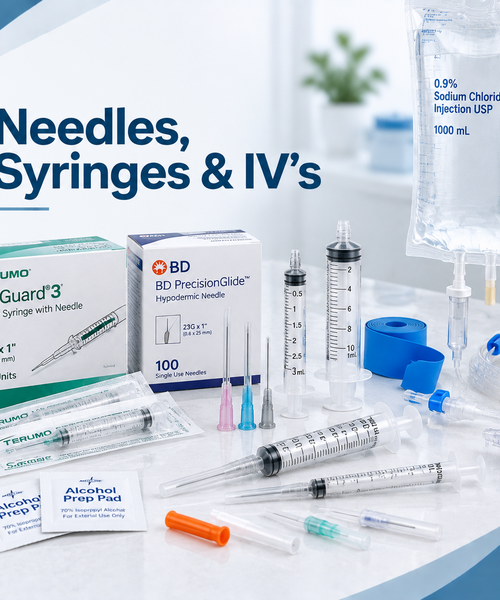
  • Needles, Syringes & IV's
  • needles-syringes-ivs
SC-Sure Comfort

  |  

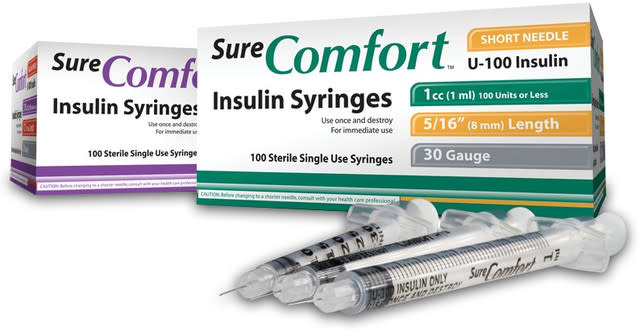
Sure Comfort Insulin Syringes 100/bx 30G 5/16" (8mm) 10/bg

C$5.00
3+ Day Shipping
In store: Check availability

Available in store

SKU: 22-6010

Sure Comfort 30G insulin syringes provide comfortable, precise insulin delivery with a fine needle and clear dosing markings. Designed for daily diabetes management with smooth injections and dependable performance.

    • Why Ultra-Fine 30G Needles with Short Length for Comfortable Insulin Delivery

      Ultra-fine 30-gauge needles (0.31mm diameter) represent one of the thinnest insulin syringe needles available, significantly reducing injection discomfort compared to standard 31G needles while still maintaining excellent insulin flow rates. The short 5/16" (8mm) needle length is optimal for subcutaneous insulin delivery in most adult patients, minimizing the risk of intramuscular injection (which can cause unpredictable insulin absorption and hypoglycemia) while ensuring reliable subcutaneous placement and consistent insulin absorption. This combination of ultra-fine gauge and appropriate length supports comfortable daily insulin administration with minimal pain—critical for treatment adherence in patients requiring multiple daily injections over a lifetime of diabetes management. The 1cc (100-unit) barrel capacity accommodates most insulin dosing needs from small correction doses to larger basal insulin doses, while maintaining clear, easy-to-read unit markings for accurate dose measurement and reducing medication errors.

      Key Features & Benefits

      Key Features:

      • Ultra-fine 30G (0.31mm) needle for exceptional injection comfort
      • Short 5/16" (8mm) needle length for safe subcutaneous insulin delivery
      • 1 cc barrel capacity with 100-unit graduation for U-100 insulin
      • Clear polypropylene barrel with bold, easy-to-read unit markings (1-unit increments)
      • Precision-molded plunger with smooth, controlled action
      • Sterile, individually wrapped in protective packaging
      • Permanent needle attachment (integrated needle and barrel)
      • Latex-free construction for allergy safety
      • Tri-beveled needle tip for smooth skin penetration
      • Surgical-grade stainless steel needle
      • Single-use, disposable design
      • Box of 100 syringes (packaged as 10 inner boxes of 10 syringes each)
      • Cost-effective for daily insulin therapy
      • Easy-to-open individual wrappers

      Benefits:

      • Reduces injection pain and anxiety with ultra-fine 30G needle
      • Minimizes tissue trauma and injection site reactions
      • Appropriate needle length prevents intramuscular injection risk
      • Clear barrel allows easy visualization of insulin and air bubbles
      • Bold markings support accurate insulin dosing and prevent errors
      • Smooth plunger action reduces injection force needed
      • Permanent needle eliminates needle attachment steps (faster, safer)
      • Sterile packaging ensures safety for immunocompromised diabetic patients
      • Inner boxes of 10 convenient for travel and organization
      • Latex-free design protects patients with latex sensitivities
      • Single-use design prevents cross-contamination and infection
      • Reliable performance for daily diabetes self-management

      Clinical Applications

      Sure Comfort 30G 5/16" insulin syringes are appropriate for:

      ✓ Type 1 diabetes requiring multiple daily insulin injections (MDI regimen) ✓ Type 2 diabetes managed with basal and/or mealtime insulin ✓ Patients requiring U-100 insulin formulations (most common insulin concentration) ✓ Daily insulin doses from 1 to 100 units per injection ✓ Adults and adolescents with adequate subcutaneous tissue (BMI >25 typically) ✓ Patients with needle anxiety or injection discomfort ✓ Self-administration of insulin at home, work, or while traveling ✓ Basal insulin regimens (long-acting insulin once or twice daily) ✓ Bolus insulin regimens (rapid-acting insulin with meals and snacks) ✓ Correction doses for hyperglycemia management ✓ Sliding scale insulin protocols ✓ Patients rotating injection sites (abdomen, thighs, arms, buttocks) ✓ Diabetes management requiring precise small-dose adjustments (1-unit increments) ✓ Elderly patients who benefit from easier-to-handle syringes ✓ Patients transitioning from insulin pens to syringes (cost savings) ✓ Gestational diabetes requiring insulin therapy during pregnancy

      Usage & Application

      Pre-Injection Preparation:

      1. Verify insulin and dose: Check insulin type (rapid-acting, short-acting, intermediate, long-acting), concentration (should be U-100), expiration date, and prescribed dose from your healthcare provider or diabetes care plan. Ensure insulin is at room temperature—remove from refrigerator 30 minutes before injection if refrigerated (cold insulin stings more on injection).
      2. Gather supplies: Insulin vial, Sure Comfort 30G syringe (unopened sterile wrapper), alcohol swabs, sharps container, blood glucose meter (if checking before injection), and diabetes logbook or app.
      3. Check blood glucose: Test blood glucose per your diabetes management plan before injecting, especially for correction doses or sliding scale protocols.
      4. Hand hygiene: Wash hands thoroughly with soap and water for at least 20 seconds. If soap and water unavailable, use alcohol-based hand sanitizer with at least 60% alcohol content.
      5. Inspect insulin: Check insulin appearance:
        • Clear insulins (rapid-acting like Humalog/NovoLog, short-acting like Regular, long-acting like Lantus/Levemir): Should be completely clear with no cloudiness, particles, or discoloration
        • Cloudy insulins (NPH/intermediate-acting, premixed like 70/30): Should be uniformly cloudy after gentle rolling; should not have clumps or crystals
        • Discard any insulin that looks abnormal or has been frozen

      Drawing Up Insulin:

      1. Prepare insulin vial:
        • Clear insulin: No preparation needed; proceed to drawing
        • Cloudy insulin (NPH, premixed): Roll vial gently between palms 10-20 times to mix (NEVER shake—creates air bubbles and can damage insulin). Vial should look uniformly cloudy with no clear liquid visible.
      2. Clean vial top: Wipe rubber stopper of insulin vial with alcohol swab in circular motion. Allow to air dry (15-30 seconds). This removes contaminants and ensures antiseptic effectiveness.
      3. Prepare syringe: Remove syringe from sterile wrapper. Do not touch the needle or remove needle cap yet.
      4. Draw air into syringe: Pull plunger back to draw air equal to your insulin dose. For example, if your dose is 25 units, pull plunger back to the 25-unit marking. This air prevents vacuum formation in the vial.
      5. Insert needle into vial: Remove needle cap and set aside (or keep handy for temporary recapping if needed). Hold vial upright on a flat surface. Insert needle straight through rubber stopper into insulin vial. Push needle all the way through until firmly in vial.
      6. Inject air into vial: Push plunger down completely to inject all the air into the vial (into the airspace above the insulin, not into the liquid itself). This equalizes pressure and makes drawing insulin easier.
      7. Invert vial: While keeping needle inserted, turn vial completely upside down. Hold vial in non-dominant hand at eye level. Keep needle tip fully submerged in insulin.
      8. Draw insulin: Pull plunger back slowly and steadily to draw insulin into syringe. Pull plunger to slightly beyond your prescribed dose line initially (this allows room to remove air bubbles and adjust to exact dose).
      9. Check for air bubbles: Look carefully for air bubbles in the syringe barrel. Small air bubbles are common and normal during drawing.
      10. Remove air bubbles: With vial still inverted and needle still inserted:
        • Tap the syringe barrel gently with your finger to make bubbles rise to the top (toward the needle)
        • Push plunger slowly to expel air bubbles back into the vial
        • Watch insulin level—as you push air out, insulin will go back into vial
        • Pull plunger back again if needed to reach your exact dose
      11. Verify exact dose: Hold syringe at eye level. Ensure the top of the black plunger rubber (the part closest to the needle) aligns exactly with your prescribed dose marking. Double-check the dose—this is critical for safety.
      12. Remove needle from vial: Pull needle straight out of vial stopper. Keep needle pointing upward to prevent insulin from dripping out. Be careful not to touch needle to anything (contamination risk).

      Injection Site Selection and Rotation:

      Available injection sites:

      • Abdomen (belly): Most common site; fastest insulin absorption; avoid 2-inch radius around navel and avoid waistline/belt area
      • Thighs: Front and outer portions of thighs (middle third); slower insulin absorption than abdomen
      • Upper arms: Back of upper arms (triceps area); may be difficult to reach for self-injection
      • Buttocks: Upper outer quadrants; less commonly used for self-injection due to difficulty reaching

      Site rotation strategy:

      1. Rotate injection sites systematically to prevent lipodystrophy (lumps or depressions from repeated injections in same spot)
      2. Divide each body area into quadrants or sections
      3. Use a different section with each injection
      4. Space injections at least 1 inch (2.5 cm) apart from previous injection sites
      5. Keep a rotation log or use smartphone app to track injection sites
      6. Consider using same body area for same time of day (e.g., abdomen for morning doses, thighs for evening) since absorption rates vary by location
      7. Avoid injecting into areas with lumps, indentations, scars, moles, or areas of redness/swelling
      8. Inspect all rotation sites weekly for signs of lipodystrophy

      Preparing Injection Site:

      1. Select specific site: Choose injection location within selected body area, avoiding recent injection sites (stay >1 inch away from last injection).
      2. Clean site: Wipe injection site with alcohol swab using circular motion, starting at center and moving outward (approximately 2-inch diameter circle). This removes bacteria and reduces infection risk.
      3. Allow alcohol to dry completely: Wait 15-30 seconds for alcohol to air dry. DO NOT blow on site to dry faster (introduces bacteria). Injecting into wet alcohol causes stinging.
      4. Position comfortably: Sit or stand in comfortable position with injection site easily accessible and relaxed (tense muscles are more painful).

      Injection Technique:

      1. Remove needle cap: Remove and set aside needle cap just before injection (or keep between fingers if you plan to recap temporarily).
      2. Pinch skin (if needed):
        • For patients with adequate subcutaneous fat (most adults with BMI >25): Generally no pinch needed with 8mm needle—can inject straight into relaxed skin
        • For lean patients, children, or very thin adults: Gently pinch up skin and subcutaneous tissue to lift it away from muscle (prevents intramuscular injection)
        • Pinch technique: Use thumb and index finger to grasp skin fold gently—don't squeeze too hard (causes pain)
      3. Hold syringe correctly: Hold syringe like a pencil or dart in dominant hand. Needle should be perpendicular to skin (90-degree angle for most patients).
      4. Insert needle quickly: Push needle straight in with quick, smooth, dart-like motion. The entire needle should go in (full 8mm depth for proper subcutaneous placement). Quick insertion hurts less than slow pushing.
      5. Release pinch (if you pinched): If you pinched skin, release the pinch now before injecting insulin. Keeping skin pinched during injection can affect insulin absorption.
      6. Inject insulin: Push plunger down slowly and steadily until all insulin is injected. Take about 2-3 seconds to inject (don't inject too fast—causes discomfort). Push plunger all the way down until it stops.
      7. Count to 5-10: After plunger is fully pressed down, count slowly to 5 (some healthcare providers recommend counting to 10). This important step ensures all insulin is delivered into tissue and prevents insulin from leaking back out of injection site.
      8. Remove needle: Pull needle straight out at the same angle it entered (90 degrees). Remove with quick motion.
      9. Do not rub injection site: Simply allow site to rest. Rubbing can affect insulin absorption or cause bruising. If slight bleeding occurs, apply gentle pressure with clean fingertip or gauze for 5-10 seconds (small amount of bleeding is normal).
      10. Apply pressure if needed: If you see blood or insulin leaking from injection site, apply gentle pressure with clean gauze or cotton ball. Do not massage.

      Post-Injection Care:

      1. Immediate disposal: WITHOUT recapping the needle (recapping causes needlestick injuries), immediately place used syringe directly into your FDA-approved sharps container. Never reuse insulin syringes—they are designed for single use only and reusing causes pain (needles dull quickly) and infection risk.
      2. Inspect injection site briefly: Look for unusual redness, swelling beyond a small raised bump, or continued bleeding. A slightly raised area at injection site is normal and will resolve quickly. Small amount of bleeding is also normal.
      3. Record injection details: Log in your diabetes diary or app:
        • Time of injection
        • Insulin type and dose
        • Injection site used
        • Blood glucose reading before injection
        • Any unusual occurrences
      4. Monitor blood glucose: Test blood glucose as directed by your healthcare provider:
        • For rapid-acting insulin: May check 2 hours after eating (post-prandial glucose)
        • For long-acting insulin: May check fasting glucose next morning
        • Follow your individualized diabetes management plan
      5. Watch for hypoglycemia: Be alert for low blood sugar symptoms, especially in the hours after rapid-acting or short-acting insulin injection:
        • Shaking, sweating, fast heartbeat
        • Dizziness, hunger, irritability
        • Confusion, blurred vision
        • Treat immediately with 15g fast-acting carbohydrates if glucose <70 mg/dL or symptoms present

      Special Insulin Types and Mixing Instructions:

      Clear insulins (no mixing needed):

      • Rapid-acting (Humalog, NovoLog, Apidra): Draw and inject directly
      • Short-acting Regular insulin: Draw and inject directly
      • Long-acting analogs (Lantus, Levemir, Basaglar, Toujeo, Tresiba): Draw and inject directly
      • Note: Long-acting insulins should NEVER be mixed with other insulins

      Cloudy insulins (require mixing before drawing):

      • NPH (Intermediate-acting): Roll vial gently 10-20 times between palms before each use (never shake)
      • Premixed insulins (70/30, 75/25, 50/50): Roll vial gently 10-20 times before each use

      Mixing two types of insulin in one syringe (if prescribed):

      Some patients are prescribed mixed insulin doses (commonly NPH + Regular). If you need to mix:

      1. Inject air into CLOUDY insulin vial first (equal to cloudy insulin dose)
      2. Remove needle from cloudy vial WITHOUT drawing insulin yet
      3. Inject air into CLEAR insulin vial (equal to clear insulin dose)
      4. Draw CLEAR insulin first (draw exact prescribed dose)
      5. Insert needle back into CLOUDY insulin vial
      6. Draw CLOUDY insulin second (draw to TOTAL dose marking)
      7. Verify total dose is correct (clear insulin dose + cloudy insulin dose = total dose in syringe)
      8. Inject immediately—mixed insulin must be used right away

      Memory aid: "Clear before cloudy" (draw clear insulin first, then cloudy)

      NEVER mix: Long-acting insulin analogs (Lantus, Levemir, etc.) should never be mixed with any other insulin type.

      Injection Site Rotation Guidelines:

      Daily rotation schedule example:

      • Monday AM: Right upper abdomen
      • Monday PM (if applicable): Right thigh
      • Tuesday AM: Left upper abdomen
      • Tuesday PM: Left thigh
      • Wednesday AM: Right lower abdomen
      • Wednesday PM: Right outer arm (if reachable)
      • Continue rotating systematically through all available sites

      Weekly site inspection:

      • Once weekly, carefully examine all injection sites in good lighting
      • Look for lumps (lipohypertrophy) or depressions (lipoatrophy)
      • Feel for hard areas under skin
      • Check for persistent redness, warmth, or swelling
      • Avoid injecting into any abnormal areas—choose healthy tissue only
      • Report any concerns to healthcare provider

      Troubleshooting:

      Air bubbles in syringe:

      • Tap syringe barrel firmly (not gently) to dislodge stubborn bubbles
      • Hold vial and syringe perfectly vertical (needle straight up) while tapping
      • Push air back into vial slowly while keeping needle tip submerged
      • Redraw insulin to correct dose marking
      • One or two tiny bubbles (size of pinhead) are generally harmless, but best practice is to remove all visible air
      • Large air bubbles can reduce insulin dose accuracy

      Insulin leaks from injection site after removing needle:

      • Count to 10 (instead of 5) before removing needle next time
      • Ensure needle is inserted fully before injecting
      • Inject more slowly (over 3-5 seconds instead of 2 seconds)
      • Check that you're injecting into subcutaneous tissue, not too shallow
      • Some leakage occasionally is normal with thin insulins
      • Consider Z-track technique if leakage is frequent (pull skin to side before insertion, release after removal)

      Needle won't penetrate skin easily:

      • Ensure needle is sharp and syringe is brand new (never reuse)
      • Insert with firm, quick "dart" motion rather than slow pushing
      • Try different injection site (some areas have tougher skin)
      • Verify needle isn't bent or damaged before insertion
      • If skin is very tough, consider consulting diabetes educator about technique

      Pain during injection:

      • Ensure alcohol has dried COMPLETELY before injecting (wet alcohol stings significantly)
      • Use fresh injection site—rotate properly to avoid sore areas
      • Insert needle quickly rather than slowly (reduces nerve stimulation)
      • Bring insulin to room temperature before injecting (cold insulin hurts more)
      • Try different injection site—some areas are naturally more sensitive
      • Inject slowly and steadily (rapid injection causes discomfort)
      • Check that you're not tensing muscles—relax injection area

      Bleeding at injection site:

      • Small amount of blood is completely normal (hit a tiny capillary)
      • Apply gentle pressure with clean gauze or tissue for 10-20 seconds
      • If frequent bleeding occurs, evaluate injection technique (may be inserting at wrong angle)
      • Avoid areas with visible veins or blood vessels
      • Patients on blood thinners (aspirin, warfarin, etc.) may bleed more—apply pressure longer
      • Persistent or excessive bleeding should be reported to healthcare provider

      Bruising after injections:

      • Rotate injection sites more frequently (avoid using same area too often)
      • Insert needle at proper 90-degree angle (angled insertion increases bruising)
      • Don't massage or rub injection site after injecting
      • Apply ice pack to site for 1-2 minutes before injecting (constricts blood vessels)
      • Patients on anticoagulants bruise more easily—generally harmless but monitor
      • Avoid areas that consistently bruise—choose different sites

      Insulin crystals or cloudiness in clear insulin:

      • Clear insulins (rapid-acting, short-acting, long-acting analogs) should NEVER be cloudy
      • If clear insulin becomes cloudy or has crystals, DO NOT USE—insulin is damaged
      • This can occur from freezing, excessive heat, or expired insulin
      • Discard affected vial and use new vial
      • Never attempt to use crystallized insulin (ineffective and dangerous)

      Difficulty reading unit markings:

      • Use bright lighting when drawing insulin
      • Hold syringe at eye level to avoid parallax errors
      • Consider magnifying glass or magnifying device if vision impaired
      • Some pharmacies carry insulin syringes with extra-large, bold markings
      • Insulin pens may be easier for vision-impaired patients (audible clicks for dosing)
      • Have caregiver or family member assist with dose verification if needed

      Blood glucose not responding as expected:

      • Verify you're injecting correct insulin dose (double-check dose drawing)
      • Ensure you're actually injecting insulin (visually confirm plunger moves fully down)
      • Check injection technique—may be injecting too shallow (not reaching subcutaneous tissue)
      • Avoid injecting into lipodystrophy areas (lumps, depressions)—insulin absorption is unpredictable in damaged tissue
      • Verify insulin hasn't expired or been stored improperly
      • Report persistent problems to healthcare provider

      Special Considerations:

      Children and adolescents:

      • 30G needles are excellent for children due to extreme fineness (less frightening, less painful)
      • 8mm length appropriate for most children with adequate body fat
      • Very lean children may need shorter needles (6mm, 4mm)—consult pediatric endocrinologist
      • Teach children proper technique age-appropriately (many can self-inject by age 8-10)
      • Use distraction techniques for younger children (talking, singing, watching videos)
      • Allow child to choose injection site when possible (gives sense of control)
      • Praise and reward cooperation to build confidence
      • Rotate sites carefully—children's bodies are smaller with less injection area

      Pregnancy and gestational diabetes:

      • Insulin is the preferred and safest diabetes medication during pregnancy
      • 30G needles are appropriate for pregnant women
      • As pregnancy progresses, avoid injecting into growing abdomen (use thighs, arms, buttocks instead)
      • Blood glucose targets are stricter during pregnancy—test frequently
      • Work closely with maternal-fetal medicine and endocrinology teams
      • Insulin needs often increase during pregnancy (hormones cause insulin resistance)

      Elderly patients:

      • 30G fine needles beneficial for elderly with thin, fragile skin
      • May have vision difficulties—ensure adequate lighting, consider magnifiers
      • May have arthritis or tremor—ensure they can manipulate syringe safely
      • Cognitive impairment may affect ability to dose correctly—caregiver assistance may be needed
      • Skin may be more prone to bruising—apply pressure after injections
      • May have decreased sensation—rotate sites carefully to prevent unnoticed tissue damage

      Patients with obesity:

      • 8mm needle length generally adequate for most obese patients
      • No need to pinch skin in obese patients (adequate subcutaneous layer)
      • May have more injection area available for rotation
      • Insulin resistance common in obesity—may require higher insulin doses
      • Weight loss can significantly improve insulin sensitivity

      Very lean patients (BMI <25):

      • Must pinch skin to lift subcutaneous tissue away from muscle
      • 8mm needle may be too long for extremely lean patients—consider 6mm or 4mm needles
      • Risk of intramuscular injection higher in lean patients (causes rapid, unpredictable absorption)
      • Children, athletes, elderly with muscle wasting particularly need shorter needles

      Patients with visual impairment:

      • Ensure adequate lighting for all steps
      • Use magnifying devices designed for insulin syringes
      • Count clicks on insulin vials (some have tactile markings)
      • Consider switching to insulin pens with audible click counters (easier for vision-impaired)
      • Pre-filled syringes prepared by caregiver may be option (must be used within 30 days)
      • Teach family members or caregivers to assist with dose verification

      Patients with arthritis or limited dexterity:

      • 30G needles require less force to inject (easier on arthritic hands)
      • Syringe magnifiers with grips can help with handling
      • Insulin pens may be easier to manipulate than syringes
      • Occupational therapy evaluation can provide adaptive techniques and devices
      • Caregiver assistance may be needed for safe, accurate dosing

      Patients with needle phobia:

      • 30G ultra-fine needles are among the least painful available (good choice for anxious patients)
      • Quick insertion with dart technique hurts less than slow pushing
      • Distraction techniques during injection (music, conversation, counting)
      • Deep breathing exercises before and during injection
      • Desensitization therapy with diabetes psychologist or counselor
      • Consider topical numbing cream (apply 30-60 minutes before, consult provider first)
      • Some patients benefit from "practice" injections into oranges or injection pads to build confidence

      Active/athletic patients:

      • Exercise increases insulin sensitivity and glucose uptake by muscles
      • Avoid injecting into muscles that will be exercised within 30-60 minutes (increased absorption risk)
      • If planning leg exercise, inject into abdomen instead of thighs
      • Monitor glucose closely during and after exercise (hypoglycemia risk)
      • May need to reduce insulin dose before prolonged exercise
      • Carry fast-acting carbohydrates during exercise

      Travel considerations:

      • Carry insulin and syringes in carry-on luggage (never checked baggage—can freeze in cargo hold)
      • Bring prescription or doctor's letter for airport security explaining medical need
      • Pack extra syringes and insulin (more than you think you'll need)
      • Use insulated travel case to protect insulin from temperature extremes
      • Bring sharps container or use portable sharps disposal system
      • Account for time zone changes when dosing insulin
      • Keep insulin cool but not frozen (never <36°F or >86°F)

      Disposal Requirements:

      At home:

      • Use FDA-cleared sharps container (red or yellow, puncture-resistant, leak-proof, with secure lid)
      • If no sharps container available temporarily, use heavy-duty plastic container with secure lid (detergent bottle, bleach bottle—never glass containers)
      • Place sharps container in stable location where children and pets cannot access
      • When container is 3/4 full, seal lid permanently with heavy-duty tape
      • DO NOT place loose syringes in regular household trash or recycling bins
      • Check local regulations for disposal options:
        • Some communities allow sealed sharps containers in regular trash
        • Many areas have household hazardous waste collection sites
        • Some pharmacies offer sharps mail-back programs or collection kiosks
        • Many hospitals and health clinics offer sharps drop-off services

      While traveling:

      • Bring portable sharps container (small travel-size available at pharmacies)
      • Never place loose syringes in luggage, hotel trash, or public waste bins
      • If sharps container full while traveling, seal and find appropriate disposal location before leaving area
      • Some airports have sharps disposal containers in restrooms

      Important disposal rules:

      • NEVER place syringes in recycling bins
      • NEVER flush syringes down toilet
      • NEVER place in regular trash unless in approved sharps container
      • NEVER try to break needles off syringes (causes injuries)

      When to Contact Healthcare Provider:

      • Persistent pain, redness, swelling, or warmth at injection sites (possible infection)
      • Development of lumps or depressions at injection sites (lipodystrophy)
      • Unexplained high or low blood glucose patterns despite proper insulin administration
      • Frequent hypoglycemia episodes (blood sugar <70 mg/dL)
      • Difficulty drawing up correct insulin doses despite trying to follow instructions
      • Blood glucose consistently >300 mg/dL or presence of ketones
      • Signs of infection at injection site (increasing redness, drainage, fever)
      • Allergic reactions to insulin (rare but serious—itching, hives, swelling beyond injection site, difficulty breathing)
      • Questions about proper injection technique, site rotation, or insulin storage
      • Insulin appears abnormal (discolored, crystallized, or cloudy when should be clear)
      • Planning surgery, pregnancy, or major lifestyle changes that may affect insulin needs
      • Unable to afford insulin or supplies (resources may be available)

      Storage of Insulin and Syringes:

      Insulin storage:

      • Unopened vials: Refrigerate at 36-46°F (2-8°C) until expiration date on vial
      • Opened vials: May be kept at room temperature (59-86°F / 15-30°C) for 28 days (check specific insulin—some vary)
      • Never freeze insulin (freezing permanently damages insulin—must discard)
      • Never expose to direct sunlight or extreme heat (car interiors in summer can exceed 100°F)
      • Keep away from heating vents, stoves, window sills in direct sun
      • Some insulins must be refrigerated even after opening—check package insert

      Syringe storage:

      • Store in cool, dry location away from humidity
      • Keep in original packaging until use (maintains sterility)
      • Protect from extreme temperatures
      • Check expiration dates—discard expired syringes
      • Do not use syringes from damaged packages (sterility compromised)
    • No reviews yet

      Add yours

    Testimonials from Google

    See all reviews

    Your cart — 0

    You cart is currently empty

    Login

    By using our website, you agree to the use of cookies. These cookies help us understand how customers arrive at and use our site and help us make improvements. Hide this message More on cookies »