
Why Catheter Tip Design with 50 mL Capacity for Irrigation and Tube Management
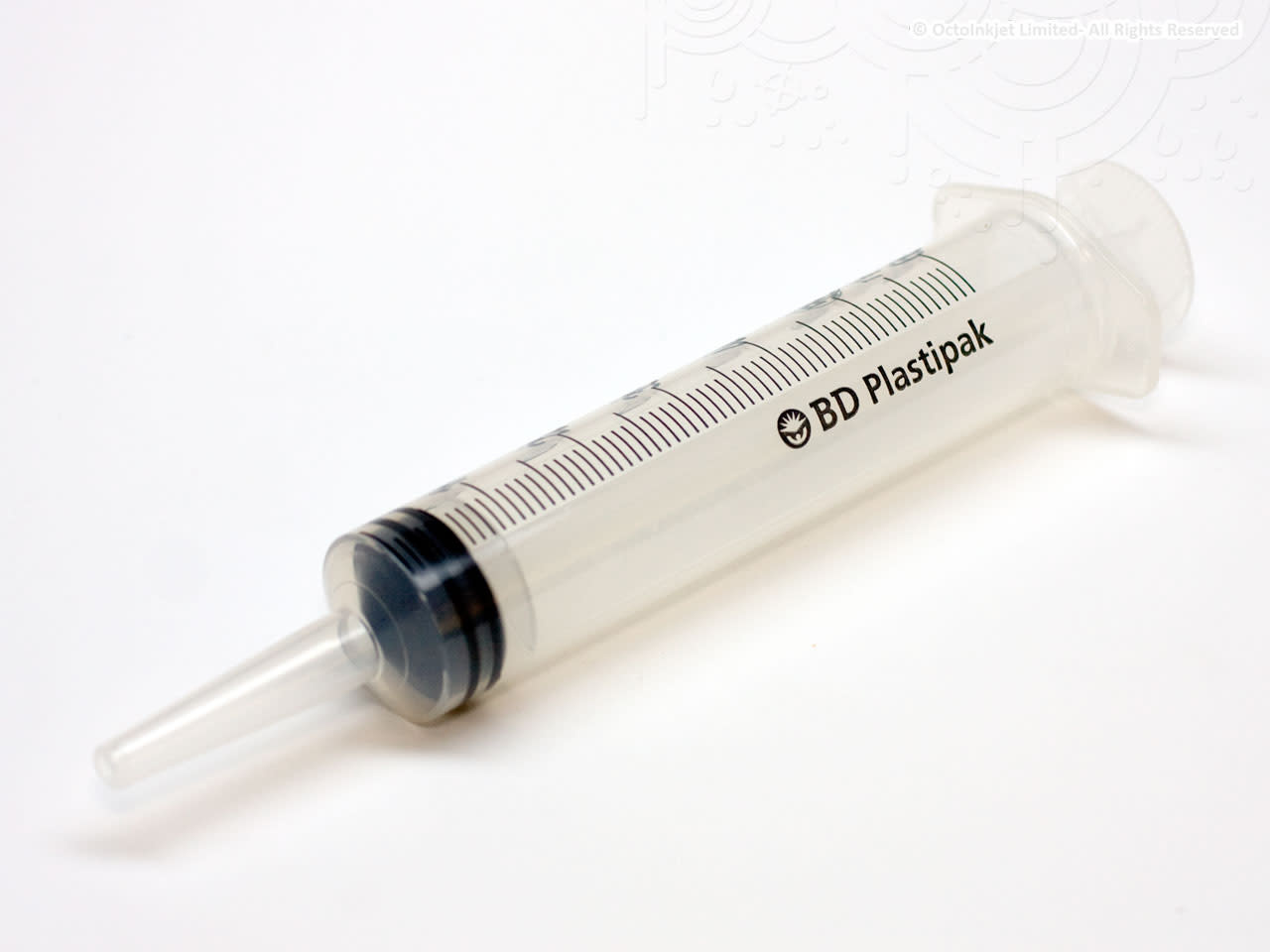
The catheter tip (also called slip tip or toomey tip) features a smooth, tapered design that creates friction-fit connections with catheter hubs, feeding tube ports, irrigation devices, and wound drainage systems—essential for equipment that lacks threaded Luer Lock or tapered Luer Slip connections. The 50 mL large-volume capacity reduces the number of syringe refills needed during irrigation procedures, wound cleansing, catheter flushing, or enteral feeding administration, improving workflow efficiency and reducing hand fatigue during extended procedures. This volume is ideal for delivering substantial fluid volumes required for urinary catheter irrigation (removing blood clots or debris), nasogastric tube flushing (maintaining patency), wound irrigation (cleansing large or deep wounds), ostomy care, and tracheostomy suctioning. The clear polypropylene barrel with bold graduation markings (typically 5 mL and 10 mL increments) ensures accurate fluid measurement for precise documentation and safe administration, while the smooth plunger action allows controlled fluid delivery without excessive force that could damage delicate tissues or dislodge catheters.
Key Features & Benefits
Key Features:
- 50 mL (50 cc) barrel capacity for large-volume irrigation and flushing
- Catheter tip (slip tip/toomey tip) with tapered, smooth design
- Friction-fit connection (not threaded like Luer Lock)
- Clear polypropylene barrel for fluid visualization
- Bold graduation markings (typically 5 mL major increments, 1 mL minor increments)
- Large, easy-to-grip barrel for single-handed or two-handed operation
- Smooth plunger action with consistent pressure delivery
- Latex-free construction for allergy safety
- DEHP-free materials for patient safety
- Sterile, individually wrapped in peel-open packaging
- Positive plunger stop prevents accidental plunger removal
- Single-use, disposable design
- Box of 40 syringes for clinical inventory management
- Manufactured by BD (trusted global medical device leader)
- Meets USP standards for accuracy and safety
Benefits:
- Large volume reduces refill frequency during procedures
- Catheter tip fits feeding tubes, catheters, and irrigation devices
- Secure friction-fit connection prevents disconnection during use
- Clear barrel allows visualization of aspirated contents or air bubbles
- Accurate markings support precise fluid measurement and documentation
- Smooth operation reduces hand fatigue during extended procedures
- Latex-free protects sensitive patients and healthcare workers
- Sterile packaging ensures infection control compliance
- Single-use design eliminates sterilization needs and cross-contamination risk
- Bulk packaging cost-effective for high-volume clinical use
- Trusted BD quality ensures consistent performance
- Versatile for multiple clinical applications
Clinical Applications
BD 50 mL catheter tip syringes are appropriate for:
✓ Urinary catheter irrigation (Foley catheter bladder irrigation) ✓ Urinary catheter flushing to maintain patency ✓ Nasogastric (NG) tube flushing before and after medication administration ✓ Gastrostomy tube (G-tube, PEG tube) flushing and medication delivery ✓ Jejunostomy tube (J-tube) flushing and feeding ✓ Enteral feeding administration via feeding tubes ✓ Wound irrigation and cleansing (surgical wounds, chronic wounds, burns) ✓ Tracheostomy care and suctioning catheter irrigation ✓ Colostomy/ileostomy irrigation ✓ Drainage tube flushing (surgical drains, chest tubes) ✓ Specimen collection from drainage systems ✓ Ear irrigation (cerumen removal) ✓ Oral suctioning (Yankauer suction) ✓ Endotracheal tube cuff inflation/deflation ✓ Medication preparation and reconstitution ✓ Laboratory specimen handling and aliquoting ✓ Veterinary care (large animal medication administration) ✓ Home healthcare tube feeding and catheter care
Usage & Application
Pre-Use Preparation:
- Verify clinical indication:
- Confirm irrigation or flushing is ordered or part of care protocol
- Review patient allergies (though syringe materials rarely cause reactions)
- Check for contraindications to procedure (e.g., bladder perforation risk for catheter irrigation)
- Gather supplies:
- BD 50 mL catheter tip syringe (verify package intact and not expired)
- Irrigation solution (sterile saline, water, or prescribed solution)
- Clean or sterile gloves (per procedure requirements)
- Absorbent pads or towels
- Collection basin (if needed)
- Alcohol swabs (for port cleaning)
- Additional supplies specific to procedure
- Hand hygiene:
- Wash hands thoroughly with soap and water for at least 20 seconds
- Or use alcohol-based hand sanitizer if hands not visibly soiled
- Don clean or sterile gloves as appropriate for procedure
- Inspect syringe package:
- Check sterile package for tears, punctures, or moisture
- Verify expiration date
- Discard if package integrity compromised
Opening Sterile Package:
- Peel-open technique:
- Grasp both sides of packaging at designated opening area
- Pull apart gently to expose sterile syringe
- Do not touch syringe tip or plunger end (maintains sterility)
- Remove syringe:
- Lift syringe by barrel, avoiding tip and plunger
- Set on clean field if not using immediately
Drawing Irrigation Solution:
- Prepare solution container:
- If using bottled solution: Wipe bottle opening with alcohol swab
- If using single-use vial/ampule: Open per manufacturer instructions
- Solution should be at room temperature unless otherwise indicated
- Insert catheter tip into solution:
- Remove any protective cap from catheter tip
- Insert tapered tip into solution container opening
- Catheter tip design allows direct insertion into most bottle openings
- Draw fluid:
- Pull plunger back slowly and steadily to desired volume
- Watch graduations to draw accurate amount (up to 50 mL)
- Air bubbles less critical for irrigation than for injections, but remove large bubbles if present
- Remove from solution:
- Lift syringe out of solution container
- Hold upright if any air bubbles present (tap to move to top)
Urinary Catheter Irrigation:
Indications: Blood clots, sediment, mucus plugging catheter; maintain patency; specimen collection
- Position patient:
- Supine or semi-recumbent position
- Expose catheter connection site
- Place absorbent pad under connection to catch spillage
- Prepare catheter:
- Clamp drainage tubing below Y-port (prevents irrigation fluid from draining immediately)
- Clean Y-port or catheter hub with alcohol swab (15-second scrub)
- Allow to air dry
- Connect syringe:
- Insert catheter tip into Y-port or catheter hub
- Push firmly to create secure friction-fit connection
- Do not force—if resistance, verify correct port and alignment
- Irrigate:
- Slowly inject 30-50 mL irrigation solution into catheter
- Use gentle, steady pressure—do NOT force (risk of bladder rupture or trauma)
- If significant resistance: Stop, assess for kinks or obstruction, never force
- Patient may feel pressure or urge to void (normal)
- Aspirate return:
- After injecting, pull back on plunger to aspirate fluid and debris
- May need to inject and aspirate several times to clear clot or obstruction
- Empty aspirated contents into collection basin
- Complete irrigation:
- Continue irrigation cycles until return is clear (or per order)
- Document volume in, volume out, character of return
- Disconnect and restore drainage:
- Remove syringe from port
- Unclamp drainage tubing to restore gravity drainage
- Ensure drainage bag below bladder level
Nasogastric/Gastrostomy Tube Flushing:
Purpose: Maintain tube patency, prevent clogging, administer medications, verify placement
- Position patient:
- Elevate head of bed 30-45 degrees (prevents aspiration)
- Ensure tube is properly secured
- Verify tube placement (NG tubes):
- Check external markings on tube (should be at marked position)
- Aspirate gastric contents and check pH (acidic = stomach)
- If uncertainty about placement, verify with X-ray before proceeding
- Prepare flush solution:
- Most common: 30-50 mL sterile water or normal saline
- Warm to room temperature (cold fluids can cause cramping)
- Draw into syringe
- Clean tube port:
- Wipe feeding tube port with alcohol swab
- Allow to dry
- Connect and flush:
- Remove cap from feeding tube port
- Insert catheter tip into port opening
- Push gently to create secure connection
- Slowly inject flush solution (over 1-2 minutes)
- Use gentle pressure—never force (indicates obstruction)
- For medication administration:
- Flush with 15-30 mL water before medication
- Administer medication diluted in water
- Flush with 30-50 mL water after medication (prevents tube clogging)
- Complete procedure:
- Remove syringe
- Recap or clamp tube port per protocol
- Return patient to comfortable position
Wound Irrigation:
Purpose: Remove debris, bacteria, exudate; promote healing; prepare wound bed
- Assess wound:
- Evaluate wound size, depth, drainage, signs of infection
- Determine irrigation pressure needed (gentle for fragile tissue; more forceful for debris removal)
- Position patient and protect surrounding area:
- Position to allow irrigation fluid runoff
- Place waterproof pads or towels to catch runoff
- Place collection basin adjacent to wound if possible
- Remove old dressing:
- Gently remove soiled dressing
- Discard in appropriate waste container
- Prepare irrigation solution:
- Most common: Sterile normal saline (0.9% sodium chloride)
- Warm to room temperature (comfortable for patient)
- Draw 50 mL into syringe
- Irrigate wound:
- Hold syringe 1-3 inches above wound bed
- Direct stream across wound surface
- Use gentle to moderate pressure (enough to loosen debris, not damage tissue)
- Irrigate from cleanest area to most contaminated
- For deep wounds: Direct tip into wound cavity, irrigate gently
- Refill and repeat:
- Continue irrigation until return fluid runs clear
- May require multiple 50 mL syringes for large or heavily contaminated wounds
- Pat dry and redress:
- Gently pat wound edges dry with sterile gauze
- Apply appropriate wound dressing per care plan
Tracheostomy Care - Suctioning Catheter Irrigation:
- Prepare suction catheter: Insert into tracheostomy and perform suctioning per protocol
- Irrigate catheter: Between suction passes or after completing suctioning, draw sterile saline into syringe
- Flush catheter: Insert catheter tip into suction catheter opening, flush with 5-10 mL saline to clear secretions from catheter lumen
- Repeat as needed: Keep suction catheter clear and patent throughout procedure
Enteral Feeding Administration:
- Verify tube placement: Check external markings, aspirate gastric contents, verify pH
- Prepare feeding: Draw prescribed volume of enteral feeding formula into syringe (up to 50 mL)
- Connect to feeding tube: Insert catheter tip into feeding tube port
- Administer feeding:
- Bolus method: Slowly push plunger to deliver feeding over 5-10 minutes (not too fast—causes cramping, nausea)
- Gravity method: Hold syringe upright, remove plunger, pour feeding into syringe barrel, allow to drain by gravity
- Monitor patient tolerance (nausea, vomiting, cramping)
- Flush after feeding: Administer 30-50 mL water flush after feeding to clear tube and maintain patency
Specimen Collection from Drainage Systems:
- Identify collection port: Locate needleless access port on drainage system
- Clean port: Wipe with alcohol swab, allow to dry
- Attach syringe: Insert catheter tip into port
- Aspirate specimen: Pull plunger back to collect required specimen volume
- Transfer to specimen container: Remove syringe from port, transfer aspirated fluid to sterile specimen container
- Label and send: Label specimen per facility protocol, send to laboratory
Post-Procedure Care:
- Dispose of syringe:
- Place entire syringe in appropriate waste container
- If syringe contacted blood or body fluids, dispose in biohazard waste
- If clean (irrigation solution only), may dispose in regular medical waste per facility protocol
- Do NOT attempt to reuse (syringes are single-use only)
- Remove gloves and perform hand hygiene
- Document procedure:
- Date and time
- Procedure performed (irrigation, flushing, feeding, specimen collection)
- Solution used and volume
- Character of return (clear, cloudy, bloody, debris)
- Patient tolerance
- Any complications or unusual findings
Troubleshooting:
Syringe tip won't fit into port/tube:
- Verify you have catheter tip syringe (not Luer tip)
- Catheter tips fit most feeding tubes, Foley catheter ports, irrigation devices
- Some devices require specific tip types—verify equipment compatibility
- Do not force—if won't fit, verify correct equipment
Excessive resistance when injecting:
- For catheters/tubes: May indicate blockage or kink
- Check for external kinks in tubing
- Attempt gentle aspiration to clear obstruction
- Never force—risk of rupture or dislodgement
- If unable to clear, notify provider
- For wounds: May be using too much pressure or directing tip against tissue
- Reduce pressure
- Redirect stream away from wound bed surface
Catheter tip disconnects during procedure:
- Catheter tips rely on friction fit (not threaded like Luer Lock)
- Ensure tip is fully inserted into port
- Push firmly to create secure connection
- Hold syringe and port together during injection
- Some older or worn devices may have loose ports—may need equipment replacement
Air bubbles in syringe:
- For irrigation/flushing: Small air bubbles not harmful (not injecting into bloodstream)
- Large air bubbles reduce accurate volume measurement
- If accuracy critical: Hold syringe upright, tap to move bubbles up, push plunger to expel air
Leaking at connection:
- Verify catheter tip is fully inserted into port
- Check that port/hub is not cracked or damaged
- Ensure you're using correct connection type
- May need to hold connection firmly during injection
Difficult to draw fluid into syringe:
- Check that tip is fully submerged in fluid
- Ensure no air leak at connection
- Pull plunger smoothly and steadily (not too fast)
- Viscous fluids (enteral formulas) draw more slowly—normal
Plunger sticks or moves roughly:
- BD syringes designed for smooth action—sticking is unusual
- May indicate storage in extreme temperatures
- May indicate manufacturing defect
- If plunger difficult to move, discard and use new syringe
Patient discomfort during irrigation:
- Reduce flow rate (inject more slowly)
- Ensure solution is room temperature (cold fluids cause cramping)
- Reduce injection pressure
- Allow patient to rest between irrigation cycles
- If severe pain, stop and assess (may indicate perforation or trauma)
Special Considerations:
Pediatric patients:
- Use smaller volumes appropriate for child's size
- Pediatric bladders hold less—reduce irrigation volumes for catheter irrigation
- Feeding tube flushes may only require 5-15 mL in infants/small children
- Be extra gentle—pediatric tissues more delicate
- Explain procedure in age-appropriate terms to reduce anxiety
Geriatric patients:
- May have fragile tissues—use gentle pressure
- Bladder capacity may be reduced—smaller irrigation volumes may be appropriate
- May have cognitive impairment—provide clear, simple instructions
- May have decreased sensation—monitor closely for complications
Home healthcare:
- Teach patients/caregivers proper technique
- Emphasize hand hygiene and clean technique
- Demonstrate syringe use, connection, and disposal
- Provide written instructions with pictures
- Ensure adequate supply of syringes and irrigation solution at home
- Arrange sharps disposal per local regulations
Patients with urinary retention/bladder distention:
- Avoid aggressive irrigation (risk of bladder rupture)
- Use gentle pressure only
- If catheter obstructed, may need replacement rather than irrigation
- Monitor for signs of bladder perforation (severe pain, hematuria, abdominal rigidity)
Immunocompromised patients:
- Strict aseptic technique critical
- Use sterile solutions only
- Change feeding tube systems per protocol to prevent bacterial colonization
- Monitor closely for infection signs
Patients with feeding tubes:
- Flush tube before and after each feeding or medication
- Use water for routine flushes (prevents formula buildup)
- Never use carbonated beverages or juice for flushing (causes clogging)
- Crush medications finely and dissolve before administering
- Give medications separately, flushing between each
- Flush immediately after feeding (don't let formula sit in tube)
Ostomy irrigation:
- Warm irrigation solution to body temperature (cold causes cramping)
- Use gentle pressure (colon can be irritated easily)
- Allow adequate time for return (15-30 minutes)
- Patient should be in comfortable position (usually sitting on toilet)
Infection Control:
- Always use sterile syringes for sterile procedures (catheter irrigation, wound care)
- Clean technique acceptable for some procedures (NG tube flushing) per facility protocol
- Never reuse syringes—single-use only
- Discard syringes immediately after use
- Do not set down used syringes on surfaces
- Use sterile irrigation solutions when required
- Clean ports with alcohol before accessing
Storage:
- Store at room temperature 15-30°C (59-86°F)
- Protect from extreme heat or freezing
- Keep in original packaging until use
- Store in clean, dry area
- Organize by expiration date—use FIFO (first in, first out) method
- Inspect packages before use—discard damaged packages
When NOT to Use Catheter Tip Syringes:
- Do NOT use for intravenous injection (requires Luer Lock/Slip with needle)
- Do NOT use for intramuscular or subcutaneous injection
- Do NOT use for blood sample collection requiring vacuum tubes
- Do NOT use for procedures requiring threaded Luer Lock connection
- Do NOT use if device requires different connection type
When to Contact Healthcare Provider:
- Unable to irrigate catheter despite proper technique (may need replacement)
- Hematuria (blood in urine) after catheter irrigation
- Signs of bladder perforation (severe abdominal pain, rigid abdomen, decreased urine output)
- Feeding tube won't flush despite proper technique
- Patient vomiting, distended abdomen after tube feeding
- Wound shows signs of infection after irrigation
- Patient develops fever, chills after any irrigation procedure
- Resistance encountered during any irrigation or flushing procedure
Comparison to Other Tip Types:
Catheter Tip vs. Luer Lock:
- Catheter tip: Friction-fit, tapered, for tubes/catheters/irrigation
- Luer Lock: Threaded, for secure needle attachment, IV medications
Catheter Tip vs. Luer Slip:
- Catheter tip: Wider, tapered, friction-fit for catheters and tubes
- Luer Slip: Narrower taper, friction-fit for needles and some IV connections
When to use each:
- Catheter tip: Feeding tubes, Foley catheters, wound irrigation, ostomy care
- Luer Lock: Medications requiring needle injection, high-pressure applications
- Luer Slip: General purpose, needle attachment when Luer Lock not required
Technical Specifications
Product Details:
- Manufacturer: BD (Becton, Dickinson and Company)
- Product Type: Catheter tip (slip tip/toomey tip) irrigation syringe
- Capacity: 50 mL (50 cc)
- Tip Type: Catheter tip (tapered, smooth, friction-fit design)
- Tip Diameter: Approximately 8-10mm at base, tapered to smaller diameter
- Connection Type: Friction-fit (not threaded)
- Barrel Material: Clear medical-grade polypropylene
- Plunger Material: Polypropylene with elastomeric seal
- Graduation Markings: Bold black printed graduations
- Major increments: Typically 5 mL and 10 mL
- Minor increments: Typically 1 mL or 2 mL
- Graduation accuracy: ±5% per USP standards
- Total Length: Approximately 155-165mm (varies slightly by manufacturer batch)
- Barrel Diameter: Large diameter for easy gripping and filling
- Plunger Type: Standard piston with positive stop (prevents accidental removal)
- Sterility: Sterile, individually packaged
- Sterilization Method: Ethylene oxide (EtO) or gamma radiation
- Latex Content: Latex-free (no natural rubber latex)
- DEHP Content: DEHP-free (no phthalate plasticizers)
- BPA-Free: Yes
- Packaging: Box of 40 individually wrapped sterile syringes
- Individual Packaging: Peel-open sterile wrapper (easy-tear design)
- Shelf Life: Typically 5 years from manufacture date (check individual packages)
- Expiration Dating: Printed on individual packages
- Intended Use: Irrigation, flushing, feeding administration, specimen collection (not for injection)
- Patient Population: All ages (adjust volumes appropriately)
- Regulatory Status: FDA-cleared medical device, Class II
- Standards Compliance: Meets USP Chapter <381> standards for elastomeric closures; ISO 7886-1 for sterile syringes