Why Natural Rubber with Open Toe for Class 3 Compression
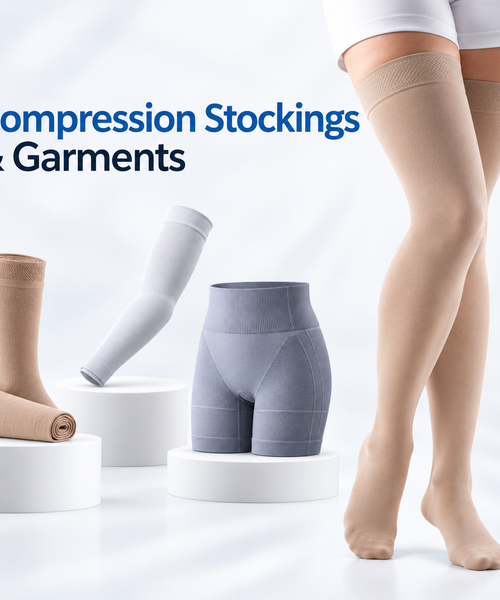
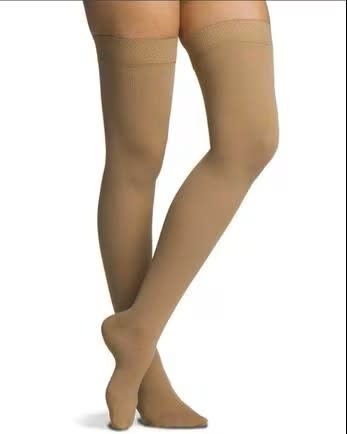
Natural rubber compression stockings with open-toe design combine exceptional therapeutic pressure delivery with practical patient benefits essential for managing severe venous conditions requiring 30–40 mmHg Class 3 compression. Natural rubber's inherent elastic properties provide superior containment force and durability compared to synthetic compression materials, maintaining consistent graduated pressure throughout extended wear periods and multiple washing cycles—critical for patients requiring long-term daily compression therapy. The open-toe construction serves multiple therapeutic purposes: enables foot circulation assessment without stocking removal, accommodates patients with toe deformities or sensitivity, provides temperature regulation during warm weather, allows sizing flexibility for varied foot lengths, and facilitates easier donning of extremely firm compression. Sigvaris 503N specifically engineers medical-grade natural rubber with silicone grip-top technology to prevent the downward migration that commonly occurs with thigh-high Class 3 compression during daily activities.
Key Features & Benefits
- Extra-firm 30–40 mmHg (Class 3) graduated compression for prescription-strength therapy
- Natural rubber construction provides exceptional durability and compression consistency
- Open-toe design improves ventilation, sizing flexibility, and toe inspection
- Silicone grip-top prevents slipping and rolling during daily activities
- Thigh-high length provides comprehensive coverage from forefoot to upper thigh
- Medium M4 sizing accommodates standard leg circumferences with full length
- Beige color offers neutral, professional appearance
- Unisex design suitable for both men and women
- Medical-grade knit maintains smooth, consistent pressure gradient
- Sigvaris premium quality ensures superior compression performance
Clinical Applications
Appropriate for patients with:
✓ Severe chronic venous insufficiency (CVI) with advanced symptoms ✓ Severe varicose veins with complications or significant edema ✓ Post-thrombotic syndrome following deep vein thrombosis (DVT) ✓ Significant leg and ankle edema requiring maximum compression ✓ Venous leg ulcers (active or healed) requiring Class 3 support ✓ Moderate to severe lymphedema under specialized medical supervision ✓ Post-surgical recovery after major vein procedures ✓ Failed response to lower compression levels (20–30 mmHg) ✓ Patients requiring open-toe for toe assessment or deformities
Important: 30–40 mmHg Class 3 compression REQUIRES physician prescription and professional fitting. Contains natural rubber latex—do not use if latex allergic. Contraindicated in severe arterial disease, acute DVT without anticoagulation, severe peripheral neuropathy, or untreated congestive heart failure.
Usage & Application - User Guidance
For Class 3 Natural Rubber Compression Under Physician Direction: This prescription-strength stocking requires physician authorization and professional fitting. Natural rubber compression with open-toe design demands proper application technique and medical supervision.
Understanding Class 3 Compression:
- Classification: 30–40 mmHg = Class 3 = Extra-firm = Prescription
- Highest standard level: Maximum therapeutic compression
- Physician prescription: MANDATORY for Class 3
- Professional fitting: REQUIRED for safety and effectiveness
- Medical supervision: Ongoing monitoring essential
Understanding Natural Rubber Construction:
- Material: Latex-based natural rubber (allergy consideration)
- Durability: Superior compression maintenance vs. synthetic fabrics
- Firmness: Very firm feel, less flexible than synthetic compression
- Consistency: Reliable therapeutic pressure throughout wear period
- Care requirements: Specific hand-washing protocols for rubber
- Longevity: Maintains Class 3 pressure longer than synthetic materials
Critical Latex Allergy Warning:
- Contains natural rubber latex
- DO NOT USE if latex allergy present
- Severe allergic reactions possible in latex-sensitive individuals
- Alternative synthetic Class 3 stockings available if allergic
- Consult provider about latex sensitivity before use
- Emergency response plan if reaction occurs
Understanding Open-Toe Design:
- Toes remain uncovered and exposed
- Improves air circulation around toes and forefoot
- Allows visual inspection of toe color and circulation
- Accommodates toe deformities (bunions, hammertoes, amputations)
- Provides sizing flexibility for varied foot lengths
- Easier application than closed-toe with Class 3 compression
- May require separate toe cover garment if needed
When Open-Toe is Preferred:
- Toe deformities requiring accommodation
- Need to monitor toe circulation and color
- Warm climate or heat sensitivity concerns
- Difficulty donning closed-toe Class 3 compression
- Foot length between standard sizing
- Personal preference for ventilation
- Provider recommendation based on condition
Understanding Medium M4 Sizing:
- "Medium" refers to calf and thigh circumference measurements
- "M4" indicates specific Sigvaris sizing designation
- "Full" length provides complete thigh-high coverage
- Unisex sizing accommodates both men and women
- Check Sigvaris sizing chart for exact measurements
- Professional fitter verifies appropriate size selection
- Re-fitting every 3–6 months or with body changes
Professional Fitting Requirements:
- MUST be fitted by certified compression specialist
- Multiple precise measurements required for M4 designation
- Ankle, calf, mid-thigh, upper thigh circumferences measured
- Leg length from bottom of foot to gluteal fold measured
- Open-toe stockings measure to base of toes
- Improper Class 3 fitting causes serious complications
- Certified fitter training essential for natural rubber compression
Medical Evaluation Before Use:
- Physician must rule out severe arterial disease
- Ankle-brachial index (ABI) testing typically required
- Vascular assessment ensures compression safety
- Latex allergy screening mandatory
- Diagnosis requiring Class 3 compression documented
- Prescription written with specific compression level and style
- Follow-up schedule established
Preparing to Apply Open-Toe Natural Rubber:
- Apply in morning before legs swell
- Skin must be completely clean and dry
- Remove all jewelry from leg and foot
- Have donning aids ready—essential for Class 3
- Rubber gloves MANDATORY for gripping rubber material
- Allow 15–20 minutes initially for application
- Consider professional donning instruction from fitter
Application Technique - Open-Toe Thigh-High:
- Gather stocking accordion-style from top to toe opening
- Insert foot through toe opening
- Position fabric under forefoot and around heel
- Natural rubber requires significant pulling force
- Work gradually up foot to ankle with steady pressure
- Continue up calf to knee area
- Stand to pull over knee to thigh
- Ensure silicone grip-top reaches proper thigh position
- Top band should sit 2–3 inches below gluteal fold
- Smooth all wrinkles thoroughly—extremely important
- Toes should be comfortable and uncovered
Silicone Grip-Top Management:
- Grip-top band contains silicone for adhesion to skin
- Position band flat against thigh without rolling
- Silicone should contact clean, dry skin for maximum grip
- Avoid lotions or oils on thigh before application
- Band prevents stocking from sliding down during activity
- Check periodically that band hasn't rolled or shifted
- Replace stocking when grip-top loses adhesion
Essential Donning Aids for Natural Rubber:
- Rubber household gloves: Provide critical grip on rubber fabric
- Metal/plastic donning frames: Assist with Class 3 application
- Open-toe sock aids: Specifically designed for open-toe compression
- Talcum powder: Light dusting inside helps sliding (use sparingly)
- Professional instruction: Request hands-on training from certified fitter
- Patience required: Class 3 natural rubber is extremely challenging
Checking Proper Fit:
- Should feel extremely firm but not unbearably painful
- Silicone grip-top secure without cutting into thigh tissue
- No bunching, rolling, or wrinkles anywhere
- Toes uncovered, comfortable, normal color and sensation
- Heel positioned properly in heel area
- Compression strongest at ankle, gradually decreases up leg
- Forefoot and toes maintain normal circulation
- Can tolerate for prescribed wear duration
Throughout the Day:
- Monitor continuously for circulatory compromise signs
- Check that silicone grip-top hasn't rolled or slipped
- Observe toe color and temperature regularly
- Smooth wrinkles as they develop
- Natural rubber maintains firm pressure without loosening
- Remove immediately if severe pain, numbness, discoloration
- Elevate legs when possible
Wear Duration:
- Typically 8–12 hours daily during waking hours
- Put on in morning, remove at bedtime
- Some conditions require extended wear—follow provider orders only
- Never exceed prescribed duration without authorization
- Do not sleep in unless specifically prescribed
- Consistency critical for managing severe venous disease
Removing Open-Toe Natural Rubber:
- Remove at end of day or as prescribed
- Peel silicone grip-top down carefully
- Work down leg slowly—rubber adheres firmly to skin
- Turn inside out or gather as removing
- Takes several minutes—do not rush removal
- Inspect leg and toes carefully after removal
- Check for pressure marks, skin changes, circulation
Caring for Natural Rubber Compression:
- Hand wash ONLY in lukewarm water
- Use mild soap—no harsh detergents or chemicals
- Rinse thoroughly to remove all soap residue
- Press water out gently—NEVER wring
- Air dry flat away from direct heat or sunlight
- NEVER machine wash or machine dry
- NEVER use bleach, fabric softeners, or petroleum products
- Natural rubber requires gentle care for longevity
Natural Rubber Specific Care:
- Rubber degrades rapidly with heat exposure
- Direct sunlight damages rubber elasticity permanently
- Store in cool, dry, dark location between uses
- Avoid contact with petroleum-based lotions or oils
- Inspect regularly for rubber deterioration or cracking
- Replace when elasticity diminishes or material shows wear
- Typically lasts 4–6 months with proper daily care
- Have two pairs for alternating during washing/drying
Managing Class 3 Challenges:
- Extremely difficult application: Use all donning aids, seek professional help
- Severe initial discomfort: Build up wear time gradually under supervision
- Silicone band irritation: Ensure proper size, check band condition
- Cannot tolerate: Consult provider immediately—may need alternative
- Skin breakdown under band: See provider urgently
- Latex reaction: Discontinue immediately and contact provider
Open-Toe Specific Considerations:
- Toes cold in winter: Consider wearing regular socks over open-toe stocking
- Debris entering toe opening: Wear shoes/slippers to protect
- Need toe compression: Separate toe cap garment available if required
- Toe circulation assessment: Check color, warmth, sensation regularly
- Footwear selection: May need different shoes than with closed-toe
Signs Requiring Immediate Removal:
- Severe pain, cramping, or burning sensation
- Complete numbness or total loss of feeling
- Toe or skin color changes (blue, purple, white, gray)
- Extreme coldness in toes or foot
- Loss of pedal pulse
- Increased swelling rather than decreased
- Severe skin reaction or breakdown
- Any indication of circulatory compromise
Monitoring Treatment Effectiveness:
- Track progressive reduction in leg circumference
- Document improvement in edema and swelling
- Note decrease in pain, heaviness, discomfort
- Monitor venous ulcer healing if present
- Record skin condition improvements
- Measure increase in activity tolerance
- Report all progress at follow-up appointments
Regular Medical Follow-Up:
- Provider appointments every 3–6 months minimum
- More frequent if active ulcers or complications
- Regular assessment of compression level appropriateness
- Periodic arterial status monitoring for safety
- Sizing verification and adjustment at each visit
- Prescription renewal as medically necessary
- Comprehensive ongoing condition management
When to Contact Physician Immediately:
- Severe pain, numbness, or circulation problems during wear
- Signs of infection (redness, warmth, fever)
- Skin breakdown, ulceration, or tissue damage
- Sudden significant increase in swelling despite compression
- Signs of new blood clot (sudden pain, swelling, warmth)
- Suspected latex allergic reaction
- Unable to tolerate despite proper fit
- Any serious safety concerns
Product Specifications
- Brand: Sigvaris (premium medical compression)
- Model: 503N
- Compression Level: 30–40 mmHg (Class 3, extra-firm, graduated)
- Classification: Prescription medical device
- Style: Thigh-High with Silicone Grip-Top
- Length: Full (complete thigh coverage)
- Toe Style: Open Toe
- Size: Medium (M4 designation)
- Gender: Unisex (men and women)
- Color: Beige
- Material: Natural rubber blend (latex-based)
- Latex: Contains natural rubber latex
- Top Band: Silicone grip-top for secure positioning
- Prescription: REQUIRED by physician
- Professional Fitting: MANDATORY for safety
- Best For: Severe venous conditions requiring open-toe access
- Wear Time: 8–12 hours daily or as prescribed
- Care: Hand wash only, air dry
- Replacement: Every 4–6 months
- Medical Supervision: Ongoing required