Slideshow Items

  • Mobility Accessories
  • mobility/mobility-accessories
  • Mobility
  • mobility
PRB - Probasics

  |  

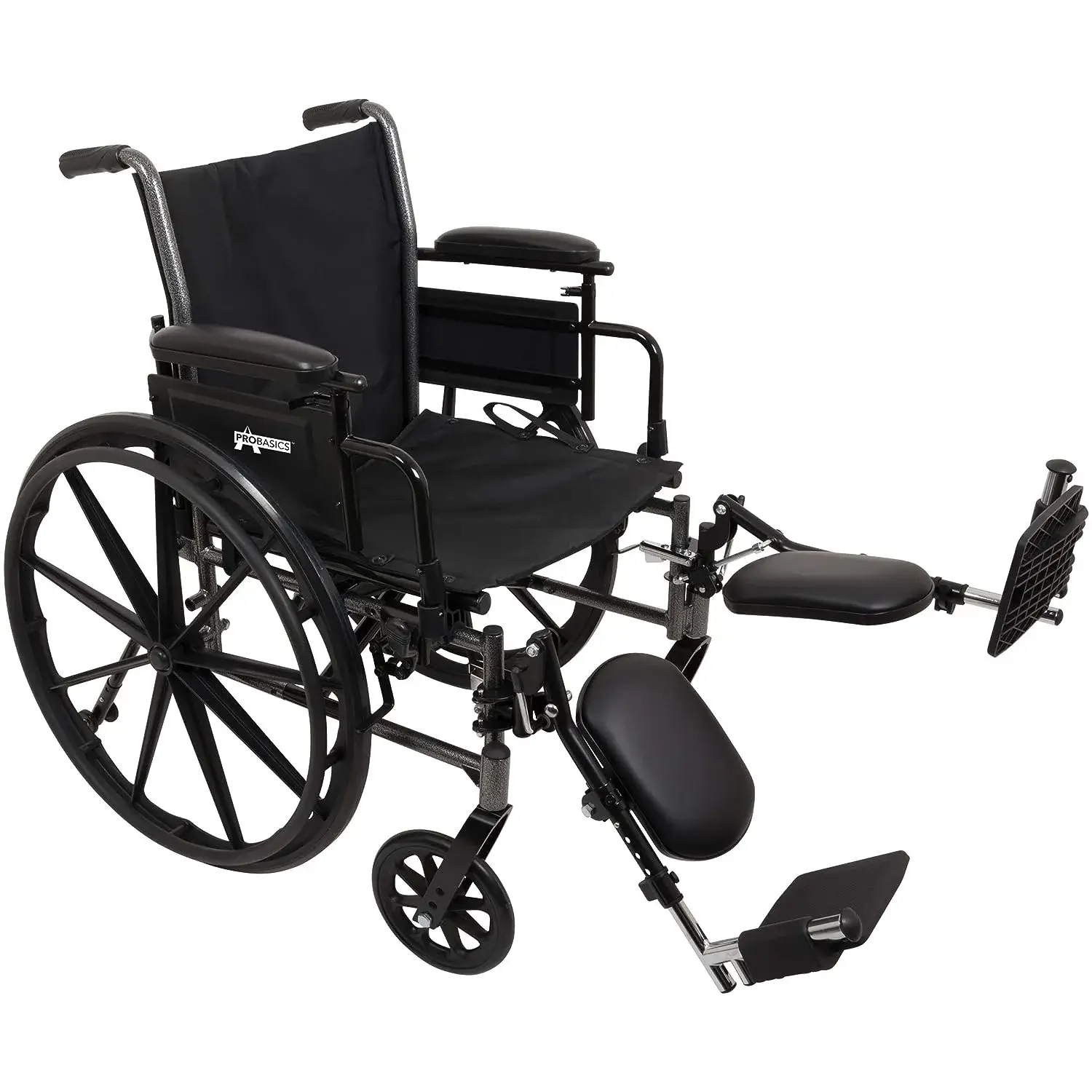
Probasics K3 Swing Away Elevated Leg w/Calf Pad 1 Pair

C$80.00
Out of stock online
In store: Check availability

Available in store

SKU: ELR-B

Swing-away elevating legrests with cushioned calf pads deliver adjustable angle positioning for lower extremity edema and post-operative recovery while tool-free installation across K3 wheelchair series 16-20 inch seats ensures uniform fit.

    • Why Elevating Legrests with Calf Pads

      Lower extremity elevation represents a cornerstone of edema management, post-surgical recovery, and venous insufficiency treatment—yet standard wheelchair footrests position feet at 90° below the heart, actually promoting dependent swelling through gravitational pooling. Elevating legrests counteract this physiological disadvantage by raising the lower legs above heart level (when wheelchair back reclines) or at minimum parallel to the floor, facilitating venous return and lymphatic drainage that reduces swelling by 40-60% within 2-4 hours of elevation. The cushioned calf pads distinguish these legrests from basic elevating models by distributing leg weight across the posterior calf muscle belly rather than concentrating pressure on the Achilles tendon or heel—the hard footplate edge on standard elevating rests creates painful pressure points during prolonged elevation, limiting compliance. This combination of elevation capability and padded support enables extended positioning periods essential for clinical effectiveness: cardiac patients requiring prolonged rest, orthopedic post-ops managing surgical swelling, diabetics preventing dependent edema that impairs wound healing, and chronic venous insufficiency patients maintaining therapeutic leg elevation throughout their day.

      Key Features

      • Pair of swing-away elevating legrests (left and right) for K3-series wheelchairs
      • Cushioned calf pads with padded vinyl covering for comfortable leg support
      • Adjustable elevation angles from horizontal to approximately 45-60° above horizontal
      • Tool-free swing-away mechanism for unobstructed lateral transfers
      • Quick-release mounting brackets compatible with K3 wheelchair receiver tubes
      • Locking positions at multiple elevation angles (typically 3-5 preset positions)
      • Compatible with K3 wheelchair seat widths: 16", 18", 20"
      • Maintains wheelchair folding capability when legrests are swung to side position
      • Durable steel construction with powder-coated finish
      • Padded calf support surface approximately 10-12 inches long
      • Adjustable calf pad height to accommodate varying lower leg lengths
      • Heel strap or retainer prevents foot from sliding off elevated pad

      Benefits

      • Edema Reduction: Elevation above heart level reduces lower extremity swelling by 40-60% through improved venous return
      • Post-Surgical Recovery: Essential for orthopedic procedures (knee, hip, ankle) requiring leg elevation protocols
      • Comfort During Elevation: Cushioned calf pads distribute weight across muscle belly vs. hard footplate pressure on Achilles tendon
      • Transfer Safety: Swing-away design removes barrier during lateral transfers to bed, commode, car
      • Clinical Compliance: Comfortable positioning increases patient adherence to elevation therapy protocols
      • Pressure Ulcer Prevention: Reduces heel pressure that causes pressure injuries during prolonged sitting
      • Venous Insufficiency Management: Therapeutic positioning for chronic venous disease and lymphedema
      • Cardiac Support: Facilitates leg elevation for congestive heart failure patients reducing peripheral edema
      • Universal Compatibility: Fits multiple K3 seat widths (16-20") without separate models
      • Easy Upgrade: Converts standard K3 wheelchair to therapeutic positioning capability without replacing entire chair

      Clinical Applications

      ✓ Post-operative orthopedic recovery (knee replacement, hip surgery, ankle procedures)
      ✓ Lower extremity edema management from cardiac, renal, or hepatic conditions
      ✓ Chronic venous insufficiency requiring therapeutic leg elevation
      ✓ Lymphedema treatment protocols necessitating extended elevation periods
      ✓ Congestive heart failure patients with dependent peripheral edema
      ✓ Diabetic patients preventing lower extremity swelling that impairs wound healing
      ✓ Deep vein thrombosis prevention in immobile patients
      ✓ Post-trauma swelling management (fractures, soft tissue injuries)
      ✓ Dialysis patients managing fluid overload between treatments
      ✓ Pregnancy-related lower extremity edema
      ✓ Prolonged sitting situations requiring periodic leg elevation
      ✓ Pressure ulcer prevention protocols targeting heel protection

      Usage & Application

      Determining Need for Elevating Legrests:

      1. Clinical Indications: Physician orders elevation therapy for edema, post-surgical protocols, or venous insufficiency management
      2. Functional Assessment: User spends 4+ hours daily in wheelchair and requires therapeutic leg elevation
      3. Transfer Evaluation: User performs or receives lateral transfers and needs swing-away capability
      4. Comfort Requirements: User experiences discomfort from prolonged footrest use during elevation attempts
      5. Insurance Documentation: Many insurers cover elevating legrests with medical necessity documentation (ICD-10 codes for edema, venous insufficiency, post-surgical status)

      Installation on K3 Wheelchair:

      1. Remove Existing Footrests: Depress release button on current K3 footrests while pulling outward to disengage from frame receiver tubes
      2. Identify Left/Right: Elevating legrests are sided—verify "L" or "R" markings before installation
      3. Align Mounting Bracket: Position legrest mounting bracket with wheelchair frame receiver tube (typically located on front lower frame just above caster housing)
      4. Insert and Lock: Push mounting bracket firmly into receiver tube until you hear/feel click indicating full engagement
      5. Test Swing Mechanism: Swing legrest outward 90° from center position—should move smoothly without binding
      6. Verify Security: Attempt to pull legrest straight out from frame—properly installed legrest should not release without depressing release button
      7. Repeat for Second Side: Install opposite legrest using same procedure

      Adjusting Calf Pad Height:

      1. Initial Positioning: With user seated in wheelchair, position legrests in horizontal position
      2. Leg Measurement: Measure from back of user's knee (popliteal crease) to bottom of heel while seated
      3. Calf Pad Adjustment: Most models have adjustment mechanism (bolt or pin) allowing calf pad to slide up/down legrest shaft
      4. Optimal Position: Calf pad should support middle of calf muscle belly, approximately 4-6 inches below back of knee
      5. Avoid Pressure Points: Ensure pad does not press into back of knee (causes nerve compression) or rest only on Achilles tendon (painful pressure point)
      6. Tighten Hardware: Once proper height achieved, tighten adjustment bolt securely to prevent slipping during use

      Setting Elevation Angle:

      1. Locking Positions: Most elevating legrests have 3-5 preset locking angles marked by notches or detents
      2. Angle Selection: Lift legrest by grasping calf pad or support bar and raise to desired angle
      3. Position Click: Continue lifting until you hear/feel click indicating lock engagement at preset position
      4. Common Angles:
        • Horizontal (0°): Standard footrest replacement position for transfers or regular sitting
        • Low Elevation (15-20°): Mild swelling, comfort positioning
        • Medium Elevation (30-40°): Moderate edema management, post-operative protocols
        • High Elevation (45-60°): Maximum therapeutic elevation for severe swelling
      5. Lowering Legrests: Lift slightly upward to disengage lock, then control descent to desired lower position

      Optimal Therapeutic Positioning:

      • For Maximum Edema Reduction: Elevate legs to highest position while simultaneously reclining wheelchair back 15-30°—this positions feet above heart level
      • Post-Surgical Protocols: Follow surgeon's specific elevation instructions (typically 30-45° elevation for 15-20 minutes every 2 hours)
      • Venous Insufficiency: Maintain legs at 30° elevation for 30-60 minute periods, 3-4 times daily
      • Cardiac Edema: Elevate to highest tolerable position; monitor for shortness of breath (elevation may worsen in severe CHF)

      Transfer Protocol with Elevating Legrests:

      1. Lower to Horizontal: Before any transfer, lower legrests to horizontal or near-horizontal position
      2. Swing Away: Depress release lever and swing legrest outward 90° perpendicular to wheelchair
      3. Clear Transfer Path: Ensure legrest is completely clear of transfer space—should not contact bed, car seat, or other surface
      4. Engage Wheel Locks: Always lock wheels before initiating transfer
      5. After Transfer: Swing legrests back to center position—should click into locked forward position
      6. Re-Elevate: Once user settled, elevate legs to prescribed therapeutic angle

      Daily Use Best Practices:

      • Gradual Elevation: Raise legs slowly over 30-60 seconds, especially for users with orthostatic issues or pain
      • Periodic Position Changes: Avoid maintaining single elevation angle for more than 2 hours—alternate between positions to prevent stiffness
      • Monitor Circulation: Check foot color and temperature every 1-2 hours during elevation—excessive elevation can impair arterial flow in peripheral artery disease
      • Heel Protection: Even with calf pads, verify heel is not resting on hard surface; add heel protection cushion if needed
      • Clothing Accommodation: Loose pants or skirts work best; tight clothing behind knee during elevation can impair circulation

      Maintenance & Inspection:

      • Weekly: Inspect calf pad vinyl covering for tears, cracks, or excessive wear; check padding compression
      • Weekly: Test swing-away mechanism—should move smoothly without binding; lubricate pivot points if stiff
      • Monthly: Verify locking mechanism engages securely at all preset angles; tighten any loose adjustment bolts
      • Monthly: Check mounting bracket security in wheelchair receiver tube—legrest should not wobble or feel loose
      • Quarterly: Inspect steel frame for cracks, bends, or corrosion; verify welds are intact
      • Cleaning: Wipe vinyl pads with damp cloth and mild detergent; dry thoroughly to prevent mildew

      Troubleshooting Common Issues:

      • Legrest Won't Lock at Elevation Angles: Locking mechanism may be dirty or damaged; clean pivot area, apply lubricant; if problem persists, replace legrest
      • Calf Pad Slides Down During Use: Adjustment bolt not tightened sufficiently; tighten securely using appropriate wrench
      • Legrest Swings Outward Unexpectedly: Release button may be stuck in depressed position or spring damaged; check mechanism, replace if necessary
      • User Complaints of Calf Pain: Pad may be positioned too low (on Achilles) or too high (behind knee); readjust to middle of calf muscle belly
      • Legrest Interferes with Wheelchair Folding: When folding chair, swing legrests to side position perpendicular to frame before collapsing
      • Feet Slide Off Elevated Pads: Install heel straps or foot retention devices; ensure calf pad angle matches lower leg angle

      Clinical Documentation for Justification:

      • Medical Necessity: Document diagnosis requiring elevation (CHF, venous insufficiency, lymphedema, post-operative status)
      • Treatment Plan: Note frequency and duration of elevation therapy prescribed by physician
      • Functional Impact: Describe how standard footrests fail to accommodate therapeutic positioning
      • Expected Outcomes: Quantify anticipated edema reduction, healing improvement, or symptom relief
      • ICD-10 Codes: Common codes supporting medical necessity include I87.2 (venous insufficiency), I50.9 (heart failure), R60.0 (localized edema), Z48.89 (post-surgical care)

      Insurance Coverage Considerations:

      • Most Medicare and private insurers cover elevating legrests as wheelchair accessories with documented medical necessity
      • HCPCS code K0195 often applies to elevating legrests
      • Prior authorization may be required; submit clinical documentation with wheelchair prescription
      • Rental vs. purchase options vary by insurer—discuss with DME supplier

      Technical Specifications

      • Product Type: Elevating Legrests with Cushioned Calf Pads (Pair - Left and Right)
      • Compatibility: ProBasics K3 Lightweight Wheelchair Series (all models)
      • Seat Width Compatibility: 16 inches, 18 inches, 20 inches
      • Installation Type: Tool-free quick-release mounting brackets
      • Mounting Method: Insert into standard K3 wheelchair receiver tubes on front frame
      • Swing-Away Range: 90° from center (perpendicular to wheelchair for transfers)
      • Elevation Range: Horizontal (0°) to approximately 45-60° above horizontal
      • Locking Positions: Typically 3-5 preset angle positions (varies by model)
      • Calf Pad Dimensions: Approximately 10-12 inches long x 4-5 inches wide
      • Calf Pad Material: Cushioned foam core with padded vinyl covering
      • Calf Pad Adjustment: Height-adjustable along legrest shaft (typically 3-4 inch range)
      • Frame Material: Heavy-duty steel construction with reinforced support brackets
      • Frame Finish: Powder-coated (typically black or silver-vein to match K3 wheelchair)
      • Heel Retention: Includes heel strap or retaining device to prevent foot sliding
      • Weight per Pair: Approximately 8-12 lbs (heavier than standard swing-away footrests)
      • Weight Capacity: Designed for 300 lb wheelchair weight capacity
      • Folding Compatibility: Maintains K3 wheelchair folding capability when swung to side
      • Package Contents: Left legrest, right legrest, mounting hardware, installation instructions
      • Adjustment Tools Required: Basic Allen wrench or wrench for calf pad height adjustment (not for routine use)
      • Warranty: Typically 1 year on frame, 90 days on pads and upholstery (verify with supplier)
      • HCPCS Code: K0195 (Elevating Legrests, Pair)
      • Standards Compliance: RESNA wheelchair accessory safety standards
      • Color Options: Black vinyl pads standard (gray may be available)
      • Replacement Parts: Calf pad cushions available separately for replacement when worn
    • No reviews yet

      Add yours

    Testimonials from Google

    See all reviews

    Your cart — 0

    You cart is currently empty

    Login