
Slideshow Items

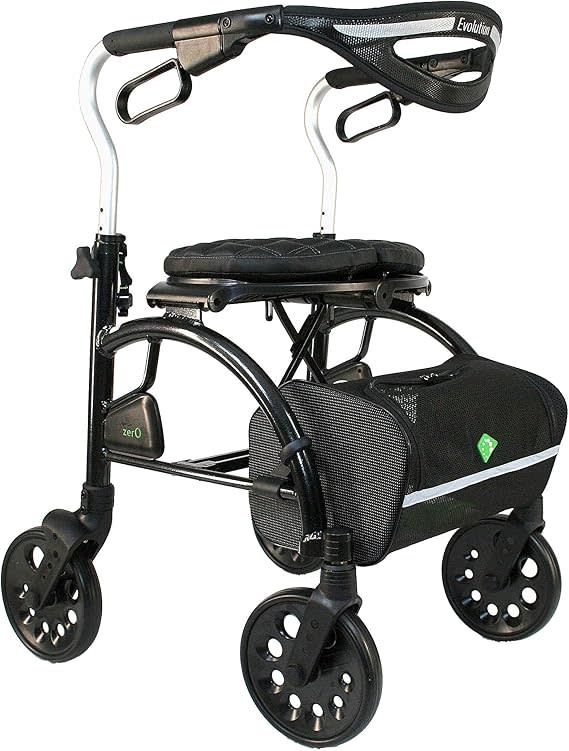
The rigid plastic seat base with OEM B07 specification restores structural support for Xpresso Mini, Regular, and Tall models while correct geometry preservation maintains folding function and accepts standard rubber seat pad compatibility.
Loading…
The seat base represents a critical structural component in rollator design, serving functions far beyond simple cushion support that many users initially appreciate. This rigid plastic tray forms the foundation of the rollator's seating system, transferring user weight from the cushion surface through mounting points into the rollator's frame structure. When users sit on a rollator, their body weight—ranging from 100-300 lbs depending on individual size—concentrates on the relatively small seating surface, creating significant stress on the seat base that must distribute these forces across multiple frame attachment points to prevent localized failure. The seat base also serves essential geometric functions in side-folding rollators: during folding operations, the seat base acts as a structural cross-member that maintains proper spacing between left and right frame sides, and many designs incorporate seat-locking mechanisms that prevent accidental folding while users are seated. When seat bases crack, warp, or fail, the consequences extend beyond simple discomfort—structural failure can allow the rollator to collapse unexpectedly during use, creating catastrophic fall risks for users who depend on the seat for rest breaks during ambulation. Cracked bases create sharp edges that can damage seat cushions, tear clothing, or cause skin injuries. Warped bases alter seating geometry, creating uneven weight distribution that makes the rollator unstable or causes the seat to tilt, increasing fall risk when users attempt to sit or stand. Generic aftermarket seat bases from non-OEM manufacturers often use incorrect dimensions, mounting hole positions, or material thickness that prevents proper installation, interferes with folding mechanisms, or lacks structural strength required for safe use. The Xpresso-specific OEM seat base (Part B07/SB/XR) maintains exact dimensional specifications established during original product engineering and testing, ensuring proper fit with frame mounting points, correct clearances for folding operation, and appropriate material properties (plastic formulation, thickness, reinforcement patterns) that provide required strength without excessive weight. The availability across Xpresso Mini, Regular, and Tall variants recognizes that these models use size-specific seat base dimensions—attempting to use incorrect size creates dangerous misfit situations where mounting holes don't align, the base extends beyond frame boundaries creating snagging hazards, or insufficient coverage leaves frame exposure points that can damage cushions or pinch skin. For institutional equipment managers maintaining rollator fleets, availability of OEM replacement seat bases enables cost-effective repair of otherwise functional rollators where only the seat base has failed—replacing a $15-30 seat base extends rollator service life 2-5 additional years versus $200-400 cost of complete rollator replacement, representing 90-95% cost savings while maintaining equipment safety and user confidence.
✓ Institutional rollator fleet maintenance replacing failed components before catastrophic failure
✓ Medical equipment rental programs refurbishing returned equipment for next patient assignment
✓ Home health agency loaner equipment programs maintaining safety standards across equipment inventory
✓ Rehabilitation facility equipment management extending capital equipment service life
✓ Senior living community maintenance programs serving resident-owned or facility-provided rollators
✓ Individual long-term rollator users experiencing seat base failure after years of daily use
✓ Emergency repair situations where users depend on rollators for essential mobility and cannot afford downtime
✓ Preventive replacement programs for equipment showing early signs of stress (hairline cracks, minor warping)
✓ Equipment donation programs preparing used rollators for redistribution to underserved populations
✓ Post-accident repair where rollators sustained impact damage affecting seat base but not frame structure
Diagnosis and Compatibility Verification: Before ordering replacement seat bases, conduct thorough assessment to confirm the seat base is the failed component requiring replacement and that frame structure remains serviceable. Inspect the existing seat base for visible cracks (particularly around mounting hole perimeters and high-stress areas under seated loading points), warping (base no longer sits flat on frame or shows bowing/twisting), or complete breakage. Verify that the rollator frame itself remains structurally sound with no bends, cracks, or damaged mounting points—replacing the seat base on a compromised frame creates continuing safety hazards. Locate the rollator's model identification, typically found on a label or stamped into the frame—Xpresso models should clearly indicate "Xpresso Mini," "Xpresso Regular," or "Xpresso Tall." Record the serial number if visible, as this enables Evolution Walkers or dealers to confirm the exact production batch and any running changes in specifications. If model information is unclear, measure the existing seat base dimensions and compare to specifications (Mini typically 8-10 inches width, Regular 11-13 inches, Tall 12-14 inches—exact dimensions vary). Contact Evolution Walkers customer service or authorized dealers with model and serial information to confirm the B07/SB/XR part will fit your specific rollator—while this part number covers the Xpresso series, production variations or international models may have specific requirements.
Removal of Failed Seat Base: Begin removal by positioning the rollator on a stable work surface with adequate lighting and tool access. Remove the seat cushion from the existing base—most Xpresso seat cushions attach via pressure fit into the base perimeter or may use hook-and-loop fasteners on some models. Set the cushion aside in a clean location for reinstallation after base replacement. With the base exposed, locate the mounting hardware connecting the seat base to the rollator frame—typically 4-6 bolts, screws, or rivets positioned around the base perimeter. Xpresso models commonly use Phillips-head screws or hex-head bolts in 8mm, 10mm, or similar sizes. Select appropriate screwdriver or wrench/socket that fits fasteners precisely—using incorrect size tools can strip fastener heads, complicating removal. Support the seat base from below with one hand while removing fasteners to prevent the base from suddenly dropping when the final fastener releases. Remove fasteners systematically, working around the perimeter rather than removing all fasteners from one side first (which can bind remaining fasteners as the base shifts). Once all fasteners are removed, lift the failed seat base away from the frame. Inspect the mounting holes in the frame for damage—elongated holes, cracked frame material, or stripped threads indicate frame damage requiring professional repair before seat base replacement. Clean the mounting area thoroughly, removing any dirt, rubber residue, or debris that accumulated under the old base.
Installation of New OEM Seat Base: Unpack the new B07/SB/XR seat base and inspect for shipping damage or manufacturing defects—the base should be flat (no warping), free of cracks, and have clean, properly-formed mounting holes. Compare the new base to the failed base to verify dimensional match—length, width, mounting hole positions, and any integrated features (clips, locks, reinforcement ribs) should correspond. Position the new seat base on the rollator frame, aligning mounting holes in the base with corresponding holes in the frame structure. The base orientation matters—verify that any asymmetric features (shape variations, integrated mechanisms) align correctly with front/back and left/right frame orientation. Some seat bases have front/back markings or obvious directional cues; if unclear, reference the failed base's orientation before removal. Insert fasteners through base mounting holes into frame holes, hand-threading each fastener several turns before tightening any fully—this technique ensures all holes align properly before creating binding tension. Once all fasteners are started, tighten them gradually in a star or cross pattern (similar to wheel lug nut tightening) rather than fully tightening one fastener before moving to the next. This cross-pattern tightening distributes clamping force evenly, preventing base warping from uneven fastener tension. Tighten to firm snugness—overtightening can crack plastic bases or strip fasteners, while under-tightening allows movement and accelerates wear.
Seat Cushion Reinstallation and Functional Verification: After securing the new seat base, reinstall the Xpresso seat cushion (if reusing existing cushion) or install a new cushion if the old one was damaged by the failed base or is worn from extended use. If ordering new cushion, specify Part B07XPR compatible with Xpresso models. The cushion typically presses into a perimeter channel or lip molded into the seat base edges—firm pressure around the entire cushion perimeter should seat it securely. Some models use hook-and-loop attachment; if present, ensure the fastener surfaces on both cushion and base are clean and engage properly. After cushion installation, conduct comprehensive functional testing before returning the rollator to service. Test the folding mechanism by engaging the fold release and bringing the two frame sides together—the rollator should fold smoothly without binding, unusual resistance, or contact between the new seat base and other frame components. When fully folded, verify that the seat base doesn't prevent complete folding or create interference that could damage the base or frame. Unfold the rollator and verify it locks in the extended position. If your Xpresso model includes a seat lock mechanism (prevents folding while seated), test its function—sitting on the seat should engage the lock, and the rollator should resist folding attempts while weight is on the seat. Stand up and verify the lock releases. Load test the seat by having the intended user (or someone of similar weight) sit on the seat while the rollator is on level ground with brakes engaged—the seat should feel solid with no flex, creaking, or instability. If any functional issues arise, recheck fastener tightness and base alignment.
Institutional Fleet Maintenance Integration: For clinics, hospitals, rental companies, and senior living communities maintaining multiple rollators, integrate seat base inspection and replacement into systematic preventive maintenance programs. Establish inspection schedules based on usage intensity: high-volume rental fleets should inspect seat bases monthly, moderate-use institutional equipment quarterly, and low-use backup equipment annually. Train maintenance staff on visual inspection criteria: hairline cracks around mounting holes or stress points, surface warping visible when base is unloaded (view from side to see if base bows up or down), discoloration or material changes indicating stress (whitening in dark plastic from crazing), and any flex or movement between base and frame under hand pressure. Implement replacement criteria—don't wait for complete failure: replace bases showing any cracks regardless of size, bases with warping exceeding 1/8 inch deviation from flat, or bases exhibiting loose mounting despite tight fasteners (indicates enlarged holes or stripped frame threads). Maintain inventory of replacement seat bases sized appropriately for your rollator fleet composition—if your facility has 60% Regular, 30% Tall, and 10% Mini Xpresso rollators, stock bases in similar proportions plus 20% buffer. Document all seat base replacements in equipment maintenance logs, noting rollator serial number, replacement date, and condition of removed base—this data identifies equipment with recurring problems suggesting underlying frame issues or usage patterns causing accelerated wear.
Material Considerations and Service Life Expectations: The rigid plastic seat base material, while engineered for durability, experiences degradation over time from multiple factors including UV exposure (outdoor use or storage), temperature cycling (seasonal outdoor use, vehicle transport), chemical exposure (cleaning agents, personal care products, environmental pollutants), and mechanical fatigue (repeated loading cycles during sitting/standing). Typical seat base service life ranges from 2-5 years with daily use, though this varies dramatically based on user weight (heavier users accelerate wear), frequency of use (users sitting frequently wear bases faster than those primarily using rollators for walking support), environmental conditions (outdoor use in sunlight accelerates degradation), and care practices (harsh cleaning chemicals damage plastic). Users can extend seat base life by: avoiding leaving rollators in direct sunlight when not in use (UV accelerates plastic breakdown), cleaning with mild soap and water rather than harsh solvents (acetone, alcohol, bleach can chemically attack plastics), inspecting regularly for early signs of stress enabling replacement before complete failure, and ensuring user weight remains within rollator capacity (overloading accelerates structural failure). For individual users noticing increased seat flex or minor surface changes even without visible cracks, consider proactive replacement rather than waiting for failure—catastrophic base failure during sitting creates fall risk with potential injury consequences far exceeding the cost of preventive replacement.
Troubleshooting Installation and Fit Issues: If difficulty arises during seat base installation, systematically address potential causes rather than forcing installation that could damage components. If mounting holes don't align: verify correct size base for your Xpresso model (Mini/Regular/Tall), confirm base orientation (front/back, left/right), check for damaged or bent frame mounting brackets that have shifted hole positions, and consider that some early production models may have slight variations (contact manufacturer). If fasteners don't thread properly: verify using correct fastener type and size (don't substitute metric for imperial or vice versa), check for damaged frame threads (may require thread repair inserts), and ensure you're threading into correct holes (some frames have multiple hole sets for different purposes). If seat feels unstable after installation despite tight fasteners: inspect frame for cracks or damage at mounting points, verify all fasteners are present and tight (missing even one creates instability), check for warped base (new bases rarely warp but shipping damage possible), and confirm cushion is properly seated (partially dislodged cushions can create instability feeling). If folding mechanism binds after installation: verify base isn't contacting frame parts during folding (may indicate wrong size or orientation), check that new base hasn't altered frame geometry (could indicate frame damage pre-existing the base replacement), and ensure no fasteners protrude beyond frame surfaces where they could interfere with folding.
Part Identification
Manufacturer Part Number: B07/SB/XR
Description: Replacement Seat Base for Xpresso Rollator Series
OEM Status: Evolution Walkers factory-specification component
Category: Rollator structural replacement part
Compatibility
Product Line: Evolution Xpresso Rollator Series
Compatible Models:
Material and Construction
Primary Material: Engineered rigid plastic (specific formulation proprietary)
Material Properties: High-impact resistance, UV-resistant formulation, appropriate flexural strength for 250-300 lb loading
Reinforcement: Strategic ribbing and thickness variations in high-stress areas
Surface Finish: Textured or smooth (production-dependent) to interface with seat cushions
Color: Typically black, gray, or matches rollator frame color scheme
Dimensional Specifications
Size Variations: Dimensions vary by model (Mini/Regular/Tall)
Typical Width Range: 8-14 inches (model-specific)
Typical Depth Range: 6-10 inches (model-specific)
Thickness: Approximately 1/8 to 1/4 inch (varies by location due to reinforcement)
Weight: Approximately 0.5-1 lb depending on size
Mounting Specifications
Mounting Points: Typically 4-6 attachment points around perimeter
Fastener Type: Phillips-head screws or hex-head bolts (model-specific)
Fastener Size: Typically 8mm, 10mm, or similar (confirm with specific model)
Installation Tools Required: Phillips screwdriver or hex wrench/socket set
Installation Time: Approximately 15-30 minutes for experienced user
Functional Specifications
Load Capacity: Designed to support 250-300 lb seated loading (matches rollator capacity)
Folding Integration: Geometry maintains proper frame spacing during side-fold operation
Seat Cushion Interface: Accepts standard Xpresso rubber/polyurethane seat cushions (Part B07XPR)
Seat Lock Compatibility: Incorporates features for seat-locking mechanisms (model-dependent)
Cushion Compatibility (Sold Separately)
Compatible Cushion Part: B07XPR (Xpresso rubber/polyurethane seat cushion)
Cushion Attachment: Pressure-fit perimeter channel or hook-and-loop (model-specific)
Note: Seat cushion NOT included with seat base; must be ordered separately or reused from existing rollator
Service Life and Durability
Expected Service Life: 2-5 years with daily use (varies by usage intensity and environment)
Primary Degradation Factors: UV exposure, mechanical fatigue, chemical exposure, temperature cycling
Failure Modes: Cracking (typically around mounting holes), warping (material bowing), or complete fracture
Maintenance: Visual inspection quarterly; replace if cracks, significant warping, or structural compromise detected
Packaging and Delivery
Packaging: Individual seat base packaged to prevent shipping damage
Documentation: Installation instructions typically included or available online
Return Policy: Verify with supplier—unopened items typically returnable per standard policies
Replacement Indicators
Replace Base When:
Carousel items
Testimonial items
Very welcoming and informative. We went in to rent a Walker for my mom to see if she would use it. They had no rentals left so he gave us a brand new one on rental. Highly recommend this company for all your ADL needs.
Tara Maye
The rating of this product is 5 out of 5
Fantastic service and experience, from delivery to pickup we could not have asked for anything more! We rented a hospital bed, and I do not believe you would get better service anywhere. Highly recommended!
Shawn Dillon
The rating of this product is 5 out of 5
Super friendly and very helpful! Delivered the wheelchair for me, special ordered other parts and took the time to show me how to install. I recommend!
Fiona Haines
The rating of this product is 5 out of 5
Can not thank the team at Med Supplies enough for their amazing service. We were in a tough spot till we got their help. Amazing service. Kind and respectful delivery. First class all the way. Thank you again.
Jon Beatty
The rating of this product is 5 out of 5
Ordered the chair on Sunday and it arrived Monday morning. Spoke to customer service to follow up on delivery times. It was already on my front door. Excellent and helpful staff. The product is sturdy and of good quality. Thank you for your help.
H D
The rating of this product is 5 out of 5
Excellent experience - website faithfully represented what was in stock (which hasn't always been my experience with other vendors sadly), and local shipping was really fast - ordered on the weekend, received it on Monday in my case. Thank you for being
Jason Hudson
The rating of this product is 5 out of 5
0/0
You cart is currently empty
780 409-1509
Get directions