Why Auto-Clasp Buckle Closure
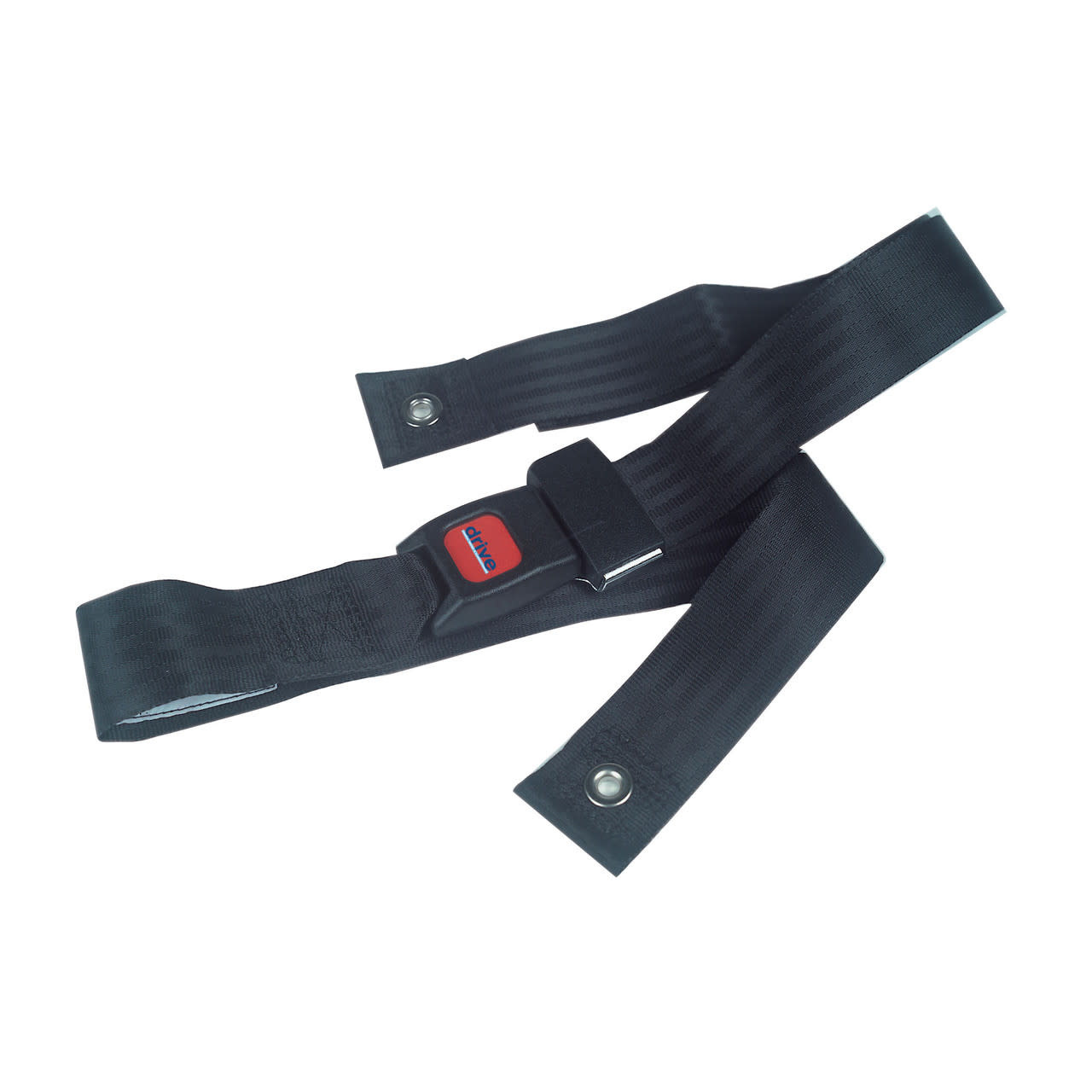
The automotive-style buckle mechanism provides intuitive one-handed operation that caregivers and users recognize instantly, eliminating fumbling with hook-and-loop strips that lose grip over time. The metal clasp creates an audible click confirming secure engagement, while the quick-release button enables fast removal during emergencies or transfers. This proven closure system reduces application time, improves compliance, and delivers consistent holding strength throughout the belt's service life—critical factors in both institutional care settings and home use where safety cannot be compromised by worn or improperly fastened restraints.
Key Features
- Auto-clasp metal buckle closure for secure, intuitive fastening
- 60-inch belt length accommodates waist sizes up to 60 inches
- Bariatric-rated design for larger body sizes and wider wheelchair seats
- Black nylon webbing with reinforced stitching for durability
- Lightweight construction at approximately 0.4 lbs
- Universal mounting hardware compatible with most wheelchair frames
- Low-profile design minimizes bulk and discomfort
- Quick-release button for rapid unfastening during transfers
Benefits
- Enhanced Safety: Metal buckle provides automotive-grade restraint reliability superior to degrading hook-and-loop systems
- Caregiver Efficiency: Intuitive buckle operation reduces application time and training requirements for care staff
- User Independence: Simple one-handed buckle mechanism enables self-fastening for users with adequate dexterity
- Bariatric Accommodation: 60-inch length eliminates fit issues common with standard 48-inch wheelchair belts
- Universal Compatibility: Fits most major wheelchair brands including Drive Medical, Invacare, and Medline
- Long-Term Value: Metal buckle and reinforced webbing resist wear better than Velcro alternatives
- Emergency Ready: Quick-release button enables rapid removal during falls, medical emergencies, or urgent transfers
- Professional Appearance: Black nylon maintains clean, institutional look appropriate for clinical environments
Clinical Applications
✓ Bariatric wheelchair users requiring secure positioning
✓ Transport chair safety for wider seat widths (22-28 inches)
✓ Nursing home and assisted living fall prevention protocols
✓ Home health safety measures for larger-bodied patients
✓ Rehabilitation facility positioning and stability support
✓ Cognitive impairment patients requiring secure seating
✓ Post-surgical patients with balance or stability concerns
✓ Long-term care residents with sliding or leaning tendencies
✓ Bariatric transport during medical appointments and procedures
✓ Community mobility programs serving diverse body sizes
Usage & Application
Initial Installation:
- Frame Assessment: Identify appropriate mounting points on wheelchair frame—typically the seat rail brackets or upright posts beneath the armrests where belt passes behind user's back
- Threading: Feed one end of the nylon webbing through the frame bracket opening or around the vertical post on the wheelchair's left side
- Buckle Positioning: Position the male (inserting) portion of the buckle on the user's dominant hand side for easier self-fastening
- Secure Attachment: Thread the opposite end through the right-side frame bracket, ensuring webbing lies flat without twists
- Hardware Tightening: Use provided bolts or clips to secure mounting hardware, ensuring webbing cannot slip during use
- Length Adjustment: Pull webbing through frame mounts to establish appropriate initial length, leaving slack for comfortable fit range
Daily Application:
- Pre-Application Check: Verify buckle mechanism clicks and releases smoothly before seating user
- User Positioning: Seat user fully back in wheelchair with buttocks against backrest and feet on footrests
- Belt Placement: Position webbing across user's lap at hip level (not abdomen), ensuring belt lies flat without twists
- Buckle Engagement: Insert male buckle end into female receiver until audible click confirms locking
- Tension Adjustment: Pull webbing through buckle to snug fit—should allow two fingers between belt and user
- Comfort Verification: Ensure belt does not create pressure points, restrict breathing, or cause discomfort
- Visual Confirmation: Check that buckle is fully engaged and webbing has no slack that would allow sliding
Safety Monitoring:
- Check belt tension every 2-3 hours during extended use—users may shift position or clothing may bunch
- Inspect skin beneath belt twice daily for pressure marks, especially over bony prominences
- Verify buckle remains fully latched if user attempts self-release or exhibits confusion
- Monitor for signs of discomfort: fidgeting, complaints, skin redness, or breathing changes
- Adjust tension if user slides forward or leans excessively to either side
Emergency Release:
- Press the quick-release button firmly while supporting the user's torso
- Belt should release immediately—if resistance occurs, do not force; check for webbing caught in buckle
- During transfers, always release belt completely before attempting to stand or move user
Maintenance & Inspection:
- Weekly: Inspect webbing for fraying, cuts, burns, or embedded debris; check stitching at stress points
- Monthly: Test buckle mechanism—should click positively on engagement and release smoothly when button pressed
- Cleaning: Wipe nylon webbing with damp cloth and mild detergent; air dry completely before reuse
- Replacement Criteria: Replace immediately if webbing shows damage, buckle fails to latch securely, or mounting hardware loosens despite tightening
Fitting Guidance for Bariatric Users:
- For waist sizes 50-60 inches, expect minimal excess webbing after buckling
- For waist sizes 40-50 inches, thread excess webbing through frame bracket to prevent dangling
- If belt is too short, verify you have the 60-inch bariatric model (STDS855), not a standard 48-inch belt
- Belt should cross the hip bones (ASIS) and upper thighs, not the soft abdomen which allows sliding
Clinical Considerations:
- This is a positioning belt, not a medical restraint—users must be able to release themselves or have staff check regularly
- Follow facility policies regarding restraint use, documentation, and monitoring intervals
- Obtain physician orders or care plan documentation as required by regulations (e.g., CMS guidelines)
- Never use belt as sole fall prevention—combine with proper wheelchair fit, seat depth, and footrest positioning
- Educate users and families that belt prevents sliding, not standing—determined users can still stand while belted
Technical Specifications
- Model Number: STDS855 (Auto-Clasp Bariatric Wheelchair Safety Belt)
- Belt Length: 60 inches (152 cm)
- Maximum Waist Size: Up to 60 inches (152 cm)
- Product Weight: Approximately 0.4 lbs (181 grams)
- Material: Black nylon webbing with reinforced edge stitching
- Buckle Type: Metal auto-clasp with quick-release button
- Buckle Finish: Chrome or black metal (corrosion-resistant)
- Webbing Width: 2 inches (standard wheelchair belt width)
- Color: Black (professional institutional appearance)
- Mounting Hardware: Universal brackets/clips for frame attachment (included)
- Weight Capacity: Bariatric-rated (supports users up to 600 lbs when properly installed)
- Wheelchair Compatibility: Fits most wheelchairs and transport chairs with standard frame configurations
- Compatible Brands: Drive Medical, Invacare, Medline, Karman, Nova, and other major manufacturers
- Recommended Seat Widths: 20-28 inches (optimal for bariatric wheelchair configurations)
- Standards Compliance: Meets wheelchair accessory safety standards for positioning devices
- Intended Use: Positioning belt for wheelchair and transport chair users requiring secure seating
- Latex Status: Latex-free materials
- Care Instructions: Spot clean with damp cloth; air dry completely before reuse
- Replacement Cycle: Replace every 12-24 months with regular use, or immediately if damaged