
Slideshow Items

  • Mobility
  • mobility
DRV-Drive Medical

  |  

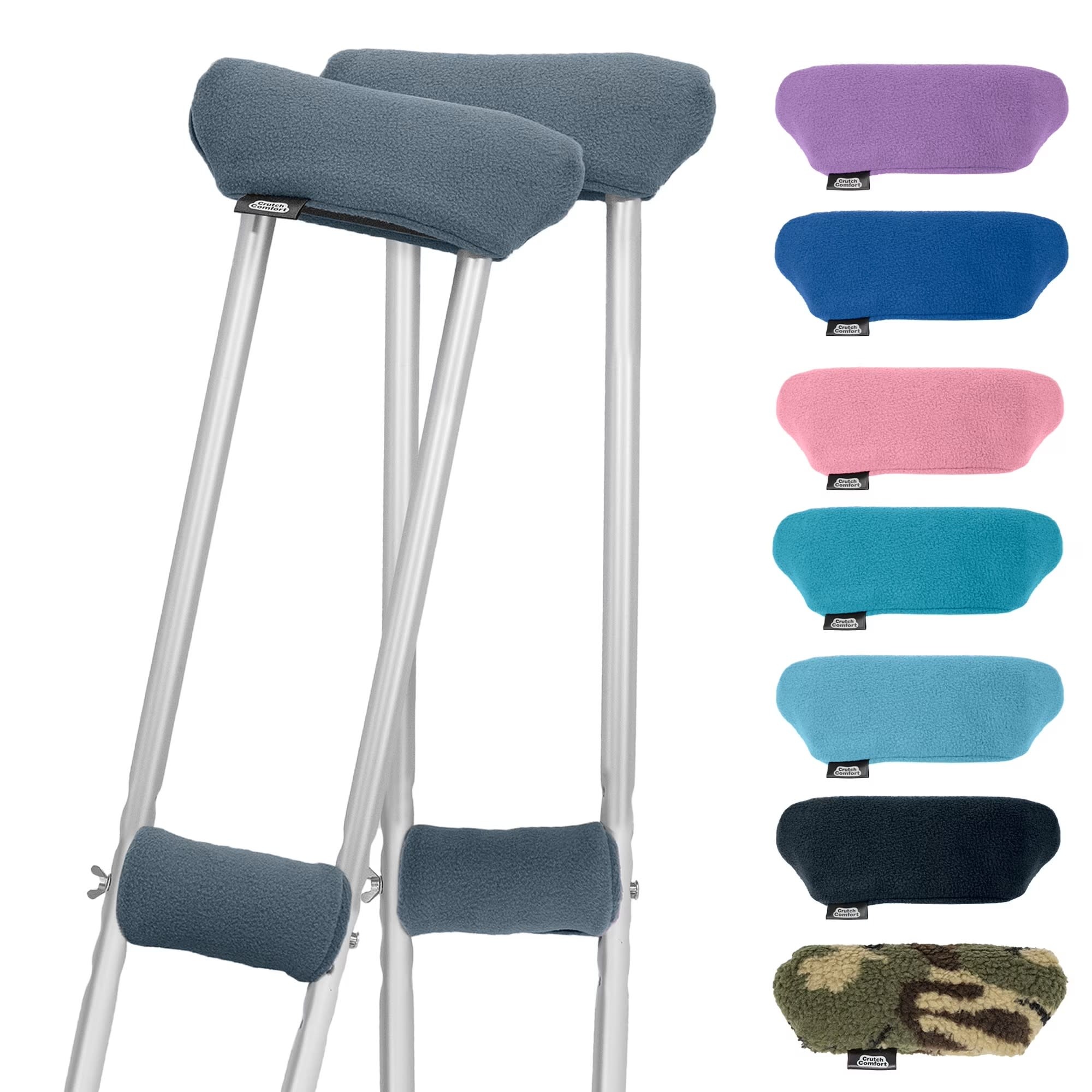
Crutch Underarm Cushions 8/bx

C$70.94
In stock online
In store: Check availability

Available in store

UPC Code: 822383246390
SKU: RTL10446

The 8-cushion universal-fit bulk box delivers high-density foam padding for 4 crutch pairs while contoured design and tool-free push-on installation enable rapid equipment refurbishment in clinics and rental programs requiring frequent use.

    • Why Bulk Institutional Packaging Matters

      Underarm cushions are the highest-wear component on crutches, experiencing direct compression forces, friction damage, disinfectant exposure, and hygiene concerns with each user. Clinics, rehabilitation facilities, and rental agencies managing 20-100+ crutch pairs face constant refurbishment demands as cushions flatten, crack, or become unhygienic between patients. Traditional retail packaging selling 2-cushion pairs creates excessive purchasing overhead, inflated per-unit costs, and inventory management complexity for high-volume operations. Bulk 8-cushion boxes streamline procurement, reduce unit costs by 30-40%, and ensure institutional programs maintain adequate cushion inventory for immediate equipment turnaround without delays that compromise patient care or rental revenue.

      Key Features

      • Institutional Bulk Quantity: 8 cushions per box—sufficient for 4 complete crutch pairs or multiple single-cushion replacements
      • Universal Compatibility: Fits most standard adult and youth underarm crutches from major manufacturers
      • Aluminum and Wooden Crutch Fit: Compatible with both aluminum and wooden frame constructions
      • High-Density Foam Construction: Maintains cushioning properties through repeated compression cycles
      • Vinyl or Foam Covering: Durable surface material resists disinfectants, moisture, and daily wear
      • Contoured Ergonomic Shape: Anatomically designed to distribute underarm pressure across broader surface area
      • Tool-Free Push-On Installation: Friction-mount design slides directly onto crutch tops without hardware or tools
      • Easy-Clean Surface: Wipe-clean material simplifies hygiene protocols between users
      • Cost-Effective Bulk Pricing: Lower per-unit cost compared to retail 2-cushion pairs
      • Ready-Stock Inventory: Bulk packaging ensures institutional programs maintain adequate replacement inventory
      • Professional Grey Finish: Standard medical equipment color (may vary by supplier batch)
      • Space-Efficient Storage: Compact box design maximizes storage efficiency in supply closets

      Benefits

      • Streamlines Fleet Maintenance: Single purchase supplies 4 complete crutch pair refurbishments
      • Reduces Per-Unit Costs: Bulk pricing delivers 30-40% savings versus individual retail pairs
      • Minimizes Inventory Downtime: Adequate stock ensures equipment availability for patients without delays
      • Maintains Professional Standards: Fresh cushions project clean, well-maintained facility image
      • Supports Hygiene Protocols: Frequent cushion replacement between users prevents cross-contamination
      • Simplifies Procurement: One bulk order replaces multiple small purchases, reducing administrative overhead
      • Enables Preventive Replacement: Adequate inventory supports proactive cushion changes before complete failure
      • Increases Rental Revenue: Faster equipment turnaround maximizes utilization and rental income
      • Improves Patient Satisfaction: Comfortable, hygienic cushions enhance user experience and facility reputation
      • Reduces Equipment Disposal: Affordable cushion replacement extends crutch lifespan, preventing premature disposal
      • Supports Immediate Service: Stock availability enables same-day crutch refurbishment for patients
      • Flexible Use: Install 2 cushions per pair or replace single worn cushions as needed

      Clinical Applications

      ✓ Rehabilitation hospitals managing 50-200+ crutch fleet inventories
      ✓ Medical equipment rental agencies with high patient turnover
      ✓ Physical therapy clinics with loaner crutch programs
      ✓ Orthopedic surgery centers issuing post-operative crutches
      ✓ Sports medicine facilities serving athlete injury recovery
      ✓ University health centers with student crutch rental programs
      ✓ Nursing homes maintaining resident mobility equipment
      ✓ Home health agencies distributing temporary mobility aids
      ✓ Emergency departments providing discharge equipment
      ✓ Military medical facilities managing large equipment inventories
      ✓ Veterans hospitals supporting outpatient mobility programs
      ✓ Community health clinics with equipment loan closets
      ✓ Hospital supply departments managing crutch maintenance
      ✓ Long-term care facilities with resident crutch needs
      ✓ Outpatient surgical centers with discharge equipment requirements

      Usage & Application

      Institutional Inventory Management

      Establish cushion replacement schedules based on facility volume: high-volume facilities (20+ crutch pairs dispensed weekly) should maintain 2-3 boxes (16-24 cushions) in active inventory; medium-volume facilities (10-20 pairs weekly) require 1-2 boxes (8-16 cushions); low-volume facilities (under 10 pairs weekly) maintain 1 box minimum. Monitor usage patterns quarterly to optimize inventory levels and prevent stockouts during peak demand periods.

      Equipment Inspection Protocol

      Implement systematic crutch inspection at each return or patient discharge. Check both cushions for compression exceeding 50% original thickness, visible cracks or tears in covering material, hardening of foam core, surface contamination or odor concerns, permanent deformation or flattening, and adhesion deterioration affecting secure mounting. Replace cushions immediately upon identifying any replacement indicator—compromised cushions create liability and user discomfort.

      Pre-Installation Preparation

      Remove worn cushions from crutch tops by grasping firmly and pulling upward with steady pressure. Inspect exposed crutch tops for sharp edges, structural cracks, or damage that could compromise new cushion fit or user safety. Clean crutch tops thoroughly with facility-approved disinfectant, removing accumulated oils, skin cells, and residue. Dry completely before cushion installation—moisture prevents proper friction mounting and may cause slippage.

      Bulk Installation Procedure

      Remove 2 cushions from storage box for each crutch pair requiring refurbishment. Position first cushion over crutch top, aligning contoured shape so deeper recess faces inward toward user's body. Press cushion firmly and evenly onto crutch top mounting surface, applying steady downward pressure around entire perimeter until base makes complete contact. Verify no gaps exist between cushion base and crutch top. Repeat for second crutch, ensuring identical orientation and alignment. Process multiple crutch pairs using assembly-line efficiency—one technician removes old cushions and cleans tops, second technician installs new cushions, third technician performs quality verification.

      Quality Verification Process

      After installation, grasp each cushion and attempt to twist or pull upward—properly installed cushions resist movement without shifting or rotating. Verify both cushions in each pair are aligned symmetrically at identical heights. Check that contoured recesses face inward appropriately. Test crutch folding mechanism (if applicable) to ensure cushions don't interfere with operation. Place crutch pair together to confirm even cushion height and consistent appearance.

      Height and Fit Adjustment

      With new cushions installed, verify overall crutch height adjustment remains appropriate for end user or rental specifications. Standard adult fitting: user standing upright with relaxed shoulders, crutch tips positioned 6 inches lateral and 6 inches forward of feet, handgrips aligned with wrist height, cushion tops sitting 1-2 inches below armpits. Pediatric/youth fitting: follow same proportional guidelines adjusted for smaller stature. Never allow direct weight-bearing on cushions—weight transfers through handgrips only.

      Hygiene and Disinfection Protocols

      Between users or upon return, clean cushion surfaces with facility-approved disinfectant following manufacturer dilution and contact time specifications. Use quaternary ammonium compounds, alcohol-based solutions, or hydrogen peroxide disinfectants safe for vinyl/foam materials. Wipe thoroughly to remove surface contamination. Allow complete air drying before storage or next patient issue. Avoid bleach-based cleaners that may degrade foam or covering material. For heavily soiled cushions, replace immediately rather than attempting salvage—patient safety and facility reputation outweigh cushion cost.

      Storage Best Practices

      Store unopened cushion boxes in clean, dry supply closet or equipment room. Maintain storage temperature 50-80°F to preserve foam properties. Avoid direct sunlight, heat sources, or high humidity that may degrade materials. Keep boxes sealed until needed to maintain hygiene. Rotate stock using first-in-first-out (FIFO) inventory management. Opened boxes should be resealed or transferred to clean storage containers to prevent contamination. Position cushion inventory near crutch storage area for efficient refurbishment workflow.

      Preventive Replacement Schedules

      For rental programs, replace cushions after every patient return regardless of visible wear—hygiene protocols and professional standards justify preventive replacement. For institutional crutches in continuous use by single patient, inspect weekly and replace when compression, cracking, or discomfort develops. For loaner programs with intermittent use, inspect before each patient issue and replace proactively. Track cushion installation dates to identify patterns and optimize replacement intervals.

      Cost Management and Budgeting

      Calculate monthly cushion consumption based on facility volume: rental agencies average 2-4 cushion replacements per crutch pair annually; institutional fleets average 1-2 replacements per pair annually; loaner programs average 2-3 replacements per pair annually. Budget accordingly: high-volume facilities may consume 4-8 boxes (32-64 cushions) annually; medium-volume facilities 2-4 boxes (16-32 cushions); low-volume facilities 1-2 boxes (8-16 cushions). Bulk purchasing reduces per-unit costs significantly.

      Staff Training Requirements

      Train all staff involved in equipment management on proper cushion assessment, removal, and installation procedures. Emphasize hygiene protocols, quality verification steps, and safety considerations. Provide visual reference guides showing worn versus acceptable cushion conditions. Establish clear replacement criteria to ensure consistent standards across all staff members. Include cushion management in new employee orientation and annual competency assessments.

      Documentation and Quality Assurance

      Maintain crutch maintenance logs documenting cushion replacement dates, staff performing service, and crutch identification numbers. Track cushion consumption rates to identify usage patterns and optimize inventory. Monitor patient feedback regarding crutch comfort—increasing complaints may indicate inconsistent cushion replacement practices. Audit random crutch pairs monthly to verify cushion condition meets facility standards.

      Troubleshooting Common Issues

      Cushions won't stay mounted: Verify crutch tops are clean and completely dry. Ensure cushions match universal-fit specifications for crutch model. Check that installation pressure was adequate—cushions require firm, even pressure around entire perimeter.

      Uneven cushion appearance between pairs: Confirm cushions are from same supplier batch. Verify identical orientation on both crutches. Check that crutch tops are uniform condition—damage may affect cushion seating.

      Rapid cushion degradation: Assess disinfectant compatibility—some harsh cleaners damage foam or vinyl. Verify storage conditions don't expose cushions to heat or direct sunlight. Consider whether user weight exceeds crutch capacity specifications.

      Patient complaints of discomfort despite new cushions: Re-evaluate overall crutch fit and height adjustment. Ensure patient uses proper technique with weight through handgrips, not underarms. Verify cushion orientation with contoured recess facing inward. Consider whether patient requires different crutch style or additional fitting assistance.

      Technical Specifications

      • Package Quantity: 8 cushions per bulk box (sufficient for 4 complete crutch pairs)
      • Intended Use: Institutional/clinical replacement for high-volume crutch fleet maintenance
      • Universal Compatibility: Fits most standard adult and youth underarm crutches
      • Frame Type Compatibility: Aluminum and wooden crutch constructions
      • Material Construction: High-density foam core with durable vinyl or foam covering
      • Design Type: Contoured ergonomic shape for anatomical fit
      • Installation Method: Tool-free push-on friction mount
      • Standard Color: Grey (may vary by production batch or supplier)
      • Cleaning Protocol: Wipe clean with mild soap and water or facility-approved disinfectants
      • Disinfectant Compatibility: Compatible with quaternary ammonium, alcohol-based, and hydrogen peroxide solutions
      • Service Life: 6-12 months per cushion under normal use (varies by user weight and frequency)
      • Storage Requirements: Cool, dry location 50-80°F; avoid direct heat and sunlight
      • Shelf Life: 24-36 months when stored properly in sealed packaging
      • Weight per Box: Approximately 1-2 lbs total (varies by material density)
      • Packaging Dimensions: Compact bulk box for efficient storage
      • Cost Efficiency: 30-40% lower per-unit cost versus retail 2-cushion pairs
      • Replacement Schedule: Rental programs—after each patient return; institutional use—every 6-12 months or as needed
      • Quality Standard: Medical-grade materials suitable for clinical and institutional use
      • Latex Content: Varies by manufacturer—verify specifications if latex sensitivity concerns exist
    • No reviews yet

      Add yours

    Testimonials from Google

    See all reviews

    Recently viewed

    Your cart — 0

    You cart is currently empty

    Login