Slideshow Items

  • Mobility
  • mobility
DRV-Drive Medical

  |  

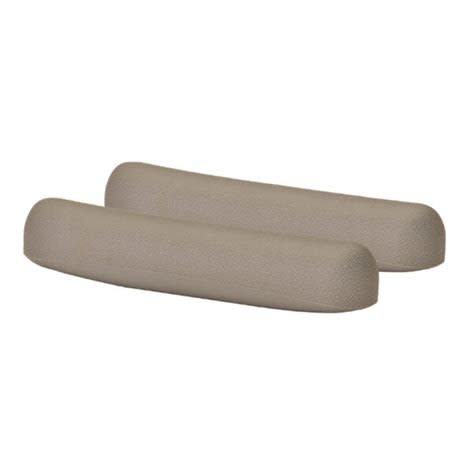
Crutch Underarm Cushion Replacement for 10400, 10401, 10402, 10430, 10431, 10432

C$9.99
Out of stock online
In store: Check availability

Available in store

UPC Code: 822383246397
SKU: RTL10446

The soft contoured underarm cushions with resilient foam core deliver pressure-distributing support for crutch models 10400-10432 while easy-to-clean material and push-on installation restore comfort and reduce soreness and pressure points.

    • Why Soft Contoured Design Matters

      Original crutch pads compress and split after extended use, creating painful pressure points that cause axillary nerve irritation, skin breakdown, and compromised stability. The contoured underarm design distributes weight evenly across a broader surface area, reducing concentrated pressure while the resilient foam core maintains structural integrity through thousands of compression cycles. The result is sustained comfort that enables proper crutch technique, prevents compensatory gait patterns, and supports safe independent ambulation throughout the recovery period.

      Key Features

      • Model-Specific Compatibility: Precision fit for crutch models 10400, 10401, 10402, 10430, 10431, and 10432
      • Contoured Ergonomic Design: Shaped to match natural underarm anatomy for optimal weight distribution and pressure relief
      • Resilient Foam Core: High-density foam maintains cushioning properties through extended compression cycles
      • Durable Surface Material: Easy-to-clean vinyl or foam covering resists moisture, odors, and daily wear
      • Tool-Free Installation: Simple push-on design slides over existing crutch tops without tools or hardware
      • Complete Pair: Includes 2 cushions for one complete set of crutches
      • Non-Slip Contact Surface: Secure grip prevents cushion migration during use
      • Easy Maintenance: Wipe-clean surface simplifies hygiene protocols

      Benefits

      • Eliminates Underarm Soreness: Soft cushioning reduces friction and pressure points that cause pain and skin irritation
      • Extends Crutch Lifespan: Restores comfort to aging crutches without replacing the entire mobility aid
      • Improves Gait Confidence: Comfortable support encourages proper crutch positioning and weight-bearing technique
      • Reduces Recovery Costs: Affordable cushion replacement prevents premature crutch disposal
      • Supports Proper Positioning: Contoured design guides correct underarm placement for safe ambulation
      • Enhances Daily Function: Improved comfort enables longer walking distances and greater independence
      • Simplifies Fleet Maintenance: Quick replacement keeps rental and institutional crutches hygienic and functional
      • Prevents Compensatory Issues: Adequate cushioning reduces shoulder, neck, and back strain from poor technique

      Clinical Applications

      ✓ Post-operative mobility during non-weight-bearing or partial weight-bearing recovery periods
      ✓ Lower extremity fractures requiring crutch ambulation (ankle, foot, tibia, fibula)
      ✓ Achilles tendon rupture and repair rehabilitation
      ✓ Severe ankle sprains with complete non-weight-bearing protocols
      ✓ Foot surgery recovery (bunionectomy, hammertoe correction, plantar fascia procedures)
      ✓ Long-term crutch users with chronic mobility limitations
      ✓ Rehabilitation facilities replacing worn cushions on institutional equipment
      ✓ Medical equipment rental agencies refurbishing crutches between users
      ✓ Athletic injury recovery requiring temporary non-weight-bearing
      ✓ Home health patients with extended crutch ambulation needs
      ✓ Nursing homes maintaining resident mobility equipment
      ✓ Physical therapy clinics with loaner crutch programs
      ✓ Preventive replacement before complete cushion failure and skin breakdown

      Usage & Application

      Wear Assessment Protocol

      Inspect existing cushions for replacement indicators: compression exceeding 50% of original thickness, visible cracks or tears in covering material, hardening of foam core, visible deformation or permanent compression marks, surface deterioration affecting hygiene, or loss of cushioning resulting in underarm discomfort during use.

      Pre-Installation Preparation

      Remove worn cushions by gently pulling them off the crutch tops, working carefully to avoid damaging the underlying structure. Clean the exposed crutch tops thoroughly with mild soap and water to remove accumulated oils, dead skin cells, and residue. Dry completely before proceeding. Inspect crutch tops for sharp edges, cracks, or structural damage that could compromise new cushion fit or user safety.

      Installation Procedure

      Position the new cushion over the crutch top, aligning the contoured shape with the natural underarm position. The deeper recess should face inward toward the body. Press the cushion firmly and evenly onto the crutch top, working around the perimeter to ensure complete seating. Apply steady downward pressure until the cushion base makes full contact with the crutch top mounting surface. Repeat for the second crutch, ensuring both cushions are oriented identically.

      Post-Installation Verification

      Check that both cushions are fully seated with no gaps between cushion base and crutch top. Verify cushions are aligned symmetrically and oriented correctly for underarm contact. Grasp each cushion and attempt to twist or pull upward—properly installed cushions should resist movement. Test crutch pair together, confirming cushions sit at equal heights and provide balanced support.

      Initial Use Guidance

      During the first use session, check cushion position after 5-10 minutes of ambulation to ensure no migration or rotation has occurred. Adjust body weight gradually to allow cushions to conform to individual anatomy. Monitor for any discomfort, pressure points, or slippage indicating improper installation or sizing concerns. If cushions feel unstable, remove and reinstall following proper procedure.

      Height and Positioning Optimization

      With cushions installed, verify overall crutch height adjustment remains appropriate. User should stand upright with shoulders relaxed, crutch tips positioned 6 inches to the side and 6 inches forward of feet. Handgrips should align with wrist height when arms hang naturally. Cushion top should sit 1-2 inches below armpit when crutches are properly positioned—never bear weight directly on cushions, which causes nerve damage.

      Maintenance and Cleaning

      Clean cushion surfaces daily during active use with mild soap and warm water. Wipe thoroughly with a damp cloth to remove oils, perspiration, and debris. Air dry completely before next use—avoid direct heat sources that may damage foam or covering material. For institutional settings, clean with facility-approved disinfectant wipes following manufacturer dilution guidelines. Inspect weekly for early signs of compression, cracking, or material degradation.

      Replacement Timing

      Monitor cushion condition throughout use period. Average lifespan ranges from 6-12 months depending on user weight, daily use duration, and ambulation intensity. Replace cushions when compression exceeds 50%, cracks appear in covering material, foam hardens or loses resilience, discomfort develops during use, or cushions no longer maintain proper position on crutch tops.

      Storage and Longevity

      When crutches are not in use, store in a cool, dry location away from direct sunlight and heat sources. Avoid compressing cushions under heavy objects during storage. For long-term storage exceeding 6 months, inspect cushions before resuming use to ensure material integrity has not degraded. Store institutional crutches with cushions protected from dust and contamination.

      Safety Reminders

      Never bear weight directly on underarm cushions—weight should transfer through handgrips with cushions providing lateral stability only. Inspect cushions before each use for proper seating and absence of damage. Replace cushions immediately if structural integrity is compromised. Ensure both cushions are from the same manufacturer and batch for consistent feel and performance. Seek professional fitting assistance if cushions cause discomfort despite proper installation.

      Troubleshooting Common Issues

      Cushions won't stay in place: Ensure crutch tops are clean and dry. Check that cushion size matches crutch model specifications. Verify cushions are fully pressed onto mounting surface without gaps.

      Uneven comfort between sides: Confirm both cushions are oriented identically. Check that cushions are from matching pair. Verify crutch heights are adjusted equally.

      Continued underarm soreness: Re-evaluate overall crutch fit and height adjustment. Ensure weight is borne through handgrips, not underarm area. Consider physical therapy consultation for proper crutch technique training.

      Cushions feel too firm: Allow 1-2 days break-in period for foam to conform to anatomy. Ensure cushions match model compatibility specifications. Verify cushions are not expired or improperly stored.

      Technical Specifications

      • Compatible Models: 10400, 10401, 10402, 10430, 10431, 10432
      • Package Contents: 2 replacement underarm cushions (one complete pair)
      • Material Construction: Soft resilient foam core with durable vinyl or foam covering
      • Design Type: Contoured ergonomic shape for natural underarm fit
      • Color: Typically grey (may vary slightly by production batch)
      • Installation Method: Push-on friction fit, no tools required
      • Weight Distribution: Broad surface area reduces concentrated pressure points
      • Maintenance: Wipe clean with mild soap and water, air dry
      • Service Life: 6-12 months typical under normal use conditions
      • Cleaning Protocol: Daily cleaning recommended during active use
      • Disinfection: Compatible with standard medical facility disinfectants
      • Storage: Cool, dry location away from direct heat and sunlight
      • Latex Content: Varies by manufacturer—verify if latex sensitivity concerns exist
      • Replacement Indicators: Compression >50%, visible cracks, hardened foam, loss of cushioning
      • Safety Compliance: Designed for compatibility with standard underarm crutch safety guidelines
    • No reviews yet

      Add yours

    Testimonials from Google

    See all reviews

    Recently viewed

    Your cart — 0

    You cart is currently empty

    Login