Slideshow Items

  • Mobility Accessories
  • mobility/mobility-accessories
  • Mobility
  • mobility
HMC-Human Care

  |  

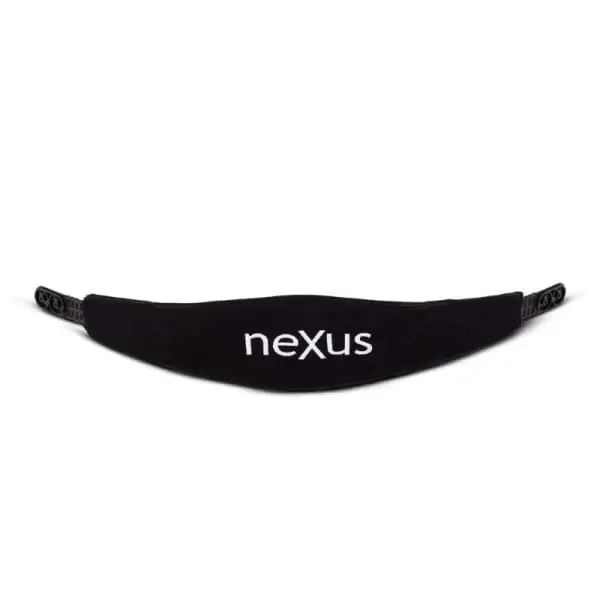
Human Care neXus Wide Backstrap

C$62.99
In stock online
In store: Check availability

Available in store

UPC Code: 881608700550
SKU: 93310

The wide padded backstrap with flexible contouring design delivers comfortable mid-back support for neXus rollators while reversible mounting and enhanced surface area replace narrow straps creating pressure points during seated rest break.

    • Why Wide Padded Design Matters

      Traditional narrow rollator backstraps provide minimal contact surface area—typically 2-3 inches wide—concentrating user's weight across a narrow band that creates uncomfortable pressure, digs into the spine, and fails to support the natural lumbar curve during seated rest periods. Users describe narrow straps as "leaning against a seatbelt" rather than true back support, discouraging seated rest breaks that are critical for users with limited exercise tolerance, cardiac conditions, or chronic obstructive pulmonary disease requiring frequent recovery periods. The Human Care neXus Wide Backstrap addresses these limitations through substantially increased width distributing pressure across a broader mid-back surface area, padded construction cushioning contact points, and flexible material contouring to individual spinal anatomy. The reversible mounting orientation adds functional versatility—users flip the strap to sit facing forward (normal rollator use) or backward (when using rollator as stationary chair), adapting one rollator to multiple seating configurations without additional equipment.

      Key Features

      • Wide Padded Design: Substantially broader than narrow standard straps for increased back contact surface area
      • Enhanced Comfort: Padded construction cushions mid-back during extended seated rest periods
      • Flexible Contouring: Material flexes to match individual spinal curvature and body shape
      • Reversible Mounting: Flip strap orientation allowing user to sit facing forward or backward
      • Dual-Direction Seating: Accommodates normal rollator use plus stationary chair configuration
      • Universal neXus Compatibility: Fits all neXus 3 models and current neXus oNe rollators (490017/490020/490022)
      • Replacement Part: Spare component for worn, sagging, or damaged original straps
      • Upgrade Option: Retrofit older narrow-strap neXus models with wide padded version
      • Easy Installation: Mounts to existing back posts using standard attachment method
      • Durable Materials: Wear-resistant construction withstands repeated daily use
      • Professional Appearance: Clean design maintains rollator's aesthetic quality
      • Low Maintenance: Wipe-clean surface simplifies hygiene protocols

      Benefits

      • Eliminates Pressure Points: Wide surface area prevents concentrated loading that causes discomfort
      • Improves Seated Comfort: Padded support encourages longer, more frequent rest breaks
      • Supports Natural Posture: Flexible design contours to lumbar curve maintaining spinal alignment
      • Reduces Seatbelt Effect: Wide strap feels supportive rather than restrictive
      • Enables Dual Seating: Reversible design adapts rollator for multiple use scenarios
      • Extends Rollator Life: Affordable strap replacement versus $400-800 rollator replacement
      • Upgrades Older Models: Retrofit narrow-strap rollators with modern wide design
      • Maintains Independence: Comfortable rest breaks enable longer walking distances
      • Supports Recovery: Frequent seated rest critical for COPD, cardiac, post-op patients
      • Easy Maintenance: Simple installation extends useful equipment life
      • Cost-Effective Solution: $30-60 strap prevents premature rollator disposal
      • Customer-Proven: Users consistently report "lot better than old narrow strap"

      Clinical Applications

      ✓ COPD patients requiring frequent seated rest during ambulation
      ✓ Cardiac patients with limited exercise tolerance
      ✓ Post-operative patients during progressive mobilization
      ✓ Multiple sclerosis patients with episodic fatigue
      ✓ Parkinson's disease patients needing rest break support
      ✓ Arthritis patients with joint pain limiting continuous walking
      ✓ Elderly users with general deconditioning
      ✓ Stroke survivors building endurance gradually
      ✓ Bariatric patients requiring enhanced back support
      ✓ Long-distance outdoor walkers using rollators for extended mobility
      ✓ Replacing worn straps on aging rollators (3-5 years typical)
      ✓ Upgrading narrow-strap neXus models for improved comfort
      ✓ Refurbishing rental equipment between users
      ✓ Fleet maintenance in nursing homes and assisted living
      ✓ Home health patients requiring comfortable seated support

      Usage & Application

      Wear Assessment Protocol

      Inspect existing backstrap for replacement indicators: visible sagging exceeding 1-2 inches when unloaded, fraying or broken stitching at attachment points, compressed padding providing minimal cushioning, torn fabric exposing internal materials, permanent deformation that doesn't recover when unloaded, narrow width (under 4 inches) creating discomfort, or user complaints of inadequate support during seated rest. Narrow original straps consistently replaced with wide versions for comfort improvement even before complete failure.

      Compatibility Verification

      Confirm rollator model compatibility before ordering: neXus 3 series (all models compatible), neXus oNe models 490017/490020/490022 (current generation compatible). Older neXus models may have different mounting systems—verify back post configuration matches wide backstrap attachment method. If uncertain about compatibility, photograph back posts and consult supplier or Human Care technical support. Wide backstrap specifically engineered for neXus frame geometry—do not attempt to adapt for non-neXus rollators.

      Pre-Installation Preparation

      With rollator fully opened and stable, remove worn backstrap by detaching from rear frame posts. Note the original mounting method—straps typically attach via hook-and-loop fasteners, snap buckles, or threaded loops around posts. Retain original hardware if reusable with new strap. Inspect frame posts for sharp edges, burrs, or damage that could abrade new strap material. Clean posts thoroughly with mild soap and water, removing accumulated oils, debris, and residue. Dry completely before new strap installation.

      Installation Procedure - Standard Mounting

      Position one end of wide backstrap at left rear post at appropriate mid-seat-height (typically 8-12 inches above seat surface depending on user's torso length). Thread attachment mechanism around post per manufacturer design—may be hook-and-loop wrap, snap buckle, or sewn loop. Ensure attachment is secure before proceeding. Route strap horizontally across to right rear post, maintaining level alignment—strap should sit horizontally without twisting or angling. Secure right-side attachment with identical method, leaving initial slack for tension adjustment.

      Tension Adjustment and Positioning

      With strap installed but loose, have user sit on rollator seat in normal resting position. Backstrap should contact mid-back at approximately L3-L4 vertebral level, supporting natural lumbar curve without forcing excessive lordosis. Gradually increase strap tension by tightening at adjustment points (typically pull-through on hook-and-loop or buckle systems) until user can comfortably lean back with full support without strap sagging excessively. Proper tension: strap provides firm support without rigid resistance—user should lean back naturally with comfortable distributed pressure across back. Avoid over-tightening which creates uncomfortable rigidity.

      Forward-Facing Configuration

      For standard rollator use (user pushing rollator and sitting facing forward during rest), orient backstrap with padded side facing user's back. When user sits on seat and leans back, back contacts padded surface providing cushioned support. This configuration most common for ambulatory users taking brief rest breaks during walking activities then resuming forward ambulation.

      Backward-Facing Configuration

      For stationary seating (rollator used as chair with user sitting backward), flip backstrap so opposite side faces user. User positions rollator in desired location, rotates to face opposite direction, and sits on seat with back against (now reversed) backstrap. This configuration useful when rollator serves as temporary chair during extended stationary activities—watching events, socializing, waiting. Eliminates need for separate seating furniture by adapting rollator to dual function.

      Height Optimization for Different Users

      For shorter users (under 5'2"): Position strap slightly lower (6-8 inches above seat) to maintain mid-back contact without riding up to shoulder blade level. For average users (5'2"-5'10"): Standard positioning 8-12 inches above seat surface. For taller users (over 5'10"): Raise strap to 10-14 inches above seat for proper mid-back alignment. Optimal positioning places strap at user's natural lumbar curve when seated—too low provides inadequate support, too high creates uncomfortable shoulder blade pressure.

      User Testing and Verification

      After installation and adjustment, conduct full comfort assessment: User sits on rollator seat, engages brakes for stability, and leans back fully against strap. Verify even pressure distribution across mid-back without concentrated loading or edge dig-in. Check that strap doesn't restrict natural shoulder movement or create uncomfortable contact points. User should sit comfortably for 2-3 minutes without discomfort. If user reports pressure points, reassess height positioning and tension—most discomfort resolves with proper adjustment.

      Comparing Wide vs. Narrow Strap Experience

      Users upgrading from narrow to wide backstraps consistently report dramatic comfort improvement: narrow straps concentrate pressure causing discomfort within 30-60 seconds seated; wide straps distribute pressure enabling 5-10+ minute comfortable seated rest. Wide design encourages appropriate rest break frequency critical for COPD, cardiac, and deconditioned users who previously avoided sitting due to narrow strap discomfort. Investment in wide strap upgrade substantially increases rollator utilization and user satisfaction.

      Maintenance and Cleaning

      Clean backstrap surface weekly during regular use with damp cloth and mild soap to remove oils, perspiration, and debris. For institutional settings, wipe with facility-approved disinfectant following manufacturer dilution guidelines. Avoid saturating padding—surface cleaning only. Air dry completely before next use. Never machine wash padded backstraps as internal padding may degrade, compress, or deform. Inspect monthly for early signs of wear, fraying, compressed padding, or attachment loosening.

      Seasonal Considerations

      For outdoor rollator use, increased UV and weather exposure accelerates strap degradation—inspect more frequently and store indoors when not in use. During extended storage periods (over 3 months), store rollator indoors to protect strap from environmental damage. If storing folded, ensure strap doesn't remain under compression stress which may cause permanent padding deformation. Unfold periodically during long-term storage to allow strap recovery.

      Replacement Timing

      Monitor backstrap condition throughout use. Average lifespan: 3-5 years with regular use depending on frequency, user weight, and environmental exposure. Replace when: padding compresses beyond 50% original thickness, fabric tears or splits exposing internal materials, stitching fails at attachment points or seams, permanent sagging exceeds 2 inches, or user reports decreased comfort despite proper adjustment. Proactive replacement before complete failure maintains user confidence and comfort.

      Upgrade Decision for Narrow-Strap Owners

      Owners of older neXus rollators with narrow backstraps should strongly consider wide strap upgrade even if narrow strap remains functional. Customer feedback consistently identifies wide strap as "lot better than old narrow strap"—comfort improvement dramatic enough to justify upgrade cost. For users taking frequent rest breaks (COPD, cardiac, elderly), comfort directly impacts rollator utilization and quality of life. Upgrade cost ($30-60) minor compared to improved functionality and comfort.

      Troubleshooting Common Issues

      Strap sags during use: Likely insufficient tension during installation. Retighten at adjustment points. If sagging persists despite proper tension, attachment points may be loosening—verify secure mounting to posts.

      User complains of pressure points: Re-evaluate strap height positioning. May be too high (creating shoulder blade pressure) or too low (inadequate lumbar support). Verify strap isn't twisted during installation.

      Strap interferes with folding: Some rollator models require loosening strap before folding. Check manufacturer instructions for specific model folding procedures.

      Padding feels compressed: Normal wear with extended use. If compression exceeds 50% original thickness, replace strap. Compressed padding provides minimal comfort improvement over narrow straps.

      Attachment points loosening: Verify proper installation method for specific mounting system. Hook-and-loop may need cleaning to restore grip. Buckles may need retightening. If loosening continues, inspect posts for damage preventing secure attachment.

      Technical Specifications

      • Product Name: Human Care neXus Wide Backstrap
      • Brand: Human Care
      • Model Numbers: Back Strap 93310 / Back rest neXus 3 wide cpl kit 90391
      • Compatible Models: All neXus 3 series rollators and current neXus oNe models (490017, 490020, 490022)
      • Design Type: Wide padded backstrap with flexible contouring
      • Width: Substantially wider than narrow standard straps (specific width varies by model year—typically 5-7 inches vs. 2-3 inch narrow straps)
      • Construction: Padded internal cushioning with durable fabric outer covering
      • Mounting System: Attaches to rollator rear frame posts (method varies—hook-and-loop, buckles, or loops depending on model)
      • Orientation: Reversible—flip for forward-facing or backward-facing seated configurations
      • Adjustability: Tension adjustable to accommodate different user preferences and torso sizes
      • Typical Height Position: 8-12 inches above seat surface (adjustable based on user height)
      • Color: Varies by model year and rollator color scheme (verify with supplier)
      • Material: Wear-resistant fabric with cushioned padding, moisture-resistant outer layer
      • Cleaning: Surface wipe-clean with mild soap or approved disinfectants (no machine washing)
      • Service Life: 3-5 years typical with regular use under normal conditions
      • Replacement Schedule: Replace when padding compresses, fabric tears, or comfort deteriorates
      • Application Type: Replacement part for worn straps OR upgrade for narrow-strap models
      • Installation: User-installable with basic instructions (no professional installation required)
      • Package Contents: 1 wide backstrap with attachment hardware (if not integrated into strap design)
      • Warranty: Per Human Care manufacturer warranty (verify with supplier)
    • No reviews yet

      Add yours

    Testimonials from Google

    See all reviews

    Recently viewed

    Your cart — 0

    You cart is currently empty

    Login