Slideshow Items

iGO2 Battery Chargerand Extra Battery Pack Rental Week

C$40.00

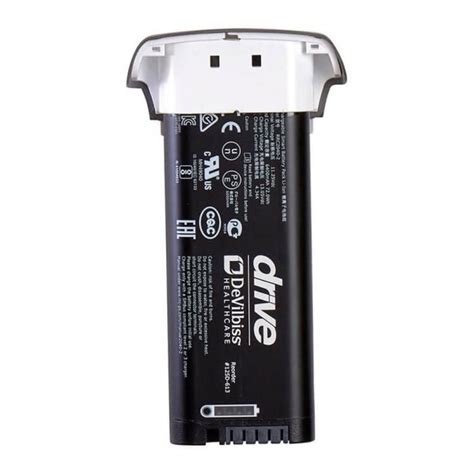
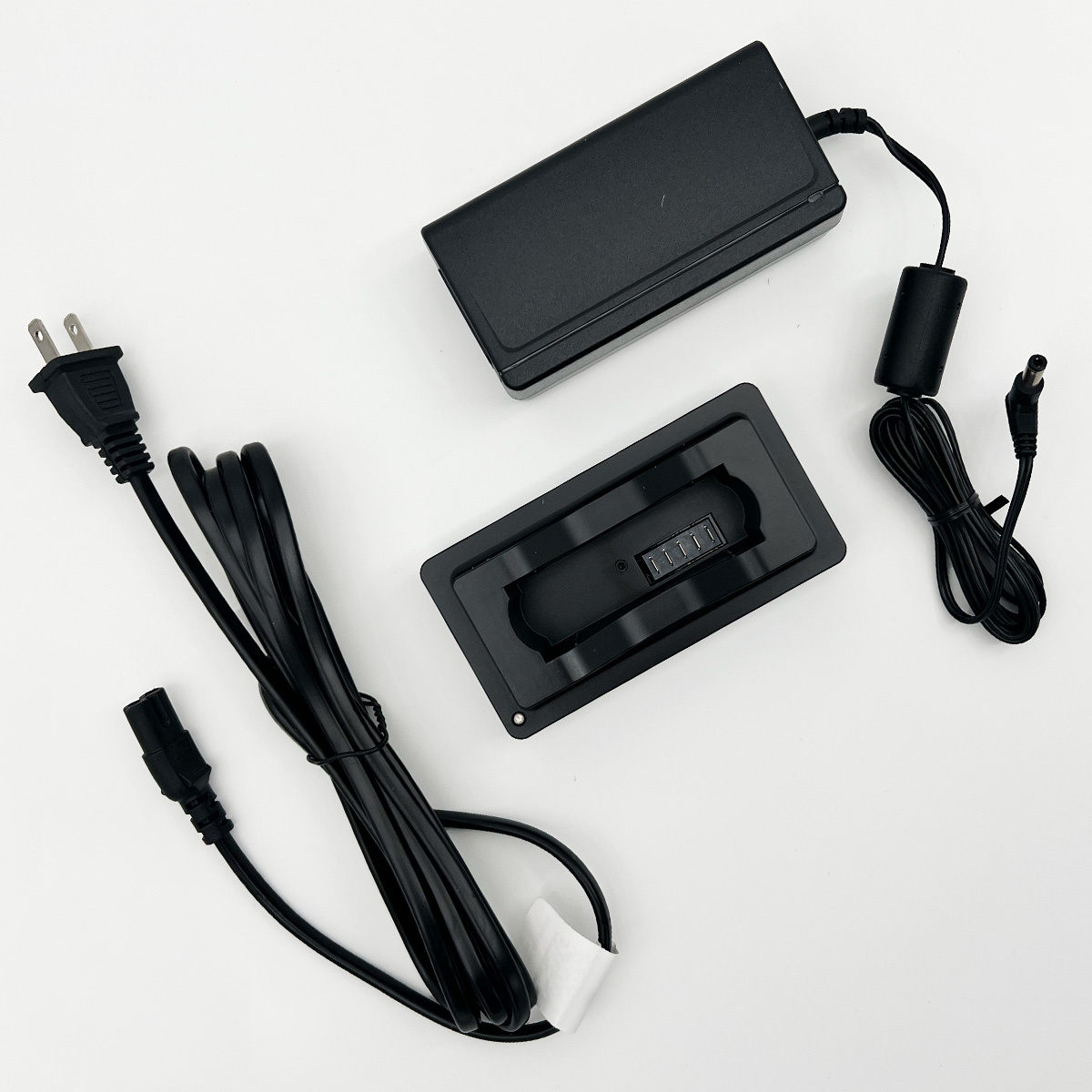
External charger plus spare lithium-ion battery enable continuous oxygen therapy by alternating power sources—one charges while the other runs your iGo2 concentrator for uninterrupted mobility.

  • Why Dual Battery System for Uninterrupted Oxygen Therapy

    Portable oxygen concentrator users face a critical challenge during travel, extended outings, or high-demand days—single battery systems create gaps in oxygen availability while recharging, forcing users to remain tethered to power outlets or risk running out of oxygen during essential activities. This compromises independence, limits mobility, and creates anxiety about battery depletion. A dual battery system with external charger eliminates these concerns by enabling true continuous operation: while one battery powers the concentrator during use, the spare battery charges separately, ready for immediate swap when the first depletes. This rotation provides seamless, uninterrupted oxygen therapy for as long as power outlets are accessible between battery swaps. For oxygen-dependent users, this reliability isn't just convenience—it's essential for maintaining prescribed oxygen saturation levels, preventing hypoxemia complications, and supporting quality of life through confident mobility. The rental model offers particular advantages for temporary needs: traveling users who don't want to purchase additional batteries, patients trialing extended outings before committing to equipment purchases, or those needing backup power during specific events or trips. The iGo2 system's compatibility with standardized charging and battery components ensures reliable performance, while LED charge indicators eliminate guesswork about battery readiness. This combination makes the dual battery rental package essential for oxygen users seeking safe, confident mobility beyond the limitations of single-battery operation.

    Key Features

    • Complete Dual Battery System – includes external charger and one additional rechargeable lithium-ion battery for alternating power
    • iGo2 Compatibility – specifically designed for Drive DeVilbiss iGo2 Portable Oxygen Concentrator
    • External Charging Capability – charges spare battery independently while concentrator operates on primary battery
    • Lithium-Ion Technology – lightweight, high-capacity batteries with no memory effect for consistent performance
    • LED Charge Indicators – visual status lights show charging progress and readiness
    • Universal Power Input – 100-240V AC, 50/60Hz compatibility for worldwide travel use
    • Compact, Portable Design – lightweight charger (approximately 2.5 lbs combined with battery) travels easily
    • Weekly Rental Period – affordable one-week rental with extension options available
    • Pre-Inspected Condition – cleaned, inspected, and tested prior to each rental for reliable operation
    • Flexible Rental Terms – extendable rental duration to accommodate changing needs

    Benefits

    • Enables Continuous Oxygen Therapy – eliminates gaps in oxygen availability during battery charging
    • Extends Mobility Range – confident extended outings, travel, and activities without oxygen interruption concerns
    • Provides Peace of Mind – backup battery ready for immediate use eliminates anxiety about power depletion
    • Supports Independent Living – oxygen users can maintain active lifestyle without constant outlet access
    • Facilitates Safe Travel – air travel, road trips, and vacations become more manageable with dual battery capability
    • Prevents Medical Complications – consistent oxygen availability maintains prescribed saturation levels and prevents hypoxemia
    • Offers Cost-Effective Solution – rental avoids high upfront battery purchase costs for temporary needs
    • Eliminates Long-Term Commitment – perfect for trial periods, specific trips, or occasional high-demand situations
    • Simplifies Battery Management – clear LED indicators remove guesswork about charge status and readiness
    • Ensures Equipment Reliability – pre-tested, maintained rental equipment reduces risk of equipment failure during critical use
    • Provides Flexibility – extendable rental accommodates unexpected schedule changes or extended trips

    Clinical Applications

    ✓ Extended travel requiring continuous oxygen therapy beyond single battery capacity (air travel, road trips, vacations)
    ✓ All-day outings and activities where outlet access is limited or unavailable (weddings, sporting events, outdoor activities)
    ✓ Backup power for emergency preparedness during power outages or natural disasters
    ✓ Trial period for patients evaluating whether dual battery system meets long-term needs before purchasing
    ✓ Temporary high-demand situations (family gatherings, conferences, multi-day events)
    ✓ International travel requiring reliable power backup with universal voltage compatibility
    ✓ Daily use for active patients requiring continuous oxygen during full waking hours (16+ hours daily)
    ✓ Patients with higher oxygen flow settings that deplete single battery more rapidly
    ✓ Rehabilitation or recovery periods requiring temporary mobility enhancement
    ✓ Respite for caregivers managing charging schedules and equipment availability
    ✓ Bridge solution while patient's personal equipment is being serviced or repaired

    Usage & Application

    Pre-Rental Preparation

    Verify Compatibility:

    • Confirm you own or rent a Drive DeVilbiss iGo2 Portable Oxygen Concentrator
    • Verify your concentrator model number matches iGo2 specifications
    • If renting concentrator separately, coordinate delivery timing for simultaneous equipment availability

    Plan Rental Duration:

    • Determine needed rental period (minimum one week, extendable)
    • Consider trip duration, event schedule, or trial period length
    • Plan for delivery and return logistics (shipping time, pickup/drop-off arrangements)
    • Inquire about extension options if schedule may change

    Review Oxygen Prescription:

    • Ensure current oxygen prescription is up-to-date and clearly specifies:
      • Required flow rate (liters per minute)
      • Continuous vs. pulse dose settings
      • Hours per day of use
      • Activity-specific requirements
    • Contact prescribing physician if prescription needs updating before extended travel

    Understand Rental Terms:

    • Review rental agreement, payment terms, and insurance/deposit requirements
    • Clarify damage policies, return shipping procedures, and extension processes
    • Verify what's included (charger, extra battery, cables, instructions)
    • Confirm whether return packaging is provided
    • Note contact information for technical support during rental period

    Upon Receiving Rental Package

    Inspect Equipment:

    1. Open package immediately and verify contents:
      • iGo2 external battery charger
      • One additional lithium-ion battery pack
      • Power cord for charger
      • Instruction manual or quick-start guide
      • Return shipping materials (if provided)
    2. Inspect for visible damage during shipping
    3. Report any missing items or damage to rental provider immediately
    4. Do not use damaged equipment—contact provider for replacement

    Test Equipment Before Relying on It:

    1. Test Charger:
      • Plug charger into wall outlet
      • Verify power indicator light illuminates
      • Check that charger housing is intact and not cracked
    2. Test Battery:
      • Insert rental battery into charger
      • Confirm charging indicator lights activate
      • Allow battery to charge fully (typically 3-4 hours)
      • Remove charged battery and verify charge level indicators show full charge
    3. Test Battery in Concentrator:
      • Insert fully charged rental battery into iGo2 concentrator
      • Power on concentrator and verify normal operation
      • Confirm concentrator recognizes battery and shows charge level
      • Allow concentrator to run for 15-30 minutes to ensure stable operation
    4. Document Baseline Condition:
      • Note any pre-existing cosmetic damage or issues
      • Take photos if desired for your records
      • Report concerns to rental provider within 24-48 hours of receipt

    Setup and Charging Procedure

    Charger Setup:

    1. Position Charger Safely:
      • Place charger on stable, flat surface away from water, heat sources, and direct sunlight
      • Ensure adequate ventilation around charger (don't cover or place in enclosed spaces)
      • Keep away from flammable materials
      • Position where cord won't create tripping hazard
    2. Connect Power:
      • Plug charger power cord into charger unit
      • Plug other end into wall outlet (avoid extension cords if possible; if necessary, use heavy-duty cord rated for device)
      • Verify charger power indicator illuminates

    Battery Charging:

    1. Insert Battery into Charger:
      • Align battery with charging dock contacts
      • Slide or insert battery firmly into charger slot (should click or seat securely)
      • Ensure proper connection—battery should not wobble or feel loose
    2. Monitor Charging Status:
      • LED indicators show charging progress (refer to manufacturer's guide for specific indicator meanings):
        • Typically: Red/orange = charging; Green = fully charged; Flashing = error/issue
      • Initial charge from depleted battery typically takes 3-4 hours (verify with your specific model)
      • Do not interrupt charging cycle unless necessary
    3. Verify Full Charge:
      • Wait for full charge indicator (usually solid green light)
      • Some chargers may have audible tone when charging complete
      • Battery should feel slightly warm (not hot) during and immediately after charging—this is normal
    4. Remove Charged Battery:
      • Once fully charged, remove battery from charger
      • Store charged battery at room temperature until ready to use
      • Do not leave battery in charger indefinitely after full charge (though modern chargers typically have overcharge protection)

    Battery Rotation Strategy:

    For Extended Use (All-Day Operation):

    1. Morning Preparation:
      • Start day with both batteries fully charged
      • Insert Battery 1 into concentrator
      • Keep Battery 2 charged and ready as backup
    2. Mid-Day Swap:
      • When Battery 1 depletes (concentrator will alert with low battery warning—typically around 10-20% remaining):
        • Power off concentrator briefly
        • Remove Battery 1
        • Insert Battery 2 (fully charged)
        • Power on concentrator and resume oxygen therapy
      • Immediately place depleted Battery 1 into charger
      • Monitor charging progress
    3. Evening/Night Swap (if needed):
      • If Battery 2 depletes before end of day:
        • Swap back to now-recharged Battery 1
        • Place Battery 2 in charger
    4. Overnight:
      • Ensure both batteries are fully charged overnight for next day use
      • Most users charge both batteries overnight and start morning with two full batteries

    For Travel Use:

    • Charge batteries whenever outlet access is available (hotel rooms, rest stops, airports, homes of friends/family)
    • Carry both batteries when leaving outlet access—one in concentrator, one as charged backup
    • Plan outlet access strategically during long days (lunch stops, dinner breaks, rest periods)
    • Monitor battery levels proactively and swap before depletion

    Operating Guidelines

    Daily Use Routine:

    Morning:

    • Start with both batteries at full charge
    • Insert primary battery into concentrator
    • Keep backup battery accessible in carrying case
    • Note time of day and estimated battery duration based on flow settings

    During Use:

    • Monitor concentrator battery level indicator regularly (most have visual/audible alerts)
    • Plan battery swaps during natural activity breaks (meals, rest stops, seated periods)
    • Keep backup battery within reach for quick swaps
    • Don't wait for critical low battery warning—swap proactively when battery reaches 20-30%

    Battery Swap Procedure:

    1. Prepare for Swap:
      • Identify safe, stable surface for brief concentrator shutdown (table, lap, car console)
      • Have charged backup battery ready and accessible
      • If ambulating, stop walking and sit/stand still during swap
    2. Execute Swap:
      • Power off concentrator (or simply remove battery—some models can hot-swap but check manual)
      • Release battery latch and remove depleted battery from concentrator
      • Insert charged battery into concentrator slot firmly until it clicks/locks
      • Power on concentrator (if powered off)
      • Verify concentrator resumes normal operation and oxygen flow
      • Confirm battery level shows full/high charge
    3. After Swap:
      • Store depleted battery securely for later charging
      • Resume activities
      • Note approximate time of swap for estimating next swap timing

    Evening:

    • Charge any partially depleted batteries overnight
    • Store concentrator and batteries in safe location
    • Ensure charger is unplugged if not actively charging (fire safety)

    Battery Care During Rental:

    Do:

    • Keep batteries at moderate temperatures (avoid extreme heat or cold)
    • Store charged batteries at partial charge if not using for several days (not completely depleted, not at 100%)
    • Transport batteries in protective case or padding to prevent damage
    • Keep battery contacts clean and free of debris
    • Charge batteries on stable, flat, well-ventilated surfaces

    Don't:

    • Drop, puncture, or physically damage batteries
    • Expose batteries to water, extreme heat (above 140°F/60°C), or freezing temperatures
    • Attempt to disassemble or repair batteries
    • Charge batteries in enclosed spaces without ventilation
    • Leave batteries in hot vehicles for extended periods
    • Store batteries with metal objects that could short-circuit contacts

    Travel Considerations

    Air Travel:

    • Battery Regulations:
      • Lithium-ion batteries have specific airline restrictions
      • Batteries typically must be carried in carry-on luggage, not checked baggage
      • Individual airline policies vary—check specific airline requirements before flight
      • Have oxygen prescription and medical necessity letter available at security
    • TSA Screening:
      • Inform TSA officers you have portable oxygen concentrator and batteries
      • POCs and batteries must go through X-ray screening
      • Be prepared for additional inspection
      • Allow extra time at security checkpoints
    • In-Flight Use:
      • Most airlines require concentrators to have battery capacity for 150% of flight duration
      • Having dual battery system helps meet this requirement
      • Swap batteries mid-flight if needed (notify flight attendant as courtesy)
      • Keep backup battery accessible in carry-on bag under seat

    Road Trips:

    • Charge batteries at hotel rooms, rest stops with power access, or via car adapter (if available and compatible)
    • Plan stops strategically for battery charging opportunities
    • Keep batteries at moderate temperature in vehicle (not in hot trunk)
    • Bring all charging equipment and backup power cords

    International Travel:

    • Verify charger compatibility with destination country voltage (100-240V charger is universal, but plug adapter may be needed)
    • Bring appropriate plug adapters for destination countries
    • Research local electrical outlet types before departure
    • Keep all documentation (prescriptions, rental agreements, medical letters) easily accessible

    Troubleshooting

    Battery Won't Charge:

    • Verify charger is plugged into functioning outlet (test outlet with another device)
    • Check that battery is properly seated in charger (remove and reinsert firmly)
    • Inspect battery and charger contacts for dirt or debris (clean gently with dry cloth if needed)
    • Try charging other battery to determine if issue is with charger or specific battery
    • Check LED indicators for error codes (refer to manual)
    • If persistent, contact rental provider for technical support or replacement

    Battery Depletes Faster Than Expected:

    • Higher oxygen flow settings drain battery more quickly (consult concentrator manual for estimated battery duration at your prescribed flow rate)
    • Continuous flow mode depletes faster than pulse dose mode
    • Cold temperatures reduce battery capacity temporarily
    • Older or heavily used batteries may have reduced capacity (normal wear)
    • If battery life is significantly shorter than specifications, contact rental provider

    Concentrator Doesn't Recognize Battery:

    • Remove and reinsert battery, ensuring firm connection and proper alignment
    • Check battery contacts for dirt or damage
    • Try other battery to see if issue is battery-specific
    • Restart concentrator with battery installed
    • If concentrator doesn't recognize either battery, issue may be with concentrator—contact provider

    Charger LED Indicators Show Error:

    • Refer to manufacturer's manual for specific error code meanings
    • Common causes: improper battery seating, temperature issues, faulty battery
    • Try removing battery, waiting 30 seconds, and reinserting
    • If error persists, contact rental provider—do not attempt to repair

    Battery Overheating:

    • Slight warmth during charging is normal
    • If battery becomes hot to touch, discontinue charging immediately
    • Allow battery to cool at room temperature
    • Do not use battery that has overheated
    • Contact rental provider for replacement—overheating can indicate safety issue

    Charger Not Powering On:

    • Verify outlet has power (test with another device)
    • Check that power cord is firmly connected to both charger and outlet
    • Inspect power cord for damage
    • Try different outlet
    • If charger shows no signs of power despite good outlet and connections, contact provider for replacement

    Lost or Forgotten Charging Cable:

    • Contact rental provider immediately for replacement options
    • Do not attempt to use non-compatible chargers or cables—risk of damage or fire
    • May be able to purchase emergency replacement locally if specifications known, but verify compatibility first

    Rental Return Procedure

    Preparation for Return:

    1. Clean Equipment:
      • Wipe down charger and batteries with soft, dry or slightly damp cloth
      • Remove any dirt, dust, or debris
      • Do not use harsh chemicals or submerge in water
    2. Prepare Batteries:
      • Charge batteries to approximately 40-60% capacity for storage (optimal for lithium-ion longevity)
      • Do not return completely depleted batteries
    3. Gather All Components:
      • External battery charger
      • Extra battery pack
      • Power cord
      • Original packaging or provided return box
      • Instruction manuals (if provided)
    4. Package Securely:
      • Use original packaging if available, or sturdy box with adequate padding
      • Protect batteries from physical damage during shipping
      • Secure loose items to prevent shifting in transit
      • Include return shipping label (if provided) or follow provider's shipping instructions

    Return Shipping:

    • Ship via method specified by rental provider (may provide pre-paid shipping label)
    • Consider insurance and tracking for valuable equipment
    • Return by agreed-upon date to avoid late fees or extension charges
    • Retain tracking information until return is confirmed by provider

    Post-Return:

    • Confirm provider received equipment in acceptable condition
    • Verify final charges match rental agreement
    • Request documentation of returned equipment for your records
    • Provide feedback about rental experience if requested

    Safety Guidelines

    Lithium-Ion Battery Safety:

    • Fire Risk: While rare, lithium-ion batteries can pose fire risk if damaged, punctured, or defective
      • Do not use visibly damaged, swollen, or leaking batteries
      • Do not puncture, crush, or disassemble batteries
      • Keep batteries away from fire, extreme heat, and flammable materials
      • If battery catches fire, evacuate and call 911—do not attempt to extinguish lithium fire with water
    • Ventilation: Always charge batteries in well-ventilated areas
    • Supervision: Do not leave charging batteries unattended for extended periods (overnight charging is generally acceptable with modern chargers having safety features)
    • Storage: Store batteries in cool, dry place away from metal objects that could short-circuit contacts

    Electrical Safety:

    • Use only provided charging equipment or manufacturer-approved alternatives
    • Do not use damaged power cords or chargers
    • Keep electrical components away from water and moisture
    • Unplug charger during thunderstorms if possible

    Medical Safety:

    • Always have backup oxygen source available (backup POC battery, home concentrator, or oxygen tanks) in case of equipment failure
    • Do not rely solely on rental equipment for life-sustaining oxygen without backup plan
    • Maintain communication with oxygen equipment provider and medical team during rental period
    • If equipment malfunctions and backup oxygen unavailable, seek emergency medical care immediately

    Extension and Additional Support

    Extending Rental Period:

    • Contact rental provider before end of initial rental week to extend
    • Discuss rates for additional weeks and payment arrangements
    • Confirm equipment doesn't need to be returned/exchanged for continued rental
    • Update rental agreement to reflect new return date

    Technical Support During Rental:

    • Rental provider should provide contact information for technical support
    • Save this information in phone for quick access
    • Don't hesitate to call if experiencing equipment issues—better to resolve quickly than risk oxygen therapy interruption

    Purchasing Equipment:

    • If rental experience confirms need for dual battery system long-term, inquire about purchasing
    • Some providers may apply rental fees toward purchase
    • Compare rental vs. purchase costs for your anticipated usage duration
    • Consult with insurance provider about coverage for purchased oxygen equipment and accessories

    Technical Specifications

    • Brand: Drive DeVilbiss Healthcare
    • Model Compatibility: iGo2 Portable Oxygen Concentrator
    • Package Contents:
      • 1x iGo2 External Battery Charger
      • 1x Additional Rechargeable Lithium-Ion Battery Pack
      • Power cord for charger
      • Instruction manual/quick-start guide
    • Battery Type: Rechargeable lithium-ion (specific capacity varies by model—typically 4-6 hours runtime depending on flow settings)
    • Charger Input: 100-240V AC, 50/60Hz (universal voltage for worldwide use)
    • Charging Time: Approximately 3-4 hours from depleted to full charge (varies by specific model)
    • Charger Indicators: LED lights display charging status (charging, complete, error)
    • Combined Weight: Approximately 2.5 lbs (charger + battery)
    • Dimensions: Compact, portable design (specific dimensions vary by model)
    • Rental Terms:
      • Duration: One week (7 days) minimum
      • Extension: Available upon request
      • Condition: Pre-cleaned, inspected, and tested before each rental
    • Rental Package: Charger and one extra battery (concentrator rented separately or patient-owned)
    • Battery Technology: No memory effect—can be charged at any level without reducing capacity
    • Storage Temperature: 32-77°F (0-25°C) recommended
    • Operating Temperature: 41-104°F (5-40°C)
    • Warranty: Rental equipment maintained by provider; replacement provided for defective items during rental period
    • Return Shipping: Typically provided or arranged by rental provider
    • Insurance/Deposit: May be required per rental provider's policy
  • No reviews yet

    Add yours

Testimonials from Google

See all reviews

Recently viewed

Your cart — 0

You cart is currently empty

Login