Slideshow Items

|
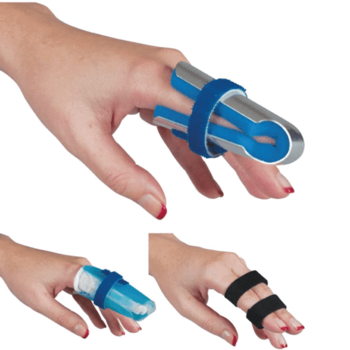
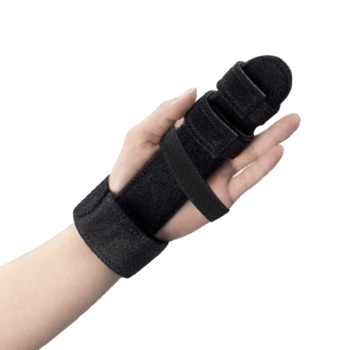
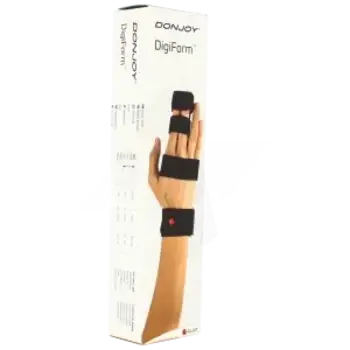
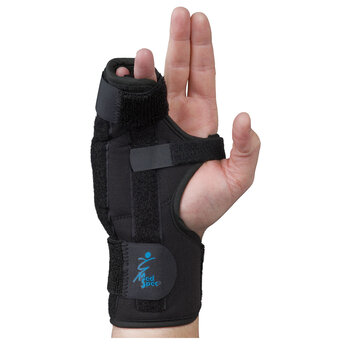
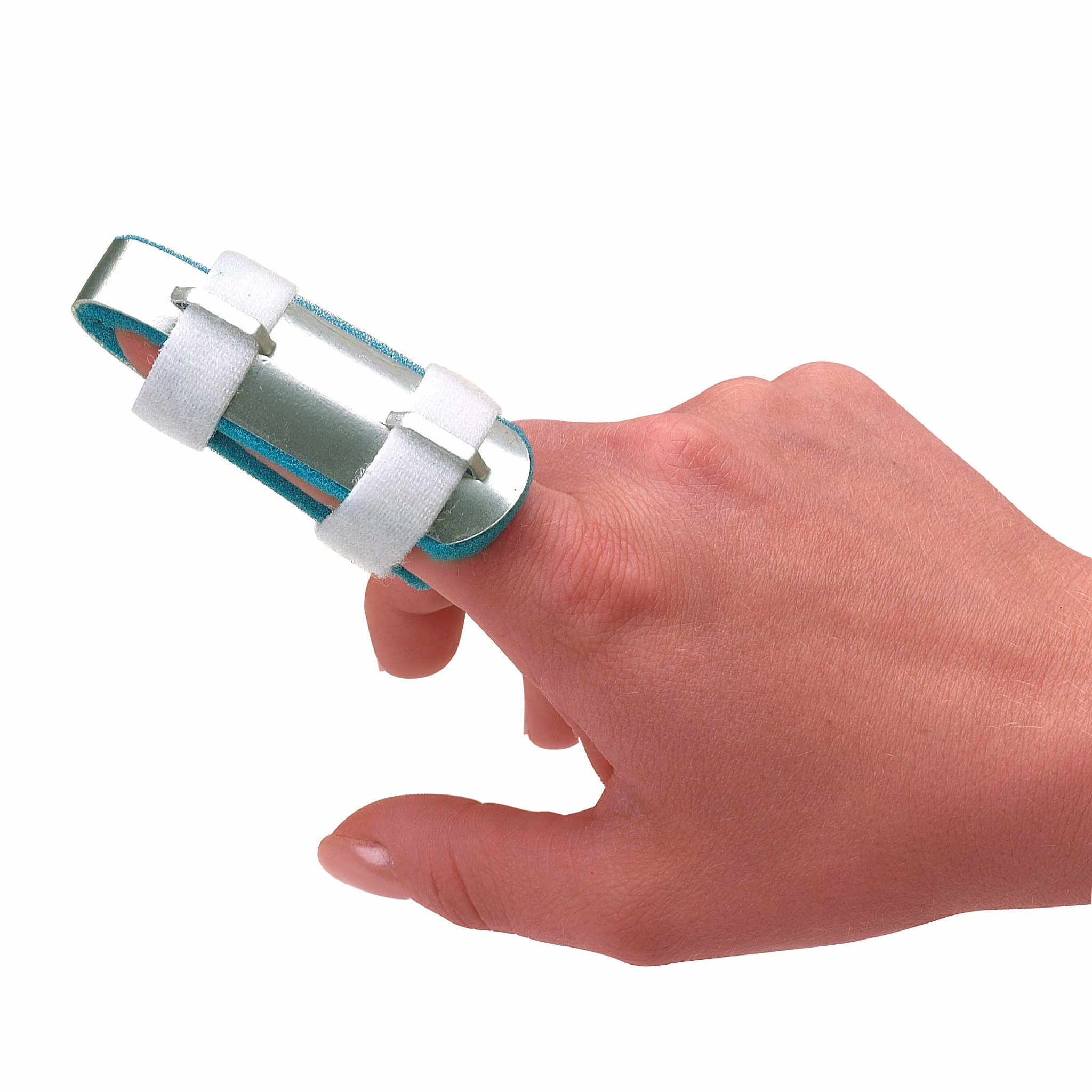
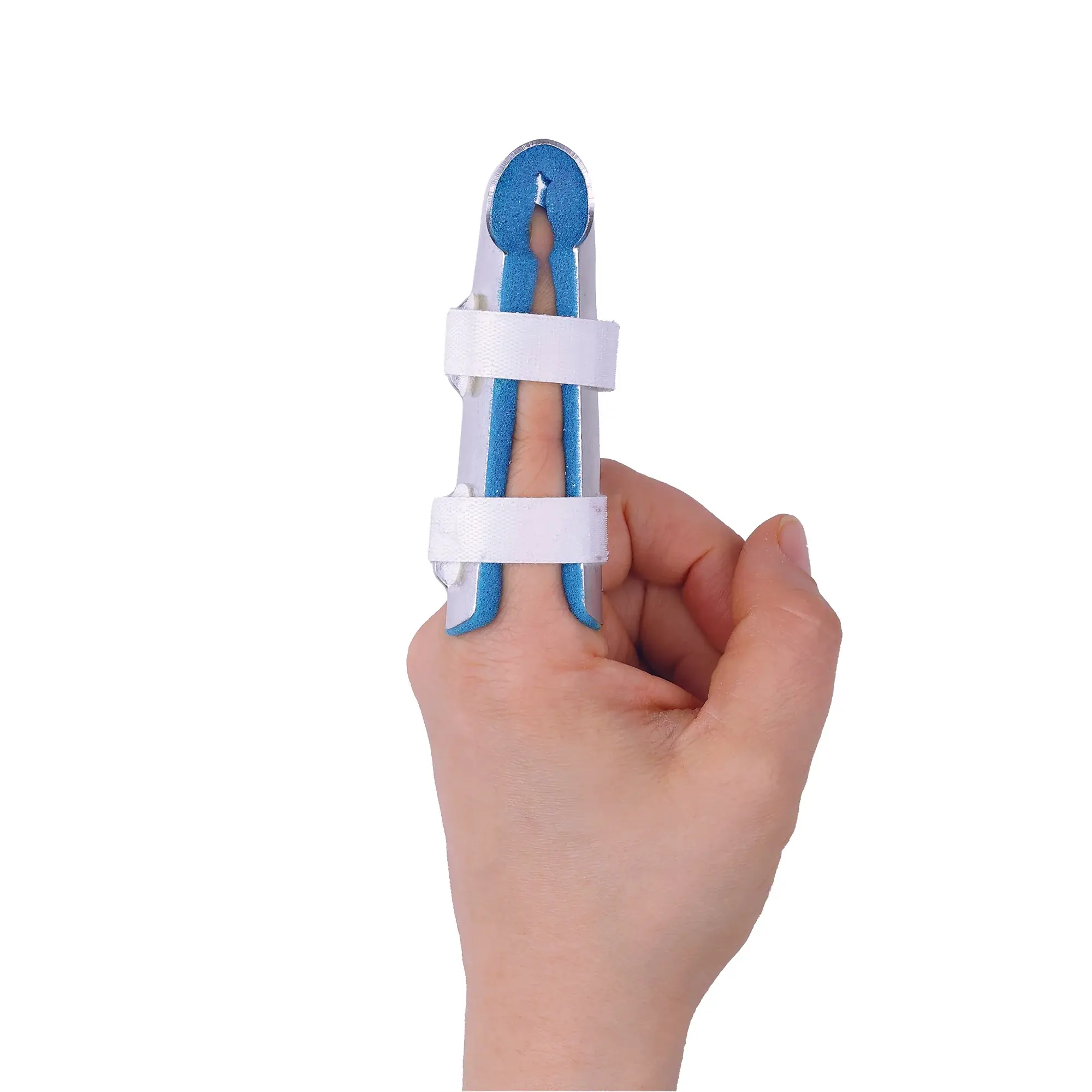
Aluminum frame with soft foam lining delivers full-length immobilization from fingertip to base while the moldable construction and adjustable closure system provide proper alignment and customized compression for fractures, sprains, and tendon injuries.
Loading…
Complete finger-length coverage ensures superior protection compared to shorter splints by preventing compensatory motion at adjacent joints. The dual-sided aluminum construction distributes stabilizing force evenly across the entire finger length, maintaining anatomical alignment from DIP to MCP joints while the foam interface minimizes pressure points and enhances patient comfort during extended wear periods.
✓ Proximal phalanx fractures (P1 fractures) ✓ Middle phalanx fractures (P2 fractures) ✓ Distal phalanx fractures (P3 fractures) ✓ Finger dislocations (PIP or DIP joint) ✓ Severe finger sprains requiring rigid support ✓ Mallet finger deformity immobilization ✓ Boutonniere deformity stabilization ✓ Flexor or extensor tendon injuries ✓ Post-reduction fracture stabilization ✓ Post-surgical finger immobilization protocols ✓ Collateral ligament tears requiring protection ✓ Crush injuries with soft tissue compromise
Pre-Application Assessment: Examine the injured finger for proper circulation, sensation, and skin integrity. If significant swelling is present, elevate the hand above heart level and apply ice (wrapped in a cloth) for 15-20 minutes before splint application. This reduces edema and improves splint fit and comfort.
Initial Splint Placement: Place the injured finger between the two padded aluminum supports with the foam lining facing the skin. The splint should extend from just beyond the fingertip to the base of the finger at the palm crease. Position the aluminum stays along the lateral (side) aspects of the finger, not the dorsal (top) or palmar (bottom) surfaces, to allow proper bilateral support.
Molding for Anatomical Fit: Gently bend and shape the aluminum supports to match your finger's natural contour. The optimal position maintains slight flexion (approximately 10-20 degrees) at all joints rather than complete extension, as this intrinsic-plus position promotes healing and comfort. Avoid aggressive bending that could compromise the structural integrity of the aluminum frame. The moldable design allows customization to accommodate individual variations in finger size and shape.
Securing the Closure: Beginning at the base of the finger, wrap the Velcro straps or apply medical tape around the splint in a spiral pattern, progressing toward the fingertip. Each wrap should overlap the previous by approximately 50%. Apply enough tension to prevent finger movement but not so tight that circulation is compromised. The closure should feel snug but not painful or constrictive.
Circulation and Neurological Checks: Immediately after application and every 2-3 hours for the first 24 hours, assess fingertip circulation and sensation. Normal findings include pink fingertip color, warm temperature, capillary refill under 2 seconds when nail bed is pressed, and intact sensation. Warning signs requiring immediate splint loosening include blue or white fingertip, coldness, numbness, tingling, or increased pain.
Wearing Duration and Schedule: For acute injuries, maintain continuous splint wear (24 hours daily) for the first 2-4 weeks or as directed by your healthcare provider. Remove only for wound inspection or hygiene if specifically authorized by your physician. For protective use during higher-risk activities, wear during sports, manual labor, or other situations where reinjury risk is elevated.
Hygiene and Maintenance Protocol: Clean the splint daily with mild soap and lukewarm water, using a soft cloth or sponge to avoid damaging the foam padding. Rinse thoroughly to remove all soap residue and allow to air dry completely before reapplication. If the splint becomes wet from perspiration or washing, temporarily replace with a backup splint if available to prevent skin maceration. Inspect the foam padding regularly for compression, tears, or degradation. Replace the splint if structural integrity is compromised or if the aluminum frame shows signs of metal fatigue or permanent deformation.
Activity Modifications: During the immobilization period, avoid activities that could jar or impact the injured finger. Modify daily tasks to protect the healing structures: use the opposite hand for fine motor tasks, avoid gripping heavy objects, and prevent finger entanglement in clothing or bedding. Adjacent uninjured fingers can typically function normally, allowing modified hand use for light activities of daily living.
Progressive Rehabilitation: Typical immobilization periods range from 3-6 weeks depending on injury severity and healing progress. Your healthcare provider will prescribe a specific timeline based on your injury type. As healing progresses, gradual weaning from continuous wear may be recommended, starting with removal during rest periods while continuing protection during activities. Never discontinue immobilization without medical clearance, as premature removal can result in malunion, nonunion, or permanent deformity.
Signs Requiring Medical Attention: Seek immediate medical evaluation if you experience: increasing pain despite appropriate immobilization, persistent numbness or tingling that doesn't resolve with splint loosening, fingertip color changes (blue, white, or dusky appearance), signs of infection (increasing redness, warmth, purulent drainage, red streaks, fever above 100.4°F), loss of finger sensation, inability to move adjacent joints, or lack of expected healing progress within anticipated timeframes.
Special Considerations: For nighttime use, ensure bedding is arranged to prevent accidental finger trauma during sleep. Some patients benefit from an additional protective glove or sock over the splinted finger to prevent entanglement in sheets. If the splint interferes with sleep due to discomfort, consult your healthcare provider rather than removing it without authorization, as healing tissues are most vulnerable to reinjury during the acute phase.
Carousel items
Testimonial items
Very welcoming and informative. We went in to rent a Walker for my mom to see if she would use it. They had no rentals left so he gave us a brand new one on rental. Highly recommend this company for all your ADL needs.
Tara Maye
The rating of this product is 5 out of 5
Fantastic service and experience, from delivery to pickup we could not have asked for anything more! We rented a hospital bed, and I do not believe you would get better service anywhere. Highly recommended!
Shawn Dillon
The rating of this product is 5 out of 5
Super friendly and very helpful! Delivered the wheelchair for me, special ordered other parts and took the time to show me how to install. I recommend!
Fiona Haines
The rating of this product is 5 out of 5
Can not thank the team at Med Supplies enough for their amazing service. We were in a tough spot till we got their help. Amazing service. Kind and respectful delivery. First class all the way. Thank you again.
Jon Beatty
The rating of this product is 5 out of 5
Ordered the chair on Sunday and it arrived Monday morning. Spoke to customer service to follow up on delivery times. It was already on my front door. Excellent and helpful staff. The product is sturdy and of good quality. Thank you for your help.
H D
The rating of this product is 5 out of 5
Excellent experience - website faithfully represented what was in stock (which hasn't always been my experience with other vendors sadly), and local shipping was really fast - ordered on the weekend, received it on Monday in my case. Thank you for being
Jason Hudson
The rating of this product is 5 out of 5
0/0
You cart is currently empty
780 409-1509
Get directions