Why the Oxygen Supply Tubing Is the Flow Continuity Boundary and the Patient Mobility Component of the Supplemental Oxygen Delivery System Simultaneously
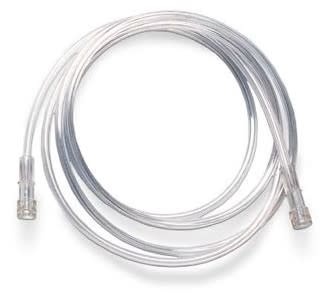
The MedPro 7-foot oxygen supply tubing serves two structurally distinct functions that are both essential to effective and practical supplemental oxygen therapy, and that a single tubing component must satisfy simultaneously. The first function is flow continuity: the oxygen supply tube is the pressurised conduit through which the oxygen output from the concentrator, cylinder regulator, or flowmeter is carried from the supply source to the patient interface — the nasal cannula or oxygen mask — without the pressure loss, flow restriction, or contamination that would reduce the oxygen concentration arriving at the patient's airway below the prescribed delivery level. Oxygen supply tubing operates at the low-flow pressures of supplemental oxygen delivery — typically 0.5–6 LPM at the pressures produced by home oxygen concentrator outlets and cylinder regulators — and the tubing's internal diameter and wall compliance must not restrict this flow or introduce significant pressure drop between the source outlet and the patient interface. Medical-grade vinyl provides the material properties required for this oxygen supply function: the vinyl wall's moderate rigidity maintains the tube's circular cross-section under the bending forces of daily use without the wall collapse that softer materials would produce at the same bend angles, while the vinyl's flexibility allows the tube to route from the source to the patient across the distance and angles of typical home and clinical oxygen setups without maintaining a fixed geometry.
The second function the oxygen tubing must satisfy simultaneously is patient mobility — providing the 7-foot connection length that allows the patient to move between positions and locations without disconnecting from the oxygen source. Supplemental oxygen patients using home concentrators or bedside oxygen systems require the ability to move within the space adjacent to the oxygen source during daily activities — transitioning from a seated to a standing position, reaching for objects nearby, or moving along the bed — without the movement being constrained by a short tubing length that runs taut and generates tension on the nasal cannula or mask when the patient moves to the extent of the tube's reach. The 7-foot length provides a mobility radius from the concentrator outlet sufficient to cover the patient's movement range in most stationary home use contexts — beside the bed, in a chair adjacent to the concentrator, or at a desk near the oxygen source — without requiring tubing extension sets that add additional connection points and potential flow restriction to the oxygen pathway. This mobility function depends on the tubing maintaining its flow continuity across the full 7-foot length even when the tube is draped over furniture edges, looped on the floor, or partially compressed under the patient's position — the vinyl wall's moderate stiffness resists the kinking at furniture contact points that would interrupt oxygen flow in a softer-walled tube.
The clear vinyl construction of the MedPro oxygen tubing addresses a specific safety and maintenance requirement of oxygen supply tubing in daily home and clinical use. Oxygen supply tubing accumulates internal condensation from the moisture content of the delivered oxygen — particularly when the oxygen source is a humidified concentrator or when the ambient temperature creates a temperature differential between the oxygen stream and the tube wall. Condensation accumulation within opaque tubing is not visible to the user or caregiver and can only be detected by the reduced flow or gurgling noise it produces at the patient interface when the water pooled in the tubing's dependent loops is drawn toward the cannula by the oxygen flow. Clear tubing allows visual inspection along the tube length for accumulated condensation, kinks at furniture contact points, or particulate contamination within the lumen — conditions that the user or caregiver can identify and address by draining the condensation, straightening the kink, or replacing the tubing before the condition produces a clinically significant flow interruption.
Standard end-piece connectors at both ends of the MedPro oxygen tubing address the cross-equipment compatibility requirement of oxygen supply tubing in the home and clinical oxygen therapy context. Most home oxygen concentrators, portable oxygen cylinder regulators, and wall-mounted hospital oxygen flowmeters use the same standard Christmas tree barb or DISS-compatible outlet fitting at their oxygen delivery ports, and most nasal cannulas and oxygen masks use the corresponding standard inlet fitting at their oxygen supply connection point. The MedPro tubing's standard connectors interface with both sides of this standard connection system without the specific-brand adapters that non-standard connectors would require, allowing the tubing to function as a universal replacement or extension component across the full range of compatible oxygen delivery equipment in both home and clinical settings.
KEY FEATURES
- 7-foot length — connection distance providing the patient's mobility radius for positional changes and local movement without disconnection from the oxygen source, covering the movement range of most stationary home and clinical oxygen use contexts
- Clear medical-grade vinyl construction — material transparency allows visual inspection along the full tube length for accumulated condensation, kinks at furniture contact points, and lumen contamination without removing the tubing from the oxygen pathway for inspection
- Moderate vinyl wall stiffness — wall rigidity maintains the tube's circular cross-section under the bending forces at furniture contact points and patient positioning angles, preventing the wall collapse that would kink the tube and interrupt oxygen flow at bend points
- Standard end-piece connectors — both-end standard oxygen connection geometry compatible with most home oxygen concentrators, cylinder regulators, hospital flowmeters, nasal cannulas, and oxygen masks without brand-specific adapters
- Lightweight flexible construction — tube mass and flexibility appropriate for routing from bedside concentrators and floor-placed cylinders across the distance and angles of home and clinical oxygen setups without the weight or stiffness that constrains routing or creates tension at the patient interface
BENEFITS
- 7-foot length allows local mobility without oxygen source disconnection — provides sufficient reach for the patient's positional changes and local movement range in most home and clinical oxygen contexts, reducing the disconnection events that shorter tubing causes during daily activity
- Clear tubing enables visual flow path inspection — condensation accumulation, kinks, and lumen contamination visible along the tube length without removal from the oxygen pathway, allowing early identification and correction of flow restriction conditions before they produce clinically significant oxygen delivery interruption
- Moderate vinyl stiffness resists kinking at furniture and position contact points — wall rigidity prevents the tube cross-section collapse that would interrupt oxygen flow at the bend points where the tubing contacts bed edges, chair arms, and floor surfaces during routine daily positioning
- Standard connectors provide universal equipment compatibility — single tubing specification connects to most oxygen concentrators, regulators, cannulas, and masks across the range of home and clinical oxygen delivery equipment without adapter requirements
- Medical-grade vinyl supports daily wear oxygen therapy use — material specification appropriate for the continuous daily contact and repeated bending and routing adjustments of supplemental oxygen therapy at the prescribed daily use duration
TYPICAL APPLICATIONS
✓ Home supplemental oxygen concentrator connection — primary supply tubing linking the home oxygen concentrator outlet to the patient's nasal cannula or oxygen mask during prescribed daily home oxygen therapy
✓ Oxygen cylinder and regulator connection — supply tubing linking portable oxygen cylinder regulator outlets to the patient's nasal cannula or mask during ambulatory cylinder use or as a backup to the home concentrator
✓ Hospital and clinical oxygen flowmeter connection — tubing linking wall-mounted hospital oxygen flowmeter outlets to nasal cannulas and oxygen masks during inpatient supplemental oxygen therapy
✓ Tubing extension for increased mobility radius — additional 7-foot tubing section to extend an existing oxygen supply tubing when the source-to-patient distance requires a longer connection than the installed tubing length provides
✓ Routine tubing replacement — scheduled replacement at the recommended interval (typically every 30 days or when visually degraded) as part of the supplemental oxygen maintenance schedule, maintaining lumen hygiene and connection integrity at both source and patient interface ends


 780 409-1509
 Get directions