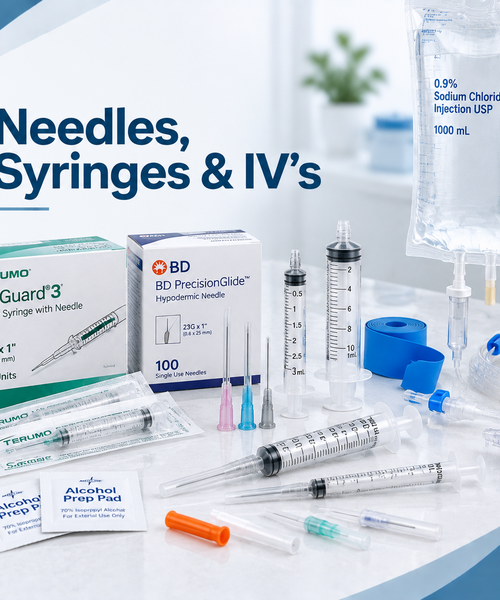
Why 18G × 1.5" Blunt Design with Integrated Filtration for Safe Ampoule Access
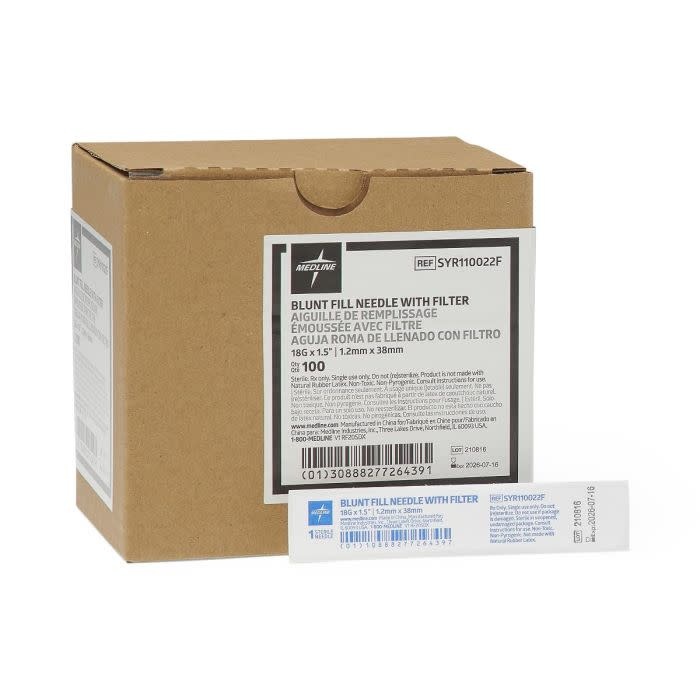
The blunt, non-coring tip design eliminates the penetrating point characteristic of conventional hypodermic needles, removing the primary mechanism of occupational needlestick injuries that expose healthcare workers to bloodborne pathogens during the high-risk medication preparation phase where approximately 30-40% of needlestick injuries occur—particularly critical given that medication preparation involves manipulating exposed needles while focusing on dose calculations, multiple vial accesses, and sterile technique maintenance that divert attention from needle point positioning, making passive safety features like blunt design more effective than reliance on perfect technique during hundreds of daily medication preparation tasks. The integrated 5-micron filter membrane positioned within the needle hub provides essential barrier protection against glass particulate contamination when accessing ampoules—the breaking process inevitably generates microscopic glass shards that traditional needles draw directly into syringes along with medication, creating dangerous foreign body injections that cause local tissue inflammation, granuloma formation, embolic phenomena when injected intravenously, and potential long-term complications from glass particle migration, while the filtration step during aspiration removes these contaminants before they enter the syringe barrel. The 18-gauge (1.3mm outer diameter) wide bore and 1.5-inch (38mm) length combination maximizes fluid flow rate during medication withdrawal from ampoules—the larger internal diameter significantly reduces aspiration time compared to smaller gauge needles, improving workflow efficiency in busy pharmacy and nursing environments, while the extended length enables complete medication recovery from the bottom of standard ampoule designs where surface tension and ampoule geometry make the final milliliter difficult to access with shorter needles, reducing medication waste and ensuring accurate dose delivery.
Key Features & Benefits
Key Features:
- 18-gauge (18G) needle with 1.3mm outer diameter
- 1.5-inch (38mm) needle length
- Blunt, non-coring tip (NOT sharp, NOT for injection)
- Integrated 5-micron filter membrane
- Wide bore for rapid fluid withdrawal
- Luer Lock compatible connection
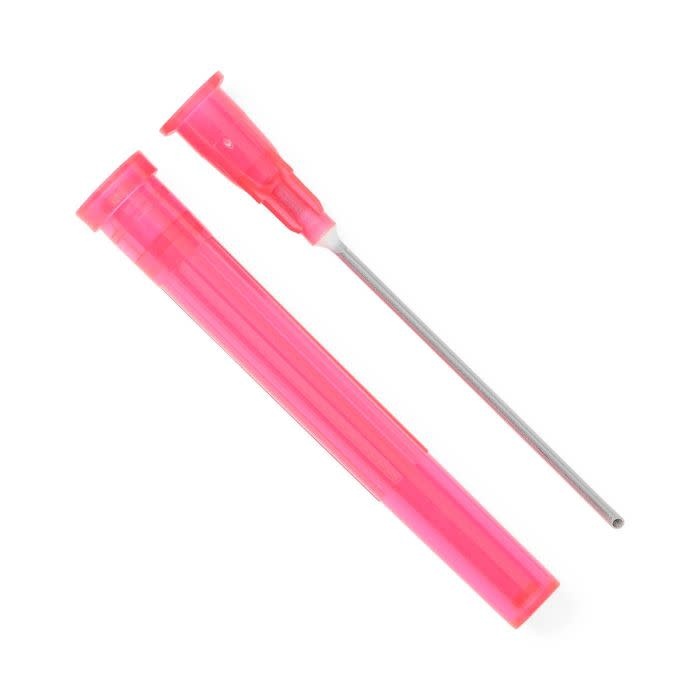
- Color-coded pink hub (18G per ISO standard)
- Stainless steel cannula
- Sterile, individually packaged
- Single-use, disposable design
- Latex-free construction
- Clearly labeled "NOT FOR INJECTION"
- Meets USP and ISO quality standards
- Available in boxes (typically 100 per box)
Benefits:
- Blunt tip eliminates needlestick injury risk during preparation
- Passive safety (no activation required)
- Protects healthcare workers from bloodborne pathogen exposure
- Integrated filter traps glass particles from ampoules
- Prevents glass shard injection into patients
- 5-micron filtration removes dangerous particulates
- 18G wide bore enables fast medication withdrawal
- Reduces preparation time
- 1.5" length reaches bottom of ampoules
- Minimizes medication waste
- Luer Lock ensures secure syringe connection
- Pink color-coding enables instant identification
- Sterile packaging ensures infection control
- Single-use prevents cross-contamination
- Latex-free protects sensitive staff and patients
- Clear labeling prevents accidental patient use
Clinical Applications
Blunt Fill Needles 18G × 1.5" with Filter are appropriate for:
✓ Drawing medication from glass ampoules (primary use) ✓ Pharmacy sterile compounding ✓ Hospital medication preparation ✓ IV admixture preparation ✓ Chemotherapy preparation (with CSTD when required) ✓ Emergency department medication preparation ✓ Operating room medication preparation ✓ Clinic medication preparation ✓ Long-term care facility medication preparation ✓ Home infusion pharmacy preparation ✓ Reducing needlestick injuries during preparation ✓ Preventing glass particle contamination ✓ High-volume medication preparation settings ✓ ANY ampoule access requiring particle filtration ✓ NOT for vial access (blunt tip cannot penetrate rubber stoppers easily) ✓ NOT for patient injection (blunt cannot penetrate skin)
Usage & Application
CRITICAL SAFETY WARNING: Blunt fill needles are NOT FOR INJECTION. These devices are designed ONLY for medication preparation from ampoules. The blunt tip CANNOT penetrate skin and should NEVER be used for patient injection.
Pre-Use Preparation:
- Verify appropriate use:
- ONLY for drawing from ampoules
- NOT for vial access (blunt tip requires excessive force on rubber stoppers)
- NOT for patient injection (cannot penetrate skin)
- Check packaging:
- Verify sealed package intact
- Check expiration date
- Ensure "NOT FOR INJECTION" label visible
- Inspect device:
- Check blunt tip undamaged
- Verify filter intact
- Check Luer Lock threads
- Gather supplies:
- Blunt fill needle 18G × 1.5" with filter
- Appropriate syringe (Luer Lock)
- Glass ampoule containing medication
- Alcohol swab
- Sterile gauze
- Sharps container
- Hand hygiene and don gloves
Preparing Ampoule:
- Inspect ampoule:
- Check medication name, concentration, expiration
- Verify ampoule undamaged
- Check solution clarity
- Tap ampoule:
- Tap top gently to move fluid from neck to body
- Ensures medication in lower chamber
- Clean ampoule neck:
- Wipe neck with alcohol swab
- Allows clean break
- Break ampoule:
- Wrap neck with gauze or alcohol swab
- Hold ampoule body firmly
- Break away from you (prevents glass injury)
- Should snap cleanly at scored line
- Discard top in sharps container
- Inspect broken edge:
- Check for glass shards on rim
- Glass contamination inevitable (this is why filter needed)
Drawing Medication with Blunt Fill Needle:
- Attach blunt fill needle to syringe:
- Use Luer Lock syringe
- Align threads
- Push and twist clockwise until secure
- Tug to verify tight connection
- Remove needle cap:
- Pull straight off
- Verify blunt tip (should see flat, non-sharp end)
- Insert blunt needle into ampoule:
- Tilt ampoule at angle (approximately 45 degrees)
- Insert blunt tip into liquid
- Blunt tip will not break remaining glass (safe)
- Keep tip submerged
- Withdraw medication:
- Pull plunger slowly and steadily
- Do NOT aspirate too rapidly:
- Can draw air through filter
- May aerate medication
- 18G wide bore enables smooth, rapid aspiration
- 1.5" length reaches bottom of ampoule:
- Tilt ampoule as needed
- Angle to access last drops
- Minimizes waste
- Complete withdrawal:
- Continue until maximum medication recovered
- 18G bore and filter may slow flow slightly compared to non-filter needles
- Be patient for complete aspiration
- Remove needle from ampoule:
- Pull straight out
- Discard empty ampoule in glass waste or sharps container
Managing Air Bubbles:
- Air in syringe normal:
- Some air aspiration common
- Filter may allow small air passage
- Remove air:
- Hold syringe vertical with blunt needle up
- Tap barrel to float bubbles
- Push plunger gently to expel air:
- Some medication will come through blunt tip
- Safe (blunt won't injure anyone)
- Adjust to exact dose
CRITICAL: Replacing Blunt Needle Before Injection:
NEVER attempt to inject with blunt fill needle. ALWAYS replace with sharp needle before patient injection.
- Remove blunt fill needle:
- Hold syringe barrel firmly
- Twist blunt needle counterclockwise to unscrew
- Pull off Luer Lock connection
- Place in sharps container immediately
- Attach sharp needle for injection:
- Select appropriate gauge and length for injection route
- Attach Luer Lock injection needle
- Push and twist clockwise until secure
- Remove shield
- Prime new needle (if needed):
- Push plunger slightly to remove air
- Verify dose correct
- Proceed with injection:
- Follow appropriate technique for route
- Never use blunt needle for injection
Post-Use Care:
- Dispose of blunt fill needle:
- Place in sharps container (even though blunt)
- Do NOT place in regular trash
- Hospital policy typically requires sharps disposal
- If medication not used immediately:
- Label syringe clearly:
- Medication name and concentration
- Volume
- Date and time prepared
- Your initials
- Store per medication requirements
- Hand hygiene
Special Techniques:
Multiple ampoule draws:
- Can use same blunt fill needle for multiple ampoules of same medication
- Maintains sterility and filtration
- Replace when switching medications
- Follow facility policy on reuse within single preparation session
Small volume ampoules:
- May need to angle significantly
- 1.5" length advantageous for recovery
- Use smallest appropriate syringe for accuracy
Viscous medications:
- 18G bore handles viscous solutions well
- May need slightly longer aspiration time
- Warm medication if appropriate
Troubleshooting:
Difficult to aspirate medication:
- Blunt tip requires more patience than sharp needles
- Pull plunger slowly and steadily
- Ensure tip fully submerged
- Tilt ampoule to access medication
- Filter may create some resistance (normal)
Air drawing into syringe:
- Tip may not be fully submerged
- Angle ampoule to keep medication at opening
- Small air bubbles acceptable (remove after withdrawal)
Cannot push medication through blunt needle (if accidentally trying to inject):
- This is by design—blunt cannot inject
- Must replace with sharp needle
- Never force
Blunt needle won't attach to syringe:
- Verify both Luer Lock
- Check threads not damaged
- Ensure proper alignment
Filter seems clogged:
- Possible if aspirating very slowly or if filter loaded with particles
- Use steady, moderate aspiration speed
- Should not be issue with normal use
Glass particles visible in syringe despite filter:
- Very rare if using 5-micron filter properly
- Verify filter intact
- May be air bubbles (not glass)
- If concerned, use additional filter needle or discard
Special Considerations:
Chemotherapy preparation:
- Blunt fill needles reduce needlestick risk
- Use with Closed System Transfer Devices (CSTD) per USP <800> for hazardous drugs
- Integrated filter beneficial
- Follow facility hazardous drug protocols
Pediatric dosing:
- Accurate measurement critical
- 18G allows rapid withdrawal for efficiency
- Filter ensures no glass particles
- Always replace with appropriate pediatric needle
Emergency medications:
- Blunt fill enables safe rapid preparation
- 18G bore speeds preparation time
- Filter mandatory for ampoule medications
- Replace with sharp needle before administration
Pharmacy compounding:
- Standard for sterile compounding from ampoules
- Reduces needlestick injuries in high-volume preparation
- Filter essential for IV admixtures
- Follow USP <797> standards
High-volume preparation:
- Blunt fill needles reduce cumulative needlestick risk
- Ergonomic (no fear of sharp injuries)
- Faster workflow with reduced stress
- Cost-effective versus injury treatment
Home infusion pharmacy:
- Safe for pharmacy technicians and pharmacists
- Reduces workers' compensation claims
- Improves staff safety culture
Advantages of Blunt Fill Needles:
vs. Sharp Needles for Ampoule Access:
- Blunt advantages:
- Eliminates needlestick injuries during preparation
- Safer for staff
- Reduces bloodborne pathogen exposure
- Integrated filter removes glass
- Same or better medication recovery
- Sharp needle disadvantages:
- High injury risk during preparation
- No filtration (glass particles drawn into syringe)
- Requires extra filtering step
vs. Filter Straws (separate filters):
- Blunt fill needle advantages:
- Single device (needle + filter integrated)
- Faster workflow
- Reduces assembly steps
- Safer (blunt design)
- Filter straw disadvantages:
- Requires separate device
- Additional step
- Still uses sharp needle
Regulatory and Safety:
OSHA Bloodborne Pathogens Standard:
- Recommends engineering controls to eliminate needlestick injuries
- Blunt fill needles meet this requirement
- Reduces workplace injuries
USP <797> Pharmaceutical Compounding:
- Addresses sterile compounding
- Filtration required for ampoule access
- Blunt fill needles meet standards
USP <800> Hazardous Drugs:
- Blunt devices reduce exposure risk
- Use with CSTD for hazardous drugs
- Part of comprehensive safety program
Needlestick Safety and Prevention Act:
- Mandates safer needle devices
- Blunt fill needles comply
- Proven to reduce injuries
Infection Control:
- Aseptic technique required
- Never reuse between patients
- Single-use only
- Follow sterile compounding practices
- Dispose in sharps container
Cost-Benefit Analysis:
Initial cost:
- Blunt fill needles more expensive than sharp needles
- Integrated filter adds cost
Savings:
- Reduces needlestick injuries (treatment costs $500-$3,000+ per injury)
- Reduces workers' compensation claims
- Reduces staff time lost
- Improves staff morale and safety
- Eliminates separate filter purchase
Overall:
- Cost-effective when injury prevention factored
- Standard of care in many facilities
Storage:
- Store at room temperature
- Keep in original packaging until use
- Protect from damage
- Check expiration dates
- Rotate stock using FIFO
- Typical shelf life 5 years
When to Contact Supervisor/Pharmacy:
- Questions about appropriate use
- Accidentally used for injection attempt (report immediately)
- Filter appears damaged
- Glass particles suspected in prepared medication
- Needlestick injury occurs (rare but report)
Technical Specifications
Product Details:
- Product Type: Blunt fill needle with integrated filter
- Needle Gauge: 18G (1.3mm outer diameter)
- Needle Length: 1.5 inch (38mm)
- Tip Design: Blunt, non-coring (NOT sharp)
- Filter: Integrated 5-micron membrane filter
- Filter Location: In needle hub
- Filter Type: Typically polyethersulfone (PES) or similar
- Needle Material: Stainless steel cannula
- Hub Color: Pink (18G per ISO 6009 color coding)
- Connection: Luer Lock compatible
- Sterility: Sterile until opened
- Sterilization Method: Ethylene oxide (EtO) or gamma radiation
- Latex Content: Latex-free (no natural rubber latex)
- Labeling: Clearly marked "NOT FOR INJECTION" or "FOR ASPIRATION ONLY"
- Packaging: Individually packaged, rigid protective shield
- Box Quantity: Typically 100 per box
- Intended Use: Drawing medication from ampoules with particle filtration
- NOT Intended For: Patient injection, vial access (difficult with blunt tip)
- Shelf Life: Typically 5 years from manufacture
- Storage: Room temperature, dry conditions
- Regulatory Status: FDA-cleared medical device
- Standards Compliance:
- ISO 7864 (sterile needles)
- USP <797> (pharmaceutical compounding)
- OSHA Bloodborne Pathogens Standard


 780 409-1509
 Get directions