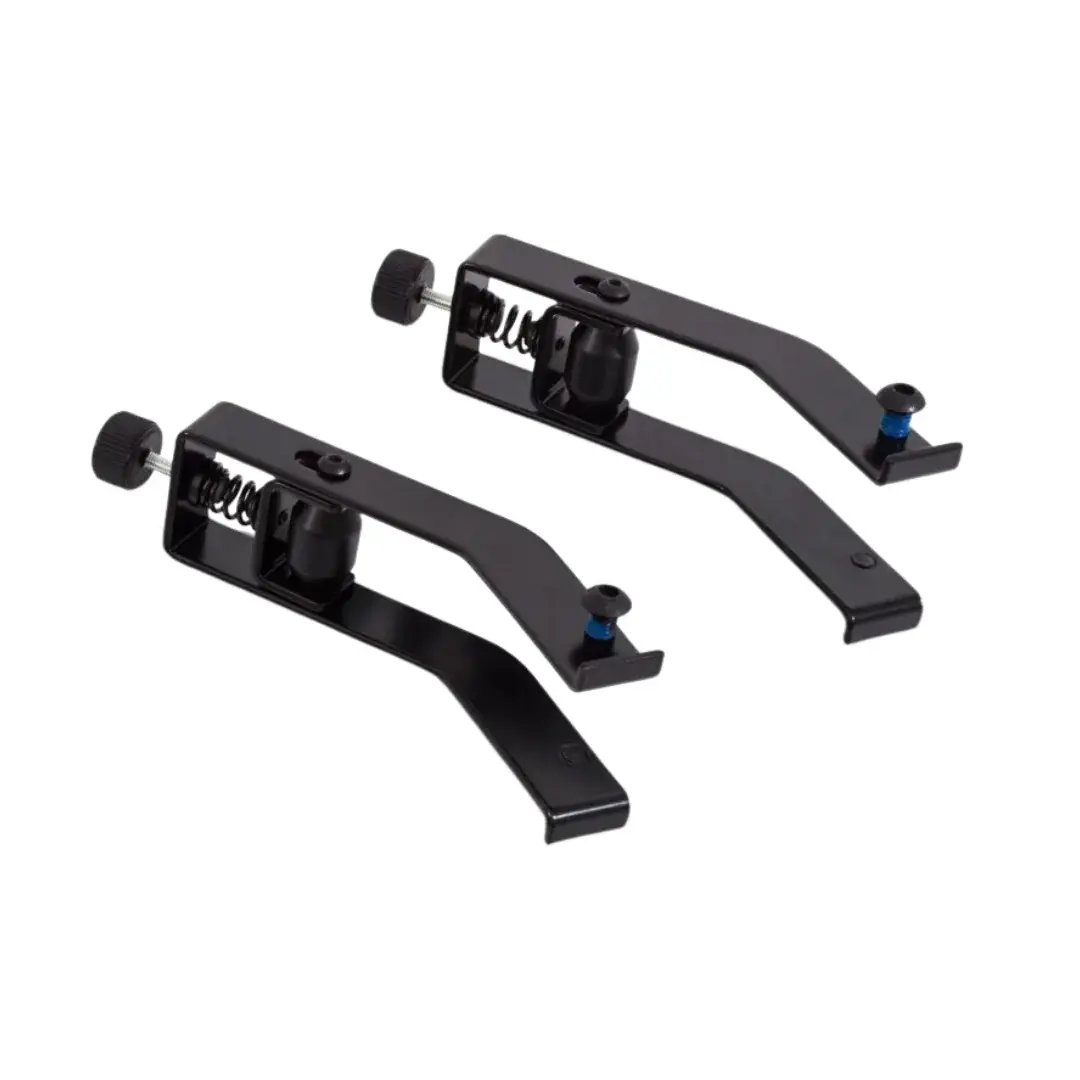
Human Care® neXus III Slow Down Brake — Pair
The Human Care® neXus III Slow Down Brake is a rear-wheel accessory designed to add controlled resistance and help prevent the rollator from moving too quickly. The current neXus accessory reference is 93122 and the brakes are supplied as a pair, with one brake for each rear wheel.
Verified OEM Reference: Human Care's current neXus 3 accessory documentation identifies the Slow Down Brake as Article 93122 and states that it is delivered in pairs. The current Canadian neXus 3 page lists the same accessory. Older neXus 3 manuals may refer to the slow-down brake as Model 4950; use 93122 as the current accessory article number when ordering the present part.
Article 93122
Current Human Care reference for the neXus slow-down brake.
Pair
Includes a brake for the right rear wheel and a brake for the left rear wheel.
Controlled Walking Speed
Adds resistance to help prevent the rollator from moving too fast.
Tool-Free Design
Human Care's current assembly instructions describe installation without removing the wheel.
Why Choose the Human Care® neXus III Slow Down Brake?
The neXus 3 Slow Down Brake is designed for users who benefit from additional control over the rollator's walking speed. It applies adjustable resistance at the rear wheels, helping reduce unwanted rolling speed while the user is walking.
The accessory is especially useful when a rollator tends to move too quickly for the user's preferred pace. Human Care's current design is easy to assemble and attaches to the rear wheel area without requiring the wheel to be removed.
Key Features
- Human Care® neXus 3 Slow Down Brake.
- Current article number: 93122.
- Delivered as a pair.
- One brake for the right rear wheel and one for the left rear wheel.
- Designed for the neXus rollator family, including neXus 3 and neXus One accessory listings.
- Helps prevent the rollator from moving too fast.
- Provides controlled walking resistance.
- Easy to adjust.
- Current Human Care instructions describe a tool-free installation method.
- Designed to click onto the rear wheel area without removing the wheel.
- Replacement/service accessory for compatible Human Care rollators.
Benefits
- Helps regulate walking speed and reduce excessive rollator momentum.
- Provides resistance at both rear wheels when the complete pair is installed.
- Adjustable resistance can be tailored to the user's preferred level of control.
- Current design is convenient to install and adjust.
- Can improve control for users who find the rollator too free-rolling.
- OEM replacement helps restore the original neXus braking accessory configuration.
Common Applications
- Human Care neXus 3 rollator speed control.
- neXus One accessory applications where the same accessory is specified.
- Users who need additional rolling resistance.
- Replacement of worn or damaged slow-down brakes.
- Home-care, rehabilitation and community mobility.
Product Identification
| Brand |
Human Care® |
| Product |
Slow Down Brake |
| Article Number |
93122 |
| Package |
Pair |
| Wheel Position |
Rear wheels |
| Function |
Controlled rolling resistance |
How the Slow Down Brake Works
The brake creates friction against the rear wheel, adding continuous resistance while the rollator is moving. Human Care describes the accessory as a way to prevent the rollator from moving too fast and enable a controlled walking speed.
The resistance can be adjusted to suit the user's needs. It should provide useful control without making the rollator unnecessarily difficult to push.
This is a slow-down accessory, not the primary parking brake. The neXus 3's normal brake handles and parking-brake function remain essential for stopping and securing the rollator.
Compatibility
| neXus 3 |
Compatible — current accessory article 93122 |
| neXus One |
Listed by Human Care — confirm exact model/configuration |
Usage and Safety Information
Install the slow-down brakes according to Human Care's assembly instructions. The current 93122 instructions describe installation on the rear wheels and specify a brake for each side.
After installation, test the rollator at low speed on a level surface. Adjust the resistance gradually and confirm that both rear wheels have appropriate contact with the slow-down mechanism.
Do not use the slow-down brake as a substitute for the normal parking brake. Engage the rollator's parking brakes before sitting on the seat and whenever the rollator needs to remain stationary.
Inspect the brake assemblies and mounting points regularly. Do not use the rollator if a brake is loose, damaged, incorrectly positioned or interfering excessively with wheel rotation.
Human Care's neXus 3 manual states that only an authorized service agent should install a slow-down brake. Follow the current manufacturer's instructions for your specific model.
Product and Ordering Information
This listing covers the Human Care® neXus 3 Slow Down Brake, supplied as a pair.
- Brand: Human Care®.
- Product: Slow Down Brake.
- Current article number: 93122.
- Package: 1 pair.
- Application: Rear wheels.
- Primary compatibility: Human Care neXus 3.
- Also listed in Human Care's neXus One accessory range.
- Function: Prevents excessive rollator speed and enables controlled walking speed.
- Adjustment: Adjustable resistance.
- Current installation design: Tool-free, click-on installation without removing the wheel.
- Older neXus 3 manual reference: Model 4950.
Important: The current Human Care article number for the neXus Slow Down Brake is 93122, supplied as a pair. Older manuals may identify the slow-down brake as Model 4950. This accessory adds rolling resistance and does not replace the rollator's normal parking brake.

 780 409-1509
 Get directions