Why Specialized Diabetic Socks for Foot Health and Circulation
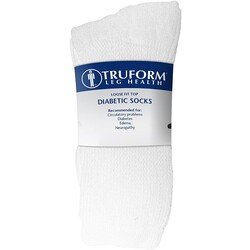
Diabetic socks represent essential medical protective equipment addressing life-threatening foot complications arising from diabetes mellitus—a condition causing peripheral neuropathy (nerve damage reducing sensation in feet and legs), peripheral arterial disease (reduced blood circulation to extremities), and impaired wound healing creating devastating cascade where minor foot injuries progress undetected through infected wounds to ulcerations, gangrene, and ultimately limb amputation. Diabetes-related foot complications cause 73,000+ lower extremity amputations annually in United States alone—catastrophic outcomes frequently preventable through proactive diabetic foot care including specialized non-constricting hosiery protecting vulnerable feet from pressure, friction, moisture, and circulation restriction that healthy individuals tolerate without consequence but diabetic patients cannot. Specialized diabetic socks like Truform's design eliminate constriction, pressure points, irritation sources, and moisture accumulation that transform minor foot issues into medical emergencies for diabetic populations requiring extraordinary foot protection.
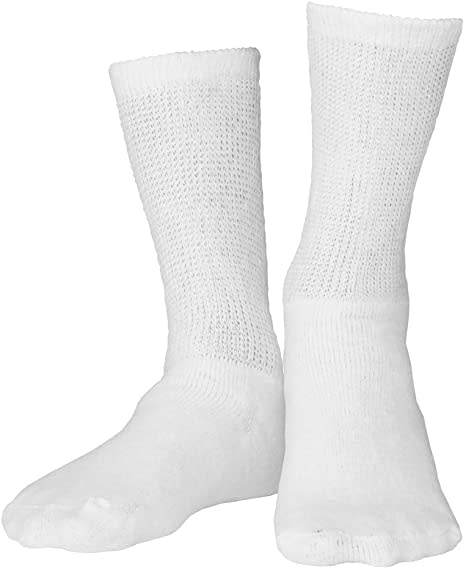
The non-constricting loose-fit design addresses fundamental circulation concerns for diabetic patients experiencing peripheral arterial disease reducing blood flow to feet and legs—any additional circulation restriction from tight elastic bands, constricting sock tops, or compressive materials dangerously compounds existing arterial insufficiency, potentially causing tissue ischemia, necrosis, and amputation risk. Standard socks feature tight elastic bands holding socks up through circumferential pressure that healthy circulation easily tolerates but diabetic circulation cannot—these constricting bands create pressure rings visible as deep indentations around calves, restricting venous return and arterial inflow essential for tissue oxygenation and wound healing. Diabetic socks employ gentle stretch technology maintaining sock position through light contact rather than constricting pressure, enabling blood circulation flow unimpeded while preventing sock slippage causing friction blisters.
The seamless or minimal-seam construction prevents pressure points, friction, and irritation that healthy feet tolerate but diabetic neuropathy transforms into serious complications. Normal sensation enables immediate detection of uncomfortable seams, wrinkles, or foreign objects in footwear, prompting adjustment before tissue damage occurs—diabetic neuropathy eliminates this protective warning system, allowing continuous pressure from sock seams to create blisters, abrasions, or ulcerations developing unnoticed until visual inspection reveals advanced wounds requiring aggressive medical intervention. Diabetic socks minimize internal seam exposure through flat-seam construction, seamless knitting, or strategic seam placement away from pressure areas, protecting insensate feet from tissue damage healthy sensation would prevent.
The natural cotton-rich blend provides superior moisture management essential for diabetic foot health—excessive moisture creates ideal environment for bacterial and fungal proliferation causing athlete's foot, toenail fungus, and skin breakdown between toes where moisture accumulates. Diabetic patients face elevated infection risk due to compromised immune function and impaired wound healing—infections healthy individuals clear quickly become serious diabetic complications requiring antibiotics, hospitalization, or amputation. Cotton's natural moisture-wicking properties transport perspiration away from skin surface through capillary action while natural fiber breathability promotes air circulation preventing moisture accumulation. This moisture management maintains dry foot environment inhospitable to pathogenic organisms, protecting vulnerable diabetic feet from preventable infections.
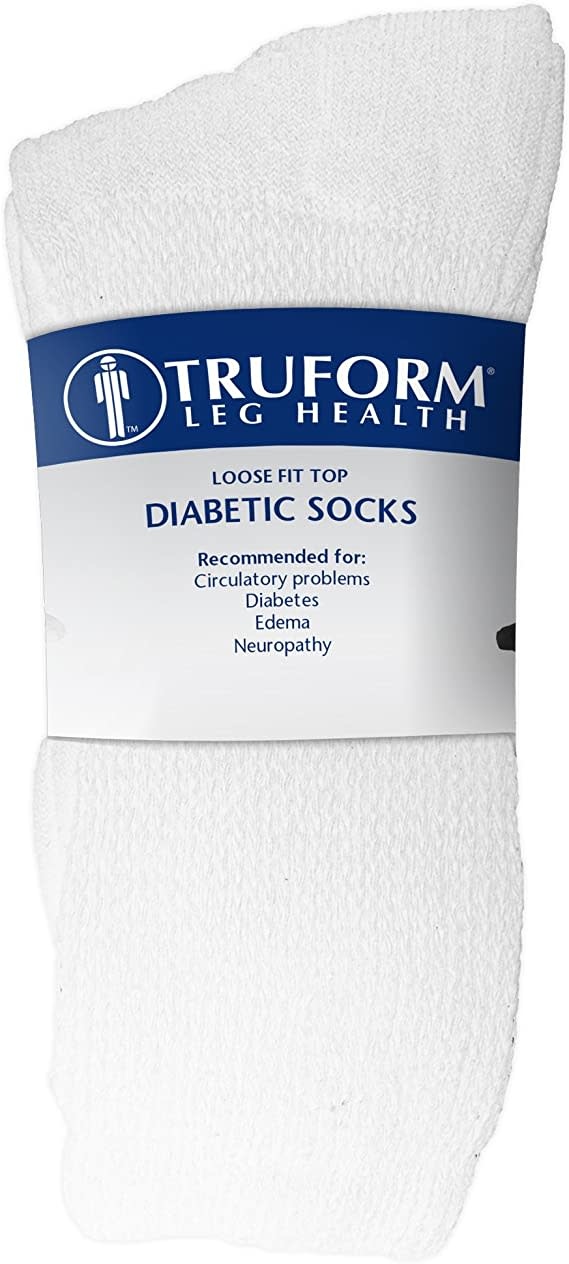
The white color provides critical visual monitoring advantage for diabetic foot care protocols requiring daily foot inspection detecting early signs of injury, infection, or circulation compromise before progression to serious complications. White socks immediately reveal blood, drainage, or discoloration indicating wounds requiring urgent attention—dark-colored socks conceal these warning signs, delaying detection until advanced stages when amputation risk increases dramatically. Healthcare providers universally recommend white socks for diabetic patients specifically because visible staining enables early intervention preventing catastrophic outcomes. The three-pair pack provides adequate rotation supporting daily sock changes essential for hygiene while maintaining affordability for patients managing diabetes-related healthcare costs.
Key Features & Benefits
Non-Constricting Loose-Fit Design
- NO tight elastic bands restricting circulation
- Gentle stretch maintains position without constriction
- Prevents pressure rings around calves
- Essential for peripheral arterial disease patients
- Enables unimpeded blood flow to feet
- Reduces ischemia and tissue damage risk
- Protects vulnerable diabetic circulation
Seamless or Minimal-Seam Construction
- Eliminates pressure points from prominent seams
- Prevents friction and irritation on insensate feet
- Flat-seam technology where seams unavoidable
- Strategic seam placement away from pressure areas
- Critical for neuropathy patients lacking protective sensation
- Prevents blister and ulceration formation
- Protects feet unable to detect discomfort warnings
Premium Cotton-Rich Blend
- Natural cotton majority composition
- Superior moisture-wicking properties
- Excellent breathability prevents moisture accumulation
- Soft, non-irritating against sensitive skin
- Hypoallergenic natural fiber
- Reduces fungal and bacterial infection risk
- Comfortable for all-day and overnight wear
Superior Moisture Management
- Wicks perspiration away from skin surface
- Keeps feet dry throughout day
- Prevents maceration between toes
- Reduces athlete's foot and fungal infection risk
- Essential for diabetic infection prevention
- Promotes healthy foot environment
- Natural fiber advantage over synthetics
Crew Length Protective Coverage
- Ankle to lower calf coverage
- Protects vulnerable lower leg skin
- Prevents shoe friction on ankles
- Appropriate length for daily footwear
- Comfortable fit without excess fabric bunching
- Professional appearance with casual or dress wear
- Versatile for various activities and footwear
Crisp White Color for Visual Monitoring
- Immediately reveals blood, drainage, or discharge
- Enables early wound detection
- Essential for daily foot inspection protocols
- Healthcare provider recommended color
- Visible staining prompts urgent attention
- Critical safety feature for insensate feet
- Prevents delayed complication detection
Convenient 3-Pair Pack
- Adequate supply for regular rotation
- Supports daily sock changes for hygiene
- Cost-effective multi-pair value
- Reduces laundry frequency needs
- Ensures clean socks always available
- Budget-friendly for ongoing diabetic care
- Practical for establishing foot care routine
Crew Sock Versatility
- Appropriate for daily wear
- Comfortable for sleeping (non-constricting)
- Suitable for lounging and relaxation
- Professional appearance for work settings
- Compatible with various shoe styles
- All-day to overnight comfort
- Multi-purpose diabetic foot protection
Soft Non-Irritating Fabric
- Gentle on fragile diabetic skin
- Prevents skin breakdown from friction
- Comfortable against sensitive feet
- No rough textures or harsh materials
- Appropriate for compromised skin integrity
- Reduces irritation-related complications
- Encourages consistent protective sock wear
Value-Priced Essential Diabetic Care
- TruForm quality at accessible pricing
- Makes specialized diabetic socks affordable
- Cost-effective ongoing foot protection
- Essential medical equipment without premium cost
- Budget-friendly for fixed-income diabetics
- Practical for purchasing multiple packs
- Accessible preventive care investment
Machine Washable Easy Care
- Simple laundry care maintains hygiene
- Machine wash cold gentle cycle
- Tumble dry low or air dry
- Maintains softness through washing
- Durable construction withstands frequent washing
- Practical for daily use rotation
- Easy maintenance encourages consistent wear
Clinical Applications and Diabetic Foot Care
Essential for individuals with: ✓ Type 1 or Type 2 diabetes mellitus requiring protective footwear ✓ Diabetic peripheral neuropathy (reduced sensation in feet and legs) ✓ Diabetic peripheral arterial disease (reduced circulation to extremities) ✓ History of diabetic foot ulcers requiring prevention protocols ✓ Charcot foot or other diabetic foot deformities ✓ Sensitive feet prone to irritation and blistering ✓ Circulation concerns requiring non-constricting hosiery ✓ Edema or swelling requiring loose-fit socks ✓ Compromised immune function increasing infection risk ✓ Impaired wound healing characteristic of diabetes ✓ Elderly diabetic patients with fragile skin ✓ Post-amputation on remaining limb requiring protection ✓ Nighttime leg comfort during sleep (non-constricting) ✓ Daily diabetic foot care protocols and inspection routines ✓ Anyone advised by healthcare provider to avoid constricting hosiery
Critical Role in Diabetic Foot Care: Specialized diabetic socks form essential component of comprehensive diabetic foot care:
- Prevention: Protects feet from friction, pressure, moisture causing complications
- Early Detection: White color enables visual monitoring for early intervention
- Circulation Protection: Non-constricting design preserves compromised blood flow
- Infection Prevention: Moisture management reduces bacterial and fungal growth
- Comfort: Encourages consistent protective sock wear through comfortable design
Diabetic Foot Care Protocol Integration:
Daily Routine:
- Morning Inspection: Examine feet thoroughly before putting on socks
- Clean Socks: Apply fresh diabetic socks daily
- Proper Footwear: Wear with properly fitted diabetic shoes
- Evening Inspection: Remove socks and examine feet for injuries, blisters, discoloration
- Foot Hygiene: Wash feet daily, dry thoroughly especially between toes
- Sock Rotation: Use 3-pair pack for daily fresh sock availability
When to Contact Healthcare Provider:
Immediate - Seek Emergency Care:
- Wounds or ulcers on feet
- Signs of infection (redness, warmth, swelling, drainage, fever)
- Sudden color changes (pale, blue, black)
- Loss of sensation or increased numbness
- Severe pain in feet or legs
Urgent - Contact Same Day:
- Blisters or skin breakdown
- Persistent redness or irritation
- Unusual swelling
- Foul odor from feet
- Toenail problems or ingrown nails
Important Considerations:
- Diabetic socks are NOT compression socks—never use compression hosiery without physician approval
- Always inspect feet daily regardless of sock type
- Proper diabetic footwear essential in addition to diabetic socks
- Regular podiatry visits critical for diabetic foot health
- Blood sugar control fundamental to preventing complications
- Follow healthcare provider's complete diabetic foot care plan
Usage & Application
For Daily Diabetic Foot Protection: Truform Diabetic Crew Socks provide essential non-constricting protection for vulnerable diabetic feet requiring gentle, moisture-wicking, protective hosiery as part of comprehensive diabetic foot care protocol recommended by healthcare providers.
Daily Application Routine
- Morning Foot Inspection:
- Thoroughly examine both feet before applying socks
- Check for cuts, blisters, redness, swelling, discoloration
- Inspect between toes for moisture or skin breakdown
- Use mirror to see bottom of feet if needed
- Document any concerns and report to healthcare provider
- Foot Preparation:
- Wash feet with mild soap and lukewarm water
- Dry feet completely, especially between toes
- Apply moisturizer to dry areas (NOT between toes)
- Ensure feet completely dry before applying socks
- Trim toenails straight across (or have podiatrist do so)
- Sock Application:
- Select clean, fresh diabetic socks daily
- Gently pull sock onto foot ensuring no wrinkles
- Smooth sock completely flat against skin
- Verify no bunching, wrinkles, or twisted fabric
- Ensure loose-fit top comfortable without constriction
- Check that seams (if present) not creating pressure points
- Repeat for second foot
- Fit Verification:
- Socks should feel comfortable and loose
- NO tight bands or constriction around calf
- NO wrinkles or bunching anywhere
- Fabric smooth against all foot surfaces
- Comfortable for immediate all-day wear
- Can move toes freely and comfortably
Daily Wear Guidelines
- Duration: All waking hours for foot protection
- Nighttime: Can wear to bed (non-constricting design safe)
- Activity: Appropriate for all daily activities
- Footwear: Always wear with properly fitted diabetic shoes
- Change Daily: Essential for hygiene and moisture management
- Visual Monitoring: Check socks throughout day for staining
- Evening Removal: Inspect feet thoroughly when removing socks
Footwear Compatibility
- Diabetic Shoes: Designed specifically for diabetic foot protection
- Athletic Shoes: Comfortable, supportive, non-restrictive
- Casual Shoes: Properly fitted with adequate toe box
- NEVER: Tight shoes, high heels, sandals exposing feet to injury
- Professional Fitting: Diabetic shoes should be professionally fitted
- Adequate Space: Shoes must accommodate diabetic socks without crowding
Care and Maintenance
- Daily Washing Essential:
- Wash socks after EVERY wearing
- Machine wash cold water, gentle cycle
- Use mild detergent
- NEVER bleach (harsh on cotton and skin)
- Avoid fabric softeners (reduces absorbency)
- Drying:
- Tumble dry low heat
- Air dry also acceptable
- Ensure completely dry before wearing
- Never wear damp socks (infection risk)
- Rotation System:
- Three-pair pack enables every-other-day rotation
- Always have clean socks available
- Consider purchasing multiple packs for larger rotation
- Replace worn or damaged socks immediately
- Replacement:
- Replace when elastic becomes loose
- Replace if fabric becomes thin or worn
- Replace immediately if holes or damage develop
- Maintain protective properties through timely replacement
- Typical lifespan: 3-6 months with daily wear
White Sock Visual Monitoring
Throughout day, periodically check white socks for:
- Blood Stains: Indicate wounds requiring immediate attention
- Yellow/Clear Drainage: Suggests infection or wound
- Brown/Black Spots: Possible tissue necrosis—emergency
- Increased Moisture: May indicate wound drainage
- Any Discoloration: Warrants foot inspection and provider contact
Storage
- Store clean, dry socks in cool, dry location
- Keep away from direct sunlight
- Avoid damp storage areas (prevents mildew)
- Maintain cleanliness until wearing
Troubleshooting
- Socks Feel Too Loose:
- Diabetic socks intentionally loose-fitting
- Should NOT have tight compression
- If slipping excessively, consider different size
- Loose fit is protective feature, not defect
- Skin Irritation:
- Ensure thorough foot washing before application
- Verify no wrinkles or twisted fabric
- Check for detergent residue (rinse thoroughly)
- May need hypoallergenic laundry soap
- Consult healthcare provider if irritation persists
- Moisture Accumulation:
- Change socks mid-day if excessive perspiration
- Have extra pairs available for changes
- Consider moisture-wicking foot powder
- Ensure shoes allow adequate ventilation
- Socks Wearing Quickly:
- Examine footwear for rough areas damaging socks
- Verify proper shoe fit (excessive friction damages socks)
- Consider purchasing additional packs for larger rotation
- Replace frequently to maintain protective properties
Product Specifications
Package Details
- Quantity: 3 pairs (6 individual socks) per bag
- Color: White (for visual monitoring)
- Length: Crew (ankle to lower calf coverage)
- Design Type: Diabetic specialty socks
Material Composition
- Primary Material: Cotton-rich blend
- Cotton Percentage: High cotton content (specific percentage varies)
- Additional Fibers: Nylon, spandex for gentle stretch and durability
- Latex Content: Typically latex-free (verify packaging)
- Hypoallergenic: Natural cotton gentle on sensitive skin
Design Features
- Top Band: Non-constricting gentle stretch
- Toe Area: Seamless or flat-seam construction
- Heel: Reinforced for durability
- Elasticity: Minimal, non-compressive
- Fit: Deliberately loose and non-binding
- Seams: Minimal and flat where present
Sizing Information
- Size Range: Typically available in multiple sizes
- Fit Type: Loose, non-constricting (intentional)
- Gender: Unisex design suitable for men and women
- Consult Packaging: Specific size charts on product packaging
Quality Standards
- Brand: TruForm
- Type: Medical specialty diabetic socks
- Purpose: Diabetic foot protection and care
- Quality: Designed specifically for diabetic needs
- Value Positioning: Affordable essential diabetic care
Care Requirements
- Washing: Machine wash cold, gentle cycle
- Detergent: Mild, fragrance-free preferred
- Drying: Tumble dry low or air dry
- Frequency: After every wearing
- Lifespan: Replace every 3-6 months or when worn
Package Contents
- Three pairs diabetic crew socks (white)
- Care instructions
- Typically includes diabetic foot care information
Patient Selection Criteria
Ideal Candidates
- All diabetic individuals (Type 1 and Type 2)
- Those with diabetic peripheral neuropathy
- Patients with peripheral arterial disease
- Diabetics with circulation concerns
- History of diabetic foot complications
- Sensitive feet or fragile skin
- Elderly diabetic patients
- Post-amputation patients protecting remaining limb
- Anyone advised to avoid constricting hosiery
- Edema patients requiring non-binding socks
- Diabetics following healthcare provider foot care protocols
- Budget-conscious diabetics needing affordable protection
- Those requiring daily sock changes for hygiene
Critical for Diabetics Who:
- Have reduced sensation in feet
- Have compromised circulation
- Have history of foot ulcers
- Experience frequent blisters or irritation
- Need visual wound monitoring capability
- Require gentle, protective hosiery
- Must avoid any circulation constriction
NOT Appropriate When:
- Compression therapy specifically prescribed (use compression socks instead)
- Healthcare provider recommends different specialized hosiery
- Severe venous insufficiency requiring graduated compression
- Active foot wounds requiring medical dressings (consult provider)
Important Distinctions:
- Diabetic Socks: NON-constricting, protective, loose-fit
- Compression Socks: Graduated pressure, therapeutic compression
- NEVER: Confuse diabetic socks with compression socks
- Always: Follow healthcare provider specific recommendations


 780 409-1509
 Get directions