
Slideshow Items


|
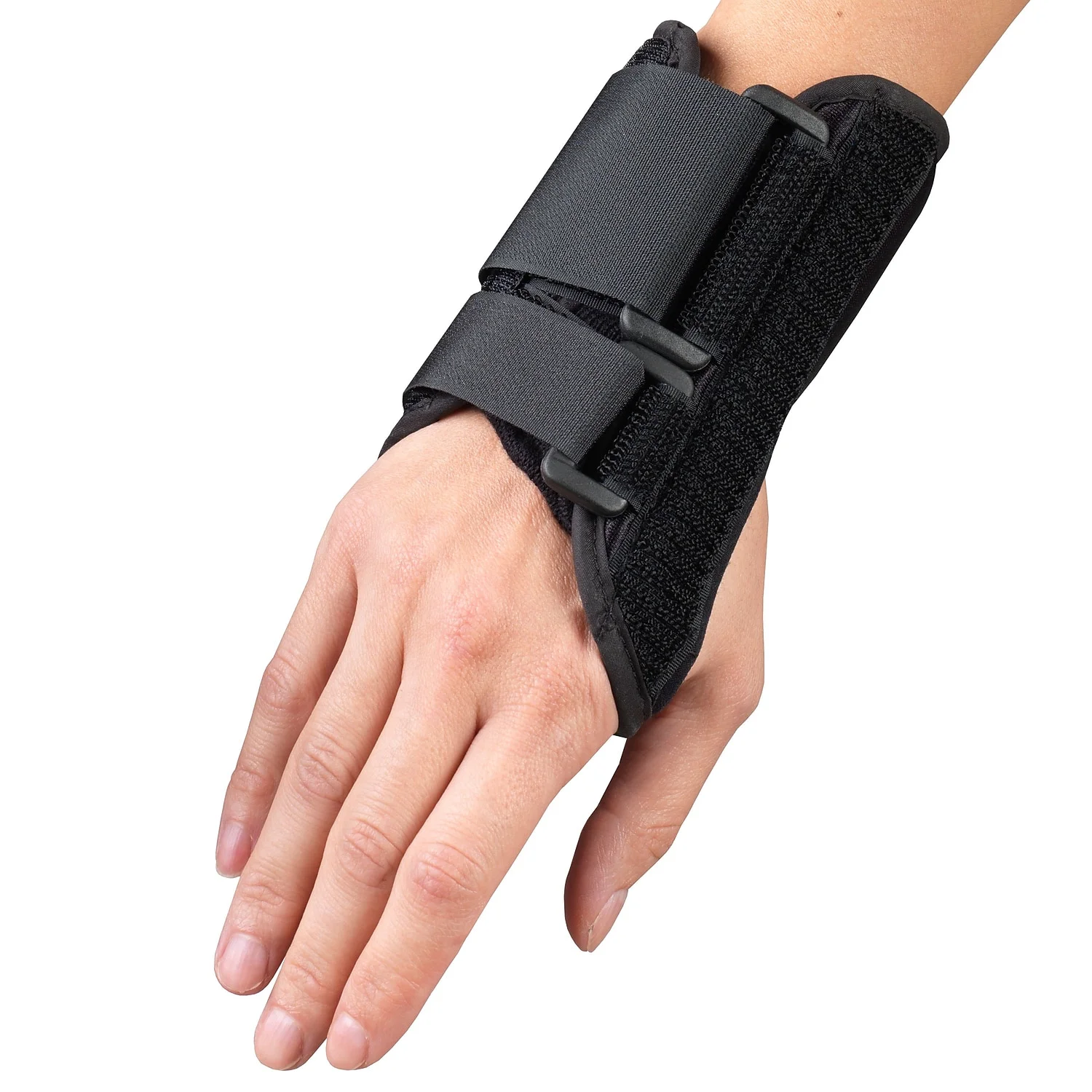
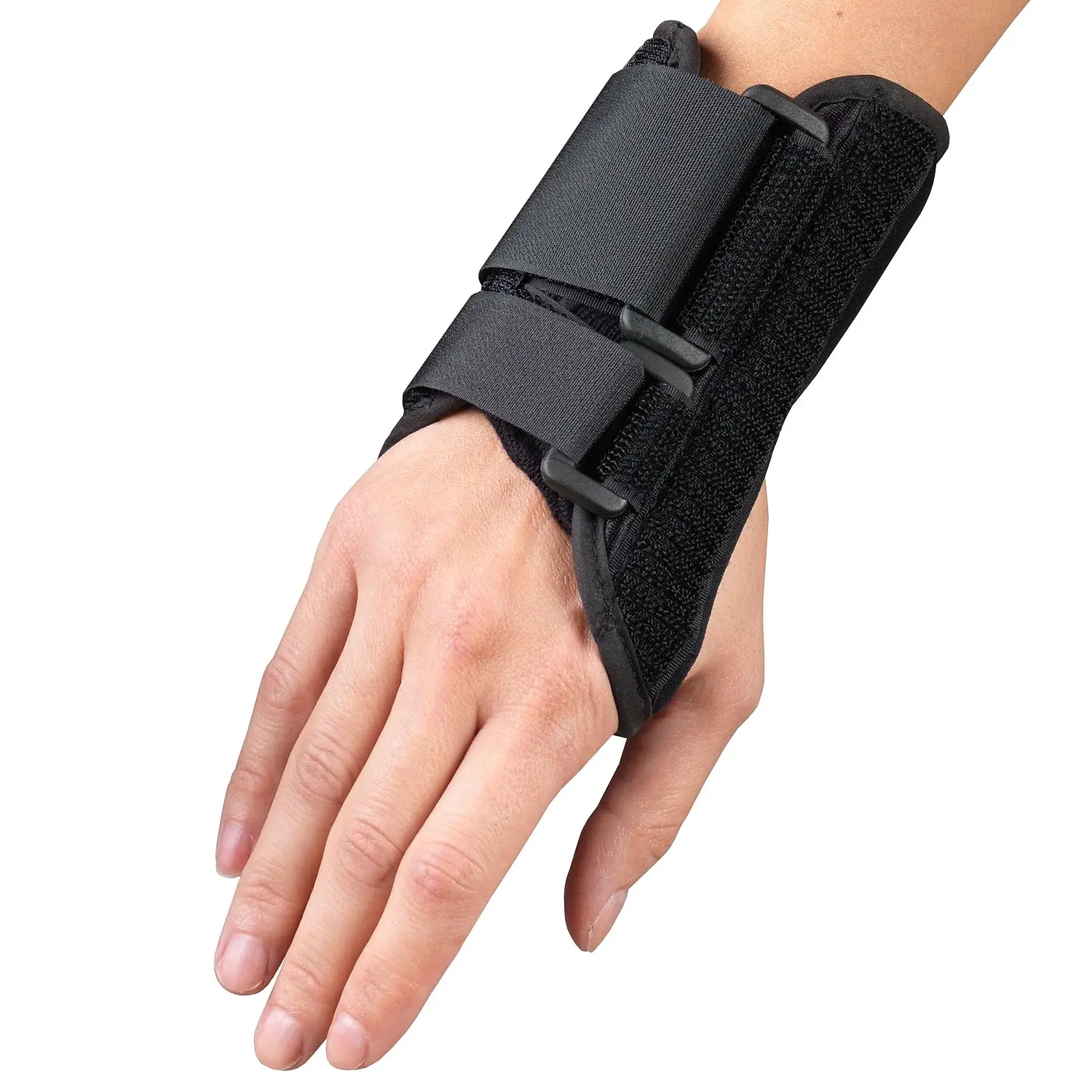
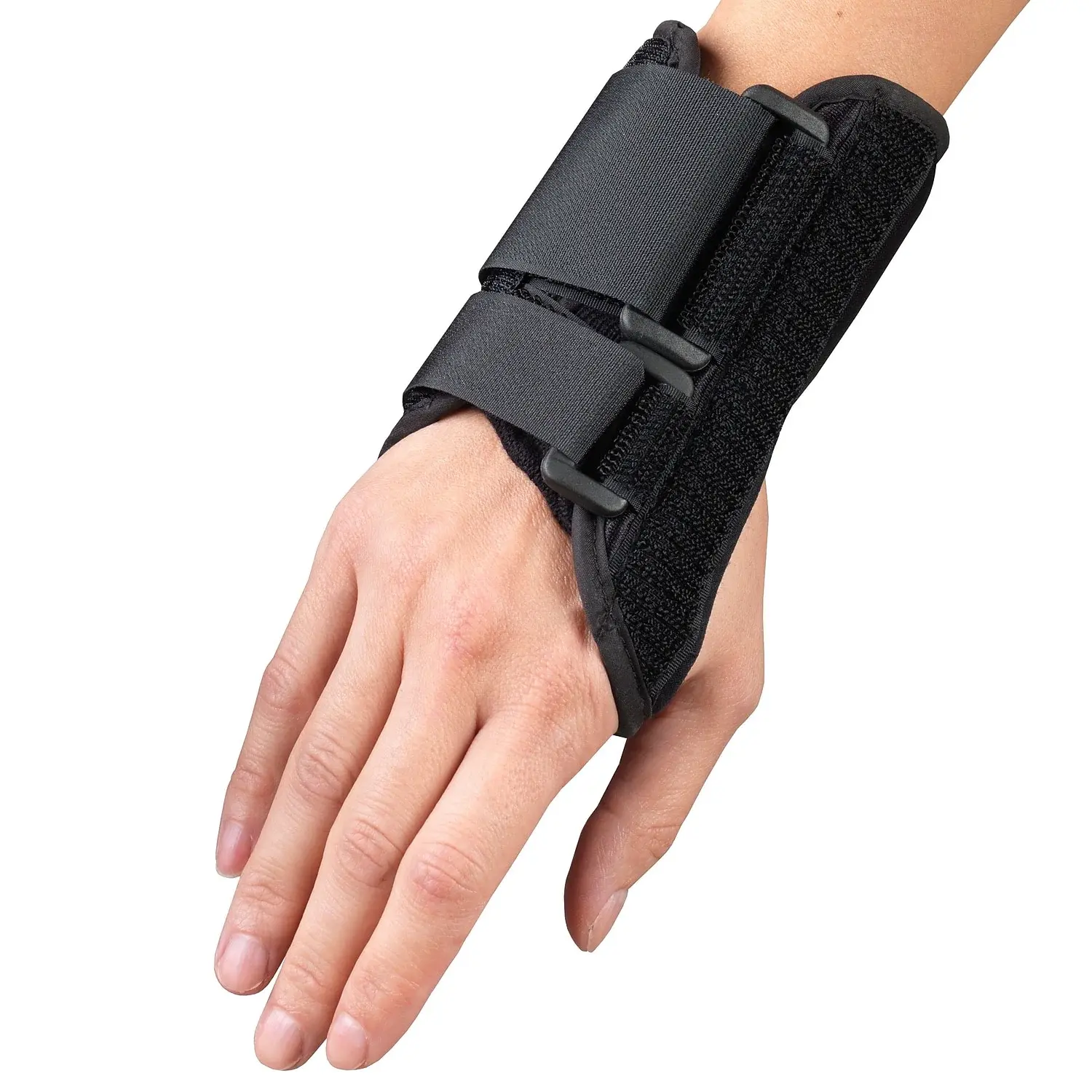
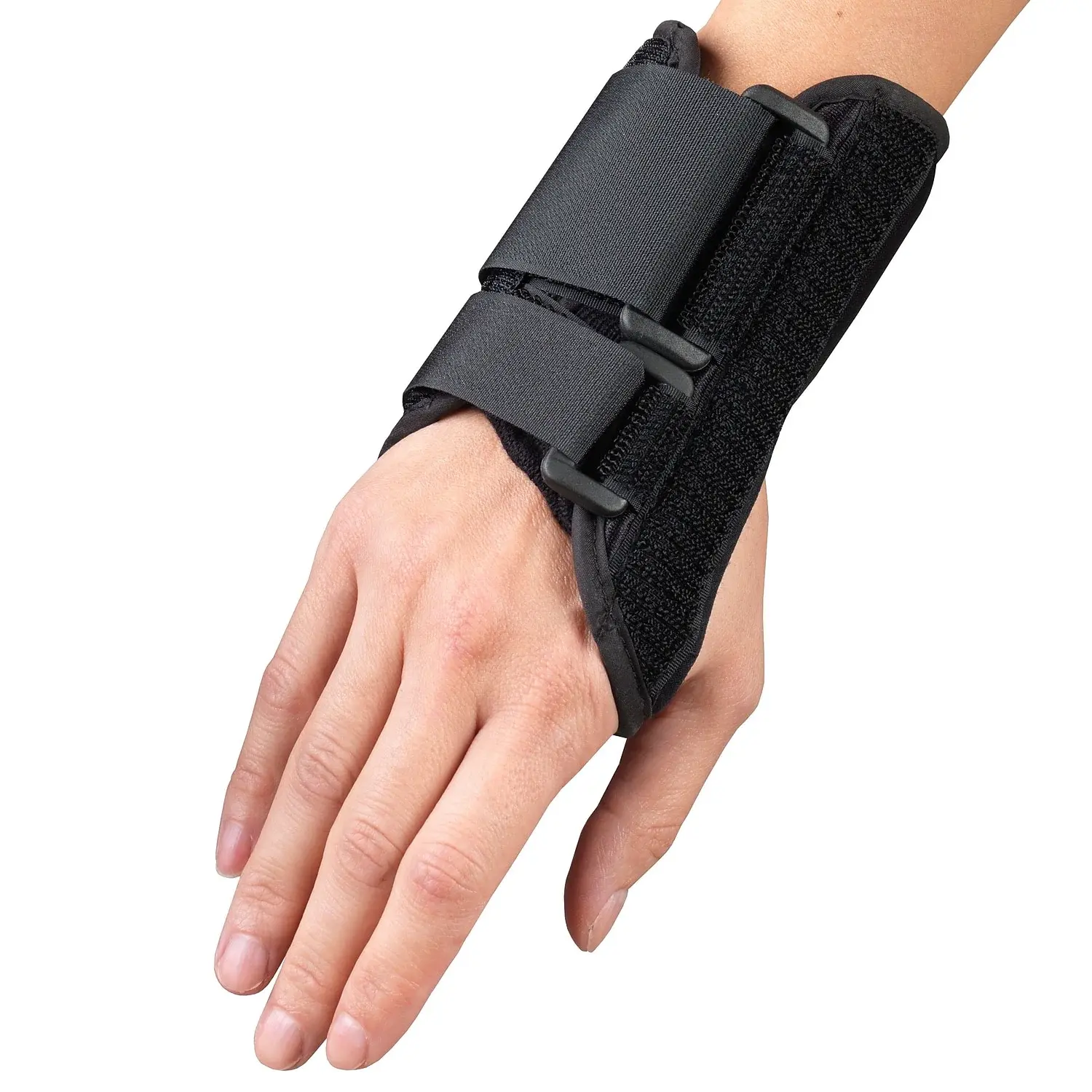
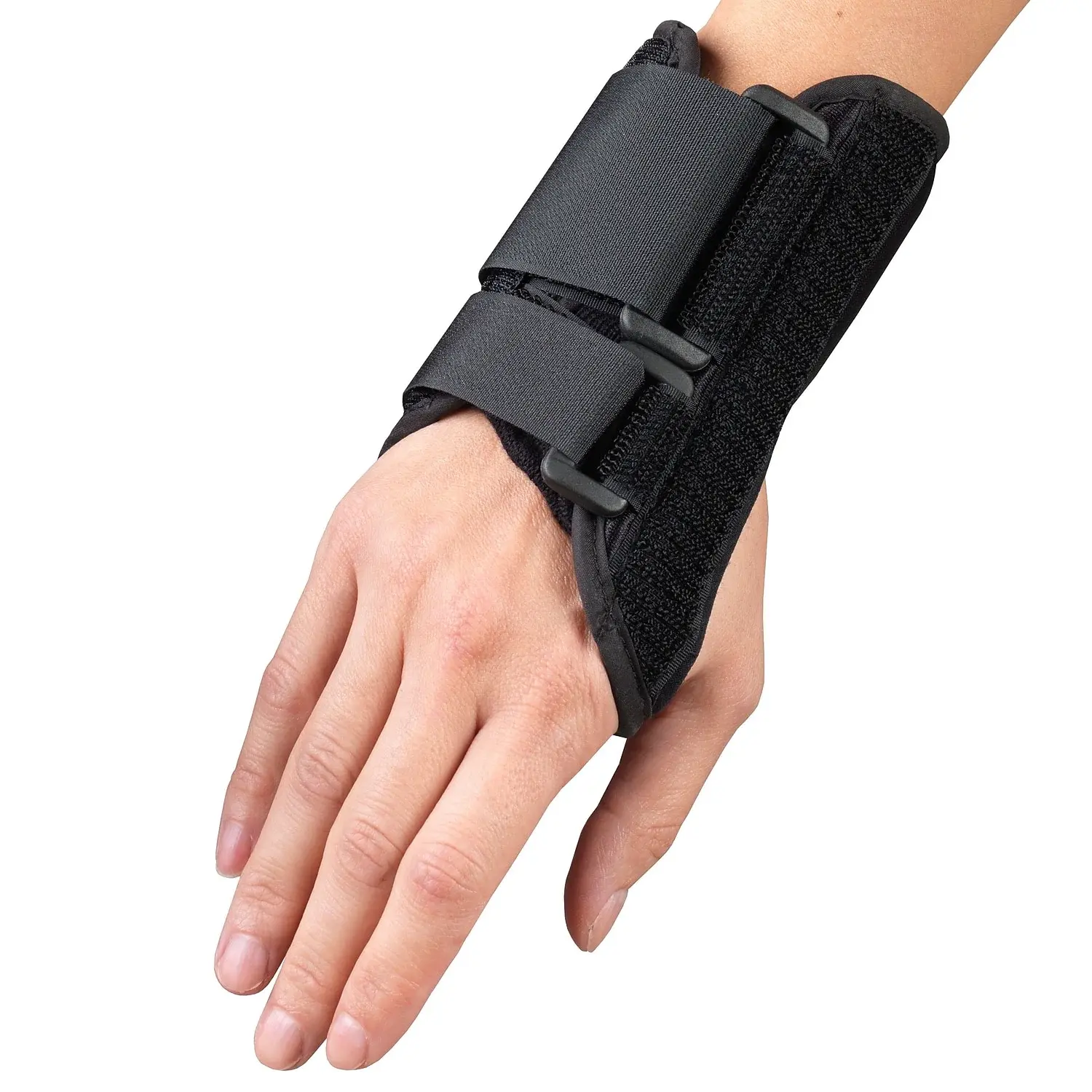
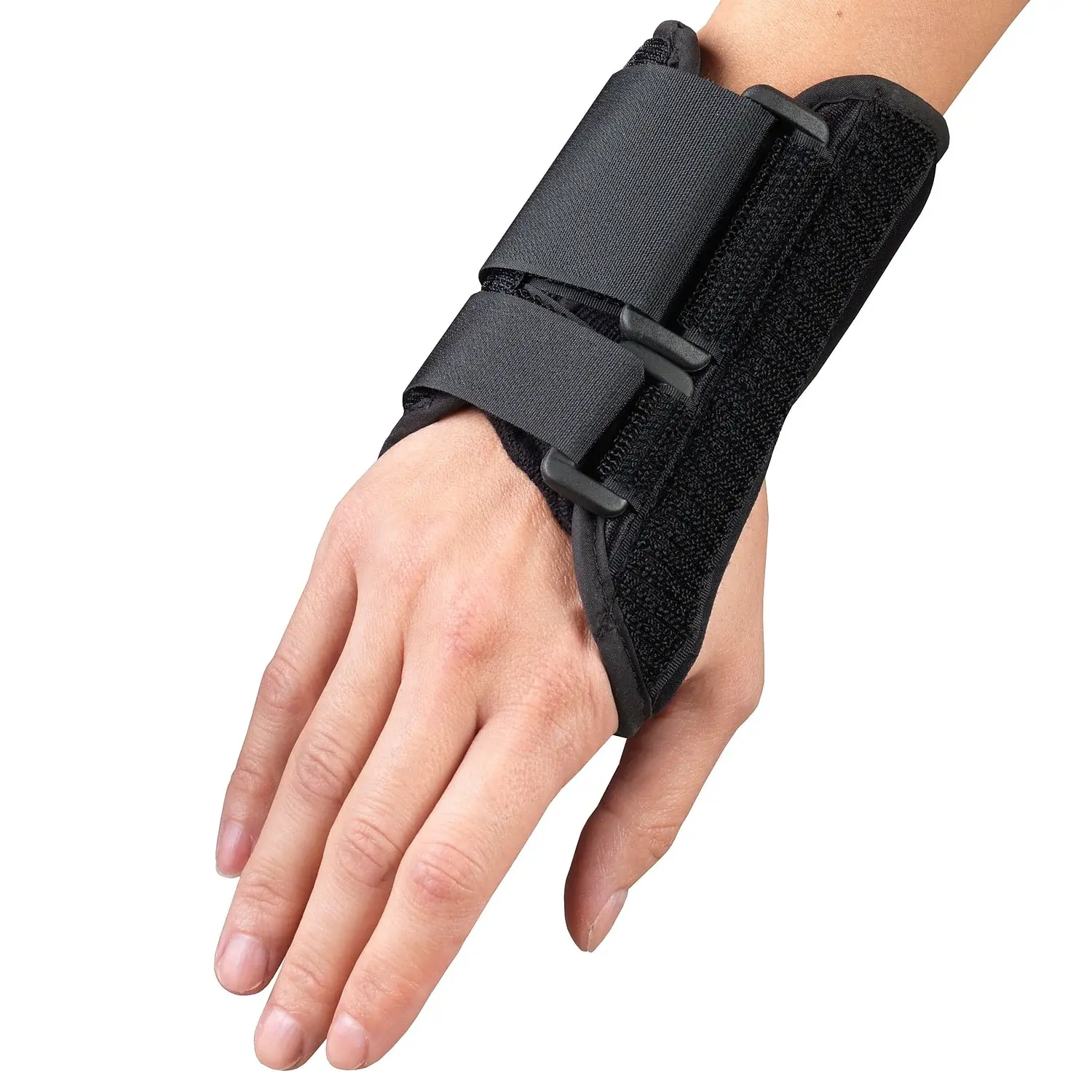
With low-profile palmar crease design delivers neutral wrist stabilization for sprains, carpal tunnel, or post-cast recovery while the urethane foam-Lycra construction and independent hook-and-loop closures enable comfortable one-handed application.
Loading…
Palmar-based metal splinting provides superior wrist stabilization compared to elastic wraps by preventing flexion while maintaining functional hand position. The strategic low-profile contouring at the palmar crease preserves metacarpophalangeal (MCP) joint mobility, enabling essential finger dexterity for daily activities while the wrist remains protected in neutral alignment. Removable splint design allows progressive weaning during rehabilitation, transitioning from rigid support during acute phases to flexible support as healing advances.
✓ Carpal tunnel syndrome (mild to moderate severity) ✓ Acute wrist sprains (grades I-II) ✓ Wrist strains and soft tissue injuries ✓ Post-cast removal wrist protection and support ✓ Post-Colles' fracture rehabilitation support ✓ Repetitive strain injuries (RSI) from computer work ✓ Tendonitis affecting wrist flexors or extensors ✓ De Quervain's tenosynovitis (when combined with thumb support) ✓ Wrist instability from ligament laxity ✓ Inflammatory arthritis affecting the wrist joint ✓ Post-arthroscopy wrist protection ✓ Occupational overuse injuries requiring daytime support ✓ Nighttime carpal tunnel immobilization protocols
Size Selection and Measurement: Measure wrist circumference at the narrowest point where the hand meets the forearm (typically where a watch would sit). Use a flexible measuring tape, wrapping snugly but not tightly around the wrist. Consult the sizing chart: X-Small 5.25-6.25" (13.3-15.9 cm), Small 6.25-7.25" (15.9-18.4 cm), Medium 7.25-8.00" (18.4-20.3 cm), Large 8.00-9.00" (20.3-22.9 cm), X-Large 9.00-10.00" (22.9-25.4 cm). If measurements fall between sizes, select the larger size for comfort, especially during acute inflammatory phases when swelling may be present.
Initial Application - Glove Positioning: Verify the brace is oriented for the right hand with the metal splint positioned to contact the palm side of the wrist. Slide your hand into the glove portion as you would put on a fingerless glove, ensuring the thumb passes through the thumb opening (if present) and fingers extend freely beyond the palmar crease. The glove material should contact the dorsal (back) surface of the hand and wrist while leaving the palmar surface open for splint placement.
Splint Insertion and Positioning: If the metal splint is removable and not pre-installed, insert it into the designated pocket on the palmar (palm) side of the brace. The splint should extend from the mid-palm region (just proximal to the metacarpal heads where fingers begin) to approximately 2-3 inches up the forearm. The pre-shaped contour should match the natural slight extension of the wrist (approximately 10-20 degrees of extension from neutral). Ensure the splint sits flat against the palm and volar forearm without gaps or excessive pressure points.
Neutral Wrist Positioning: Position your wrist in neutral alignment before securing the straps. Neutral wrist position means the hand is in line with the forearm without flexion (palm bent toward forearm) or extension (hand bent backward). A slight extension of 10-15 degrees is often therapeutic for carpal tunnel syndrome. Avoid positioning the wrist in extreme flexion or extension, as this can exacerbate symptoms and impede healing. The metal splint maintains this neutral positioning once straps are secured.
Securing the Fasteners: Beginning with the proximal (forearm) strap, wrap around the forearm and secure with comfortable tension using the hook-and-loop closure. The strap should be snug enough to prevent the brace from sliding but not so tight that it impairs circulation or creates excessive pressure. Next, secure the distal (hand/wrist) strap, wrapping around the wrist and hand area. The two independent straps allow customization of compression distribution—tighter proximally for forearm support or tighter distally for wrist control.
One-Handed Application Technique: The dual-strap design specifically enables self-application using only the unaffected hand. After sliding the brace onto the affected hand, use your opposite hand to pull and secure each strap sequentially. The hook-and-loop closure system allows easy adjustment without requiring fine motor skills or bilateral coordination. This design feature significantly improves compliance compared to braces requiring two hands for application.
Finger Mobility Verification: After securing the brace, verify full finger range of motion. Make a fist, extend fingers fully, and perform finger opposition (touching thumb to each fingertip). The low-profile palmar crease design should allow these movements without restriction. If finger motion is limited, reposition the brace to ensure the palmar crease sits precisely at the base of the metacarpals, not extending into the palm where it would restrict MCP joint flexion.
Wearing Schedule - Carpal Tunnel Syndrome: For carpal tunnel syndrome management, wear the brace primarily at night during sleep when unconscious wrist flexion commonly occurs and exacerbates median nerve compression. Nighttime immobilization for 4-8 weeks often reduces symptoms significantly. Some patients benefit from daytime wear during activities requiring repetitive wrist motion (typing, assembly work, tool use). Follow your healthcare provider's specific recommendations regarding wearing duration.
Wearing Schedule - Acute Wrist Injuries: For acute wrist sprains or strains, wear the brace continuously during the first 1-2 weeks (removing only for bathing and hygiene). This provides maximum protection during the vulnerable early healing phase. As pain and swelling decrease (typically weeks 2-4), transition to wearing during activities that stress the wrist while removing during rest periods. Continue protective wearing during high-risk activities for 4-8 weeks total or until strength and stability are restored.
Wearing Schedule - Post-Cast Recovery: After cast removal, the wrist may feel weak and vulnerable due to muscle atrophy and joint stiffness. Wear the brace full-time for the first 1-2 weeks post-cast to provide continued protection while tissues strengthen. Gradually reduce wearing time over weeks 2-6, progressing from continuous wear to activity-specific wear as directed by your physician or physical therapist. The removable splint feature allows graduated support reduction during this transition phase.
Removable Splint Utilization: The removable splint design enables progressive rehabilitation protocols. Initially, wear with the splint inserted for maximum stabilization. As healing progresses and your healthcare provider approves, remove the splint for specific activities requiring more wrist mobility while maintaining the soft glove support. Eventually, wear the glove without the splint during low-demand activities, reinserting the splint only for high-risk situations. This graduated approach supports tissue healing while preventing excessive atrophy from prolonged immobilization.
Activity Modifications: While wearing the brace, avoid activities that require forceful gripping, heavy lifting (typically limit to 5-10 pounds), or repetitive wrist motion. Modify computer workstation ergonomics: position keyboard at elbow height, use a wrist rest, and take frequent breaks (5-10 minutes every hour). For household tasks, use adaptive equipment (jar openers, ergonomic tools) to reduce wrist strain. Avoid sports requiring forceful wrist movements (tennis, golf, rowing) until cleared by your healthcare provider.
Hygiene and Skin Care: Remove the brace daily (typically before bed or bathing) to inspect skin condition and perform hygiene. Wash the wrist and hand with mild soap and water, paying attention to areas in prolonged contact with the brace. Pat dry completely, allowing skin to air-dry for 10-15 minutes before reapplying the brace. Check for signs of skin irritation (persistent redness, rash, breakdown). If irritation develops, consider wearing a thin cotton wrist sleeve under the brace or consult your healthcare provider.
Brace Cleaning and Maintenance: Remove the metal splint before cleaning. Hand wash the urethane foam-Lycra glove portion with mild soap and lukewarm water. Gently squeeze out excess water without wringing or twisting. Air dry completely away from direct heat sources before reinserting the splint. Clean the metal splint separately by wiping with a damp cloth and mild soap, drying thoroughly. Wash the brace every 3-5 days with regular use, more frequently if sweating is excessive. Inspect hook-and-loop closures regularly, cleaning hook surfaces with a stiff brush to maintain adhesion.
Signs Requiring Adjustment or Removal: Loosen or remove the brace immediately if you experience: increasing numbness or tingling in fingers (especially if worse than baseline symptoms), fingertips turning blue or white, significant swelling of fingers or hand, sharp pain at pressure points, or skin breakdown under the brace. These signs indicate excessive compression or improper fit requiring adjustment. Tighten the brace if it slides during activity or feels loose—proper compression is essential for therapeutic benefit.
Integration with Physical Therapy: The brace complements prescribed physical therapy exercises and modalities. Your therapist will guide you regarding brace removal for specific exercises versus wearing during others. Typically, the brace is removed for gentle range of motion exercises, stretching, and strengthening work, then reapplied for functional activities and between therapy sessions. Ice application through the brace material is sometimes possible, or ice can be applied after removing the brace. Continue all prescribed exercises and follow your therapy protocol consistently.
Duration of Treatment: Treatment duration varies by condition. Carpal tunnel syndrome may require 4-12 weeks of nighttime bracing, sometimes longer for chronic cases. Wrist sprains typically need 4-8 weeks of support. Post-cast recovery support usually continues for 4-6 weeks. Your healthcare provider will determine appropriate duration based on symptom resolution, functional improvement, and clinical examination findings. Some patients continue wearing the brace during high-risk activities even after symptoms resolve as a preventive measure.
When to Seek Medical Attention: Contact your healthcare provider if you experience: progressive numbness or weakness in hand despite bracing, symptoms worsening with appropriate brace use, visible deformity or misalignment at wrist, signs of infection (fever, increasing warmth, redness, drainage), inability to move fingers or thumb, sudden onset of severe pain, or lack of expected improvement after 4-6 weeks of conservative treatment with the brace. These signs may indicate need for additional interventions or specialist referral.
Carousel items
Testimonial items
Very welcoming and informative. We went in to rent a Walker for my mom to see if she would use it. They had no rentals left so he gave us a brand new one on rental. Highly recommend this company for all your ADL needs.
Tara Maye
The rating of this product is 5 out of 5
Fantastic service and experience, from delivery to pickup we could not have asked for anything more! We rented a hospital bed, and I do not believe you would get better service anywhere. Highly recommended!
Shawn Dillon
The rating of this product is 5 out of 5
Super friendly and very helpful! Delivered the wheelchair for me, special ordered other parts and took the time to show me how to install. I recommend!
Fiona Haines
The rating of this product is 5 out of 5
Can not thank the team at Med Supplies enough for their amazing service. We were in a tough spot till we got their help. Amazing service. Kind and respectful delivery. First class all the way. Thank you again.
Jon Beatty
The rating of this product is 5 out of 5
Ordered the chair on Sunday and it arrived Monday morning. Spoke to customer service to follow up on delivery times. It was already on my front door. Excellent and helpful staff. The product is sturdy and of good quality. Thank you for your help.
H D
The rating of this product is 5 out of 5
Excellent experience - website faithfully represented what was in stock (which hasn't always been my experience with other vendors sadly), and local shipping was really fast - ordered on the weekend, received it on Monday in my case. Thank you for being
Jason Hudson
The rating of this product is 5 out of 5
0/0
You cart is currently empty
780 409-1509
Get directions