
Slideshow Items

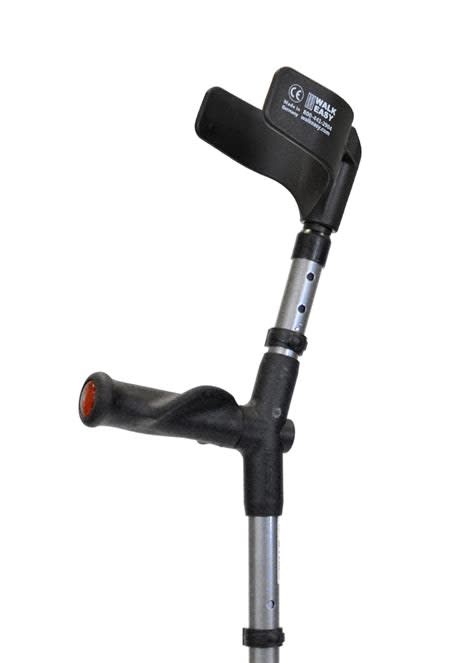
The contoured anatomic grip with high-density shock-absorbing material delivers ergonomic right-hand support for WalkEasy forearm crutches while textured non-slip surface and wrist alignment reduce palm fatigue, hotspots, and grip slippage.
Loading…
The human hand exhibits distinct anatomical asymmetry between dominant and non-dominant sides, with different muscle development patterns, grip strength distribution, and pressure point locations requiring side-specific ergonomic design rather than universal ambidextrous grips. The WalkEasy right-hand anatomic grip incorporates precise contouring that follows the natural palm topography of right-hand users, positioning support ridges under the thenar eminence (thumb base) and hypothenar eminence (pinky base) where maximum load transfer occurs during weight-bearing. This anatomic shaping maintains proper wrist alignment in neutral position (0-5 degrees extension) preventing the ulnar or radial deviation that develops with flat or poorly-contoured grips, reducing cumulative stress on wrist tendons and ligaments that causes repetitive strain injuries during prolonged crutch use. The high-density shock-absorbing material composition cushions impact forces transmitted through the handle during heel strike, reducing jarring to hand, wrist, elbow, and shoulder joints compared to hard plastic grips that transmit vibration directly into skeletal structures. The textured non-slip surface pattern provides secure grip without requiring excessive muscle tension, enabling lighter hold that reduces hand and forearm fatigue during extended ambulation periods.
✓ Replacing worn grips on aging WalkEasy forearm crutches (1-2 years typical wear)
✓ Repairing grips with cracks, tears, or surface degradation affecting comfort and safety
✓ Restoring proper ergonomics after grip compression from extended use
✓ Upgrading from damaged grips causing hand pain, blisters, or pressure sores
✓ Maintenance for long-term crutch users with chronic mobility limitations
✓ Refurbishment of institutional crutches in rehabilitation facilities
✓ Replacement after hygiene concerns from previous user in rental situations
✓ Preventive replacement before complete grip failure creates safety hazard
✓ Professional maintenance for athletic injury recovery using forearm crutches
✓ Home user self-maintenance extending personally-owned crutch service life
Compatibility Verification: Before purchase, confirm crutch model is WalkEasy brand and specific model number is 458, 495, or 496—these models use identical right-hand grip design. Locate model number typically stamped or labeled on crutch frame near adjustment mechanisms. Verify grip being replaced is RIGHT-hand grip (worn grip from crutch used on right side of body). Left and right grips have different contouring and are not interchangeable—installing wrong side causes improper wrist alignment and discomfort. If uncertain about model or side, photograph crutch including any visible model numbers and contact supplier before ordering.
Wear Assessment & Replacement Indicators: Inspect existing grip for replacement indicators including visible cracks or tears in grip surface, surface material worn smooth eliminating texture (shiny appearance indicates wear), grip compressed flat losing original contoured shape, grip loose or rotating on handle tube despite tight connection, surface feels tacky or sticky from material degradation, visible discoloration or staining that persists after cleaning, user reports hand pain, blisters, or discomfort not present when crutches new. For users relying on crutches daily, inspect grips monthly—typical replacement interval is 12-24 months depending on usage intensity, user weight, and environmental conditions.
Tools & Supplies: New right-hand WalkEasy anatomic grip, clean lint-free cloth, rubbing alcohol (70% isopropyl) or mild soap and water, warm water (optional—aids installation if grip fit tight), hair dryer (optional—warms grip material for easier installation), small flathead screwdriver or similar tool (for removing stubborn old grip only—avoid damaging handle tube). No adhesives required—grip friction-fits onto handle tube. If replacing both grips, purchase left-hand grip separately (sold individually, not as pair).
Old Grip Removal Protocol: Position crutch on stable surface or hold firmly. Grasp worn grip near one end with strong grip and twist while pulling away from handle tube. Old worn grips typically slide off easily as material has stretched from use. If grip stuck due to material bonding to tube, apply these techniques progressively: (1) Pour small amount of rubbing alcohol around grip-tube junction allowing it to wick between grip and tube, wait 2-3 minutes, retry twisting and pulling; (2) Warm grip with hair dryer on low setting for 30-60 seconds to soften material, retry removal; (3) Carefully insert thin flathead screwdriver between grip and tube, work around circumference to break adhesion, taking extreme care not to scratch or gouge handle tube. If grip tears during removal leaving material on tube, scrape residue off with edge of screwdriver or utility knife blade, being very careful not to damage tube surface.
Handle Tube Cleaning & Preparation: After old grip removed, inspect handle tube surface condition. Clean tube thoroughly removing all residual grip material, oils from hands, dirt, and debris—use rubbing alcohol on cloth or mild soap and water, wipe clean and dry completely. Smooth any rough spots or burrs on tube surface using fine sandpaper (220-grit)—roughness can tear new grip during installation. Inspect tube for damage including dents, cracks, or corrosion—if significant damage present, entire crutch may require professional evaluation or replacement as handle tube integrity affects safety. Verify tube is completely dry before grip installation—moisture prevents proper friction fit.
New Grip Installation Technique: Determine correct grip orientation—anatomic grips have specific top/bottom and front/back orientations for proper hand contouring. Many grips have subtle markings (small arrows, text, or asymmetric features) indicating orientation; if unmarked, examine contoured surfaces and position most prominent support ridge under area where palm pressure concentrates. If grip feels excessively tight for installation, use one of these techniques: (1) Warm grip in warm (not hot) water for 2-3 minutes to soften material temporarily; (2) Apply small amount of rubbing alcohol inside grip bore to act as temporary lubricant (alcohol evaporates leaving proper friction fit); (3) Apply light layer of talcum powder inside grip bore (reduces friction during installation, excess brushes away). Never use petroleum-based lubricants or oils—these prevent proper adhesion and grip will rotate during use creating safety hazard.
Proper Installation Alignment: Start grip installation by aligning one end of grip with corresponding end of handle tube. Push grip onto tube while twisting slightly in alternating directions—this "threading" motion eases installation versus straight pushing. Apply steady firm pressure progressing along grip length, ensuring grip advances evenly onto tube without bunching or folding. If grip becomes stuck partway on tube, do not force excessively—withdraw slightly, twist, and continue. Push grip completely onto tube until it seats fully with no gap between grip end and crutch hardware. Verify grip positioned so contoured surfaces align with natural palm position when hand grasps crutch in normal use position. Check that grip does not interfere with any crutch adjustment mechanisms or structural components.
Post-Installation Verification: After installation, test grip security by attempting to rotate grip on tube with firm twisting force—grip should remain absolutely stationary with no rotation or sliding. Test in both directions (clockwise and counterclockwise). If any movement detected, remove grip and re-inspect tube surface for oils or debris, clean again thoroughly, and reinstall. Grasp crutch naturally and verify anatomic contouring positions properly under palm—support ridges should rest under thenar and hypothenar eminences with wrist in neutral alignment (straight, not bent). If orientation feels wrong, remove grip, rotate 180 degrees, and reinstall. After verification, use crutch briefly indoors under safe conditions before relying on it for full mobility—walk short distance verifying grip feels secure, comfortable, and properly positioned.
Break-In Period: New grip material may feel slightly different from well-worn original grip. Allow 1-2 days break-in period during which material conforms slightly to individual hand shape and use pattern. During this period, monitor hand comfort and grip security. Slight adjustment in hand position on grip may be necessary as material seats. If discomfort persists beyond break-in period, verify correct right-hand grip installed (not left-hand) and that orientation is correct.
Hand Positioning Optimization: For maximum comfort and proper biomechanics, position hand on grip so palm rests fully on contoured surface with fingers wrapping naturally around grip (not excessively stretched or cramped). Wrist should align neutrally with forearm in straight line—if wrist bends significantly up, down, left, or right, adjust hand position or verify grip orientation. Thumb should wrap comfortably around grip without hyperextension. Apply firm but not excessive grip pressure—light secure hold sufficient, death-grip causes unnecessary fatigue. During ambulation, allow slight hand relaxation during swing phase (crutch in air), applying firmer grip during weight-bearing stance phase.
Maintenance for Long-Term Performance: Clean grip weekly with mild soap and water, rinse thoroughly, and dry completely—regular cleaning prevents material degradation from accumulated sweat, skin oils, and environmental dirt. Avoid harsh solvents, bleach, or abrasive cleaners that damage grip material. Inspect grip monthly for developing wear patterns, cracks, or surface degradation. Store crutches indoors away from extreme heat or cold—temperature extremes accelerate material aging. Avoid prolonged direct sunlight exposure—UV radiation causes material hardening and cracking. If crutches stored seasonally (temporary injury), store in climate-controlled area and inspect grips before resuming use after storage period.
Troubleshooting Common Issues: Problem: New grip rotates or slides on tube during use. Solution: Remove grip, clean tube surface thoroughly with rubbing alcohol removing all oils and residue, ensure tube completely dry, reinstall grip ensuring it pushes fully onto tube. Problem: Grip feels uncomfortable or wrong. Solution: Verify correct right-hand grip installed (check any markings or asymmetry confirming side); rotate grip 180 degrees to test alternate orientation; ensure grip fully seated on tube. Problem: Grip installation extremely difficult. Solution: Warm grip in warm water or use rubbing alcohol as temporary lubricant; verify grip is correct size for tube diameter; inspect tube for burrs or damage requiring smoothing. Problem: Grip feels too soft or too firm compared to original. Solution: Verify OEM WalkEasy grip ordered (aftermarket grips vary in density); allow break-in period for material to conform; contact supplier if significant difference from original specification. Problem: Hand experiences numbness or tingling during use. Solution: Reduce grip pressure (excessive tension compresses nerves); adjust hand position on grip; verify wrist alignment neutral (bent wrist compresses carpal tunnel); consult healthcare provider if symptoms persist.
Bilateral Grip Replacement Considerations: Although grips sold individually, users often benefit from replacing both left and right grips simultaneously even if only one grip visibly worn—grips age at similar rates and replacing both ensures consistent feel between sides. Mismatched new-old grips can create noticeable comfort differences that affect gait symmetry. When ordering, remember left and right grips are distinct parts—must order correct side-specific grip for each crutch.
Carousel items
Testimonial items
Very welcoming and informative. We went in to rent a Walker for my mom to see if she would use it. They had no rentals left so he gave us a brand new one on rental. Highly recommend this company for all your ADL needs.
Tara Maye
The rating of this product is 5 out of 5
Fantastic service and experience, from delivery to pickup we could not have asked for anything more! We rented a hospital bed, and I do not believe you would get better service anywhere. Highly recommended!
Shawn Dillon
The rating of this product is 5 out of 5
Super friendly and very helpful! Delivered the wheelchair for me, special ordered other parts and took the time to show me how to install. I recommend!
Fiona Haines
The rating of this product is 5 out of 5
Can not thank the team at Med Supplies enough for their amazing service. We were in a tough spot till we got their help. Amazing service. Kind and respectful delivery. First class all the way. Thank you again.
Jon Beatty
The rating of this product is 5 out of 5
Ordered the chair on Sunday and it arrived Monday morning. Spoke to customer service to follow up on delivery times. It was already on my front door. Excellent and helpful staff. The product is sturdy and of good quality. Thank you for your help.
H D
The rating of this product is 5 out of 5
Excellent experience - website faithfully represented what was in stock (which hasn't always been my experience with other vendors sadly), and local shipping was really fast - ordered on the weekend, received it on Monday in my case. Thank you for being
Jason Hudson
The rating of this product is 5 out of 5
0/0
You cart is currently empty
780 409-1509
Get directions