Slideshow Items

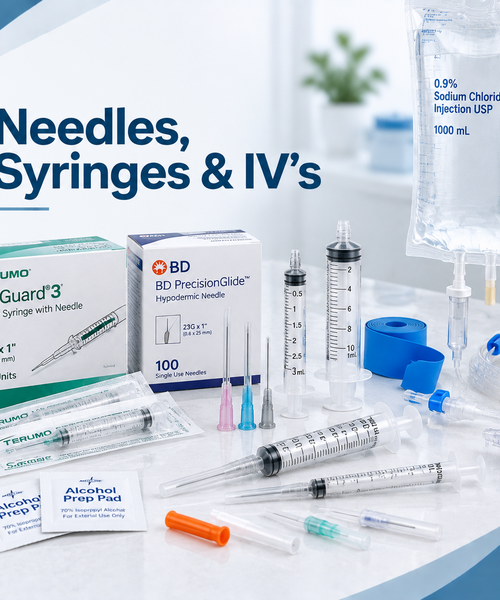
  • Needles, Syringes & IV's
  • needles-syringes-ivs
Sure Comfort

  |  

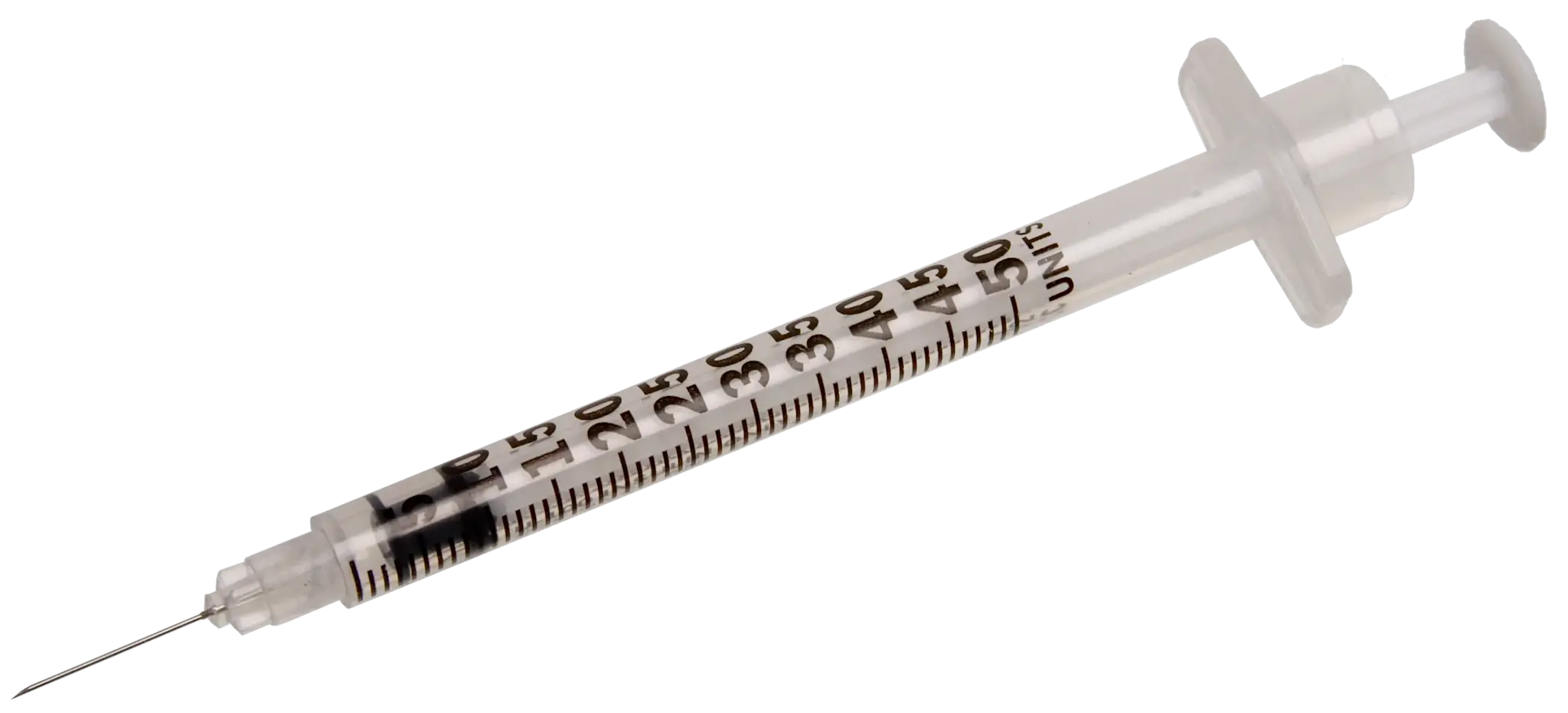
Sure Comfort Insulin Syringes 28G 1/2" 1cc 10/bg

C$4.99
In stock online
In store: Check availability

Available in store

UPC Code: 786227801032
SKU: 22-8010

Deliver precise high-dose administration with 28-gauge needle balancing comfort and durability, 1/2-inch standard length accommodating diverse patients, 1 mL capacity ideal for doses up to 100 units, comfort-focused design enhancing compliance.

    • Why 1 mL Capacity with 28-Gauge × 1/2" Configuration for High-Dose Insulin Requirements

      The 1 mL (1 cc, 100-unit) capacity addresses the clinical needs of patients requiring higher insulin doses including type 2 diabetics with significant insulin resistance necessitating 50-100 unit injections per dose, individuals using concentrated insulin formulations where larger volumes prove necessary for adequate glycemic control, patients on intensive insulin regimens combining multiple insulin types in single injections where total units exceed 50, and those in advanced disease stages or with obesity requiring substantial basal insulin doses—this larger barrel capacity eliminates the need for split-dose injections that occur when 0.3 mL or 0.5 mL syringes prove inadequate, reduces patient frustration from multiple injection sites per dose, and provides graduated markings with appropriate spacing enabling accurate measurement of doses between 50-100 units where smaller syringes' compressed scales create reading difficulties and dosing errors. The 28-gauge needle with 0.36mm outer diameter delivers the optimal balance between structural integrity and patient comfort: the slightly larger diameter compared to 30-31 gauge needles provides enhanced rigidity preventing needle bending during insertion particularly important when penetrating tougher skin in patients with lipohypertrophy from repeated injections or elderly patients with less elastic skin, enables reliable penetration through clothing fibers if accidental contact occurs during preparation, and maintains adequate flow rate for viscous insulin suspensions including NPH and premixed formulations that may resist injection through ultra-fine 31 gauge needles causing excessive plunger pressure and injection discomfort—while remaining significantly thinner than 25-26 gauge needles used historically providing substantially improved comfort compared to older insulin delivery systems. The 1/2-inch (12.7mm) standard needle length represents the traditional dimension proven effective across diverse patient populations: this moderate length reliably delivers insulin into subcutaneous tissue in average-weight adults without the intramuscular injection risk associated with longer 5/8-inch needles that can penetrate muscle layers causing rapid insulin absorption and unpredictable glucose fluctuations, accommodates patients with moderate subcutaneous fat where very short 5/16-inch needles may deposit insulin too superficially causing leakage and inconsistent absorption, and provides psychological acceptance among patients familiar with standard-length needles who may resist transitioning to shorter alternatives despite current recommendations favoring abbreviated dimensions. The Sure Comfort brand philosophy emphasizing patient-centered design addresses injection anxiety and discomfort that compromise diabetes management adherence: the optimized needle point geometry reduces insertion force minimizing pain perception, quality manufacturing ensures consistent sharpness preventing the tissue trauma from burrs or imperfections common in lower-quality needles, and the 10-syringe bag packaging provides practical supply quantity for patients with moderate insulin requirements while maintaining product freshness through faster inventory turnover compared to bulk boxes potentially stored for extended periods compromising needle sharpness or sterility.

      Key Features & Benefits

      Key Features:

      • Sure Comfort brand (comfort-focused design)
      • 1 mL (1 cc) capacity = 100 units maximum
      • U-100 insulin calibration (100 units per mL)
      • 28-gauge (28G) needle
      • Needle outer diameter: 0.36mm
      • 1/2-inch (12.7mm) standard needle length
      • Clear, bold unit markings
      • 2-unit increment graduations (typical)
      • Permanently attached needle (fixed needle)
      • Optimized needle tip geometry
      • Lubricated needle coating
      • Sterile, individually packaged
      • Single-use, disposable design
      • Latex-free construction
      • 10 syringes per bag
      • Safety cap protecting needle
      • Ergonomic barrel design

      Benefits:

      • Sure Comfort design enhances experience:
        • Comfort-focused engineering
        • Reduces injection anxiety
        • Improves compliance
        • Quality manufacturing
      • 1 mL ideal for higher doses:
        • Perfect for doses 50-100 units
        • No split-dose injections needed
        • Appropriate spacing of markings
        • Easier to read larger doses
        • Good for:
          • Type 2 diabetes (insulin resistance)
          • High-dose insulin regimens
          • Basal insulin (50-100 units common)
          • Concentrated insulin formulations
          • Obesity-related insulin needs
      • 28G balances comfort and function:
        • Thinner than older 25-26G (more comfortable)
        • More durable than 30-31G (less bend risk)
        • Better for:
          • Viscous insulin suspensions (NPH, premixed)
          • Patients with lipohypertrophy
          • Elderly with tougher skin
        • Reliable penetration
        • Good flow rate
      • 1/2" standard length proven effective:
        • Appropriate for most adults
        • Reliably reaches subcutaneous tissue
        • Reduces muscle injection risk (vs. 5/8")
        • More substantial than very short needles
        • Traditional length (patient familiarity)
        • Psychological acceptance
      • Optimized needle tip:
        • Reduced insertion force
        • Smoother penetration
        • Minimized pain
      • Bold markings ensure accuracy:
        • 2-unit increments typical
        • Easy to read
        • Clear dose verification
      • Permanently attached needle:
        • Reduced dead space
        • More accurate dosing
        • No assembly needed
      • Lubricated coating:
        • Smoother insertion
        • Enhanced comfort
      • Sterile packaging ensures safety:
        • Individual wrappers
        • Infection prevention
      • Single-use eliminates contamination
      • Latex-free protects allergic patients
      • 10-syringe bag practical:
        • Convenient smaller package
        • Lower upfront cost
        • Good for moderate supply
        • Maintains freshness

      Clinical Applications

      Sure Comfort Insulin Syringe 1 mL, 28G × 1/2" is appropriate for:

      Type 2 diabetes requiring high-dose insulin ✓ Type 1 diabetes (higher doses) ✓ Insulin resistance conditions ✓ High-dose basal insulin (50-100 units) ✓ Premixed insulin formulationsNPH insulin (viscous suspension) ✓ Concentrated insulin (U-200, U-300, U-500 with appropriate dosing) ✓ Obesity-related diabetesIntensive insulin regimens ✓ Patients requiring doses 50-100 units ✓ Patients preferring standard-length needles ✓ Patients with lipohypertrophy (firmer needle beneficial) ✓ Elderly patients with tougher skin ✓ Home diabetes management ✓ Any patient requiring U-100 insulin doses 50-100 units

      Usage & Application

      IMPORTANT: Insulin syringes must be used under healthcare provider guidance. Follow prescribed regimen exactly. Improper insulin use causes dangerous hypoglycemia or hyperglycemia.

      Pre-Use Preparation:

      1. Verify appropriateness:
        • Confirm dose is 50-100 units (1 mL capacity)
        • Ensure using U-100 insulin (not U-500 or other)
        • Check needle specifications appropriate
      2. Gather supplies:
        • Sure Comfort insulin syringe 1 mL, 28G × 1/2"
        • Prescribed insulin
        • Alcohol swabs
        • Sharps disposal container
        • Cotton ball or gauze (optional)
      3. Hand hygiene
      4. Prepare insulin:
        • Verify correct insulin type
        • Check expiration date
        • Inspect insulin:
          • Clear insulin transparent (rapid/long-acting)
          • Cloudy insulin needs gentle rolling (NPH, premixed)
          • Check for clumps, crystals, discoloration
        • If cloudy insulin (NPH, premixed):
          • Roll gently between palms 10-20 times
          • Do NOT shake vigorously
          • 28G accommodates viscous suspensions well
      5. Inspect syringe package:
        • Check integrity
        • Ensure sterile seal intact

      Drawing Insulin:

      From vial:

      1. Clean vial top with alcohol swab
      2. Remove syringe from package:
        • Do NOT touch needle
        • Keep cap on
      3. Draw air equal to dose:
        • Pull plunger to prescribed dose
        • Example: For 75 units, pull to 75-unit mark
      4. Insert needle into vial:
        • Remove cap
        • Push through rubber stopper
        • 28G penetrates reliably
      5. Inject air:
        • Push plunger
        • Creates pressure
      6. Invert vial:
        • Hold upside down
        • Needle tip below insulin level
      7. Draw insulin:
        • Pull plunger slowly
        • Draw to prescribed dose
        • 1 mL syringe has markings up to 100 units
        • Good spacing for reading 50-100 unit doses
      8. Check for air bubbles:
        • Hold vertically
        • Tap barrel
        • Push plunger to expel air
        • Redraw if needed
        • Verify dose
      9. Remove from vial

      Mixing Insulins (if prescribed):

      "Clear before cloudy":

      1. Draw air for both insulins
      2. Inject air into cloudy vial first (don't draw yet)
      3. Inject air into clear vial, draw clear insulin
      4. Return to cloudy vial, draw cloudy insulin
      5. Total dose = clear + cloudy
      6. 1 mL capacity accommodates mixed doses up to 100 units

      Site Selection:

      Recommended sites:

      • Abdomen (fastest absorption, most common)
      • Thighs (outer upper, slower absorption)
      • Upper arms (back/outer, may need help)
      • Buttocks (upper outer, slowest absorption)

      Site rotation:

      • Rotate within same area
      • 1 inch from previous injection
      • Prevents lipohypertrophy
      • Do NOT inject into:
        • Scars, moles
        • Lumps, hard areas
        • Bruises

      Injection Technique:

      1. Clean site:
        • Alcohol swab
        • Let dry 30 seconds (prevents stinging)
      2. Prepare syringe:
        • Hold like pencil or dart
        • Remove cap
      3. Pinch skin:
        • With 1/2" needle:
          • Most adults: Pinch skin
          • Creates fold
          • Prevents muscle injection
        • Standard practice with 1/2" needles
        • Different from very short needles (no pinch)
      4. Insert needle:
        • Quick, smooth motion
        • 90-degree angle (perpendicular)
        • Insert fully
        • 28G should be comfortable
      5. Release pinch:
        • Let go of skin fold
      6. Inject insulin:
        • Push plunger steadily
        • Slow injection (5-10 seconds)
        • For large doses (50-100 units):
          • May take 10-15 seconds
          • Be patient
          • 28G handles viscous insulin well
      7. Count to 10:
        • Keep needle in place
        • Count slowly to 10 (some say 5, but 10 better for large doses)
        • Prevents leakage
        • Critical for high-dose delivery
      8. Remove needle:
        • Pull straight out
        • Same angle as insertion
      9. Do NOT rub site
      10. Apply pressure if bleeding:
        • Cotton ball or gauze
        • Gentle pressure
        • Minor bleeding occasionally normal

      Post-Injection Care:

      1. Dispose immediately:
        • NEVER recap (needlestick risk)
        • Into sharps container
        • Never reuse
      2. Hand hygiene
      3. Record:
        • Time, dose, site
        • Blood glucose if monitoring
      4. Store insulin properly

      Troubleshooting:

      Large dose hard to inject:

      • High-dose injections take longer
      • Push steadily, don't force
      • 28G provides good flow for large volumes
      • Be patient (may take 10-15 seconds)

      Viscous insulin (NPH, premixed) resists injection:

      • 28G better than thinner needles for viscous
      • Roll insulin properly before drawing
      • Steady, firm pressure on plunger
      • Warm insulin to room temperature

      Needle feels dull:

      • Should NOT occur (new sterile)
      • Never reuse
      • Report concern

      Insulin leaking after injection:

      • Count to 10 (or 15 for large doses)
      • May need different technique
      • Consult provider if persistent

      Pain during injection:

      • 28G should be relatively comfortable
      • Ensure alcohol dry
      • Quick insertion reduces pain
      • Try different site

      Special Considerations:

      High-dose insulin patients:

      • 1 mL syringe essential (can't use smaller)
      • Often type 2 diabetes with insulin resistance
      • May require 50-100 units basal insulin
      • No split-dose needed (entire dose in one injection)
      • Psychological benefit (fewer injections)

      Viscous insulin users (NPH, premixed):

      • 28G better flow than 30-31G
      • Roll gently before drawing
      • Allow extra time for injection
      • 28G recommended for suspensions

      Patients with lipohypertrophy:

      • Fat lumps from repeated injections
      • 28G firmer (penetrates lumps better than 31G)
      • Must rotate sites (lumps impair absorption)
      • Consult provider

      Elderly patients:

      • May have tougher, less elastic skin
      • 28G penetrates reliably
      • May have vision difficulties (bold markings help)
      • Caregiver assistance may be needed

      Obese patients:

      • Often require high insulin doses
      • 1 mL capacity appropriate
      • 1/2" needle adequate for most
      • Pinch skin technique important

      Patients on intensive regimens:

      • Multiple daily injections
      • May use 1 mL for basal, smaller for bolus
      • Comfort important for compliance

      Newly diagnosed:

      • Standard 1/2" length familiar
      • May be transitioning from older needle styles
      • Education essential

      Pediatric patients:

      • 1 mL usually for adults
      • Children typically need smaller doses (<50 units)
      • 0.3 mL or 0.5 mL usually better for children
      • Consult provider

      Safety:

      Hypoglycemia (low blood sugar):

      • CRITICAL concern with high doses
      • Causes: Too much insulin, missed meals, exercise
      • Symptoms: Shaking, sweating, confusion, rapid heartbeat
      • Treatment: 15-15 rule (15g fast carbs, wait 15 min, recheck)
      • Prevention: Accurate dosing, meal timing, monitoring

      Dosing errors:

      • High doses carry higher risk
      • Double-check dose before injection
      • Good lighting
      • Bold markings help
      • Never guess

      Wrong insulin type:

      • Verify matches prescription
      • Different insulins have different actions
      • Dangerous to confuse

      Infection Control:

      • Hand hygiene
      • Clean sites with alcohol
      • Single-use only
      • Never share
      • Proper disposal

      Storage:

      Insulin:

      • Unopened: Refrigerate
      • In-use: Room temperature or refrigerate
      • Do NOT freeze
      • Protect from heat and light

      Syringes:

      • Room temperature, dry place
      • Original packaging until use

      Advantages:

      1 mL vs. 0.5 mL or 0.3 mL:

      1 mL advantages:

      • Essential for doses 50-100 units
      • No split injections needed
      • Appropriate marking spacing for large doses
      • Good for:
        • Type 2 diabetes (high doses common)
        • High-dose basal insulin
        • Insulin resistance
        • Obesity

      Smaller syringes:

      • Better for low doses (<50 units)
      • Wider markings for small doses

      When 1 mL optimal:

      • Any dose 50-100 units
      • High-dose insulin regimens
      • Cannot adequately measure large doses in small syringes

      28G vs. Other Gauges:

      28G advantages:

      • More comfortable than 25-26G (older standard)
      • More durable than 30-31G (less bend risk)
      • Better for viscous insulin (NPH, premixed)
      • Good penetration through tough skin
      • Reliable flow rate

      Thinner (30-31G):

      • Slightly more comfortable
      • May bend more easily
      • Slower flow for viscous insulin

      When 28G optimal:

      • Viscous insulin formulations
      • Patients with lipohypertrophy
      • Elderly with tougher skin
      • Good balance comfort/function

      1/2" vs. Other Lengths:

      1/2" advantages:

      • Traditional standard length
      • Proven effective across populations
      • Patient familiarity (acceptance)
      • Adequate subcutaneous delivery
      • More substantial than very short

      Shorter (5/16", 8mm):

      • Current recommendation trend
      • Less intimidating

      Longer (5/8"):

      • Higher muscle injection risk

      When 1/2" appropriate:

      • Most adults (still widely used)
      • Patients preferring standard length
      • Adequate for majority

      10-Bag vs. Larger Quantities:

      10-bag advantages:

      • Lower upfront cost
      • Good for moderate supply
      • Trial of new syringe
      • Maintains freshness

      Larger quantities:

      • Lower per-unit cost
      • Good for stable high-volume needs

      When to Contact Provider:

      • Persistent high/low blood sugars
      • Illness affecting diabetes
      • Injection site problems
      • Questions about insulin/technique
      • Dosing concerns
      • Side effects

      Technical Specifications

      Product Details:

      • Brand: Sure Comfort
      • Product Type: Insulin syringe with permanently attached needle
      • Capacity: 1 mL (1 cc) = 100 units maximum
      • Insulin Concentration: U-100 (100 units per mL)
      • Needle Gauge: 28G (28-gauge)
      • Needle Outer Diameter: 0.36mm
      • Needle Length: 1/2 inch (12.7mm, standard)
      • Graduations: 2-unit increments (typical)
      • Bold, clear unit markings
      • Needle Attachment: Permanently attached (fixed needle, integrated)
      • Needle Features: Lubricated coating, optimized tip geometry
      • Latex Content: Latex-free
      • Sterility: Sterile until opened
      • Packaging: 10 syringes per bag, individually wrapped
      • Safety Cap: Protective cap included
      • Intended Use: Subcutaneous insulin injection
      • Patient Population: Adults with diabetes (primarily)
      • Single Use: Disposable, do not reuse
      • Storage: Room temperature, dry place
      • Shelf Life: Check expiration (typically several years)
      • Regulatory Status: Medical device (FDA-cleared or equivalent)
    • No reviews yet

      Add yours

    Testimonials from Google

    See all reviews

    Your cart — 0

    You cart is currently empty

    Login

    By using our website, you agree to the use of cookies. These cookies help us understand how customers arrive at and use our site and help us make improvements. Hide this message More on cookies »