
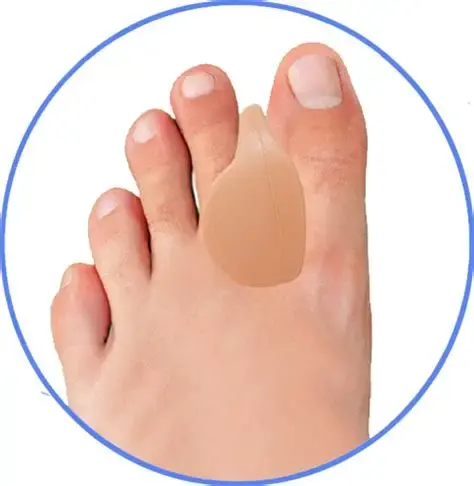
Why Toe Spacers for Alignment and Pressure Relief
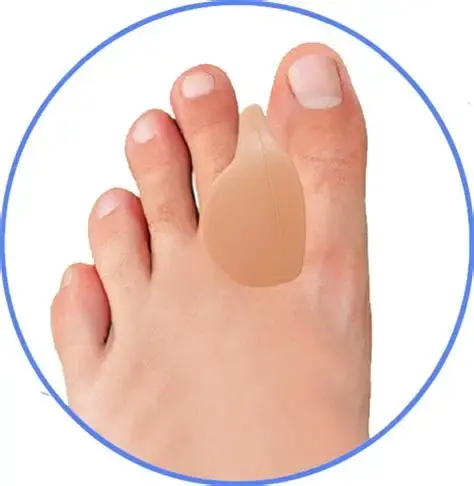
Toe spacers address the common problem of toe crowding, misalignment, and friction caused by narrow footwear, bunions, hammertoes, or overlapping toes. Modern shoes—particularly dress shoes, high heels, and narrow athletic shoes—compress the forefoot, forcing toes into unnatural positions that create friction between adjacent toes, pressure on bony prominences, and progressive deformity over time. Silicone gel toe spacers physically separate toes to their natural anatomical position, reducing skin-on-skin friction that causes corns, blisters, and irritation while gently encouraging straighter toe alignment. The medical-grade silicone provides cushioning that absorbs pressure and impact during walking, protecting painful areas like bunions and hammertoe joints. Unlike rigid plastic spacers or foam products that compress and degrade quickly, medical-grade silicone maintains its shape and cushioning properties through repeated use and washing, making it suitable for daily long-term wear both inside shoes and during barefoot activities.
Key Features
- Medical-grade silicone gel construction for durability and skin safety
- Soft, flexible material conforms to individual toe anatomy
- Cushions and physically separates adjacent toes
- Encourages natural toe alignment and spacing
- Reduces friction between toes (prevents corns, blisters)
- Washable and reusable for extended use
- Smooth, hypoallergenic finish gentle on sensitive skin
- Universal fit accommodates most foot sizes
- Slim profile fits inside most shoes
- Available individually or in pairs (verify product variant)
- Latex-free construction
Benefits
- Reduces friction and prevents painful corns between toes
- Relieves pressure on bunions and bony prominences
- Supports gradual toe straightening over time
- Comfortable for all-day wear in shoes or barefoot
- Suitable for everyday activities, exercise, and recovery
- Easy maintenance with simple soap and water washing
- Cost-effective reusable solution vs. disposable products
- Non-invasive approach to toe alignment issues
- Can delay or prevent need for surgical intervention
Clinical Applications
✓ Bunion (hallux valgus) pressure relief and alignment
✓ Overlapping toes (especially second over first, or fifth under fourth)
✓ Interdigital corns (soft corns between toes)
✓ Hammertoe or claw toe discomfort
✓ Toe crowding from narrow footwear
✓ Post-bunion surgery alignment maintenance
✓ Friction blisters between toes
✓ Tailor's bunion (bunionette) on fifth toe
✓ Preventive toe spacing for high-risk individuals
✓ Rehabilitation after toe injuries
Usage & Application
Understanding Toe Spacing Principles
Why Toes Need Spacing:
Modern footwear compresses the forefoot:
- Average toe box width: 3-4 inches
- Natural forefoot width (spread): 4-5+ inches
- Difference: 1+ inch of compression
- Result: Toes forced together unnaturally
Consequences of Toe Crowding:
- Friction between adjacent toes (corns, blisters)
- Pressure on bunions and bony areas
- Progressive toe deformity (overlapping, rotation)
- Altered gait mechanics (compensation patterns)
- Pain during walking and standing
- Reduced balance and stability
Toe Spacer Function:
- Physically separates toes to reduce friction
- Encourages return to natural anatomical position
- Cushions pressure points during movement
- Provides proprioceptive feedback (toe position awareness)
- Gradually stretches soft tissues (fascia, ligaments) toward proper alignment
When Toe Spacers Are Appropriate
Ideal Candidates:
- Bunions causing pain or pressure
- Toes overlapping or touching
- Corns between toes (interdigital corns)
- Toe crowding from narrow shoes
- Post-surgical maintenance of toe position
- Preventive use for individuals in narrow footwear
- Friction-related skin breakdown between toes
- Mild-to-moderate toe deformities
Not Appropriate If:
- Severe rigid deformities (fixed contractures requiring surgery)
- Open wounds, active infections between toes
- Severe circulatory problems (diabetic foot with poor circulation)
- Numbness preventing detection of excessive pressure
- Severe arthritis with immobile toe joints
- Allergic reaction to silicone materials
Consult podiatrist or healthcare provider if:
- Severe pain not relieved by spacers
- Progressive deformity despite spacer use
- Diabetic with neuropathy (reduced foot sensation)
- Uncertainty about appropriate use
Selecting Placement Position
Common Toe Spacer Positions:
Between Big Toe and Second Toe (Most Common):
- For bunions (hallux valgus)
- When second toe overlaps first toe
- Helps maintain post-bunion surgery correction
- Most spacers designed for this position
Between Second and Third Toe:
- For overlapping second toe (over third)
- Interdigital corn relief
- Less common but sometimes needed
Between Fourth and Fifth Toe:
- For tailor's bunion (bunionette)
- Fifth toe crowding inward
- Overlapping fourth and fifth toes
Between Third and Fourth Toe:
- Least common position
- For specific corn or overlap issues
Multiple Positions:
- Some users need spacers in multiple locations
- May require individual spacers for each position
- Verify product quantity (sold individually or in pairs)
Universal Fit Considerations
Toe Spacer Sizing:
Most gel toe spacers are "universal fit":
- Silicone stretches to accommodate different toe sizes
- Generally fits adult feet (men's and women's)
- May be too large for children's small feet
- May be too small for very large or wide feet
Signs of Good Fit:
- Stays in position between toes without falling out
- Provides gentle separation without excessive pressure
- Comfortable for extended wear
- Doesn't cause numbness or excessive tightness
Signs of Poor Fit:
- Falls out repeatedly
- Causes excessive pressure or pain
- Too thick to fit in shoes comfortably
- Cuts off circulation (numbness, discoloration)
Fit Adjustments:
- Can't adjust silicone spacer size (universal is universal)
- If too large: Consider pediatric size or different brand
- If too small: Look for "plus size" or wide options
- Trial and error may be needed to find optimal product
Initial Application
First-Time Use Preparation:
- Clean feet:
- Wash feet with soap and water
- Dry completely, especially between toes
- Moisture makes spacer insertion difficult
- Inspect spacer:
- Remove from packaging
- Check for defects (tears, rough edges)
- Rinse with water if desired (remove manufacturing residue)
- Choose position:
- Identify which toes need separation
- Most common: between big toe and second toe
- May need multiple spacers for multiple positions
Insertion Technique:
- Sitting position:
- Sit in chair with foot accessible
- Bend knee, bring foot toward you
- Good lighting helpful
- Spread toes:
- Use fingers to gently spread apart toes where spacer will go
- Create opening for spacer insertion
- Insert spacer:
- Slide spacer between toes from top of foot
- Push gently until spacer fully seated between toes
- Should sit at base of toes, not on top or too far down
- Position check:
- Spacer should feel snug but not painfully tight
- Toes should be separated with visible gap
- Spacer shouldn't be visible from top of foot (should be between toes)
- Initial comfort check:
- Stand and walk a few steps
- Should feel gentle separation, not painful
- Remove immediately if severe discomfort, numbness, or pain
Adaptation Period
Gradual Introduction Essential:
Toe spacers stretch soft tissues and change toe position—this requires adaptation:
Day 1-2:
- Wear 30-60 minutes maximum
- While sitting or resting (not walking)
- Remove if any discomfort
- Monitor skin for pressure points or redness
Day 3-5:
- Increase to 1-2 hours
- Include light walking around house
- Continue monitoring comfort and skin
Week 2:
- Progress to 2-4 hours
- Can wear during daily activities
- Try wearing in shoes (see guidelines below)
Week 3+:
- Increase to all-day wear if comfortable
- Wear during work, exercise, daily activities
- May reach point of continuous wear (except sleeping)
Why Gradual Introduction:
- Prevents blisters from new pressure points
- Allows soft tissues to gradually stretch
- Identifies any fit issues before committing to full-time use
- Some users never tolerate full-day wear—find personal tolerance level
Wearing in Shoes vs. Barefoot
Barefoot Wear:
Advantages:
- Most comfortable (no shoe restriction)
- Maximum toe separation possible
- Easy to monitor and adjust
- Good for home use, yoga, relaxation
When to Use:
- Initial adaptation period
- At home during evening
- During stretching or yoga
- When maximum separation desired
In-Shoe Wear:
Considerations:
- Spacer adds thickness between toes
- Requires adequate toe box width and height
- Not all shoes accommodate spacers
Shoe Selection:
- Wide toe box athletic shoes: Usually work well
- Running shoes: Often accommodate spacers
- Walking shoes: Many work if wide enough
- Sandals: Good option (open toe allows expansion)
- High heels: Usually don't work (too narrow)
- Dress shoes: Rarely accommodate spacers (narrow toe box)
Application in Shoes:
- Insert spacer between toes
- Put on sock (optional—can wear without socks)
- Insert foot into shoe
- Check comfort—should not feel excessively tight
- Walk and assess—remove if painful
Signs Shoe Won't Work:
- Excessive pressure on toes
- Numbness or tingling
- Can't get shoe on with spacer in place
- Spacer displaced or compressed completely flat
May need to size up shoe by 1/2 size to accommodate spacer in some cases.
Daily Wear Guidelines
When to Wear:
- During activities causing toe friction (walking, running, standing)
- Throughout workday if occupation involves standing
- During exercise if shoes accommodate spacer
- Preventively when wearing narrow shoes
- At home during barefoot time
- Whenever toe discomfort present
When to Remove:
- If any numbness, tingling, or severe pain develops
- Before sleeping (unless instructed otherwise by provider)
- If skin breakdown or blistering occurs
- When wearing shoes too narrow to accommodate spacer
- During swimming or bathing (for cleaning)
Sleep Wear:
- Generally NOT recommended during sleep
- Unconscious movement may displace spacer creating pressure injury
- Remove before bed unless specifically directed by podiatrist
- Some providers recommend overnight wear for specific conditions
Activity-Specific Guidance
Walking and Daily Activities:
- Excellent use case if shoes accommodate spacer
- Reduces friction during steps
- May improve gait comfort
- Start with short walks, increase gradually
Running and Sports:
- Can wear if athletic shoes fit properly with spacer
- May improve toe position during push-off
- Monitor for any rubbing or pressure
- Some athletes find spacers helpful, others distracting
- Remove if interfering with performance
Yoga and Barefoot Exercise:
- Ideal activities for toe spacer use
- Enhances toe spreading exercises
- Improves balance and grounding
- Many yoga practitioners use toe spacers routinely
Work Activities:
- Standing occupations: Helpful for reducing fatigue and friction
- If safety shoes required: Verify adequate toe box
- Sedentary office work: Can wear comfortably
- Manual labor: Monitor for durability (spacer may wear faster)
Monitoring and Troubleshooting
Normal Sensations:
- Gentle pressure and separation between toes
- Awareness of toe position (proprioception)
- Slight stretching feeling initially
- Mild adjustment period (2-3 days)
Concerning Symptoms (Remove Immediately):
- Numbness or tingling in toes
- Severe pain
- Skin discoloration (white, blue, red beyond mild)
- Blistering or skin breakdown
- Swelling
Common Issues and Solutions:
Spacer Falls Out:
- May be too small for your anatomy
- Try slightly thicker/larger spacer
- Ensure dry skin before insertion (moisture makes slippery)
- May need to wear in socks to hold in place
Causes Pressure or Discomfort:
- May be too large or thick
- Try thinner spacer
- Check for proper positioning (should be at base of toes)
- May need to reduce wear time (tolerance not built up yet)
Can't Fit in Shoes:
- Spacer too thick for your shoe's toe box
- Try thinner low-profile spacer
- Consider wider shoe or size up 1/2 size
- May only be able to wear barefoot or in sandals
Skin Irritation or Redness:
- Clean spacer daily (bacteria buildup)
- Allow skin to dry completely before reinsertion
- Apply thin layer of powder (cornstarch, foot powder) to reduce friction
- Give skin rest days (wear every other day)
Doesn't Relieve Symptoms:
- May need different position or multiple spacers
- Underlying condition may require additional treatment
- Consider consulting podiatrist for assessment
- Spacer may not be adequate solution alone
Skin Care and Hygiene
Daily Foot Hygiene:
- Wash feet daily with soap and water
- Dry thoroughly, especially between toes
- Check for any redness, irritation, or breakdown
- Apply foot powder if excessive moisture
Monitoring Pressure Points:
- Check skin where spacer contacts toes
- Look for redness, blisters, calluses forming
- Address early (adjust wear time, reposition spacer)
- Prevention easier than treating breakdown
For Diabetic Users:
- Extra vigilance required
- Check feet daily (mirror if can't see clearly)
- Any concerns—consult podiatrist immediately
- Reduced sensation increases injury risk
- May not feel pressure until damage occurs
Care and Cleaning Instructions
Daily Cleaning (Recommended):
- Remove spacer from foot
- Rinse with warm water
- Apply small amount of mild soap
- Rub gently to clean all surfaces
- Pay attention to crevices and textured areas
- Remove any lint, debris, skin cells
- Rinse thoroughly until no soap remains
- Pat dry with clean towel
- Air dry completely before next use
- Place on clean surface
- Allow 1-2 hours drying time
- Ensure completely dry (moisture harbors bacteria)
Frequency:
- Daily cleaning ideal for daily users
- After each use minimum
- If reusing same day, wipe with alcohol wipe between uses
What to Avoid:
- Boiling water (may damage silicone)
- Harsh chemicals or solvents
- Abrasive scrubbing (may tear silicone)
- Dishwasher (too high heat)
- Leaving wet (promotes bacterial growth)
Disinfection (Occasional):
- Soak in rubbing alcohol 10 minutes
- Or use denture cleaning tablets in water
- Rinse thoroughly after disinfection
- Allow complete drying
Storage:
- Store in clean, dry container
- Avoid direct sunlight (degrades silicone over time)
- Keep away from heat sources
- Don't store damp (mold/bacteria growth)
When to Replace Spacer
Signs of Wear Requiring Replacement:
- Tears, holes, or cracks in silicone
- Significant discoloration (yellowing, staining)
- Loss of elasticity (won't stay in place)
- Surface becoming rough or sticky
- Deformation (permanent compression, warping)
- Persistent odor despite cleaning
- Generally: 3-6 months with daily use; 6-12 months with occasional use
Medical-Grade Silicone Advantages:
- Longer lifespan than foam or gel alternatives
- Maintains cushioning properties over time
- Doesn't compress permanently like foam
- Worth investment for regular users
Comparing Toe Spacer Types
Silicone Gel (This Product):
- Material: Medical-grade silicone
- Durability: High (3-6+ months)
- Cushioning: Excellent
- Maintenance: Washable, reusable
- Comfort: Very comfortable
- Cost: Moderate (but long-lasting)
Foam Spacers:
- Material: Soft foam
- Durability: Low (1-2 months)
- Cushioning: Good initially, degrades quickly
- Maintenance: Not truly washable
- Comfort: Comfortable but compresses
- Cost: Low (but frequent replacement)
Gel with Fabric Cover:
- Material: Gel core with fabric sleeve
- Durability: Moderate (fabric wears)
- Cushioning: Good
- Maintenance: Washable but fabric holds odor
- Comfort: Good but bulkier
- Cost: Moderate
Rigid Plastic Spacers:
- Material: Hard plastic
- Durability: Very high
- Cushioning: None (just separation)
- Maintenance: Easy to clean
- Comfort: Less comfortable, more corrective
- Cost: Low
Silicone (medical-grade) Advantages: Best balance of comfort, durability, hygiene, and effectiveness for most users.
Individual vs. Pair Purchasing
Sold Individually:
- One spacer
- For single toe position needing correction
- Most economical if only one location needed
- Example: Just bunion on right foot
Sold in Pairs:
- Two spacers
- For bilateral use (both feet same position)
- Or multiple positions on one foot
- Better value if need two
Verify Product Variant: Check whether THIS product is sold as single or pair—product listings should specify.
Purchase Considerations:
- If bunions on both feet: Buy pair
- If only one problem toe: Individual sufficient
- Some users need multiple spacers per foot: Buy accordingly
- Consider starting with individual to test tolerance before buying multiples
Complementary Foot Care Strategies
Toe Spacers Work Best with:
Proper Footwear:
- Wide toe box shoes (allow natural toe spread)
- Avoid narrow dress shoes and high heels when possible
- Athletic shoes with adequate width
- Consider minimalist or barefoot-style shoes
Toe Stretching Exercises:
- Manual toe spreading (use hands to spread toes apart)
- Toe yoga (active spreading, lifting individual toes)
- Picking up objects with toes (towel scrunches, marble pickup)
- Enhances flexibility and strengthening
Strengthening:
- Intrinsic foot muscle exercises
- Balance training (proprioception)
- Resistance band exercises for toes
- Reduces deformity progression
Professional Care:
- Regular podiatry visits for monitoring
- Consideration of orthotics if biomechanical issues
- Physical therapy for comprehensive foot rehab
- Surgical consultation if conservative measures fail
Avoiding Spacer Dependence:
Toe spacers are a tool, not a permanent fix:
- Work on underlying causes (footwear, biomechanics)
- Strengthen feet to maintain proper alignment independently
- Use spacers during transition period
- Goal: Improve foot function, not permanent spacer dependence
Special Populations
Athletes:
- Runners: May reduce bunion pain, improve toe-off
- Dancers: Helps maintain toe alignment despite stress
- Barefoot athletes: Natural fit for training
- Sport-specific: Test tolerance in specific footwear
Diabetic Patients:
- Use with extreme caution
- Reduced sensation increases injury risk
- Daily foot inspection mandatory
- Any concerns—consult podiatrist immediately
- May not feel excessive pressure until damage done
Elderly Users:
- May have reduced dexterity for insertion
- Caregiver assistance may be needed
- Check circulation adequacy before use
- Skin more fragile—monitor closely
Post-Surgical:
- Often recommended after bunion surgery
- Maintains correction achieved surgically
- Prevents recurrence
- Follow surgeon's specific instructions
Working with Healthcare Providers
Podiatry:
- Podiatrists frequently recommend toe spacers
- Can assess whether spacers appropriate for your condition
- May provide specific positioning guidance
- Monitor effectiveness and adjust treatment plan
Physical Therapy:
- PTs may incorporate toe spacers into foot rehab
- Teach proper use and complementary exercises
- Monitor progress and adjust approach
Orthopedics:
- Orthopedic surgeons may recommend as conservative trial before surgery
- Post-operative use to maintain surgical correction
When to Consult Provider:
- No improvement after 4-6 weeks consistent use
- Worsening symptoms
- Persistent pain despite spacer use
- Questions about appropriate use
- Diabetic with any foot concerns
Cost Considerations
Value Proposition:
- Medical-grade silicone: $8-20 per spacer typically
- Lasts 3-6+ months with proper care
- Cost per month: $1.50-7 depending on price and lifespan
- Compare to:
- Corn pads: $5-10/month (disposable, recurring cost)
- Athletic taping: Not applicable but conceptual comparison
- Prescription orthotics: $200-500 (different purpose but related)
Insurance:
- Typically not covered by insurance (over-the-counter item)
- FSA/HSA eligible in many cases (check account)
- Out-of-pocket purchase
- Cost-effective self-care option
Long-Term Foot Health
Prevention Focus:
Toe spacers part of proactive foot care:
- Maintain proper toe alignment despite narrow shoes
- Prevent progression of bunions and deformities
- Reduce corn and callus formation
- Improve overall foot function and comfort
Realistic Expectations:
- Won't reverse severe fixed deformities
- May slow or halt progression
- Provides symptom relief (pain, friction)
- May delay or prevent need for surgery
- Improves quality of life and foot comfort
Tracking Progress:
- Take photos of feet initially (baseline)
- Monitor pain levels and frequency
- Note activities possible without discomfort
- Reassess every 4-6 weeks
- Celebrate improvements (less pain, fewer corns, better alignment)
Technical Specifications
- Material: Medical-grade silicone gel
- Construction: Soft, flexible, cushioning silicone
- Durability: 3-6 months typical with daily use; 6-12 months with occasional use
- Size: Universal fit (one size fits most adult feet)
- Design: Low-profile spacer/separator
- Hypoallergenic: Yes (medical-grade silicone)
- Latex-Free: Yes
- Washable: Yes, with soap and water
- Reusable: Yes, with proper care
- Intended Use: Toe spacing, alignment, bunion relief, friction reduction, corn prevention
- Placement: Between any adjacent toes (most commonly between first and second)
- Wear Duration: Build up gradually; can wear all day once adapted
- Shoe Compatibility: Fits in shoes with adequate toe box width; may not fit in narrow dress shoes
- Color: Typically clear, beige, or neutral (check specific product)
- Quantity: Individual or pair (verify product variant listing)
- Care: Hand wash daily, air dry completely, store in clean dry container
- Replacement: Every 3-12 months depending on use frequency and wear
- Certifications: Medical-grade device