
Slideshow Items

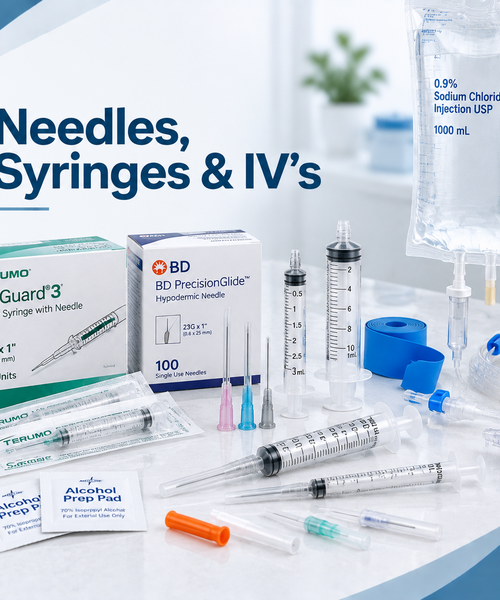
  • Needles, Syringes & IV's
  • needles-syringes-ivs
BX-Baxter

  |  

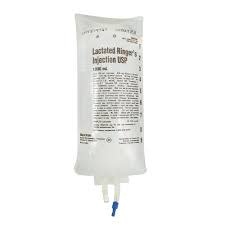
Baxter Lactated Ringer's Injection IV Solution USP 1000mL bag

C$15.00
In stock online
In store: Check availability

Available in store

SKU: JB2324

delivers balanced crystalloid resuscitation with physiologic electrolyte composition matching plasma, lactate buffering preventing metabolic acidosis, 1000 mL volume for adequate fluid replacement, isotonic formulation maintaining cellular integrity.

    • Why Lactated Ringer's with Balanced Electrolytes and Lactate Buffer for Physiologic Fluid Resuscitation

      Lactated Ringer's solution provides the balanced electrolyte composition (sodium 130 mEq/L, potassium 4 mEq/L, calcium 3 mEq/L, chloride 109 mEq/L, lactate 28 mEq/L) that closely approximates the electrolyte profile of human plasma, offering superior physiologic replacement compared to normal saline's single sodium-chloride composition—this multi-electrolyte formulation prevents the hyperchloremic metabolic acidosis complication that frequently develops when large volumes of normal saline with its supraphysiologic 154 mEq/L chloride overwhelm the kidneys' compensatory mechanisms, while the included potassium and calcium replace concurrent losses that occur during hemorrhage, surgery, burns, and other conditions causing extracellular fluid depletion. The lactate component (28 mEq/L as sodium lactate) serves dual critical functions: first, lactate metabolizes in the liver to bicarbonate providing mild alkalinization that counteracts the metabolic acidosis developing from tissue hypoperfusion, hypovolemic shock, diabetic ketoacidosis, or renal dysfunction, and second, the lactate-to-bicarbonate conversion generates endogenous bicarbonate without the risks of direct bicarbonate administration including overshoot alkalosis and paradoxical intracellular acidosis. The 1000 mL volume in flexible plastic bags enables adequate fluid resuscitation for moderate to severe hypovolemia, major surgical procedures, trauma with blood loss, and therapeutic fluid challenges where the liter volume permits rapid delivery of substantial crystalloid without the constant bag changes that would be required with smaller 500 mL or 250 mL volumes, improving workflow efficiency during critical resuscitation scenarios while the flexible bag design eliminates air venting requirements needed with rigid glass bottles and reduces storage space compared to semi-rigid containers.

      Key Features & Benefits

      Key Features:

      • Lactated Ringer's (LR) balanced crystalloid solution
      • Electrolyte Composition per liter:
        • Sodium: 130 mEq/L
        • Potassium: 4 mEq/L
        • Calcium: 3 mEq/L (as calcium chloride)
        • Chloride: 109 mEq/L
        • Lactate: 28 mEq/L (as sodium lactate)
      • 1000 mL volume per flexible bag
      • Isotonic solution (~273 mOsm/L)
      • pH approximately 6.0-7.5
      • Sterile, nonpyrogenic
      • Preservative-free
      • No antimicrobial agents
      • Flexible plastic container (PVC or non-PVC)
      • Two ports: administration port and medication additive port
      • Clear, colorless solution
      • Room temperature stable
      • Overwrap protects until ready for use
      • Single-use container
      • Latex-free construction
      • DEHP-free options available

      Benefits:

      • Balanced electrolytes approximate plasma (physiologic replacement)
      • Prevents hyperchloremic acidosis (vs. normal saline)
      • Lactate provides buffering (converts to bicarbonate)
      • Corrects mild metabolic acidosis
      • Replaces multiple electrolytes simultaneously
      • Contains potassium (normal saline doesn't)
      • Contains calcium (normal saline doesn't)
      • Isotonic prevents cellular damage
      • 1000 mL adequate for resuscitation
      • Reduces bag changes during critical care
      • Flexible container reduces storage space
      • No air venting required
      • Easy to hang and administer
      • Medication port allows additive incorporation
      • Visual inspection through clear plastic
      • Sterile ensures infection control
      • Preservative-free optimal for IV use
      • Room temperature storage convenient
      • Single-use prevents contamination

      Clinical Applications

      Lactated Ringer's Solution 1000 mL is appropriate for:

      Hypovolemia and dehydration treatmentHemorrhagic shock resuscitationTrauma fluid resuscitationSurgical fluid replacement (perioperative, intraoperative) ✓ Post-operative hydration ✓ Burn resuscitation (Parkland formula) ✓ Maintenance IV fluid therapy ✓ Diabetic ketoacidosis (DKA) treatment ✓ Metabolic acidosis correction (mild) ✓ Electrolyte replacement (Na, K, Ca, Cl) ✓ NPO patient hydration ✓ Emergency department fluid therapy ✓ Critical care volume expansion ✓ Obstetric fluid management ✓ Pediatric fluid resuscitation (with appropriate calculations) ✓ Blood transfusion fluid support ✓ Massive transfusion protocol ✓ Any clinical situation requiring balanced crystalloid

      Usage & Application

      IMPORTANT: This product must be prescribed by healthcare provider and administered by qualified clinical personnel only.

      Pre-Administration Assessment:

      1. Verify order:
        • Confirm Lactated Ringer's prescribed
        • Check volume (1000 mL)
        • Verify rate of administration
        • Review any additives ordered
      2. Patient assessment:
        • Assess fluid status (dehydration vs. overload)
        • Check blood pressure, heart rate
        • Review laboratory values:
          • Sodium level
          • Potassium level (LR contains K)
          • Calcium level (LR contains Ca)
          • Chloride level
          • Acid-base status (pH, bicarbonate)
          • Renal function
          • Liver function (lactate metabolism)
        • Review medical history
        • Assess for contraindications
      3. Contraindications—Do NOT administer if:
        • Hyperkalemia (LR contains potassium)
        • Hypercalcemia (LR contains calcium)
        • Severe metabolic alkalosis
        • Liver failure (impaired lactate metabolism)
        • Lactic acidosis (controversial—lactate may not clear)
      4. Use with caution if patient has:
        • Renal insufficiency (potassium risk)
        • Heart failure (fluid overload risk)
        • Hypertension
        • Edema
        • Elderly patients
        • Patients receiving blood transfusions (calcium in LR may cause clotting)

      Preparation:

      1. Inspect solution:
        • Remove overwrap just before use
        • Inspect bag for:
          • Leaks (squeeze bag firmly)
          • Cloudiness or discoloration (should be crystal clear)
          • Particulate matter
          • Intact ports and seals
        • Discard if:
          • Leaking
          • Cloudy or discolored
          • Contains particles
          • Bag damaged
          • Solution frozen (thaw at room temperature if accidentally frozen)
      2. Check expiration date:
        • Do not use if expired
      3. Prepare for administration:
        • Gather IV administration set
        • IV pump (if precise rate needed)
        • Alcohol swabs
        • IV pole
        • Gloves
        • Any prescribed additives
      4. Adding medications (if ordered):
        • Use aseptic technique
        • Clean medication additive port with alcohol
        • Inject medication through port
        • Mix thoroughly:
          • Invert bag several times
          • Ensure complete distribution
        • Label bag clearly:
          • Medication name and dose
          • Date and time added
          • Initials
        • Verify compatibility:
          • LR compatible with most medications
          • Notable exception: Do NOT mix with blood products (calcium may cause clotting)
          • Verify specific medication compatibility

      Administration:

      1. Establish IV access:
        • Peripheral IV catheter or central line
        • Verify patency before connecting
      2. Hang solution:
        • Remove protective cover from administration port
        • Insert administration set spike:
          • Close roller clamp first
          • Remove protective cap from spike
          • Insert spike into port
          • Hang bag on IV pole
      3. Prime tubing:
        • Squeeze drip chamber to fill halfway
        • Open roller clamp
        • Allow solution to flow through tubing
        • Remove all air bubbles
        • Close clamp once primed
      4. Connect to patient:
        • Clean IV catheter hub with alcohol
        • Connect tubing to IV access
        • Secure connection
      5. Set infusion rate:
        • Rate determined by:
          • Patient's clinical condition
          • Degree of dehydration/shock
          • Age and weight
          • Cardiac and renal function
          • Provider order
        • Typical rates:
          • Maintenance: 75-125 mL/hour adults
          • Moderate dehydration: 125-250 mL/hour
          • Severe dehydration/shock: Wide open or per protocol
          • Trauma resuscitation: Rapid infusion (2-3 L in minutes)
          • Pediatric: Calculate based on weight and condition
        • Use infusion pump for:
          • Precise rate control
          • Pediatric patients
          • Cardiac or renal patients
          • Prevention of fluid overload
      6. Secure tubing:
        • Tape or secure to prevent pulling
        • Label tubing with date and time

      Monitoring During Administration:

      1. Vital signs:
        • Monitor blood pressure, heart rate, respiratory rate
        • Every 15-30 minutes initially in acute situations
        • Per facility protocol for maintenance therapy
        • Watch for:
          • Hypertension (fluid overload)
          • Tachycardia
          • Dyspnea (fluid in lungs)
      2. Fluid status:
        • Intake and output strictly:
          • Document all fluids given
          • Monitor urine output (should increase with hydration)
          • Calculate fluid balance
        • Watch for fluid overload:
          • Dyspnea, orthopnea
          • Crackles on lung auscultation
          • Peripheral edema
          • Jugular venous distension
          • Weight gain
        • Watch for inadequate hydration:
          • Continued low urine output
          • Tachycardia
          • Low blood pressure
          • Poor skin turgor
      3. Laboratory monitoring:
        • Electrolytes:
          • Sodium, potassium, calcium, chloride
          • Potassium: Monitor closely (LR contains K)
          • Calcium: Monitor (LR contains Ca)
        • Renal function:
          • BUN, creatinine
          • Urine output
        • Acid-base status:
          • pH, bicarbonate (LR improves acidosis)
          • Lactate level (if concern about clearance)
        • Glucose: Especially in DKA patients
      4. IV site assessment:
        • Check every 1-2 hours
        • Watch for infiltration:
          • Swelling around site
          • Coolness
          • Pain
          • Slowed infusion rate
        • Watch for phlebitis:
          • Redness
          • Warmth
          • Pain along vein
          • Palpable cord
        • Discontinue if complications occur
      5. Patient symptoms:
        • Dyspnea or respiratory distress
        • Chest discomfort
        • Muscle cramps (electrolyte changes)
        • Confusion (electrolyte imbalance)

      Discontinuation:

      1. When to stop:
        • Infusion complete
        • Patient adequately resuscitated/hydrated
        • Adverse reaction occurs
        • Provider orders discontinuation
        • IV site compromised
      2. Procedure:
        • Close roller clamp
        • Remove tubing from IV catheter (or discontinue IV)
        • Dispose of bag and tubing per facility protocol
        • Document total volume infused

      Post-Administration Care:

      1. Final documentation:
        • Total volume infused
        • Patient tolerance
        • Vital signs and assessment
        • Laboratory results
        • Any complications
      2. Dispose properly:
        • Empty bags in appropriate waste
        • Follow facility disposal protocols

      Storage:

      Before Use:

      • Store at room temperature 20-25°C (68-77°F)
      • Excursions permitted 15-30°C (59-86°F)
      • Protect from freezing
      • Protect from excessive heat
      • Keep in moisture barrier overwrap until ready to use
      • Brief exposure to 40°C acceptable

      Shelf Life:

      • Check expiration date on bag
      • Typically 18-24 months from manufacture

      Do NOT use if:

      • Expired
      • Cloudy or discolored
      • Contains particulates
      • Bag leaking
      • Seal compromised

      Troubleshooting:

      Infusion running too slowly:

      • Check for kinks in tubing
      • Verify clamps open
      • Check IV site for infiltration
      • Reposition patient's arm
      • Verify pump settings

      Fluid overload developing:

      • Signs:
        • Dyspnea
        • Crackles in lungs
        • Edema
        • Hypertension
        • Distended neck veins
      • Actions:
        • Slow or stop infusion
        • Notify provider immediately
        • Elevate head of bed
        • Assess respiratory status
        • May need diuretics
        • Monitor oxygen saturation

      Infiltration:

      • Stop infusion immediately
      • Remove IV catheter
      • Elevate extremity
      • Apply warm compress
      • Assess tissue damage
      • Restart in different location

      Hyperkalemia developing:

      • LR contains potassium
      • Monitor K+ levels
      • Symptoms: muscle weakness, cardiac arrhythmias
      • Notify provider
      • May need to switch to potassium-free fluid

      Hypercalcemia developing:

      • LR contains calcium
      • Monitor Ca2+ levels
      • Notify provider if elevated

      Special Considerations:

      Trauma resuscitation:

      • LR standard fluid for trauma
      • Large volumes often needed (2-3+ liters)
      • Rapid administration
      • Monitor for acidosis improvement
      • May alternate with blood products

      Burn resuscitation:

      • LR standard for burn resuscitation
      • Parkland formula: 4 mL/kg/% burn
      • Half in first 8 hours, half in next 16 hours
      • Large volumes required
      • Monitor urine output closely

      Surgical patients:

      • LR common perioperative fluid
      • Replaces third-space losses
      • Maintains electrolyte balance
      • Monitor fluid balance closely

      Diabetic ketoacidosis (DKA):

      • LR appropriate initial fluid
      • Helps correct acidosis
      • Contains potassium (DKA patients often hypokalemic)
      • Switch to dextrose-containing fluid when glucose <250 mg/dL
      • Monitor electrolytes closely

      Massive transfusion:

      • LR can be used between blood products
      • DO NOT mix LR with blood (calcium may cause clotting)
      • Run LR through separate IV line
      • Or flush line between blood and LR

      Pediatric patients:

      • Calculate fluid rate by weight
      • Typical: 4 mL/kg/hr for first 10 kg, 2 mL/kg/hr for next 10 kg, 1 mL/kg/hr for remaining kg
      • Monitor closely (children more prone to fluid overload)
      • Use infusion pump mandatory
      • Smaller volumes may be appropriate

      Geriatric patients:

      • More prone to fluid overload
      • May have reduced cardiac reserve
      • May have renal insufficiency
      • Monitor carefully
      • Slower infusion rates often appropriate
      • Daily weights important

      Cardiac patients:

      • Risk of fluid overload and heart failure exacerbation
      • Monitor for dyspnea, edema
      • Conservative fluid administration
      • May need diuretics concurrently
      • Daily weights critical

      Renal patients:

      • Reduced ability to excrete potassium (LR contains K)
      • Reduced ability to excrete calcium (LR contains Ca)
      • Fluid overload risk high
      • Monitor intake/output strictly
      • Watch electrolytes closely
      • May need reduced volumes

      Liver disease/cirrhosis:

      • Impaired lactate metabolism
      • LR contraindicated in severe liver failure
      • Lactate may accumulate
      • Monitor lactate levels
      • May need alternative fluid

      Pregnancy:

      • Generally safe
      • Monitor for fluid overload
      • Appropriate for labor and delivery

      Lactated Ringer's vs. Other IV Fluids:

      LR vs. Normal Saline (0.9% NaCl):

      • LR advantages:
        • Balanced electrolytes (more physiologic)
        • Contains potassium (NS doesn't)
        • Contains calcium (NS doesn't)
        • Prevents hyperchloremic acidosis (NS causes this)
        • Lactate buffering (NS doesn't buffer)
      • NS advantages:
        • Safe in hyperkalemia (no potassium)
        • Safe with blood products (no calcium)
        • Safe in liver failure (no lactate)
      • When to use LR:
        • Most trauma/shock
        • Burns
        • Surgery
        • General resuscitation
      • When to use NS instead:
        • Hyperkalemia
        • Hypercalcemia
        • Severe liver failure
        • Simultaneous blood administration

      LR vs. Plasma-Lyte/Normosol (other balanced crystalloids):

      • Very similar compositions
      • Both "balanced" crystalloids
      • LR contains lactate; Plasma-Lyte contains acetate/gluconate
      • Both superior to NS for large-volume resuscitation
      • Choice often institutional preference

      LR vs. Dextrose Solutions:

      • LR: No calories, for hydration and electrolyte replacement
      • Dextrose: Provides calories, free water
      • Different clinical uses

      When to Contact Provider:

      Immediately:

      • Signs of severe fluid overload (respiratory distress)
      • Chest pain
      • Altered mental status
      • Severe electrolyte abnormalities (arrhythmias)
      • Allergic reaction (rare but possible)

      Soon:

      • Mild fluid overload signs
      • Infiltration not resolving
      • Electrolyte imbalances
      • Patient not improving with resuscitation
      • Questions about rate or continuation

      Regulatory Information:

      • FDA-approved IV solution
      • USP (United States Pharmacopeia) grade
      • Manufactured under cGMP (current Good Manufacturing Practices)
      • Nonpyrogenic per USP standards
      • Sterile per USP standards

      Technical Specifications

      Product Details:

      • Product Name: Lactated Ringer's Injection, USP
      • Volume: 1000 mL per bag
      • Container: Flexible plastic bag (PVC or non-PVC options)
      • Osmolality: Approximately 273 mOsm/L (isotonic)
      • pH: Approximately 6.0-7.5
      • Electrolyte Content per liter:
        • Sodium (Na+): 130 mEq/L
        • Potassium (K+): 4 mEq/L
        • Calcium (Ca2+): 3 mEq/L (as calcium chloride dihydrate)
        • Chloride (Cl-): 109 mEq/L
        • Lactate (C3H5O3-): 28 mEq/L (as sodium lactate)
      • Solution Appearance: Clear, colorless
      • Sterility: Sterile
      • Pyrogenicity: Nonpyrogenic
      • Preservatives: None (preservative-free)
      • Antimicrobial Agents: None
      • Ports: Administration port and medication additive port
      • Overwrap: Moisture barrier until ready for use
      • Latex Content: Latex-free
      • DEHP: Check specific product (DEHP-free options available)
      • Intended Use: Intravenous administration only
      • Single Use: Discard unused portion
      • Storage: Room temperature 20-25°C (68-77°F)
      • Shelf Life: Check expiration (typically 18-24 months)
      • Regulatory Status: FDA-approved drug product
      • USP Designation: Lactated Ringer's Injection, USP
    • No reviews yet

      Add yours

    Testimonials from Google

    See all reviews

    Your cart — 0

    You cart is currently empty

    Login

    By using our website, you agree to the use of cookies. These cookies help us understand how customers arrive at and use our site and help us make improvements. Hide this message More on cookies »