Why Occupational Lumbar Support Belts
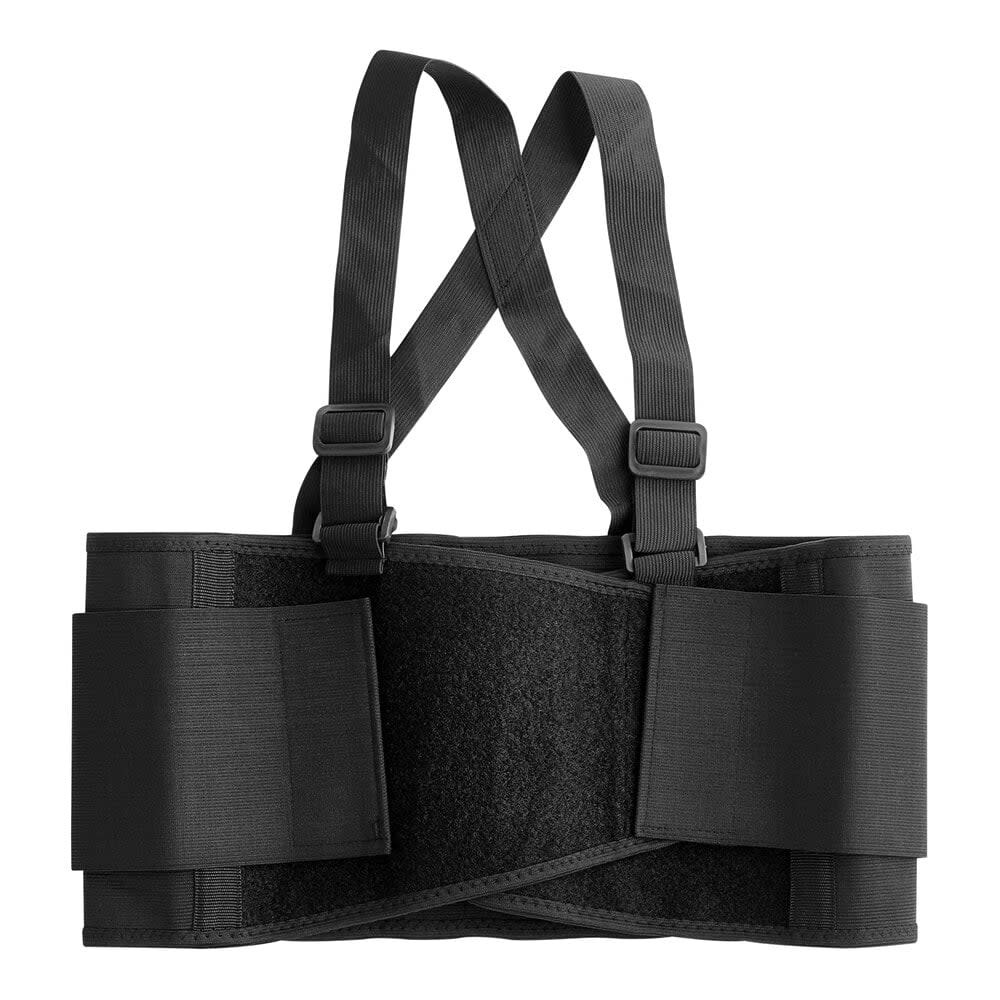
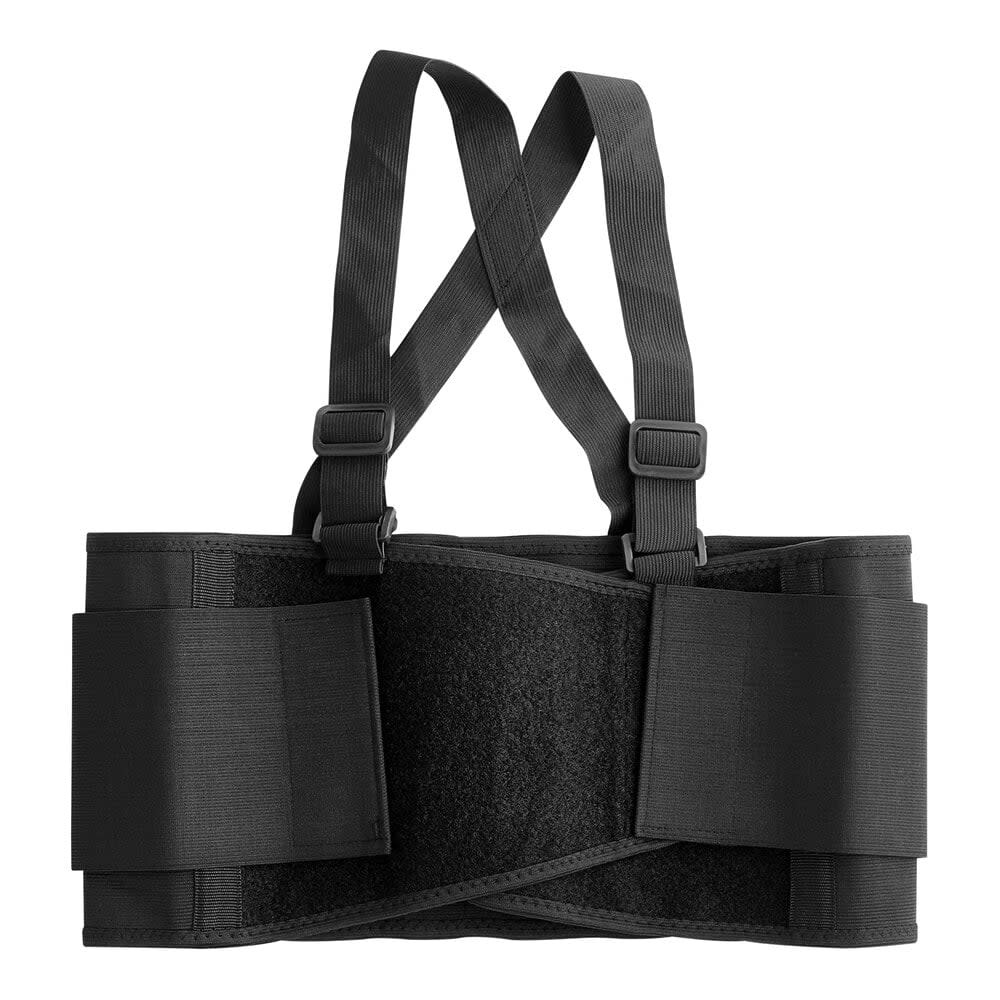
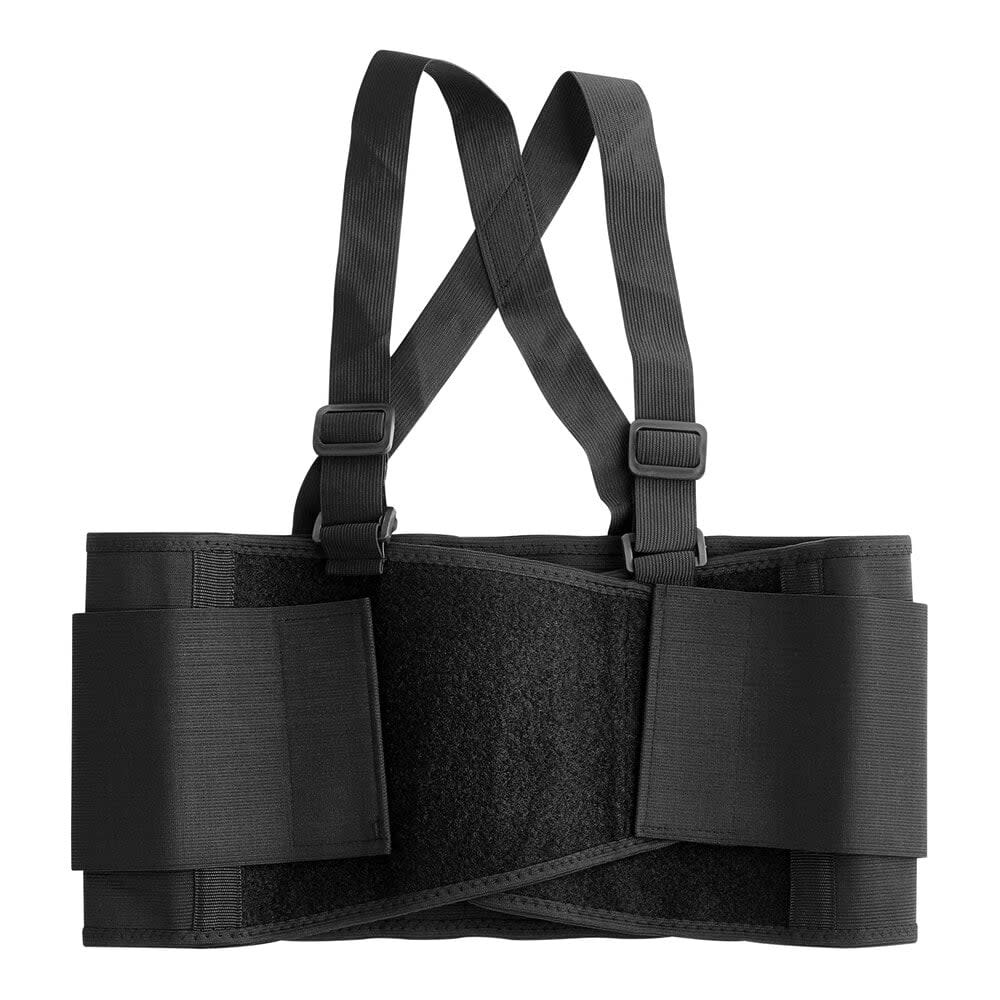
Industrial back support belts serve a critical role in workplace injury prevention programs by providing external biomechanical support during high-risk activities such as repetitive lifting, prolonged bending, material handling, and sustained static postures common in warehouse, manufacturing, retail, construction, and healthcare environments. While back belts do not replace proper lifting mechanics, ergonomic workplace design, or physical conditioning programs, research demonstrates that when integrated into comprehensive injury prevention strategies, they increase intra-abdominal pressure and provide proprioceptive feedback that encourages neutral spine positioning during lifting tasks. The Champion Industrial Support Belt employs a contoured lumbar panel that targets the L3-L5 vertebral region—the area most vulnerable to work-related strains and disc injuries—while adjustable elastic side straps enable workers to customize compression intensity based on task demands, body size variations, and personal comfort preferences throughout the workday. Removable plastic or metal stays provide structural rigidity that resists excessive flexion (forward bending) during lifting while maintaining enough flexibility for normal movement during walking, climbing, and other non-lifting activities. The breathable mesh-back construction addresses the primary compliance barrier with occupational support belts—excessive heat and moisture buildup during physical labor—enabling workers to wear the belt throughout entire shifts rather than removing it when discomfort develops, which defeats the protective purpose. This Medium size configuration accommodates waist measurements typically ranging from 32-38 inches, fitting the majority of adult workers in physically demanding occupations while the black color maintains professional appearance under uniforms or alongside workwear across diverse industrial, commercial, and healthcare settings.
Key Features
- Contoured lumbar panel targets L3-L5 vertebral support zone
- Size Medium for waist measurements approximately 32-38 inches
- Adjustable hook-and-loop front closure for customizable fit
- Elastic side pull-straps enable dynamic tension adjustment
- Breathable mesh-back construction for moisture management
- Four removable plastic or metal support stays (model-dependent)
- Optional 4-point suspender system for weight distribution (select variants)
- Heavy-duty elastic webbing resists stretching and maintains compression
- Low-profile design fits under uniforms, scrubs, or workwear
- Black color for professional appearance across work environments
- Reinforced stitching at stress points for extended durability
- Latex-free materials for sensitive skin compatibility
Benefits
- Increases intra-abdominal pressure during lifting tasks
- Provides proprioceptive reminder to maintain neutral spine posture
- Reduces mechanical stress on lumbar vertebrae and discs
- Customizable compression adjusts to varying task demands
- Breathable construction enables full-shift wearability
- Easy on/off application during break periods
- Maintains professional appearance in customer-facing roles
- Cost-effective component of workplace injury prevention programs
- Supports OSHA ergonomics and safety compliance initiatives
- Washable and reusable for long-term use
- More affordable than medical-grade back braces
- Empowers workers with personal control over support level
Clinical Applications
✓ Material handling and warehouse operations (lifting, carrying, sorting) ✓ Retail stock work (unloading trucks, stocking shelves, inventory) ✓ Healthcare patient transfers and repositioning (CNAs, nurses, therapists) ✓ Construction and trades work (lifting materials, repetitive bending) ✓ Manufacturing and assembly operations (static postures, lifting) ✓ Maintenance and facilities work (equipment repair, janitorial tasks) ✓ Delivery and transportation (package handling, loading/unloading) ✓ Agriculture and landscaping (lifting, prolonged bending, tool use) ✓ Postal and shipping operations (sorting, carrying, package handling) ✓ Emergency services and public safety (patient lifting, equipment carrying)
Usage & Application
Initial Sizing and Fit:
- Measure waist at navel level (not pants waist) to determine size
- Medium typically fits 32-38 inch waist measurements (verify manufacturer chart)
- Try belt on before shift to verify proper fit and adjustment range
- Position lumbar panel centered over lower back at belt line
- Adjust front closure and side straps for snug but comfortable fit
- Ensure belt doesn't ride up or slide down during movement
Proper Positioning:
- Center of lumbar panel should align with belly button height
- Top edge approximately at waist/belt line level
- Bottom edge above hip bones (iliac crest)
- Panel should not extend above rib cage or below pelvis
- Equal coverage on both sides of spine
- No gaps between belt and body when standing upright
Tension Adjustment Guidelines:
- Start with moderate tension (snug but not restrictive)
- Should feel supportive but allow full breathing
- Tighten before lifting tasks, can loosen during less demanding activities
- No numbness, tingling, or difficulty breathing
- Should not restrict normal movement during walking or bending
- Re-adjust throughout day as needed for comfort
Application Technique:
- Hold belt behind back with lumbar panel centered
- Wrap around torso and secure hook-and-loop front closure loosely
- Pull side elastic straps to desired tension (typically one at a time)
- Secure side straps to hook-and-loop surface
- Verify lumbar panel remains centered after tensioning
- Make fine adjustments to front closure if needed
- Test range of motion (bend, twist, reach) to verify comfort
Removable Stays Configuration:
- Maximum support: Install all 4 stays for lifting-intensive work
- Moderate support: Use 2 stays (top and bottom or left and right)
- Light support: Remove all stays for compression-only support
- Stays typically slide into pockets on interior of lumbar panel
- Ensure stays are fully inserted and centered
- Remove stays before washing belt
Suspender System (If Equipped):
- 4-point suspenders distribute weight to shoulders
- Reduces downward migration of belt during movement
- Adjust strap length so belt maintains proper position
- Suspenders should be snug but not cause shoulder discomfort
- Particularly valuable for workers with short torsos
- Can be removed if not needed for proper belt positioning
Work Activity Guidelines:
High-Risk Lifting (Heavy/Frequent):
- Wear belt throughout entire shift
- Maximum tension during actual lifting
- Can loosen slightly between lifting cycles
- Coordinate with proper lifting technique (bend knees, not back)
Moderate Activity (Intermittent Lifting):
- Wear belt during lifting periods
- May remove during seated breaks or non-lifting tasks
- Moderate tension adequate
- Good choice for retail stocking, light warehouse
Low Activity with Prolonged Standing:
- Lighter tension acceptable
- Focus on postural reminder rather than maximum support
- May provide fatigue relief during long standing shifts
- Consider removing stays for less restrictive feel
Dynamic Work (Bending, Twisting, Climbing):
- Moderate tension that allows full range of motion
- Verify belt doesn't restrict ladder climbing or crawling
- Lighter stay configuration or no stays may be preferable
- Belt should enhance, not impede, movement
Wear Duration Recommendations:
- New users: Start with 2-4 hours to adapt
- Gradually increase to full shift over 1-2 weeks
- Take 10-15 minute breaks every 2-3 hours if possible
- Remove during lunch or extended breaks
- Total daily wear: Typically 6-10 hours (full shift)
- Remove when sitting for extended periods if uncomfortable
Care and Maintenance:
- Hand wash in cold water with mild detergent after 3-5 wears
- Remove stays before washing (if removable)
- Air dry completely (never machine dry or use heat)
- Do not bleach, iron, or dry clean
- Periodically inspect elastic and stitching for wear
- Clean hook-and-loop closures (remove lint, debris)
- Replace when elastic loses tension or fabric shows significant wear
- Typical lifespan: 6-18 months depending on usage intensity
Troubleshooting Common Issues:
Belt Rides Up During Bending:
- May be positioned too high initially
- Try starting position lower on torso
- Tighten side straps more to prevent migration
- Consider suspender-equipped model
Belt Slides Down During Movement:
- Likely positioned too low or too loose
- Increase tension on side straps
- Verify proper size (too large will not stay in place)
- Suspenders can prevent downward migration
Difficulty Breathing or Excessive Tightness:
- Belt is too tight (loosen immediately)
- May be positioned too high (covering ribs)
- Take breaks and gradually adapt to compression
- Consider using fewer or no stays for less restriction
Discomfort Behind Back:
- Stays may be positioned incorrectly
- Try removing one or more stays
- Verify lumbar panel is centered (not twisted)
- May indicate belt is too small
Excessive Sweating/Heat:
- Ensure mesh back is positioned properly for ventilation
- Wear moisture-wicking undershirt beneath belt
- Take breaks to air out during shift
- Consider lighter tension during hot conditions
Does Not Provide Enough Support:
- Verify all stays are installed and properly positioned
- May need to increase tension on side straps
- Belt may be too large (insufficient compression)
- Consider upgrading to medical-grade brace if inadequate
Proper Lifting Technique (Belt Does NOT Replace):
- Assess load before lifting
- Position body close to load
- Bend at knees and hips, not at waist
- Keep back straight and neutral
- Lift with legs, not back muscles
- Avoid twisting while holding load
- Ask for help with heavy or awkward loads
- Use mechanical aids when available
Size Medium Specific Considerations:
- Fits most average adult workers (32-38 inch waist)
- If measurement is at low end (32-33"), consider Small for better fit
- If measurement is at high end (37-38"), consider Large for adequate coverage
- Proper fit critical for effectiveness—sizing up or down may be needed
- Belt should have 2-3 inches of adjustment range remaining after securing
When This Belt is NOT Appropriate:
- Acute back injury or severe pain (seek medical care first)
- Diagnosed herniated disc or spinal instability (medical brace required)
- Post-surgical back or abdominal recovery (consult physician)
- Pregnancy (abdominal compression contraindicated)
- Abdominal or inguinal hernia (compression may worsen)
- Respiratory conditions affected by torso compression
- As sole intervention without proper lifting training
Employer and Safety Manager Guidance:
- Belts should be voluntary, not mandatory (worker choice)
- Provide sizing assistance and education on proper use
- Integrate into comprehensive injury prevention program
- Do not rely solely on belts to prevent injuries
- Prioritize engineering controls (lift assists, ergonomic design)
- Maintain proper lifting training for all workers
- Document belt provision in safety compliance records
OSHA and Regulatory Considerations:
- OSHA does not require or specifically endorse back belts
- Belts should complement, not replace, ergonomic improvements
- Voluntary use by workers after proper training acceptable
- Some industries include belts in recommended PPE programs
- Document training and voluntary acceptance in safety files
- Regional regulations may vary (check local requirements)
When to Contact Healthcare Provider:
- Back pain worsens despite belt use
- New numbness, tingling, or weakness in legs
- Pain radiates down leg (sciatica symptoms)
- Loss of bowel or bladder control (medical emergency)
- Unable to work due to back pain
- Considering medical-grade back brace
Technical Specifications
- Brand: Champion
- Product: Industrial Back Support Belt
- Size: Medium
- Waist Measurement Range: Approximately 32-38 inches (measured at navel, not pants waist)
- Typical User Profile: Average adult workers, both male and female
- Design Type: Contoured lumbar support with adjustable elastic compression
- Lumbar Panel: Contoured panel targets L3-L5 vertebral region
- Closure System: Hook-and-loop (Velcro-style) front closure
- Tension Adjustment: Elastic side pull-straps for customizable compression
- Support Stays: Four removable plastic or metal stays (model-dependent)
- Stay Configuration Options: All 4, 2, or 0 stays depending on support needs
- Suspenders: Optional 4-point suspender system on select variants
- Material Construction: Heavy-duty elastic webbing with breathable mesh back
- Mesh Purpose: Moisture management and heat dissipation
- Reinforcement: Double-stitched stress points for durability
- Color: Black (professional appearance for workplace use)
- Profile: Low-profile design fits under clothing or uniforms
- Weight: Approximately 8-12 ounces (lightweight)
- Latex Content: Latex-free materials
- Support Level: Light to moderate occupational support (not medical-grade)
- Intended Use: Workplace injury prevention during lifting and physical labor
- Activity Level: Medium to heavy occupational demands
- Not Intended For: Medical treatment of diagnosed conditions, post-surgical recovery
- Care Instructions: Hand wash cold, air dry; remove stays before washing
- Typical Lifespan: 6-18 months with regular occupational use
- Quantity: Sold individually (single belt)
- Packaging: Retail packaging with sizing guide and usage instructions
- Compliance: Suitable for voluntary workplace injury prevention programs