Slideshow Items

  • Ostomy Supplies
  • continence-ostomy/ostomy-supplies
  • Continence & Ostomy
  • continence-ostomy
COL-Coloplast

  |  

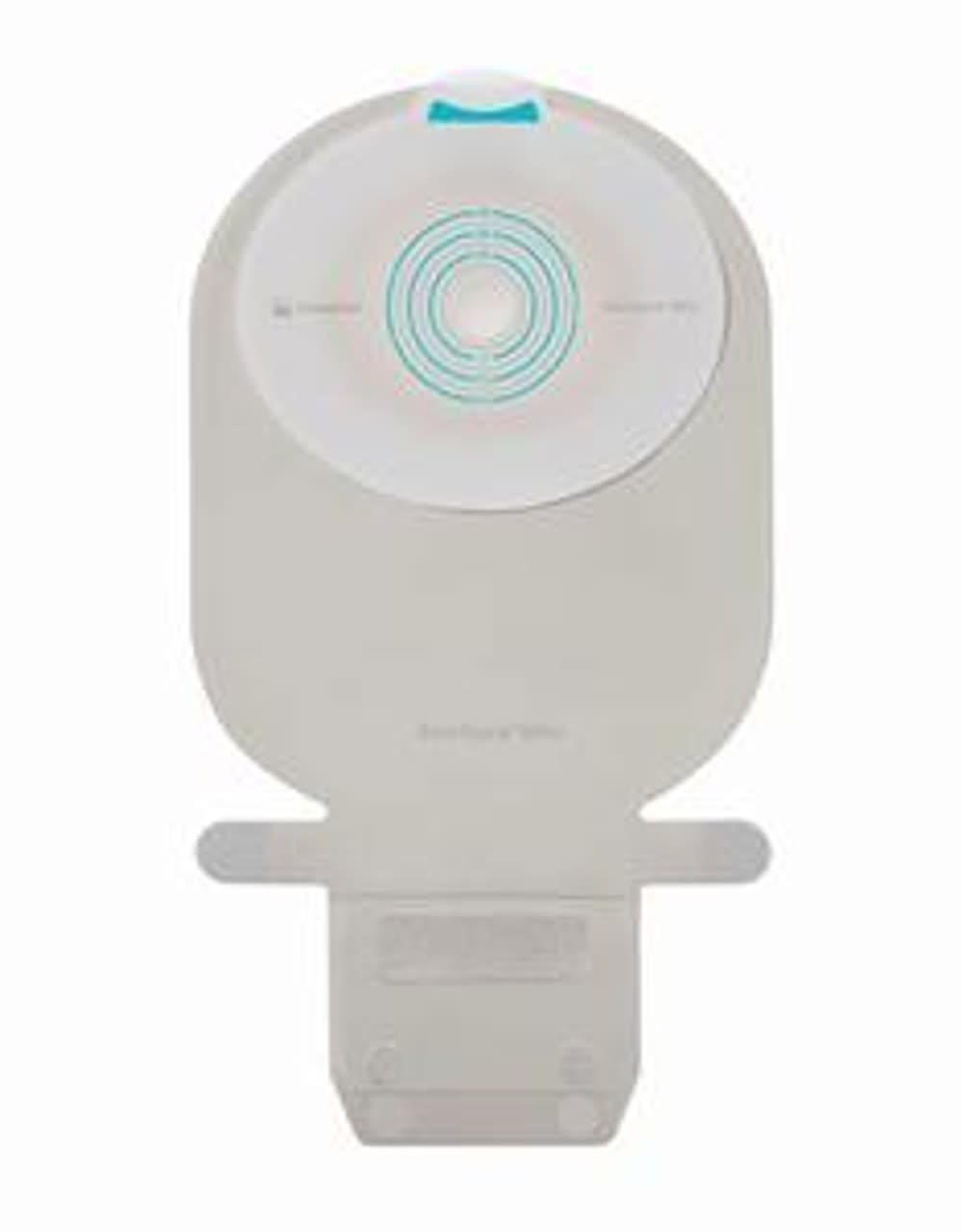
Coloplast Sensura Mio 1pc Open, Flat, Tranparent, Xxl, Cut To Fit 10-100mm 10/Bx

C$120.00
Out of stock online
In store: Check availability

Available in store

UPC Code: 5701780253116
SKU: 18383

1-piece XXL drainable pouch with ultra-high capacity for high-output. Cut-to-fit 10-100mm fits all stoma sizes. Flat adhesive, transparent. Elastic backing stretches with body. Wide drain outlet. Post-op and high-output use. 10 pouches/box.

    • The SenSura Mio 1-piece XXL high-output drainable pouch represents Coloplast's maximum-capacity solution for ostomy patients facing exceptional drainage volume challenges—whether temporary (immediate post-operative period, acute illnesses) or permanent (short bowel syndrome, high-output ileostomy). XXL capacity designation indicates this pouch holds substantially more than Maxi, standard, or mini sizes, typically accommodating 800-1,200mL of output before requiring drainage, compared to 400-600mL for standard drainable pouches.

      High-output stomas produce liquid or semi-liquid stool continuously throughout the day, potentially reaching 1,500-3,000mL or more daily in severe cases. Standard-capacity pouches require drainage every 2-3 hours with such volumes, creating significant lifestyle disruption—constant restroom dependence, interrupted sleep, professional limitations, and social anxiety. XXL capacity extends drainage intervals to 4-6 hours or more, providing meaningful quality-of-life improvement during post-operative recovery periods or for patients managing permanent high-output conditions.

      The cut-to-fit 10-100mm sizing range is extraordinary—one of the widest available in ostomy products. This universal accommodation serves the complete spectrum of stoma anatomies: pediatric patients with tiny 10-15mm stomas, standard adult stomas (20-40mm), large adult stomas (45-70mm), and extremely large bariatric or surgical stomas approaching 100mm. The ability to custom-cut any size within this range eliminates the inventory complexity and patient frustration of stocking dozens of pre-cut sizes, while ensuring optimal fit regardless of how unusual the stoma dimensions.

      Cut-to-fit technology proves particularly valuable in three scenarios: (1) immediate post-operative period when stoma size changes rapidly as surgical edema resolves (cut larger initially, progressively smaller as swelling decreases), (2) irregular or oval stomas that don't match standard circular pre-cuts (hand-cutting allows custom shaping), and (3) stomas that fluctuate in size due to weight changes, herniation, prolapse, or retraction (single product accommodates all size variations).

      The flat adhesive design indicates this barrier provides no convex projection—appropriate for protruding or healthy flush stomas where additional pressure is unnecessary and potentially harmful. High-output stomas are disproportionately ileostomies, which typically protrude 15-30mm above skin surface due to surgical construction requirements (small bowel is more mobile than colon, allowing better protrusion). The flat barrier takes advantage of natural stoma protrusion, eliminating the bulk and pressure of convexity when it's not clinically needed.

      The transparent design serves critical monitoring purposes: post-operative stoma assessment (color, size, bleeding, edema), high-output characteristic evaluation (truly liquid versus thickening with dietary adjustments), fluid balance monitoring (urine-like consistency suggests dehydration requiring intervention), and early complication detection (blood, unusual colors, blockage). For high-output patients where output characteristics directly inform treatment decisions (diet modifications, anti-motility medications, fluid replacement), transparency provides continuous visual data without pouch removal.

      The 1-piece integrated design combines barrier and pouch into a single disposable unit, offering simplicity advantages for patients managing already-complex high-output conditions. When changing pouches 1-3 times daily due to high volume, the streamlined 1-piece application (remove old, apply new) proves faster and easier than 2-piece coupling systems, particularly valuable during post-operative recovery when patients are learning ostomy management while still fatigued and uncomfortable from surgery.


      Key Features & Benefits

      XXL Ultra-High Capacity

      ✓ 800-1,200mL capacity (2-3× standard drainable pouches of 400-500mL)
      ✓ Extended drainage intervals: 4-6 hours vs. 2-3 hours standard (with high-output stomas)
      ✓ Overnight use possible: Some high-output patients can sleep 6-8 hours without drainage
      ✓ Reduces restroom dependence: Fewer public toilet visits during work, travel, social activities
      ✓ Post-op recovery: Maximum capacity when output is highest (first 4-8 weeks)
      ✓ Short bowel syndrome: Permanent solution for lifelong high-output conditions

      Cut-to-Fit 10-100mm Universal Sizing

      ✓ Widest sizing range available: One product serves virtually all stoma sizes
      ✓ Pediatric accommodation: 10-15mm opening for infants and young children
      ✓ Standard adult sizes: 20-40mm (most common range)
      ✓ Large adult stomas: 45-70mm (bariatric, surgical complexity)
      ✓ Extremely large stomas: 75-100mm (rare but critical need)
      ✓ Irregular shapes: Custom cutting for oval, kidney-shaped, or asymmetric stomas
      ✓ Size flexibility: Adjust as stoma changes (post-op edema, weight fluctuation, complications)

      1-Piece Integrated Design

      ✓ All-in-one system (barrier + pouch combined—no coupling)
      ✓ Simple application: Remove old, apply new (streamlined for high-frequency changes)
      ✓ Lowest profile: No coupling mechanism bulk
      ✓ Ideal for: Post-op patients learning management, high-output requiring frequent changes
      ✓ Fresh barrier every change: Ensures optimal seal with each pouch replacement

      Flat Adhesive for Protruding Stomas

      ✓ No convex pressure (appropriate for healthy protruding stomas)
      ✓ Maximum comfort: Flat barrier eliminates unnecessary pressure
      ✓ Ideal for ileostomies: Typically protrude 15-30mm (don't need convexity)
      ✓ High-output stomas: Usually well-constructed with good protrusion
      ✓ Reduces bulk: Flat thinner than convex under clothing

      Transparent for Continuous Monitoring

      ✓ Complete output visibility (color, consistency, volume)
      ✓ Post-operative monitoring standard: First 4-8 weeks minimum
      ✓ High-output management: Visual feedback guides treatment (diet, medications, hydration)
      ✓ Early complication detection: Blood, blockage, unusual characteristics
      ✓ Dehydration assessment: Very liquid output = possible dehydration needing intervention
      ✓ Healthcare professional evaluation: Visual assessment without pouch removal

      Coloplast Elastic Adhesive

      ✓ Stretches with body movement (vs. rigid hydrocolloid)
      ✓ Improved wear comfort: Flexible adhesive reduces edge lifting
      ✓ 40-50% longer wear vs. rigid adhesives (clinical data)
      ✓ Active lifestyle compatible: Sports, exercise, manual labor
      ✓ Gentle on skin: Elastic reduces stress on peristomal tissues

      Soft Textile Backing

      ✓ Neutral-grey color: Discreet under clothing
      ✓ Quiet, non-rustling material: Social/professional discretion
      ✓ Comfortable against skin and clothing
      ✓ Moisture-wicking properties: Reduces perspiration buildup
      ✓ Non-clinical appearance: Promotes normalcy

      Wide Drain Outlet for Fast Emptying

      ✓ Large opening: Accommodates thick or chunky high-output
      ✓ Fast drainage: 45-90 seconds to empty (vs. 2-3 minutes with small openings)
      ✓ Easy to clean: Wide opening allows thorough rinsing
      ✓ Reduces clogging: Handles particulate matter in high-output
      ✓ Integrated closure or clamp: Secure leak-proof seal between empties


      Clinical Applications

      Primary Applications:

      ✓ Immediate Post-Operative Period (First 4-8 Weeks) - CRITICAL PRIMARY USE
      All new ostomy patients experience highest output immediately after surgery as the bowel recovers from surgical trauma and anesthesia effects. Ileostomy output can reach 2,000-3,000mL daily in the first 2-4 weeks, gradually decreasing to 800-1,200mL daily by 6-8 weeks as bowel adapts. Standard-capacity pouches require drainage every 1-2 hours during this period—exhausting for recovering surgical patients. XXL capacity extends intervals to 3-4 hours minimum, allowing patients to rest, sleep, and focus on healing rather than constant pouch management. Transparent monitoring is standard protocol during this period (assess stoma viability, detect bleeding, monitor output characteristics).

      ✓ Short Bowel Syndrome (SBS) - Permanent High-Output
      SBS results from extensive small bowel resection (Crohn's disease, mesenteric infarction, trauma, cancer), leaving insufficient absorptive surface. Patients with <100cm remaining small bowel produce 1,500-3,000mL+ liquid output daily permanently, requiring lifelong high-output management. XXL capacity is essential—not a temporary solution but permanent necessity. These patients also require careful fluid/electrolyte monitoring (transparent design aids assessment), and frequent pouch changes due to volume (1-piece simplicity valuable).

      ✓ High-Output Ileostomy (>1,200mL Daily)
      Even without SBS diagnosis, some ileostomy patients consistently produce higher volumes than typical. Causes include rapid gut transit, malabsorption, dietary factors, medications (antibiotics, chemotherapy), or anatomical variations (very proximal ileostomy with minimal small bowel remaining). While potentially improvable with diet/medications, many patients maintain permanently elevated output requiring XXL capacity long-term.

      ✓ Temporary High-Output Episodes
      Standard-output ostomy patients occasionally experience temporary high-output periods: gastroenteritis (viral or bacterial), food poisoning, dietary indiscretions (excessive fruits, alcohol, spicy foods), medication side effects (antibiotics, laxatives, chemotherapy), or partial bowel obstruction resolution (sudden release of backed-up contents). XXL pouches provide backup capacity during these episodes, preventing frequent emergency changes. Patients can stock a box for use "as needed" when standard pouches prove inadequate.

      ✓ Chemotherapy or Radiation Therapy Patients
      Cancer treatments accelerate gut transit and increase stool liquidity, temporarily elevating ostomy output. Chemotherapy-induced diarrhea or radiation enteritis can increase daily output from 800mL to 2,000mL+. XXL capacity accommodates treatment-related high-output periods (typically 3-6 months during active treatment), with potential return to standard capacity after treatment completion.

      ✓ Extremely Large Stomas (75-100mm)
      Bariatric surgery patients, complicated surgical constructions, or stomas with prolapse may exceed 70mm diameter—too large for most pre-cut pouches. The 10-100mm cut-to-fit range is one of few products accommodating these extreme sizes. High-output capacity particularly valuable as large stomas often result from complex surgeries (extensive bowel resection, difficult anatomy) correlating with higher output volumes.

      ✓ Irregular or Oval Stomas
      Surgical technique variations, scar tissue, hernias, or patient anatomy can create non-circular stomas—kidney-shaped, oval, or irregular. Pre-cut circular openings don't fit properly, causing gaps (leakage risk) or over-cutting (excessive exposed skin). Cut-to-fit allows custom shaping to match exact stoma contours. High-output transparent design aids assessment of whether irregular shape is stable or changing (requires monitoring).

      ✓ Pediatric Ostomy Patients
      Infants and young children have tiny stomas (10-20mm), often far smaller than adult pre-cut minimums (typically 20mm+). The 10mm minimum cut-to-fit capacity makes this one of few products suitable for pediatric patients. Post-operative high-output is proportionally severe in children (can lose dangerous fluid percentages quickly), making XXL capacity relative to body size valuable, and transparent monitoring essential for caregivers assessing hydration status.

      ✓ Stoma Size Fluctuation Patients
      Weight gain/loss, herniation, prolapse, or retraction cause stoma size changes over time. Rather than maintaining inventory of multiple pre-cut sizes, patients can adjust single cut-to-fit product as needed. High-output often accompanies complications causing size changes (partial obstruction, prolapse), making combined features valuable.

      Specific Patient Populations:

      ✓ Crohn's Disease Patients (30-40% of Ileostomies)
      Multiple small bowel resections common → short bowel syndrome → permanent high-output
      Disease activity flares can temporarily increase output further
      Young age at surgery (20-40 years typical) = decades of high-output management

      ✓ Mesenteric Ischemia Survivors
      Emergency extensive small bowel resection → short bowel syndrome
      Often older patients (vascular disease risk factors) with limited manual dexterity → 1-piece simplicity valuable

      ✓ Colorectal Cancer Patients
      Ileostomy post-colectomy (colon removed, small bowel brought out)
      Post-operative high-output temporary, then return to standard
      Chemotherapy may cause recurring high-output episodes

      ✓ Familial Adenomatous Polyposis (FAP)
      Prophylactic colectomy with ileostomy (young patients, 20-30s)
      Post-op high-output, then typically standard long-term
      Decades of ostomy management ahead → need all pouch types

      ✓ Ulcerative Colitis (Total Colectomy with Ileostomy)
      Post-op high-output for 6-12 weeks
      "Pouchitis" in IPAA patients can cause temporary high-output episodes

      ✓ Trauma Patients (Gunshot, Stab, MVA)
      Emergency bowel resection → often extensive
      Young, active patients → 1-piece simplicity during recovery, then may prefer 2-piece

      ✓ Bariatric Surgery Complications
      Bowel perforation, leak, fistula requiring diversion
      Large stomas common (thick abdominal wall) → 10-100mm range essential

      ✓ Pediatric Patients (Congenital Defects, NEC, Hirschsprung's)
      Tiny stomas (10-20mm) → 10-100mm range critical
      High fluid loss risk → XXL capacity + transparent monitoring essential


      Technical Specifications

      Product Details:

      • Brand: Coloplast
      • Product Line: SenSura Mio
      • System Type: 1-Piece Drainable/Open Pouch (Integrated Barrier and Pouch)
      • Convexity Level: Flat (No Convex Projection)
      • Stoma Opening: Cut-to-Fit 10-100mm (Customer-Cut to Exact Size)
      • Pouch Capacity: XXL / Ultra-High Output (Maximum Capacity)
      • Transparency: Transparent (Clear Body for Visual Monitoring)
      • Drain Outlet: Wide Opening with Integrated Closure or Clamp
      • Backing Material: Soft Neutral-Grey Textile
      • Filter: May include activated carbon filter (SKU-dependent)
      • Quantity: 10 Pouches per Box

      Material Composition:

      • Barrier Adhesive: Hydrocolloid (skin-friendly, hypoallergenic, elastic formulation)
      • Pouch Film: Medical-grade transparent plastic (multilayer odor-barrier)
      • Textile Backing: Soft non-woven fabric (neutral grey)
      • Drain Closure: Plastic clamp or integrated closure mechanism (depends on specific SKU)
      • All Materials: Latex-free

      Dimensions & Capacity:

      • Cut-to-Fit Range: 10-100mm diameter (customer cuts to exact stoma size)
      • Minimum Opening: 10mm (pediatric or very small stomas)
      • Maximum Opening: 100mm (extremely large bariatric or surgical stomas)
      • Barrier Diameter: Approximately 120-150mm total (provides adhesive surface around cut opening)
      • Pouch Length: Approximately 350-400mm (XXL extended length)
      • Pouch Width: Approximately 150-180mm at widest point
      • XXL Capacity: 800-1,200mL typical (specific volume varies by fill consistency and shape)

      Cut-to-Fit Technology:

      • Pre-Cut Guide: Measuring guide on back of barrier (concentric circles every 5mm)
      • Cutting Range: Every 5mm increment from 10-100mm
      • Cut-to-Size: Customer uses scissors to cut exact opening needed
      • Custom Shapes: Can cut oval, kidney-shaped, or irregular contours (not just circular)
      • Adjustment Flexibility: Re-cut larger if initial cut too small

      Capacity Comparison:

      • Mini: 200-300mL (rarely emptied pouches)
      • Midi/Standard: 400-500mL (standard drainable pouches)
      • Maxi: 600-800mL (extended capacity)
      • XXL (This Product): 800-1,200mL (ultra-high capacity, 2-3× standard)

      Performance Characteristics:

      • Drainage Frequency (High-Output Patient): Every 4-6 hours typical (vs. 2-3 hours with standard capacity)
      • Drainage Frequency (Immediate Post-Op): Every 3-5 hours (extremely high output first 2-4 weeks)
      • Wear Time: Typically 24-72 hours (1-3 days per barrier, depends on skin condition and seal integrity)
      • Post-Op Wear Time: Often 12-24 hours (frequent changes common while learning, high output)
      • Temperature Tolerance: Stable 15-40°C (59-104°F)
      • Water Resistance: Fully waterproof (shower, bath approved; swimming acceptable)
      • Activity Level: Suitable for moderate activity (vigorous exercise may need securing belt due to pouch weight when full)

      Drainage Outlet:

      • Opening Width: Wide (specific dimensions vary by SKU—typically 25-35mm)
      • Closure Type: Integrated closure or separate clamp (SKU-dependent)
      • Closure Security: Leak-proof seal between emptying sessions
      • Drainage Time: 45-90 seconds to empty XXL capacity fully

      Regulatory & Safety:

      • Medical Device Classification: Class II Medical Device
      • Regulatory Compliance: Health Canada Licensed, FDA Cleared (510(k))
      • Latex Content: Latex-Free
      • Sterilization: Not sterile (clean technique for application)
      • Shelf Life: 3-5 years from manufacture date
      • Storage: Cool, dry place away from direct sunlight and extreme temperatures

      Stoma Compatibility:

      • Protrusion: Best for protruding stomas (10-30mm above skin surface)
      • Can Accommodate: Healthy flush stomas (at skin surface level)
      • NOT Ideal For: Retracted stomas (below skin surface—would need convex, not flat)
      • Shape: Any (circular, oval, irregular—cut-to-fit accommodates all)
      • Diameter: 10-100mm (complete size spectrum)
      • Output Type: High-volume liquid or semi-liquid (ileostomy, high-output colostomy)

      Packaging:

      • Individual Units: Each pouch individually wrapped in peel-pack
      • Box Quantity: 10 pouches
      • Case Quantity: Typically 4-6 boxes per case (40-60 pouches)
      • Labeling: Cut-to-fit range, capacity, expiration date, lot number, cutting guide instructions

      Usage Instructions

      Pre-Application: Custom Cutting to Exact Stoma Size

      1. Measure Stoma Diameter Accurately:

      • Use ostomy measuring guide (provided by ET nurse or included with products)
      • Measure stoma at widest point (horizontal and vertical if oval)
      • Measure when stoma is relaxed (not during peristalsis when temporarily larger)
      • Record measurement

      2. Determine Cut Size (Add 2-3mm Clearance):

      • If stoma measures 30mm: Cut opening to 32-33mm
      • Why clearance matters: Prevents barrier from constricting stoma, allows minor size fluctuation, prevents stoma rubbing
      • Too tight (<2mm clearance): Risk of stoma constriction, rubbing, bleeding
      • Too loose (>5mm clearance): Exposes skin to output, undermining risk, leakage

      3. Mark and Cut the Barrier:

      Circular Stomas:

      • Place pouch on flat surface (barrier side up)
      • Find appropriate circle on measuring guide (printed on barrier backing)
      • Use pen to mark cutting line along chosen circle
      • Cut carefully with sharp scissors following marked line
      • Cut in smooth, continuous motion (reduces jagged edges)
      • Start cutting slightly outside marked line if unsure (can enlarge, can't shrink)

      Oval or Irregular Stomas:

      • Trace stoma shape onto paper
      • Add 2-3mm clearance all around
      • Cut paper template to test fit
      • Once satisfied, trace template onto barrier backing
      • Cut following traced shape
      • Smooth any rough edges with scissors

      4. Verify Cut Before Applying:

      • Hold cut barrier against stoma (don't apply yet—just verify fit)
      • Check clearance: 2-3mm all around (visible gap, not touching stoma)
      • If too small: Re-cut slightly larger
      • If too large but <5mm clearance: Acceptable, apply
      • If much too large (>5mm clearance): Consider using barrier paste to fill gap, or re-cut smaller on new pouch

      Application Process

      1. Skin and Stoma Preparation:

      • Remove old pouch (use adhesive remover)
      • Clean stoma and peristomal skin with warm water
      • Pat dry thoroughly—adhesive requires completely dry skin
      • Inspect skin for damage, redness, or breakdown

      2. Prepare Custom-Cut Pouch:

      • Verify opening is correct size (should have just measured and cut)
      • Warm pouch between hands for 60 seconds (improves adhesive flexibility)
      • Remove protective backing from barrier

      3. Position and Apply:

      • Center opening over stoma (stoma should be centered with even clearance all around)
      • Lower barrier onto skin around stoma
      • Press center first (around stoma) for 15-20 seconds
      • Work outward from center toward barrier edges
      • Smooth entire barrier surface (eliminate air pockets, wrinkles)
      • Apply firm, sustained pressure for 60 seconds total (elastic adhesive needs pressure to bond)

      4. Body Heat Activation:

      • Cover applied pouch with both hands for 2-3 minutes
      • Body heat strengthens adhesive bond
      • Maintain light pressure during activation

      5. Verify Secure Application:

      • Visual check: Barrier fully adhered, no lifting at edges
      • Gentle tug test: Barrier should feel solidly attached
      • Check that drain closure is secure (don't want output leaking during initial wear)
      • Wait 5 minutes before vigorous activity

      Emptying the XXL Pouch

      Drainage Frequency:

      • High-output patients: Every 4-6 hours typical
      • Immediate post-op: Every 3-5 hours (extremely high volumes)
      • When pouch 50-75% full: Don't wait until completely full (heavy pouch stresses adhesive)
      • Before bed: Empty fully before sleeping (maximize overnight interval)

      Emptying Technique:

      1. Choose Location:

      • Sit on toilet with pouch between legs
      • Or stand and aim into toilet (if preferred and mobile)

      2. Support Barrier:

      • Place one hand flat on abdomen around barrier
      • Prevents pulling on skin/adhesive during drainage

      3. Open Drain Closure:

      • Release clamp or open integrated closure
      • Hold outlet end into toilet

      4. Allow Complete Drainage:

      • With XXL capacity: May take 60-120 seconds to fully empty (larger volume)
      • Gently squeeze pouch sides to facilitate drainage
      • Ensure all output drains (don't leave residual that adds weight)

      5. Clean Outlet:

      • Wipe outlet with toilet paper
      • Or rinse with water from squeeze bottle (some users prefer)
      • Ensure outlet clean and dry

      6. Close Drain Securely:

      • Re-close clamp or integrated closure
      • Double-check security: XXL capacity = more output = higher leak risk if closure fails
      • Test by gently pulling on pouch (closure should hold)

      7. Clean Hands:

      • Wash thoroughly with soap and water

      Monitoring High-Output Through Transparent Pouch

      Daily Visual Assessment:

      Normal High-Output Appearance:

      • Liquid to semi-liquid consistency
      • Yellow-brown to green-brown color (normal bile pigment)
      • Consistent flow throughout day
      • No blood, black color, or unusual characteristics

      Concerning Signs Requiring Medical Attention:

      • Frank blood: Bright red (bleeding from stoma or proximal bowel)
      • Black/tarry output: Possible upper GI bleeding
      • Very watery, pale output: Severe dehydration risk (especially >2,000mL daily)
      • Sudden output stop: Possible bowel obstruction (emergency)
      • Mucus with no stool: Possible obstruction
      • Extremely foul odor: Possible infection

      Dehydration Assessment (Critical with High-Output):

      • Urine-like consistency: Output nearly clear/very thin = severe fluid loss
      • Dark, concentrated output: Paradoxically, also suggests dehydration (body conserving fluids)
      • Reduced output suddenly: May indicate severe dehydration (body shutting down)
      • High-output patients must monitor: >1,500mL daily output = high dehydration risk
    • No reviews yet

      Add yours

    Testimonials from Google

    See all reviews

    Your cart — 0

    You cart is currently empty

    Login

    By using our website, you agree to the use of cookies. These cookies help us understand how customers arrive at and use our site and help us make improvements. Hide this message More on cookies »