Slideshow Items

  • Ostomy Supplies
  • continence-ostomy/ostomy-supplies
  • Continence & Ostomy
  • continence-ostomy
COL-Coloplast

  |  

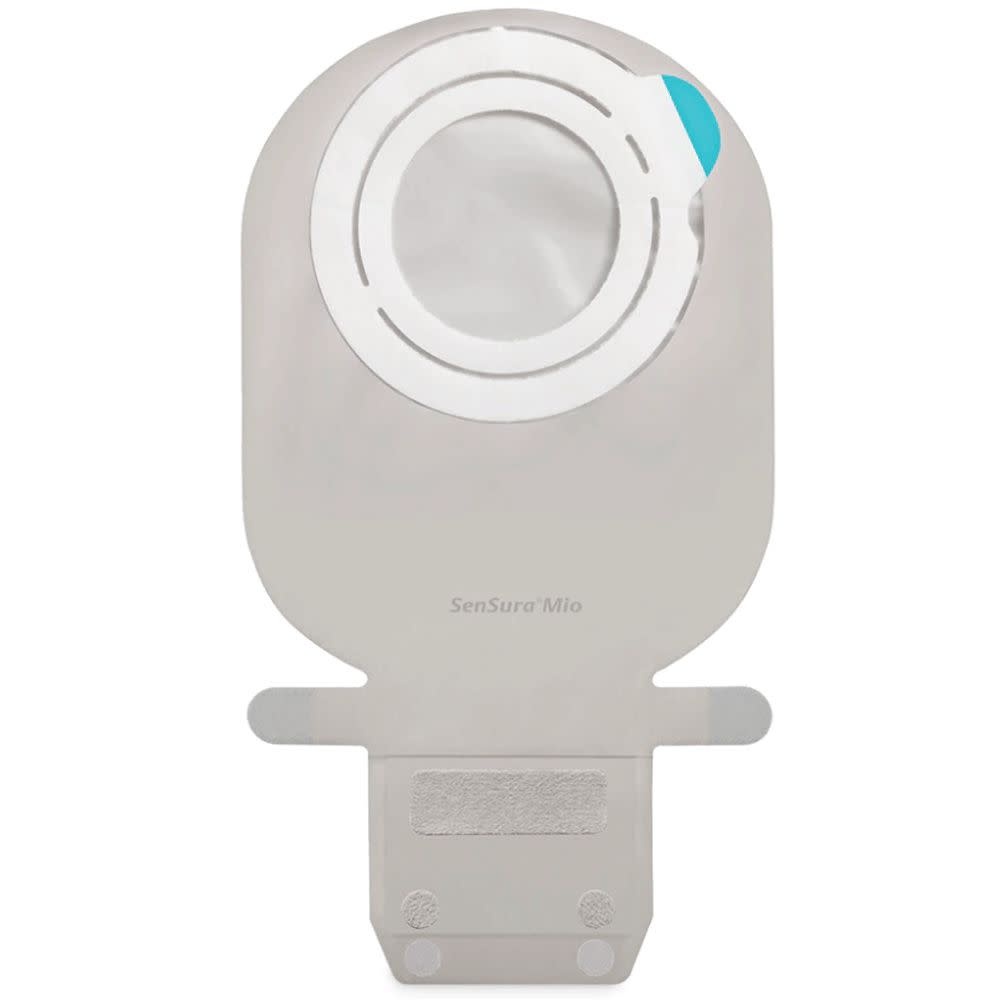
Coloplast Sensura Mio 2 Pc Flex Pouch, Closed, Midi, Flange Size 50mm 30/Bx

C$111.99
In stock online
In store: Check availability

Available in store

SKU: 12212

2-piece closed colostomy pouch with flexible Flex coupling for comfort. 50mm flange, midi capacity for daily wear. Neutral grey textile. Soft adhesive coupling moves with body. Quick disposal system. Standard colostomy care. 30 pouches/box.

    • The SenSura Mio 2-piece Flex closed pouch with 50mm flange represents Coloplast's most popular 2-piece colostomy configuration, serving the largest segment of 2-piece users through the optimal combination of standard sizing, practical capacity, and flexible coupling technology. The 50mm flange is the most common 2-piece size in the ostomy market, accommodating approximately 40-45% of all 2-piece system users—significantly more prevalent than smaller (35mm, 40mm) or larger (60mm, 70mm) specialty sizes.

      This mainstream positioning makes the 50mm Flex closed pouch the "default" choice for new 2-piece colostomy users, the size most ET nurses fit initially, and the inventory staple for both retail and institutional suppliers. When healthcare professionals recommend "try a 2-piece closed system," they typically start with 50mm unless specific anatomical factors indicate otherwise—making this product the entry point for the substantial 40-50% of colostomy patients who prefer 2-piece systems over 1-piece alternatives.

      The Midi capacity designation represents the "Goldilocks" sizing—neither too large (Maxi) nor too small (Mini), but just right for typical daily colostomy output. Most left-sided colostomies (sigmoid, descending) produce 1-2 formed bowel movements daily, typically totaling 200-400g of output. Midi capacity accommodates this standard output volume comfortably without the unnecessary bulk of Maxi sizing, making it ideal for everyday wear under regular clothing, professional attire, and form-fitting garments.

      The Flex coupling system utilizes Coloplast's soft adhesive ring technology rather than mechanical Click mechanisms, allowing the pouch to bend, flex, and move naturally with abdominal contours during all physical activities—sitting, standing, bending, twisting, breathing, exercising. This flexibility creates significant comfort advantages over rigid mechanical couplings (Hollister CeraPlus, ConvaTec mechanical systems), particularly for users with active lifestyles, those who spend extended periods sitting (office workers, drivers), or individuals engaging in physical activities that involve core movement (yoga, golf, gardening, housework).

      The 2-piece system architecture separates the skin barrier (baseplate) from the collection pouch, allowing users to change pouches multiple times while maintaining the same baseplate for 3-5 days. For colostomy patients who typically change closed pouches 1-2 times daily after bowel movements, the 2-piece configuration offers several strategic advantages: ability to inspect the stoma and peristomal skin by temporarily removing the pouch (assessment without full barrier removal), flexibility to switch between pouch types on the same baseplate (closed for typical days, drainable if output becomes loose), reduced adhesive trauma to skin (fewer barrier changes = less repetitive skin stripping), and cost efficiency when changing pouches more than once daily (reusable baseplate spreads cost across multiple days).

      The closed-end design—non-drainable, sealed at the bottom—is specifically engineered for colostomy output patterns where patients produce discrete, formed bowel movements 1-2 times daily. Unlike ileostomy or urostomy patients experiencing near-continuous liquid output requiring frequent drainage, colostomy patients benefit from single-use disposal that eliminates the hassle and hygiene concerns of emptying stool into toilets. The absence of drainage mechanisms (clips, integrated closures, taps) creates the flattest possible pouch profile under clothing and eliminates the most common failure point in drainable systems—closure mechanism leaks.

      The neutral grey textile backing represents Coloplast's design philosophy emphasizing discretion and psychological normalization. The soft, non-clinical appearance and quiet, rustle-free material allows colostomy patients to wear form-fitting professional clothing, participate in social situations, and engage in intimate activities without the visual or auditory cues that announce medical equipment. The textile feels comfortable against skin and outer clothing, wicks moisture away from the body surface, and resists the shiny plastic appearance that can be visible through thin fabrics.


      Key Features & Benefits

      50mm Flex Coupling - Most Common 2-Piece Size

      Standard industry sizing: 40-45% of 2-piece users need 50mm (largest single size segment)
      Wide availability: Most healthcare facilities stock 50mm as default
      Fits average mature stomas: Typical 30-35mm stoma with 2-3mm clearance
      Soft adhesive ring: Bends and flexes with body (vs. rigid mechanical competitors)
      Silent operation: No clicking sounds during attachment or movement
      Comfortable pressure-free wear: No rigid ring pressing on abdomen
      Easy attachment/removal: Press together, peel apart—intuitive technique
      Compatible ONLY with SenSura Mio Flex 50mm baseplates (not Click, not other sizes)

      2-Piece System Advantages for Colostomy

      Change pouches without removing baseplate (baseplate lasts 3-5 days, change pouches 1-2× daily)
      Inspect stoma easily: Remove pouch temporarily, examine stoma/skin, reattach same or fresh pouch
      Switch pouch types on same baseplate: Closed for formed days, drainable for loose days
      Reduce skin trauma: Fewer adhesive removals = less cumulative skin damage
      Cost-effective for frequent changes: Reusable baseplate spreads cost over 3-5 days
      Flexibility for lifestyle: Different pouches for different situations (work, home, exercise, travel)

      Midi Capacity - Daily Wear Sweet Spot

      200-400g capacity: Accommodates typical 1-2 daily colostomy bowel movements
      Slimmer profile than Maxi: Less bulk under everyday clothing
      Larger than Mini: Sufficient capacity without frequent emergency changes
      Ideal for: Professional wear, social situations, form-fitting clothing
      "Just right" sizing: Not too big (Maxi can feel bulky), not too small (Mini may be insufficient)
      Most popular capacity: 60-70% of closed pouch users choose Midi

      Closed-End Design for Colostomy

      Non-drainable sealed pouch: Appropriate for formed/semi-formed colostomy output
      Single-use disposal: Remove and discard entire pouch after filling
      No closure mechanisms: No clips, Velcro, or clamps to fail or create bulk
      Flattest possible profile: Closure mechanisms add 3-5mm thickness—closed pouches eliminate this
      Hygienic disposal: Sealed output, no need to empty into toilet if preferred
      Eliminates closure-related leaks: Most common drainable pouch failure eliminated
      Ideal for formed stool: Colostomy typically produces 1-2 discrete bowel movements daily

      Flex Coupling Comfort & Flexibility

      Soft adhesive vs. ALL mechanical competitors: Hollister, ConvaTec use rigid mechanical systems
      Bends with body movement: Sitting, bending, twisting—coupling flexes rather than resists
      Silent operation: No audible "click" sound (discretion in quiet environments like meetings, theaters)
      No pressure ring: Mechanical couplings create rigid pressure ring sensation—Flex eliminates this
      Ideal for active lifestyles: Sports, exercise, yoga, golf, manual labor
      Comfortable for extended sitting: Office workers, drivers, students—no rigid ring discomfort

      Neutral Grey Textile Backing

      Non-clinical appearance: Promotes normalcy and psychological well-being
      Discreet under clothing: Blends with skin tones and fabric colors
      Quiet, rustle-free material: No plastic crinkling sounds during movement
      Soft fabric feel: Comfortable against skin and outer clothing
      Moisture-wicking properties: Reduces perspiration buildup between pouch and body
      Professional presentation: Appropriate for work attire, social events, intimate situations

      Coloplast Elastic Adhesive Technology

      Stretches with body movement: Vs. rigid hydrocolloid competitors
      40-50% longer wear: Fewer early changes due to edge lifting
      Improved comfort: Flexible adhesive reduces skin stress
      Better for active users: Accommodates physical activity without compromising seal
      Superior to competitors: Hollister, ConvaTec use primarily rigid adhesives

      Filter Technology

      Full-circle activated carbon filter: Neutralizes gas odor before release
      Prevents ballooning: Allows gas to escape, pouch remains flat
      Moisture-resistant design: Doesn't saturate as quickly as older filter technology
      Lifespan: Typically effective 18-36 hours (matches closed pouch wear time)
      Discretion: Silent gas release without odor


      Clinical Applications

      Primary Applications:

      Descending or Sigmoid Colostomy (Left-Side) - PRIMARY MARKET
      Left-sided colostomies produce the most formed stool of any ostomy type because output has traveled through the longest section of colon, allowing maximum water absorption and stool consolidation. These patients typically experience 1-2 predictable bowel movements daily, often occurring at consistent times (morning after coffee, evening after dinner), making closed pouches ideal. The 2-piece system allows easy pouch changing after each bowel movement without disturbing the baseplate adhesive seal. The 50mm flange accommodates the mature stomas common with left-sided colostomies, which stabilize at 30-40mm diameter by 6-12 weeks post-surgery.

      Transverse Colostomy with Formed Output
      While transverse colostomies (mid-colon) generally produce looser output than left-sided colostomies, many patients achieve sufficient stool consistency for closed pouches through dietary management (low-fiber foods, timing of fluid intake, anti-motility medications when appropriate). The Midi capacity specifically accommodates the slightly higher volume and looser consistency typical of transverse output. The 2-piece system flexibility is particularly valuable here—patients can keep both closed and drainable 50mm pouches, using closed on good days and switching to drainable when output becomes temporarily loose (illness, dietary indiscretions, medications).

      Active Lifestyle Colostomy Users
      The combination of Flex coupling comfort, Midi capacity practicality, and 50mm standard sizing makes this product ideal for physically active colostomy patients. Athletes (runners, cyclists, golfers, tennis players), manual laborers (construction, landscaping, warehouse workers), fitness enthusiasts (yoga, Pilates, weight training), and active retirees (gardening, hiking, travel) all benefit from the flexibility during movement (Flex coupling advantage) and the practical capacity that doesn't require mid-activity changes (Midi sufficient for most activities lasting 3-6 hours).

      Professional Environment Colostomy Users
      Office workers, teachers, healthcare professionals, customer service representatives, and anyone in professional roles value the discretion of closed pouches (no need to empty in workplace restrooms), the Midi capacity's slim profile under business attire, and the Flex coupling comfort during extended sitting periods. The neutral grey textile backing and quiet fabric eliminate concerns about visibility or noise during meetings, presentations, or close interactions with colleagues and clients.

      2-Piece System Preference Patients (40-50% of Colostomy Population)
      While 1-piece systems are more common overall (50-60% preference), a substantial 40-50% of colostomy patients specifically prefer 2-piece configurations for the benefits they provide: easy stoma inspection without full system removal, ability to switch pouch types based on daily needs, reduced skin trauma from fewer barrier changes, and the psychological security of being able to see their stoma regularly by simply removing the pouch temporarily. These patients chose 2-piece deliberately and won't switch to 1-piece systems.

      Patients Requiring Frequent Stoma Inspection
      Certain clinical situations necessitate regular stoma monitoring: recent surgical complications requiring ongoing assessment, stoma prolapse or retraction requiring frequent evaluation, peristomal skin conditions needing treatment observation, hernia development requiring size tracking, or patients with history of stoma complications who maintain vigilant self-monitoring. The 2-piece system allows these patients to inspect their stoma 2-3× daily simply by removing the pouch for 1-2 minutes, then reattaching the same pouch or a fresh one—all without disturbing the baseplate seal.

      Variable Output Colostomy Patients
      Some colostomy patients experience output consistency fluctuations based on diet, medications (antibiotics, chemotherapy), illness (gastroenteritis), or inflammatory bowel disease activity. The 2-piece Flex 50mm system allows these patients to maintain one baseplate type (matched to their stoma anatomy) while switching between closed pouches (for formed output days) and drainable pouches (for loose output days), providing adaptability without maintaining multiple complete systems.

      Patients with Peristomal Skin Sensitivities
      Individuals with contact dermatitis, eczema, psoriasis, or general skin sensitivity benefit from 2-piece systems' ability to minimize adhesive exposure frequency. By changing only pouches 1-2× daily while maintaining the same baseplate for 3-5 days, these patients reduce cumulative skin trauma from adhesive application/removal cycles. The elastic adhesive technology in SenSura Mio further reduces skin stress compared to rigid hydrocolloid alternatives.

      Specific Patient Populations:

      Colorectal Cancer Survivors (70-80% of Colostomies)
      Post-resection colostomies following colon cancer; 50mm accommodates typical mature stomas

      Diverticulitis Patients
      Emergency or planned colostomies for perforated or recurrent diverticulitis

      Inflammatory Bowel Disease (Crohn's, Ulcerative Colitis)
      Though ileostomy more common in IBD, some patients receive colostomies; output variability makes 2-piece flexibility valuable

      Trauma Patients
      Gunshot, stab, motor vehicle accident injuries requiring emergency colostomy

      Active Adults (30-60 Years)
      Working professionals, parents, athletes needing practical daily-wear solutions

      Elderly Colostomy Patients (65+ Years)
      Benefit from 2-piece stoma inspection capability + closed pouch simplicity

      Patients with Manual Dexterity Challenges
      Flex coupling easier to manipulate than small clips on drainable pouches; closed design = no closure management

      Bariatric Patients (BMI >30)
      50mm common size for larger stomas in higher-BMI population

      Patients Transitioning Between System Types
      May have started with 1-piece, switched to 2-piece for flexibility; or started with drainable, transitioned to closed as output formed


      Technical Specifications

      Product Details:

      • Brand: Coloplast
      • Product Line: SenSura Mio Flex
      • System Type: 2-Piece Closed Pouch
      • Coupling Type: Flex (Soft Adhesive Ring)
      • Flange Size: 50mm (Most Common 2-Piece Size)
      • Pouch Capacity: Midi (Standard Daily Wear)
      • End Design: Closed (Non-Drainable, Sealed Bottom)
      • Backing Material: Neutral Grey Textile
      • Filter: Full-Circle Activated Carbon Filter (Standard in Most SKUs)
      • Quantity: 30 Pouches per Box

      Material Composition:

      • Coupling Ring: Flexible adhesive (hypoallergenic, latex-free)
      • Pouch Film: Medical-grade odor-proof plastic (multilayer barrier)
      • Textile Backing: Soft non-woven fabric (neutral grey)
      • Filter Media: Activated carbon (odor neutralization)
      • All Materials: Latex-free, skin-compatible

      Dimensions & Capacity:

      • Coupling Diameter: 50mm (Standard industry size)
      • Pouch Length: Approximately 240-270mm (Midi size)
      • Pouch Width: Approximately 140-160mm at widest point
      • Midi Capacity: 200-400g typical (accommodates 1-2 standard colostomy bowel movements)
      • Profile When Empty: Approximately 2-3mm thickness (very flat under clothing)
      • Profile When Partially Full: Approximately 10-15mm thickness (still discreet with textile backing)

      Baseplate Compatibility:

      • Required Baseplate: SenSura Mio Flex 50mm Skin Barrier
      • NOT Compatible With: Click coupling baseplates (mechanical system)
      • NOT Compatible With: Other flange sizes (35mm, 40mm, 60mm, 70mm)
      • NOT Compatible With: Other brands (Hollister, ConvaTec, etc.)

      Color Coding System:

      • Coloplast Flex Coupling Color: Varies by product line (verify specific product SKU)
      • Standard Recognition: 50mm most common size—typically neutral/standard color designation
      • Note: Always verify flange size on packaging—don't rely solely on color

      Stoma Size Compatibility:

      • 50mm Baseplate Opening Range: Typically available with openings 15-45mm
      • Recommended Stoma Diameter: 30-35mm mature colostomy (with 2-3mm clearance on 50mm flange coupling)
      • Ideal For: Average to slightly larger mature stomas
      • Protrusion: All types (flush, protruding, retracted with appropriate baseplate convexity)

      Performance Characteristics:

      • Wear Time: Typically 12-36 hours (most commonly 18-24 hours for once-daily changes)
      • Baseplate Wear: 3-5 days (change pouches 3-15 times on same baseplate, typically 5-10 times)
      • Temperature Tolerance: Stable 15-40°C (59-104°F)
      • Water Resistance: Fully waterproof (shower, bath approved; swimming acceptable)
      • Activity Level: Suitable for vigorous exercise, sports, manual labor (Flex coupling accommodates movement)
      • Filter Lifespan: 24-48 hours typical (maintains odor control for expected closed pouch wear time)

      Regulatory & Safety:

      • Medical Device Classification: Class II Medical Device
      • Regulatory Compliance: Health Canada Licensed, FDA Cleared (510(k))
      • Latex Content: Latex-Free
      • Sterilization: Not sterile (clean technique for application)
      • Shelf Life: 3-5 years from manufacture date
      • Storage: Cool, dry place away from direct sunlight and extreme temperatures

      Packaging:

      • Individual Units: Each pouch individually wrapped in peel-pack
      • Box Quantity: 30 pouches
      • Case Quantity: Typically 4-6 boxes per case (120-180 pouches)
      • Labeling: Flange size, capacity, expiration date, lot number on each package

      Usage Instructions

      Pre-Application Requirements

      1. Baseplate Must Be Applied First:

      • CRITICAL: 2-piece pouches require matching baseplate already adhered to skin
      • Verify you have SenSura Mio Flex 50mm baseplate applied (not Click, not other sizes)
      • Baseplate should have been applied within last 3-5 days and still be securely adhered
      • If baseplate is lifting, leaking, or past wear time: change baseplate before applying new pouch

      2. Gather Supplies for Pouch Change:

      • New SenSura Mio Flex 50mm closed pouch (Midi capacity)
      • Disposal bag for used pouch
      • Tissue or toilet paper (for managing any immediate stoma output during change)
      • Optional: Stoma wipe or damp cloth (if cleaning stoma during pouch change)

      Pouch Attachment Process

      1. Remove Old Pouch:

      If Baseplate Has Output or Debris:

      • Gently clean baseplate coupling area with damp cloth or stoma wipe
      • Dry thoroughly with tissue
      • Ensure coupling ring is completely clean and dry before attaching fresh pouch
      • Check stoma for any bleeding, unusual appearance, or output

      Flex System Removal:

      • Support baseplate with one hand (place flat hand on skin around baseplate—prevents pulling on skin)
      • With other hand, grasp top edge of pouch
      • Gently pull pouch away from baseplate in peeling motion
      • Start at top and work downward
      • Flex adhesive releases gradually—be patient, don't yank
      • If resistance encountered: very gently work the adhesive apart rather than forcing

      2. Inspect Baseplate and Stoma:

      • Check baseplate integrity: Edges should be fully adhered, no lifting, no moisture underneath
      • Examine stoma: Should be pink/red, moist, no bleeding (minor bleeding during cleaning is normal)
      • Inspect peristomal skin: Should be intact, same color as surrounding abdomen
      • If problems noted: Address before attaching new pouch (may need baseplate change, skin treatment)

      3. Prepare New Pouch:

      • Remove pouch from packaging
      • Check expiration date and verify 50mm Flex coupling
      • Inspect coupling ring for any damage or contamination
      • If pouch has been stored in cool place, warm between hands for 30-60 seconds (improves flexibility)

      4. Attach Pouch to Baseplate:

      Flex Coupling Technique:

      • Hold pouch at top center with coupling ring facing baseplate
      • Align 50mm adhesive ring of pouch with 50mm ring on baseplate
      • Position coupling rings directly over each other (concentric circles)
      • Ensure correct orientation (most users prefer pouch pointing downward toward feet)

      Press Together:

      • Starting at top (12 o'clock position): Press coupling rings together firmly
      • Work your way around entire circumference: Press firmly all around the circle
      • Unlike Click system, there is NO audible "click"—Flex coupling is silent
      • Press firmly for 15-20 seconds around entire circle (Flex adhesive needs pressure to bond)
      • Run fingers around entire coupling perimeter to ensure complete contact

      5. Verify Secure Attachment:

      • Visual inspection: Check that coupling is engaged all the way around (360 degrees)
      • Gentle tug test: Very gently pull on pouch—should feel secure
      • Wait 2-3 minutes for adhesive bond to strengthen before vigorous activity
      • Check positioning: Pouch should hang naturally without pulling or twisting

      Daily Wear & Monitoring

      Monitoring During Wear:

      Daily Inspection (Morning & Evening):

      • Check pouch status (Midi capacity = change after 1-2 bowel movements typically)
      • Verify coupling connection secure (no gaps or lifting at edges)
      • Monitor for any odor escape (filter saturation or coupling seal compromise)
      • Assess baseplate integrity through coupling opening (visible peristomal skin should look healthy)

      Signs of Normal Wear:

      • Pouch gradually fills after bowel movement (200-400g capacity = noticeable but manageable)
      • Filter prevents ballooning (pouch remains relatively flat)
      • No odor when pouch is properly sealed
      • Comfortable, no pulling or pressure sensations

      Signs Requiring Attention:

      • Coupling separation: Gap visible between pouch and baseplate rings
      • Odor present: May indicate filter saturation (normal after 24-36 hours) or coupling seal failure
      • Pouch very full or bulky: Time to change (Midi holds 200-400g—becomes noticeable when 75%+ full)
      • Baseplate lifting: Moisture visible under baseplate, edges lifting—time to change entire system
      • Leakage: Output visible at coupling junction or baseplate edges—change immediately

      When to Change the Pouch:

      Typical Change Schedule for Closed Pouches:

      • After each bowel movement: Many colostomy patients change within 1-6 hours after stoma becomes active
      • Once daily: Common schedule—change each morning as part of daily routine
      • Twice daily: Some patients prefer morning and evening changes for freshness
      • Before social events: Fresh pouch for dates, meetings, travel for confidence
      • As needed: Whenever pouch becomes uncomfortable or 75%+ full

      Midi Capacity Considerations:

      • Midi accommodates 1-2 typical colostomy bowel movements comfortably
      • Most users change after 1 bowel movement for hygiene (even though capacity allows 2)
      • Practical capacity means can delay change a few hours if needed without urgency
      • Some users specifically choose Midi for "one bowel movement = one pouch change" routine

      Expected Wear Time: 12-36 hours typical (most commonly 18-24 hours for once-daily changes)

      Pouch Removal & Disposal

      Removal Process:

      1. Choose Time and Location:

      • After bowel movement when pouch contains output (primary change trigger)
      • Home bathroom ideal (privacy, sink, toilet)
      • Public restrooms acceptable with proper supplies (disposal bag)

      2. Detach Pouch from Baseplate:

      • Support baseplate with one hand (prevents skin pulling)
      • Grasp top of pouch with other hand
      • Gently peel Flex coupling away from baseplate
      • Work from top downward in smooth peeling motion
      • Flex adhesive releases gradually—don't rush

      3. Manage Baseplate After Pouch Removal:

      • Baseplate remains on skin (this is the 2-piece advantage)
      • Gently wipe baseplate coupling area if any output present
      • Dry thoroughly before attaching fresh pouch
      • Inspect stoma and peristomal skin while pouch is removed (opportunity for examination)

      Disposal:

      1. Closed Pouch Can Be Disposed With Contents:

      • Closed pouches are designed for disposal with output inside (sealed system)
      • Optional: Empty contents into toilet first (some users prefer, not required)
      • To empty: Carefully open top of closed pouch, drain into toilet, then dispose of pouch

      2. Seal and Contain:

      • Fold pouch onto itself (contains any residual odor)
      • Place in disposal bag (opaque, odor-proof bags commercially available)
      • Seal disposal bag closed

      3. Dispose in Household Trash:

      • Closed pouches go in regular garbage (not recyclable)
      • Don't flush pouches (will clog plumbing)
      • Disposal bags minimize odor concerns in trash

      4. Public/Institutional Settings:

      • Standard trash receptacles acceptable
      • Some facilities have sharps/biohazard bins (appropriate for ostomy waste)
      • Always wrap in disposal bag for discretion

      Baseplate Change Schedule

      Typical Baseplate Wear Time: 3-5 days

      Change Baseplate When:

      • Edges lifting (>3-5mm at any point)
      • Moisture visible under baseplate
      • Skin irritation or itching under baseplate
      • Scheduled change time reached (even if appearing secure—proactive prevention)
      • Leakage at baseplate-skin junction
      • Strong odor from baseplate area

      Baseplate Change Process:

      1. Remove current pouch as described above
      2. Use adhesive remover to gently peel away baseplate
      3. Clean stoma and peristomal skin thoroughly
      4. Inspect skin and treat any irritation
      5. Apply fresh baseplate (allow 2-3 minutes to fully adhere)
      6. Attach fresh pouch to new baseplate
    • No reviews yet

      Add yours

    Testimonials from Google

    See all reviews

    Your cart — 0

    You cart is currently empty

    Login

    By using our website, you agree to the use of cookies. These cookies help us understand how customers arrive at and use our site and help us make improvements. Hide this message More on cookies »