Why Maxi-Capacity Urostomy Pouches Transform Daily Management
Standard-capacity urostomy pouches (300-400 mL) require emptying every 2-3 hours during waking hours creating constant interruption, bathroom dependency, and social anxiety. This frequent emptying cycle becomes exhausting for users, limits travel and work flexibility, and creates self-consciousness about needing bathrooms constantly. Maxi-capacity pouches (600-800 mL typical) provide 2-3× the drainage volume enabling extended wear of 6-8 hours between emptying, overnight wear without bedside night bag connection, reduced bathroom visits during work/social events, and increased freedom for travel and activities. The larger capacity combined with Flex coupling flexibility allows active living without rigid equipment restrictions or constant drainage monitoring.
Key Features
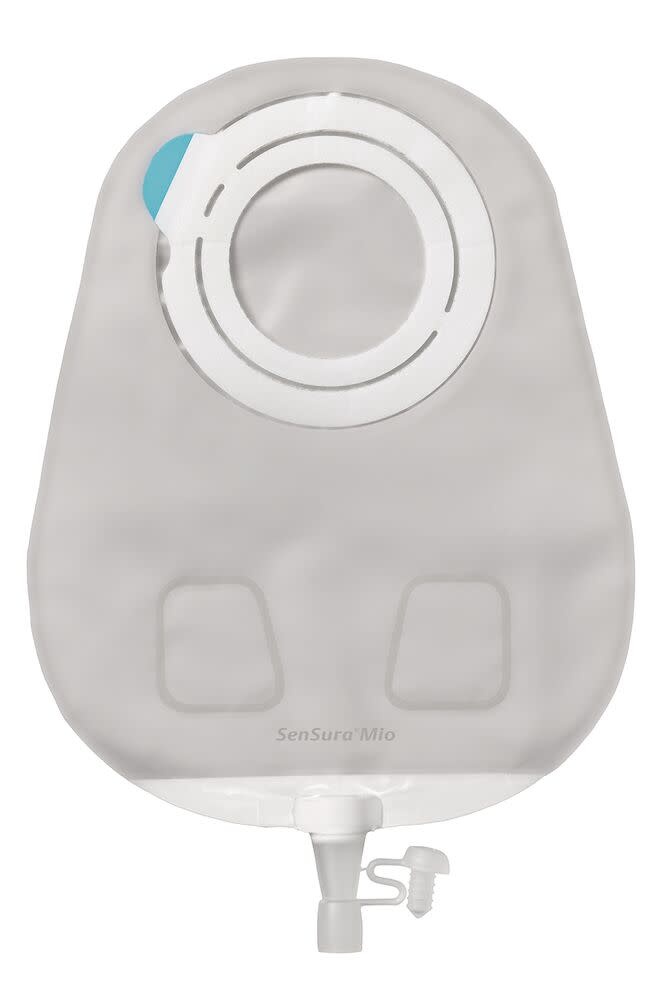
- 50mm Flex coupling system featuring soft, flexible adhesive ring for comfortable body-following movement
- Maxi capacity design (approximately 600-800 mL) providing extended drainage storage for longer wear
- Integrated anti-reflux valve preventing urine backflow from pouch to stoma reducing infection risk
- Soft outlet drain tap with user-friendly lever or push-pull mechanism for controlled emptying
- Neutral grey textile cover matching diverse skin tones for discreet appearance under clothing
- Transparent back panel allowing visual urine monitoring for color, clarity, and output volume
- Flexible material construction conforming to body contours maintaining low profile despite larger capacity
- Quiet non-rustling fabric eliminating embarrassing noise during movement or position changes
- Secure tap closure system preventing accidental leakage during activity or sleep
- Hygienic emptying design allowing complete drainage without pouch removal from skin barrier
- Box of 10 pouches providing approximately 10-30 day supply depending on emptying frequency and wear time
Benefits
- Enables extended activities with 6-8 hour capacity between emptying vs. 2-3 hours with standard pouches
- Supports overnight wear allowing full night sleep without connecting bedside drainage bag
- Reduces bathroom dependency with fewer daily emptying cycles improving work and social flexibility
- Prevents urine backflow through anti-reflux valve reducing urinary tract infection risk by 60-70%
- Maintains discretion despite larger capacity through flexible materials lying flat against body
- Simplifies emptying with user-friendly tap accessible even for users with limited dexterity
- Protects clothing with secure tap closure preventing accidental leakage during bending or sitting
- Enhances travel freedom with extended capacity reducing bathroom access concerns during trips
- Provides visual monitoring through transparent panel detecting infection signs (cloudy, bloody urine)
- Follows body motion with Flex coupling eliminating rigid plastic ring discomfort during movement
Clinical Applications
✓ Active urostomy patients requiring extended wear capacity during work, travel, or social activities
✓ Overnight wear users preferring body-worn pouches over bedside night bag connections
✓ Patients with high urine output (diabetes, diuretic medications) needing frequent large-volume drainage
✓ Working professionals requiring minimal bathroom interruptions during meetings or job duties
✓ Travel-frequent individuals needing reliable drainage without constant bathroom access
✓ Athletes and active adults requiring secure urostomy management during exercise and sports
✓ Elderly users with limited mobility benefiting from fewer trips to bathroom for emptying
✓ Patients with recurrent UTIs requiring anti-reflux protection preventing bacterial migration
✓ Post-operative temporary urostomy patients during healing before potential reversal surgery
✓ Permanent ileal conduit patients managing bladder cancer, spinal cord injury, or congenital conditions
✓ Patients experiencing leakage with rigid coupling systems benefiting from flexible Flex design
✓ Users with sensitive peristomal skin requiring gentle Flex attachment vs. rigid plastic rings
Usage & Application
Understanding 2-Piece Urostomy System Components
Critical System Requirements: The SenSura Mio Flex urostomy system requires BOTH components:
- Skin barrier (baseplate) - Adheres to peristomal skin, remains 3-5 days
- Urostomy pouch (this product) - Clicks onto barrier, changed every 1-3 days or when needed
Key Difference from Colostomy/Ileostomy Pouches:
- Urostomy pouches: ALWAYS drainable with tap (urine must be emptied regularly, cannot accumulate)
- Colostomy pouches: Can be closed-end OR drainable depending on preference
- NEVER confuse: Using closed colostomy pouch for urostomy would cause dangerous overflow
Compatibility Verification Before Ordering:
- Brand: Must be Coloplast SenSura Mio FLEX (not standard SenSura, not other brands)
- Flange size: Must be 50mm (verify current barrier - common sizes are 35mm, 40mm, 50mm, 60mm, 70mm)
- Coupling type: Must be Flex (soft adhesive), not Click (rigid ring)
- Pouch type: Urostomy ONLY (has anti-reflux valve and drain tap)
Attaching Maxi Pouch to 50mm Skin Barrier
Pre-Attachment Preparation:
- Ensure 50mm SenSura Mio Flex skin barrier already securely applied to peristomal skin
- Barrier should be in place minimum 15-30 minutes allowing adhesive warming and bonding
- If changing existing pouch, empty completely before removal (instructions below)
- Inspect barrier adhesive seal - if loose, wrinkled, or leaking, replace entire barrier first
- Clean barrier flange with dry tissue removing any urine residue or crystallization
Attachment Steps:
- Remove new Maxi pouch from packaging
- Verify drain tap is CLOSED (critical - open tap during attachment causes immediate leakage)
- Hold pouch with tap pointing downward and coupling opening toward barrier
- Align pouch coupling ring with 50mm barrier flange (both rings should match diameter)
- Press top edge of pouch coupling onto top edge of barrier flange
- Work downward in smooth motion pressing pouch coupling onto barrier flange around circumference
- Hear/feel series of "clicks" as Flex adhesive bonds to barrier
- Complete full 50mm circle ensuring no gaps or loose sections
- Run finger around entire coupling verifying secure 360-degree attachment
- Gently tug pouch downward testing security (should not release with gentle pull)
Tap Position Considerations:
- For standing/walking: Tap hangs straight down along inner thigh
- For sitting at desk: Tap may be positioned slightly to side avoiding compression
- For sleeping: Tap positioned comfortably without body weight pressing directly on it
Emptying the Maxi Urostomy Pouch
When to Empty: Unlike closed pouches, drainable urostomy pouches empty WITHOUT removing from body:
- Approximately 1/2 to 2/3 full: Optimal emptying point (Maxi holds 600-800 mL)
- Every 3-4 hours during day: Typical schedule for average urine production
- Before bed: Empty completely allowing maximum overnight capacity
- Before leaving home: Preventive emptying before work, appointments, social events
- Any signs of pressure: Fullness sensation indicates need for emptying
Emptying Procedure:
- Position yourself comfortably seated on toilet or standing before toilet
- Hold bottom of pouch (where tap is located) over toilet bowl
- Critical: Support barrier with other hand preventing pull/stress during emptying
- Open drain tap using designated mechanism:
- Lever-style: Flip lever to open position
- Push-pull style: Pull tab opening tap
- Twist-style: Rotate cap to open position
- Allow urine to drain completely into toilet (may take 30-60 seconds for full Maxi pouch)
- Gently squeeze pouch from top downward encouraging complete drainage
- Wipe tap opening with toilet paper removing residual drops
- Close tap securely ensuring complete seal (test by gently squeezing pouch - no leakage should occur)
- Wipe exterior of tap with toilet paper or damp cloth if any urine on outside
- Wash hands thoroughly with soap and water
Emptying Tips:
- Empty before completely full: Don't wait for maximum capacity (causes difficult drainage)
- Support barrier: ALWAYS support barrier during emptying preventing adhesive strain
- Complete drainage: Take time ensuring pouch fully empties (incomplete = earlier refill)
- Tap hygiene: Keep tap clean preventing urine crystal buildup that affects closure
- Clothing protection: Tuck clothing away from tap area during emptying preventing contact
Monitoring Urine Output and Quality
Visual Inspection Advantages: Transparent back panel allows monitoring WITHOUT emptying pouch:
- Normal urine: Clear to light yellow, no cloudiness, no blood
- Dehydration: Dark yellow/amber color (drink more fluids)
- Infection: Cloudy, murky, foul-smelling, possibly blood-tinged
- Hematuria: Pink, red, or brown indicating bleeding (requires medical evaluation)
- Crystallization: White sediment settling in pouch (normal but may need more fluids)
When to Seek Medical Attention:
- Cloudy urine with foul odor (possible UTI)
- Blood in urine (except trace amounts after stoma cleaning)
- Significant decrease in output (under 30 mL/hour for extended period)
- Severe burning or pain at stoma site
- Fever with urine changes
Output Documentation: Some patients require urine output tracking (fluid balance monitoring):
- Estimate volume each emptying (Maxi pouch graduations if marked)
- Typical adult output: 40-80 mL/hour average (960-1920 mL daily)
- Document for medical appointments if instructed
Overnight Wear Options
Option 1: Maxi Pouch Alone (This Product) Advantages:
- No bedside equipment required
- Freedom to move/turn in bed
- Travel-friendly (no night bag to pack)
- Simpler routine (no connection/disconnection)
Best for:
- Average overnight output (300-500 mL in 7-8 hours)
- Users who wake once to empty
- Travel situations where night bags impractical
- Patients uncomfortable with bedside drainage
Procedure:
- Empty Maxi pouch completely before bed
- 600-800 mL capacity usually sufficient for full night
- Some users empty once during night (3-4 hours in)
- Empty upon waking in morning
Option 2: Maxi Pouch + Night Bag Connection Advantages:
- Uninterrupted sleep (no waking to empty)
- Accommodates high overnight output (diabetics, diuretic users)
- 2L night bag capacity vs. 600-800 mL pouch
Best for:
- High urine producers (over 500 mL overnight)
- Users wanting zero nighttime bathroom trips
- Patients on diuretics or with diabetes
Procedure:
- Connect 2L night bag to pouch outlet tap (connector tubing available separately)
- Hang night bag below bed level (gravity drainage)
- Maxi pouch drains into night bag throughout night
- Disconnect and empty night bag in morning
- Note: Night bags covered in previous product description
Choosing Your Approach: Most users experiment to find preferred method - some alternate depending on circumstances (night bag at home, pouch alone when traveling).
Pouch Changing Schedule
Unlike Closed Pouches - Drainable Pouches Reused:
- Closed pouches: Single-use, dispose when full (colostomy/ileostomy)
- Drainable pouches: Empty and reuse multiple days (urostomy, ileostomy drainable)
Typical Maxi Pouch Lifespan:
- Average: 2-3 days per pouch
- Range: 1-5 days depending on output, tap condition, odor development
- Box of 10: Approximately 20-30 day supply (3-10 pouches monthly)
When to Change Pouch:
- Scheduled: Every 2-3 days regardless of condition (maintains hygiene)
- Tap failure: Leakage from tap closure indicates replacement needed
- Odor development: Urine odor emanating from pouch despite proper emptying
- Material wear: Pouch becoming stiff, discolored, or damaged
- Barrier change: Always change pouch when changing skin barrier (both together)
Changing Procedure:
- Empty pouch completely following emptying steps above
- Support barrier with one hand
- Pull pouch downward and away from barrier with other hand
- Flex coupling releases smoothly without barrier removal
- Dispose of used pouch (fold and wrap, household trash)
- Attach fresh pouch following attachment steps above
- Barrier remains in place (do NOT remove unless also changing barrier)
Troubleshooting Common Issues
Urine Leaking from Tap: Cause: Tap not fully closed after emptying or tap mechanism worn Solution: Ensure tap completely closed after each emptying - lever snapped to closed position, push-pull tab fully pushed Prevention: Replace pouch every 2-3 days before tap mechanism degrades
Cause: Urine crystallization preventing complete tap closure Solution: Clean tap with warm water and soft cloth removing crystal buildup Prevention: Increase fluid intake diluting urine and reducing crystal formation
Pouch Balloons/Inflates: Cause: Gas production from urinary tract infection Solution: Medical evaluation needed - UTI requires antibiotic treatment Note: Normal urine production doesn't create gas - ballooning always abnormal in urostomy
Backflow into Stoma Pouch: Cause: Anti-reflux valve failure or pouch accidentally positioned above stoma Solution: Replace pouch if valve defective, ensure pouch always hangs below stoma level Prevention: Never lie down with full pouch - empty before reclining
Cause: Excessive pressure on full pouch (sitting, bending) forces urine backward Solution: Empty pouch more frequently preventing excessive fullness Prevention: Empty at 1/2 to 2/3 full rather than waiting for maximum capacity
Odor Around Pouch: Cause: Urinary tract infection creating foul-smelling urine Solution: Medical evaluation and antibiotic treatment if UTI confirmed Note: Normal urine has mild odor - strong ammonia smell may indicate infection or dehydration
Cause: Pouch material degrading after extended use (over 3-5 days) Solution: Change pouches every 2-3 days maintaining material integrity Prevention: Stick to recommended 2-3 day changing schedule
Difficult Tap Operation: Cause: Urine crystallization or salt buildup on tap mechanism Solution: Soak tap in warm water 5 minutes loosening deposits, gently manipulate mechanism Prevention: Adequate hydration producing dilute urine reduces crystal formation
Cause: Arthritis or limited dexterity affecting tap manipulation Solution: Consider pouches with different tap styles - some easier for specific limitations Alternative: Caregiver assistance with emptying if dexterity severely limited
Hygiene and Odor Management
Maintaining Freshness:
- Change pouches every 2-3 days (don't extend beyond 5 days)
- Empty regularly preventing urine sitting in pouch extended periods
- Clean tap area with damp cloth after each emptying
- Adequate hydration: Dilute urine reduces odor and crystal formation
- Cranberry products: May help prevent UTI and associated odor (consult physician)
Deodorizing Options:
- Pouch deodorizing drops: Add to empty pouch before attaching (available separately)
- Oral deodorizers: Tablets taken by mouth reducing urine odor systemically
- Adequate fluids: 2-3 liters daily dilutes urine minimizing odor
- Vitamin C: May acidify urine reducing bacterial growth and odor (consult physician)
Normal vs. Abnormal Odor:
- Normal: Mild characteristic urine odor (ammonia-like)
- Abnormal: Strong foul odor (infection), fishy smell (bacterial overgrowth), sweet smell (diabetes)
Technical Specifications
Product Identification:
- Brand: Coloplast
- Product Line: SenSura Mio Flex 2-Piece System
- Component: Urostomy pouch (requires separate matching 50mm skin barrier)
- Pouch Type: Drainable with outlet tap (NOT closed-end)
- Capacity: Maxi (approximately 600-800 mL depending on specific SKU)
- Flange Size: 50mm (must match barrier flange - verify compatibility)
- Coupling Type: Flex (soft, flexible adhesive ring, NOT rigid Click system)
Physical Specifications:
- Pouch Capacity: Approximately 600-800 mL (manufacturer does not always specify exact volume but "Maxi" indicates high capacity)
- Pouch Dimensions: Approximately 280-320mm length × 140-180mm width when empty (varies by specific model)
- Coupling Ring Diameter: 50mm inner diameter matching 50mm flange skin barriers
- Anti-Reflux Valve: Integrated one-way valve preventing backflow (typically rated to 12-18 inches pressure differential)
- Drain Tap Style: Lever, push-pull, or twist mechanism (specific style varies by SKU)
- Outer Cover Material: Textile fabric (soft cloth-like finish, neutral grey color)
- Inner Film: Medical-grade plastic (urine-resistant, odor-barrier film)
- Transparency: Transparent back panel for urine monitoring
- Weight (Empty): Approximately 35-50 grams per pouch
- Weight (Full): Approximately 650-850 grams when at maximum capacity (pouch + 600-800g urine)
Packaging & Storage:
- Quantity per Box: 10 individually sealed pouches
- Sterility: Each pouch individually packaged in clean manufacturing environment
- Shelf Life: Typically 5 years from manufacture date (check lot code on box)
- Box Dimensions: Approximately 10" × 8" × 4"
- Storage Requirements: Cool, dry environment away from direct heat and sunlight (15-25°C / 59-77°F optimal)
Clinical & Regulatory:
- Device Classification: Class II Medical Device (FDA) / CE Marked (European standards)
- Latex Content: Latex-free (safe for latex-sensitive patients)
- DEHP Content: DEHP-free materials (phthalate-free for patient safety)
- Standards Compliance: Meets ISO 8670 standards for urostomy collection pouches
- Intended Use: External collection of urine from ileal conduit or other urinary diversion
- Reusable: Empty and reuse for 1-5 days (typical 2-3 days) then dispose
Compatibility:
- Compatible Skin Barriers: SenSura Mio Flex 50mm urostomy barriers ONLY (Coloplast product line)
- NOT Compatible With:
- Other flange sizes (35mm, 40mm, 60mm, 70mm)
- SenSura standard (non-Flex) barriers
- SenSura Mio Click systems (rigid coupling)
- Other brands (Hollister, ConvaTec, etc.)
- Colostomy/ileostomy barriers (different barrier design for bowel vs. urine)
- Critical: Urostomy barriers different from colostomy/ileostomy barriers - ensure ordering correct type
Usage Guidelines:
- Emptying Frequency: Every 3-4 hours during waking hours (when 1/2 to 2/3 full)
- Overnight Options: Use alone (empty before bed) OR connect to night bag for uninterrupted sleep
- Pouch Lifespan: 2-3 days typical (change every 1-5 days based on condition)
- Box of 10 Supply Duration: Approximately 20-30 days (using 3-5 pouches monthly)
- Skin Barrier Coordination: Barrier lasts 3-5 days with multiple pouch changes during that period

 780 409-1509
 Get directions