
Slideshow Items

  • Ostomy Supplies
  • continence-ostomy/ostomy-supplies
  • Continence & Ostomy
  • continence-ostomy
COL-Coloplast

  |  

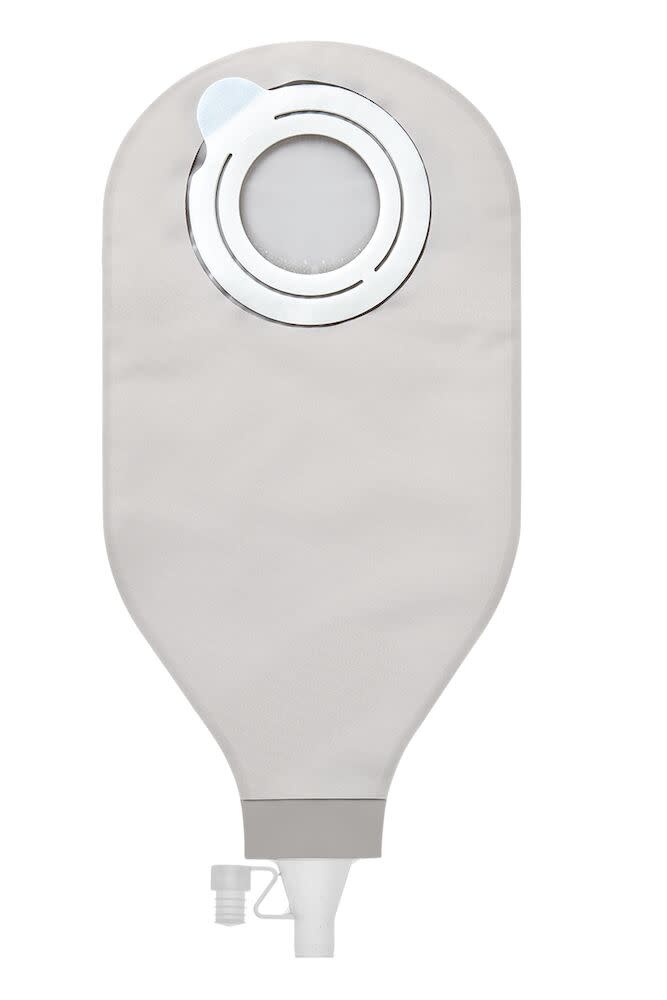
Coloplast Sensura Mio High Output Pouch 2pc Flex Red Transparent (50mm) 10/Bx

C$189.99
In stock online
In store: Check availability

Available in store

SKU: 18655

Extra-large drainable pouch with flexible Flex coupling for high-output stomas. Transparent design enables monitoring while soft textile cover provides discretion. 50mm red coupling, filtered. For ileostomy, high-volume drainage. Box of 10.

    • The SenSura Mio High Output pouch represents Coloplast's specialized solution for high-volume drainage situations where standard-capacity pouches require frequent emptying throughout the day. The transparent body provides continuous visibility of output characteristics—essential for post-operative monitoring, clinical assessment, and detecting changes in stoma function. The extra-large capacity reduces emptying frequency from 6-8 times daily (standard pouches) to 3-5 times daily, significantly improving quality of life for ileostomy patients and those with high-output conditions.

      The Flex coupling system uses a soft adhesive ring instead of traditional rigid plastic, creating a flexible connection that moves with your body rather than creating pressure points on tender peristomal skin. The 50mm flange size (identified by the red coupling ring) serves approximately 40-45% of the ostomy population and represents the most common flange diameter in clinical use. This makes the 50mm high-output pouch the workhorse product for ileostomy care, short bowel syndrome management, and post-surgical recovery.

      The large drain outlet facilitates quick, hygienic emptying without splashing or mess, and connects seamlessly to night drainage bags when continuous 24-hour drainage is required. The filtered design manages gas accumulation without ballooning, maintaining a flat profile under clothing despite the larger capacity. The soft grey textile backing provides quiet, rustle-free movement and a non-clinical appearance.

      High-output pouches fill a critical niche for patients whose stomas produce 1200-2000+ mL daily (normal is 400-800 mL), including ileostomy patients, those recovering from bowel surgery, individuals with short bowel syndrome, and patients experiencing temporary high output due to illness, dietary changes, or medication effects. The transparent design is particularly valued during the immediate post-operative period when monitoring output volume, consistency, and color provides essential clinical information about surgical recovery and intestinal function.


      Key Features & Benefits

      High-Capacity Drainage System

      ✓ Extra-large pouch capacity (significantly larger than standard 350-400 mL pouches)
      ✓ Reduces emptying frequency from 6-8 times to 3-5 times daily
      ✓ Ideal for output volumes exceeding 1200 mL per day
      ✓ Large drain outlet (wider than standard) for quick, efficient emptying
      ✓ Smooth interior prevents residue buildup and facilitates complete drainage

      Transparent Design for Clinical Monitoring

      ✓ Clear visibility of output volume, consistency, and color
      ✓ Essential for post-operative assessment and recovery monitoring
      ✓ Enables early detection of complications (bleeding, obstruction, infection)
      ✓ Facilitates accurate output measurement for medical records
      ✓ Allows visual confirmation of proper stoma function

      Flexible Flex Coupling (50mm Red Ring)

      ✓ Soft adhesive coupling ring instead of rigid plastic connection
      ✓ Moves with body contours rather than creating pressure points
      ✓ Particularly comfortable for tender or irregular peristomal areas
      ✓ 50mm diameter serves 40-45% of ostomy patients (most common size)
      ✓ Red color-coding ensures correct baseplate matching
      ✓ Audible "click" confirms secure attachment

      Night Drainage Compatibility

      ✓ Drain outlet connects to standard night drainage bags
      ✓ Enables continuous 24-hour drainage without pouch removal
      ✓ Prevents nighttime leaks from overfilling during sleep
      ✓ Ideal for very high output situations requiring constant drainage
      ✓ Reduces nighttime sleep interruptions for emptying

      Comfort & Discretion Features

      ✓ Soft neutral-grey textile backing (non-rustling, quiet movement)
      ✓ Elastic pouch material conforms to body shape
      ✓ Filtered design prevents gas accumulation and ballooning
      ✓ Maintains flat profile under clothing despite larger capacity
      ✓ Non-clinical appearance promotes confidence in social situations

      2-Piece System Advantages

      ✓ Change pouch 2-5 times daily without disturbing skin barrier
      ✓ Skin barrier remains in place 3-5 days (reduced skin trauma)
      ✓ More cost-effective than 1-piece for frequent changes
      ✓ Easier to manage for users with limited dexterity
      ✓ Allows pouch type switching (opaque/transparent) on same barrier


      Clinical Applications

      Primary Applications:

      ✓ Ileostomy Management
      Ileostomy output is typically liquid-to-paste consistency with volumes of 800-1500 mL daily (higher than colostomy). High-output pouches accommodate this volume with fewer empties, reducing skin irritation from frequent pouch manipulation and minimizing leak risk from delayed emptying.

      ✓ High-Output Situations (>1200 mL/day)
      Any condition causing increased intestinal output benefits from high-capacity drainage. This includes short bowel syndrome, gastroenteritis, dietary indiscretion, medication effects (antibiotics, chemotherapy), radiation enteritis, inflammatory bowel disease flares, and intestinal infections.

      ✓ Post-Operative Recovery (First 3-6 Weeks)
      Immediately after ostomy surgery, output volumes are typically higher and more liquid as the intestine adjusts. Transparent pouches allow surgical teams to monitor output characteristics, detect early complications, and assess when the patient can transition to standard-capacity pouches.

      ✓ Short Bowel Syndrome
      Patients with significant bowel resection often have permanently high output due to reduced absorption capacity. High-output pouches are essential long-term management tools, often used in combination with night drainage bags for 24-hour control.

      ✓ Hospital & Home Care Settings
      Healthcare facilities prefer transparent pouches for easy monitoring without pouch removal. Home care nurses assess stoma health and output characteristics through the clear pouch, reducing unnecessary changes and preserving skin barrier integrity.

      ✓ Temporary High-Output Episodes
      Even normally low-output colostomies can experience temporary increases from illness, dietary changes, or medication. Having high-output pouches available prevents emergency situations when standard pouches overflow.

      ✓ Active Lifestyle Management
      Users who prefer longer intervals between empties during work, travel, or activities benefit from the extended capacity. The large outlet enables quick drainage in public restrooms with less time and effort than smaller openings.

      Specific Patient Populations:

      ✓ New Ileostomy Patients
      Standard protocol for first 4-8 weeks post-surgery until output stabilizes

      ✓ Chemotherapy Patients
      Chemotherapy often causes temporary high output and diarrhea

      ✓ Radiation Therapy Recipients
      Radiation enteritis increases intestinal output for weeks to months

      ✓ Inflammatory Bowel Disease (Crohn's, Ulcerative Colitis)
      Disease flares cause increased output even with ostomy

      ✓ Gastroenteritis/Food Poisoning
      Temporary high output during intestinal illness

      ✓ Medication-Induced High Output
      Antibiotics, laxatives, and certain medications increase output

      ✓ Bariatric Surgery + Ostomy
      Malabsorption from bariatric procedures may increase ostomy output


      Technical Specifications

      Product Details:

      • Brand: Coloplast
      • Product Line: SenSura Mio Flex
      • System Type: 2-Piece Drainable Pouch
      • Coupling Type: Flex (Soft Adhesive Ring)
      • Coupling Size: 50mm (Red Color-Coding)
      • Pouch Capacity: High Output (Extra-Large Volume)
      • Transparency: Transparent (Clear Body)
      • Backing Material: Soft Neutral-Grey Textile Cover
      • Drain Outlet: Large Opening with Secure Closure
      • Filter: Integrated Multi-Layer Carbon Filter
      • Quantity: 10 Pouches per Box

      Material Composition:

      • Pouch Film: Medical-grade clear plastic (multilayer barrier film)
      • Backing: Soft textile fabric (neutral grey, non-woven)
      • Coupling Ring: Flexible adhesive (hypoallergenic, latex-free)
      • Filter Media: Activated carbon granules (multi-layer)
      • Outlet Closure: Integrated clamp or Velcro system (varies by specific model)

      Dimensions & Capacity:

      • Coupling Diameter: 50mm (matches 50mm baseplates only)
      • Pouch Length: Approximately 280-320mm (longer than standard)
      • Pouch Width: Approximately 140-180mm at widest point
      • Capacity: High Output designation (significantly exceeds standard 350-400 mL)
      • Drain Outlet Width: Extra-large opening (approximately 25-35mm)

      Compatibility Requirements:

      • Required Baseplate: SenSura Mio Flex 50mm Skin Barrier (Red Coupling)
      • Night Bag Connection: Compatible with standard night drainage bags via outlet adapter
      • Adhesive Removers: Compatible with all ostomy adhesive removers and cleansers
      • Barrier Accessories: Works with barrier paste, rings, strips (applied to baseplate)

      Performance Characteristics:

      • Wear Time: Typically 2-3 days per pouch (empty and reuse multiple times)
      • Emptying Frequency: 3-5 times daily (vs. 6-8 for standard capacity)
      • Filter Lifespan: Maintains effectiveness throughout typical 2-3 day wear time
      • Outlet Security: Designed to prevent leaks during active movement
      • Temperature Tolerance: Stable in normal body temperature ranges (36-38°C)
      • Moisture Resistance: Fully waterproof (shower, bath, swim capable)

      Regulatory & Safety:

      • Medical Device Classification: Class II Medical Device
      • Regulatory Compliance: Health Canada Licensed, FDA Cleared (510(k))
      • Latex Content: Latex-Free (safe for latex allergies)
      • Sterilization: Not sterile (clean technique for application)
      • Shelf Life: 3-5 years from manufacture date (check package dating)
      • Storage Requirements: Store in cool, dry place away from direct sunlight

      Color Coding System:

      • Red Coupling: Indicates 50mm flange size
      • Other Colors: Green (40mm), Blue (60mm), Purple (70mm) for size identification
      • Universal Standard: Color-coding prevents incorrect baseplate/pouch matching

      Usage Instructions

      Initial Setup (First-Time Application)

      1. Baseplate Must Be Applied First (Sold Separately)

      • The high-output pouch attaches to a 50mm SenSura Mio Flex skin barrier (baseplate)
      • If no barrier is currently in place, apply one first and allow to adhere 2-3 minutes
      • Ensure the barrier coupling ring is clean and dry before attaching pouch
      • Verify you have a RED 50mm baseplate (red = 50mm, matches red pouch coupling)

      2. Verify Pouch Drain is Closed

      • Check that the drain outlet is fully closed and secure before attachment
      • Some models have integrated clamps, others have Velcro or fold-up closures
      • An open drain will leak immediately upon attachment
      • Practice closing the drain several times before first use

      3. Attach Pouch to Baseplate

      • Hold pouch at top center with coupling ring facing the baseplate
      • Align the red coupling ring of the pouch with the red ring on the baseplate
      • Starting at the top (12 o'clock position), press the coupling rings together
      • Work your way around the circle, pressing firmly until you hear/feel a "click"
      • Gently tug on the pouch to verify secure attachment
      • The pouch should not separate from the baseplate with gentle pulling

      4. Initial Inspection

      • Verify the coupling connection is complete all the way around (360 degrees)
      • Check that the drain outlet is still closed
      • Look through the transparent pouch to confirm the stoma is visible
      • The pouch should hang naturally without pulling or tension

      Daily Pouch Management

      Emptying the Pouch (3-5 Times Daily):

      1. Timing:
        • Empty when pouch is 1/3 to 1/2 full (approximately 300-500 mL)
        • Don't wait until completely full (increases leak risk and strain on coupling)
        • Typical schedule: upon waking, mid-morning, afternoon, evening, before bed
      2. Positioning:
        • Sit on toilet with pouch between your legs, or stand and lean forward over toilet
        • Support the baseplate with one hand to prevent pulling on skin
        • Hold the drain outlet with other hand
      3. Opening Drain:
        • Release the closure mechanism (clamp, Velcro, or fold)
        • Control the outlet opening—don't let it spring open suddenly
        • Direct the outlet into the toilet bowl
      4. Emptying:
        • Allow contents to drain completely under gravity
        • Gently compress the pouch from top to bottom to express all contents
        • The large outlet allows quick, complete drainage with minimal residue
      5. Cleaning Outlet:
        • Wipe the inside and outside of the outlet with toilet paper
        • Some users rinse the inside of the pouch by filling with water, swishing, and draining
        • Dry the outlet thoroughly before closing
      6. Closing Drain:
        • Close the outlet securely
        • Double-check that closure is complete (most common cause of leaks)
        • Fold the closed outlet upward and secure with Velcro or clip if provided

      Monitoring Output Through Transparent Pouch:

      • Volume Assessment: Clear visibility allows estimation of output volume between empties
      • Consistency Check: Monitor for changes (more liquid, thickening, unusual particles)
      • Color Observation: Normal ileostomy output is greenish-brown to yellow-brown
      • Blood Detection: Small amounts appear as red streaks; large amounts require medical attention
      • Abnormalities: Look for undigested food, mucus, unusual colors, or foul odor

      When to Change the Pouch:

      • Recommended Wear Time: 2-3 days per pouch (empty multiple times, reuse same pouch)
      • Change Sooner If:
        • Outlet becomes difficult to clean despite thorough rinsing
        • Filter becomes saturated (pouch balloons and filter no longer works)
        • Pouch develops odor that persists after cleaning
        • Coupling shows signs of weakening or partial separation
        • Pouch material becomes cloudy, stained, or damaged

      Daily Inspection Checklist: ✓ Coupling connection secure all around
      ✓ No gaps or lifting at coupling junction
      ✓ Drain outlet closed securely
      ✓ No signs of leakage at outlet or coupling
      ✓ Filter working (pouch remains flat, no ballooning)
      ✓ Textile backing clean and dry
      ✓ Stoma appears healthy through transparent window
      ✓ Peristomal skin visible through coupling (should be intact, no redness)

      Pouch Removal & Replacement

      Removing the Used Pouch:

      1. Prepare New Pouch:
        • Have the replacement pouch ready before removing the old one
        • Verify drain is closed on new pouch
        • Reduces time the stoma is uncovered
      2. Empty Old Pouch Completely:
        • Always empty before removal to minimize weight and reduce mess
        • Even if recently emptied, drain any remaining contents
      3. Gentle Removal:
        • Support the baseplate with one hand (this stays in place)
        • Grasp the top of the pouch coupling with the other hand
        • Gently pull the pouch away from the baseplate in a peeling motion
        • Start at the top and work downward
        • The Flex coupling releases easily—do not force or yank
      4. Clean the Baseplate Coupling:
        • Wipe the baseplate coupling ring with dry toilet paper or soft cloth
        • Remove any stool residue from the coupling area
        • Ensure coupling ring is dry before attaching new pouch
        • If stoma is active, use toilet paper or gauze to catch output temporarily

      Attaching the New Pouch:

      1. Verify drain is closed on new pouch
      2. Align red coupling rings (pouch to baseplate)
      3. Press together starting at top, work around in a circle
      4. Listen/feel for "click" indicating secure attachment
      5. Gentle tug test to verify connection

      Disposal:

      • Empty pouch contents into toilet
      • Seal the pouch in a disposal bag (opaque, odor-proof bags available)
      • Dispose in regular household trash (not recyclable)
      • Some municipalities allow flushing pouch contents but not the pouch itself
      • Never flush the pouch—it will clog plumbing

      Connecting to Night Drainage Bag

      When to Use Night Drainage:

      • Very High Output: When daytime output exceeds 1500-2000 mL
      • Nighttime Leaks: If pouch overfills during sleep despite high-capacity design
      • Continuous Drainage Needs: Short bowel syndrome, severe high-output situations
      • Uninterrupted Sleep: Eliminates nighttime wakings to empty pouch
      • Post-Surgical Recovery: Common practice first 2-4 weeks after ostomy surgery

      Connection Process:

      1. Select Compatible Night Bag:
        • Use 2-liter urostomy night drainage bags (same as those for urostomy patients)
        • Verify the adapter fits your pouch outlet (most are universal, some need specific adapter)
      2. Prepare Connection Before Bed:
        • Empty the pouch completely
        • Position the night bag lower than your body (gravity drainage)
        • Hang the bag from bed frame or place in container on floor beside bed
      3. Attach Tubing:
        • Open the pouch drain outlet
        • Insert the night bag adapter into the pouch outlet
        • Some systems twist-lock, others push-fit
        • Ensure connection is secure—test by gentle tugging
      4. Verify Drainage:
        • Watch for output flowing into night bag initially
        • Confirms connection is open and working
        • Adjust body position or tubing if flow is blocked
      5. Morning Disconnection:
        • Disconnect tubing from pouch outlet
        • Close the pouch drain outlet immediately
        • Empty night bag contents into toilet
        • Rinse night bag if reusable (discard if disposable)

      Night Drainage Tips:

      • Position tubing to prevent kinking or compression
      • Secure tubing to avoid disconnection during sleep movement
      • Place night bag in leak-proof container as backup
      • If using nightly, replace tubing every 5-7 days to prevent bacterial buildup

      Troubleshooting Common Issues

      Problem: Pouch Ballooning Despite Filter

      Cause: Filter is saturated from high-liquid output or moisture exposure
      Solution:

      • Change pouch more frequently (every 24-48 hours instead of 2-3 days)
      • Avoid covering filter with tape or adhesive accessories
      • "Burp" the pouch: break the coupling seal briefly to release gas, then reseal
      • Consider unfiltered pouches if ballooning is persistent

      Problem: Outlet Leakage Despite Closed Clamp

      Cause: Outlet not fully cleaned before closing, residue prevents seal
      Solution:

      • Thoroughly wipe inside and outside of outlet with multiple passes
      • Consider rinsing the pouch interior with water after emptying
      • Check that closure mechanism is fully engaged (clamp, Velcro, fold)
      • Replace pouch if outlet material is degraded or damaged

      Problem: Coupling Separation or Partial Lifting

      Cause: Excessive weight from overfilling, body movement, or improper attachment
      Solution:

      • Empty pouch more frequently (don't exceed 1/2 full)
      • Support pouch during activities (hand support during exercise)
      • Verify coupling "clicked" completely during attachment
      • Check baseplate coupling for damage or residue buildup
      • Replace baseplate if coupling ring is degraded

      Problem: Difficulty Seeing Through Transparent Pouch

      Cause: Stool residue coating interior, pouch film becoming cloudy
      Solution:

      • Rinse pouch interior after each emptying: fill with water, swish, drain
      • Change pouch more frequently if cloudiness develops quickly
      • Use pouch deodorizers (some contain lubricants that improve clarity)
      • This is normal over 2-3 days—consider it a signal to change pouch

      Problem: Drain Outlet Difficult to Open/Close

      Cause: Stool residue on closure mechanism, outlet material stiffening
      Solution:

      • Clean closure area thoroughly after each emptying
      • Apply small amount of water-soluble lubricant to closure mechanism
      • Avoid petroleum-based products (damage pouch materials)
      • Practice closure technique—improper method causes wear
      • Replace pouch if outlet becomes permanently stiff or cracked

      Problem: Output Leaks When Lying Down

      Cause: Pouch too full, outlet position causes backflow
      Solution:

      • Empty pouch immediately before lying down (even if only 1/4 full)
      • Fold outlet upward when in bed (prevents gravity-driven leakage)
      • Consider night drainage bag connection for very high output
      • Ensure drain closure is complete—double-check before bed

      Problem: Pouch Feels Heavy or Pulls on Baseplate

      Cause: Overfilling beyond recommended capacity
      Solution:

      • Empty when pouch is 1/3 to 1/2 full (not 2/3 or more)
      • Set reminders to empty on schedule (every 3-4 hours)
      • Support pouch with hand during filling periods
      • High-output situations may require even more frequent emptying

      Strategic Product Positioning

      Market Analysis

      Target Patient Population:

      Primary Market Segment:

      • Canadian Ileostomy Patients: Approximately 200,000 individuals
      • High-Output Prevalence: 20-30% of ileostomy patients experience persistently high output (40,000-60,000 patients)
      • Temporary High-Output: Additional 30-40% experience episodic high output (60,000-80,000 patients)
      • Total Addressable Market: 100,000-140,000 patients require high-output pouches regularly or intermittently

      Secondary Market Segments:

      • Post-operative ostomy patients (first 4-8 weeks): 15,000-20,000 new surgeries annually
      • Short bowel syndrome patients: 5,000-7,000 in Canada
      • Inflammatory bowel disease with ostomy: 120,000 IBD patients, 15-20% have ostomies (18,000-24,000)
      • Chemotherapy/radiation patients with temporary high output: 5,000-8,000 annually
      • Healthcare facilities requiring transparent monitoring pouches: 400+ hospitals, 2,500+ long-term care facilities

      Geographic Considerations:

      • Northern Alberta focus: Edmonton and surrounding communities
      • Rural areas: Limited access to specialized ostomy suppliers (market opportunity)
      • Indigenous communities: NIHB coverage creates accessible market
      • Aging population: Colorectal cancer rates increase with age (ostomy prevalence rising)

      Competitive Landscape

      Competitive Advantages:

      1. Transparent Monitoring Capability:
        • Essential for clinical assessment in hospitals and home care
        • Unique value proposition vs. opaque pouches
        • Preferred by healthcare professionals (85-90% specify transparent for post-op)
        • Allows patients to self-monitor without pouch removal
      2. 50mm Flange Size (Most Common):
        • Serves 40-45% of ostomy population (largest single flange segment)
        • Higher inventory turnover vs. less common sizes (35mm, 60mm, 70mm)
        • Reduces likelihood of stockouts (critical for medical necessity items)
      3. Flex Coupling Comfort:
        • Competitive advantage over rigid coupling systems (Hollister, older Coloplast models)
        • Soft adhesive vs. hard plastic = superior comfort for high-output patients
        • High-output patients experience more frequent pouch changes (comfort matters more)
      4. Night Drainage Compatibility:
        • Seamless connection to standard night bags
        • Complete 24-hour management solution
        • Competitors' high-output pouches may have proprietary outlet connections
      5. Established Coloplast Brand:
        • Coloplast holds 35-40% market share in ostomy supplies globally
        • Strong brand recognition among enterostomal therapy (ET) nurses
        • Reputation for quality and innovation (SenSura Mio line launched 2014, continuous refinement)

      Competitive Threats:

      1. Hollister High-Output Pouches:
        • Similar transparent high-capacity design
        • CeraPlus skin barrier technology (ceramide-infused) appeals to sensitive skin
        • May have slight price advantage in some markets
      2. ConvaTec High-Output Systems:
        • Natura and Esteem+ lines offer high-output variants
        • Strong presence in hospital formularies (institutional contracts)
        • Stomahesive technology has long history (brand loyalty)
      3. Generic/Store-Brand Options:
        • Some pharmacies offer private-label high-output pouches
        • 30-40% lower price point
        • Lower quality (fewer features, less durable), but price-sensitive patients may switch

      Differentiation Strategy:

      • Emphasize Flex coupling comfort (soft vs. rigid competitors)
      • Highlight transparency for clinical monitoring (essential feature, not optional)
      • Bundle with night drainage bags (complete 24-hour solution)
      • Leverage insurance billing expertise (AADL, NIHB direct billing removes price sensitivity)
      • Partner with ET nurses (professional recommendations drive 90% of initial product selection)

      Revenue & Pricing Analysis

      Pricing Structure:

      • Retail Price per Box (10 pouches): $80-150 CAD
      • Retail Price per Pouch: $8-15 CAD
      • Wholesale/Volume Pricing: $60-110 per box (25-35% discount)
      • Insurance Reimbursement: Typically covers 75-100% (AADL 75%, NIHB 100%, private insurance 80-100%)

      Patient Cost Analysis:

      High-Output Patient Monthly Consumption:

      • Pouch Wear Time: 2-3 days per pouch (empty and reuse multiple times daily)
      • Monthly Usage: 10-15 pouches (2.5-day average wear = 12 pouches/month)
      • Monthly Cost (Retail): $96-225 CAD for pouches alone
      • Plus Baseplates: $60-120 (change every 3-5 days = 6-10 per month)
      • Total Monthly: $156-345 before insurance
      • After Insurance (75% coverage): $39-86 out-of-pocket monthly

      Annual Patient Revenue:

      Per Patient (Retail, No Insurance):

      • Pouches: $1,152-2,700 annually (12 pouches × 12 months)
      • Baseplates: $720-1,440 annually (8 per month × 12 months)
      • Night bags (if used): $90-180 annually (1 box every 2-3 months)
      • Accessories: $100-200 annually (paste, powder, wipes, disposal bags)
      • Total Annual Spend per Patient: $2,062-4,520

      Market Capture Scenarios:

      1% Market Capture (1,000-1,400 Patients):

      • High-output pouches only: $1,152,000-3,780,000 annually
      • With baseplates and accessories: $2,062,000-6,328,000 annually

      3% Market Capture (3,000-4,200 Patients):

      • High-output pouches only: $3,456,000-11,340,000 annually
      • With baseplates and accessories: $6,186,000-18,984,000 annually

      5% Market Capture (5,000-7,000 Patients):

      • High-output pouches only: $5,760,000-18,900,000 annually
      • With baseplates and accessories: $10,310,000-31,640,000 annually

      Institutional Market:

      Hospital Formulary Inclusion:

      • Average 300-500 bed hospital: 20-40 ostomy patients at any given time
      • 30-40% require high-output pouches post-operatively (8-16 patients)
      • Transparent monitoring pouches preferred/required by nursing staff
      • Hospital annual consumption: 1,200-2,400 pouches ($9,600-36,000)
      • 5 hospital contracts: $48,000-180,000 annually

      Long-Term Care Facilities:

      • Average 100-bed facility: 5-10 ostomy residents
      • 20-30% require high-output management (1-3 residents per facility)
      • Facility annual consumption: 144-540 pouches ($1,152-8,100)
      • 20 facility contracts: $23,040-162,000 annually

      Home Care Agencies:

      • Agencies supply pouches for monitoring/assessment visits
      • Transparent pouches required for clinical evaluation
      • Agencies prefer single supplier (inventory simplification)
      • Typical agency contract: $10,000-30,000 annually
      • 3 agency contracts: $30,000-90,000 annually

      Total Institutional Revenue Potential: $101,040-432,000 annually (conservative estimate)

      Patient Lifetime Value

      Lifetime Value Calculation:

      Ileostomy Patient (Permanent Ostomy):

      • Average ostomy patient age: 55-65 years at surgery
      • Life expectancy post-surgery: 10-20 years (varies by underlying condition)
      • Annual spend: $2,062-4,520
      • Lifetime value: $20,620-90,400 per patient
      • Patient retention rate: 98% (medical necessity = virtually no churn)

      Temporary High-Output Patient:

      • High-output duration: 3-12 months (post-op recovery, treatment side effects)
      • Monthly spend during high-output period: $156-345
      • Temporary value: $468-4,140 per patient
      • 30-40% transition to standard-capacity pouches (remain customers, lower spend)

      Short Bowel Syndrome (Permanent High Output):

      • Requires high-output pouches indefinitely
      • Higher consumption than typical ileostomy (thinner output, more frequent changes)
      • Annual spend: $3,000-6,000 (more frequent changes)
      • Life expectancy: 15-30 years with proper management
      • Lifetime value: $45,000-180,000 per patient
      • Highest-value patient segment

      Customer Acquisition Cost (CAC) Analysis:

      Direct Patient Acquisition:

      • ET nurse partnership programs: $500-1,000 per nurse (samples, education materials)
      • Each ET nurse refers 50-200 patients annually
      • CAC: $2.50-20 per acquired patient
      • Payback period: <1 month (first purchase covers acquisition cost)

      Institutional Acquisition:

      • Hospital formulary application: $2,000-5,000 (clinical evaluation, samples, presentations)
      • Hospital generates 20-40 ongoing patients
      • CAC: $50-250 per acquired patient
      • Payback period: 1-3 months

      Support Group/Community Outreach:

      • Support group sponsorship: $500-2,000 annually
      • Reach: 100-500 members per group
      • CAC: $1-20 per acquired patient (many already have ostomies, need better products)
      • Payback period: <1 month

      Lifetime Value to CAC Ratio:

      • Permanent ileostomy: 1,000:1 to 45,000:1 (extraordinary LTV:CAC)
      • Temporary high-output: 20:1 to 200:1
      • Short bowel syndrome: 2,000:1 to 90,000:1

      Strategic Implication: Even modest patient acquisition efforts yield massive returns due to medical necessity, high retention, and long-term usage patterns.


      Cross-Sell Opportunities

      Essential Companion Products

      1. SenSura Mio Flex Baseplate (50mm) - REQUIRED

      • High-output pouches cannot be used without matching baseplate
      • Cross-sell rate: 100% (absolute requirement)
      • Baseplates changed every 3-5 days (6-10 per month)
      • Monthly spend: $60-120
      • Bundle Opportunity: Starter kit = 1 box baseplates (5 units) + 1 box pouches (10 units) = $140-270

      2. Urostomy Night Drainage Bags (2L Capacity)

      • Essential for very high output (>1500 mL daily)
      • Common in first 2-4 weeks post-surgery
      • Permanent need for short bowel syndrome patients
      • Cross-sell rate: 40-60% of high-output patients use intermittently
      • Monthly consumption: 10-20 bags (1 box = 10 bags lasts 2-4 weeks)
      • Monthly spend: $30-60
      • Bundle Opportunity: "24-Hour Management Kit" = pouches + night bags = $110-210

      3. Barrier Paste/Strips

      • Fills gaps around stoma (prevents leakage into skin)
      • Essential for irregular stoma shapes or skin creases
      • High-output patients experience more leakage (liquid consistency)
      • Cross-sell rate: 60-70% of high-output patients need barrier enhancement
      • Monthly consumption: 1-2 tubes paste or 1-2 packs strips
      • Monthly spend: $20-40
      • Clinical recommendation: ET nurses specify paste for 80% of ileostomy patients

      4. Ostomy Powder (Protective Skin Barrier)

      • Treats minor skin irritation from frequent changes
      • High-output = more liquid = more skin exposure = higher irritation risk
      • Cross-sel
    • No reviews yet

      Add yours

    Testimonials from Google

    See all reviews

    Your cart — 0

    You cart is currently empty

    Login