
Slideshow Items


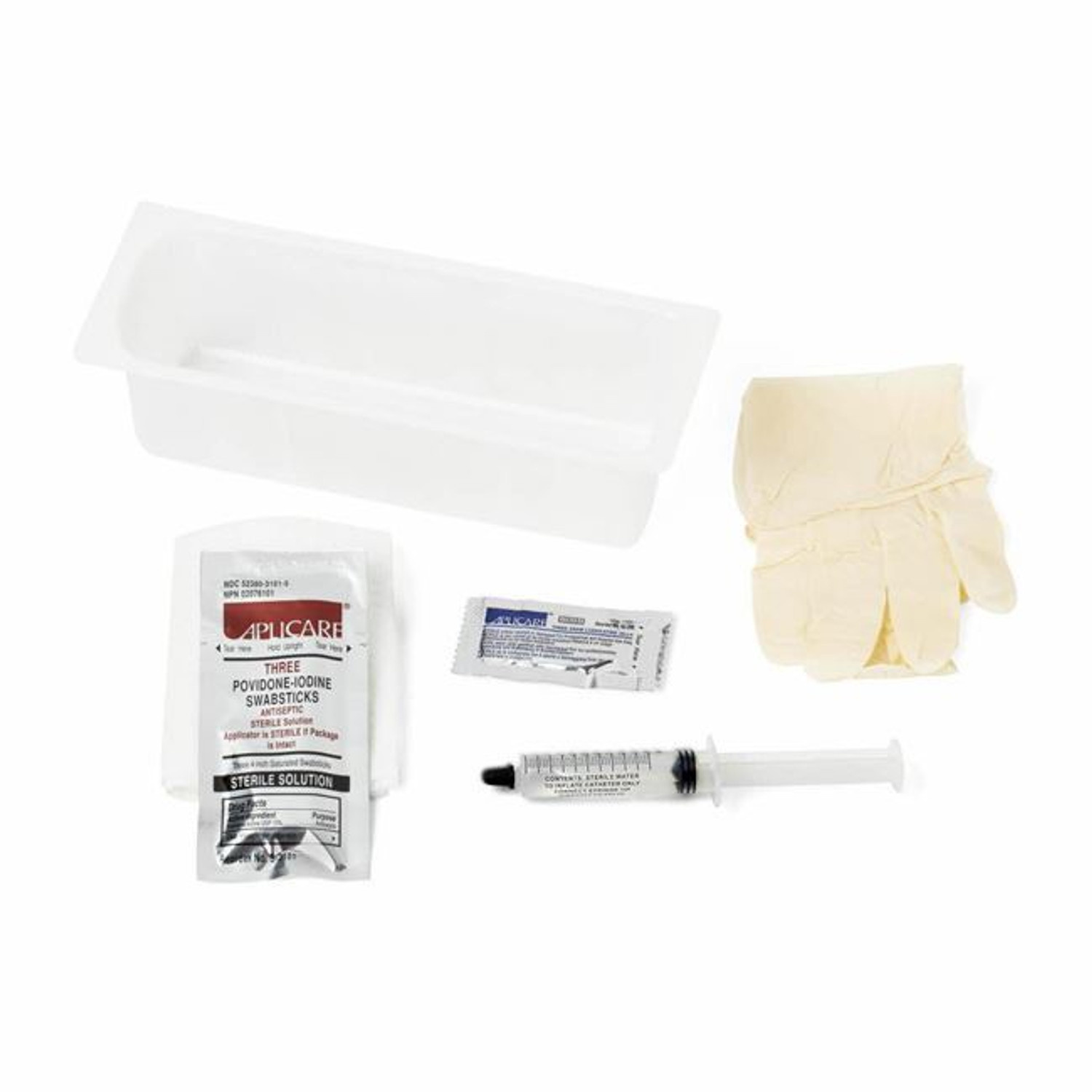
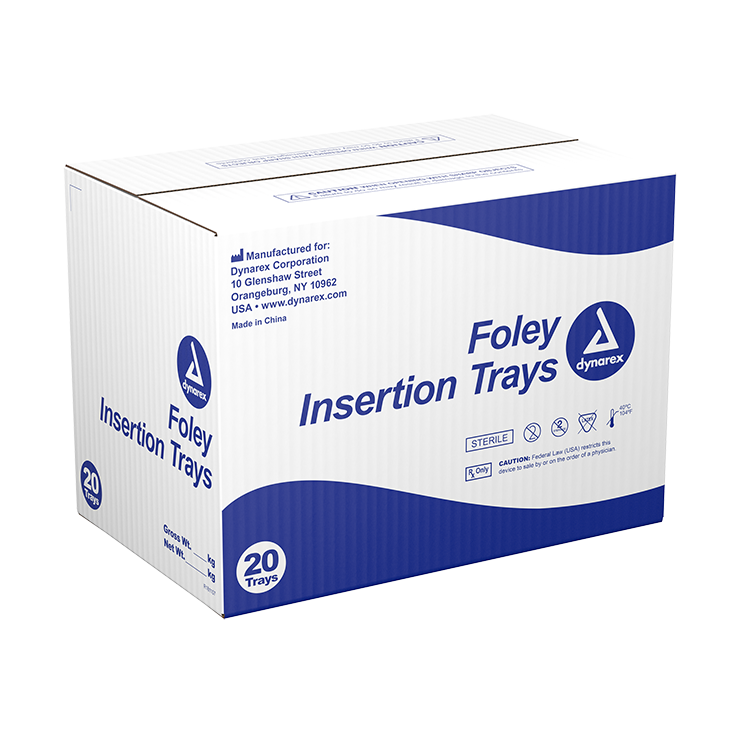
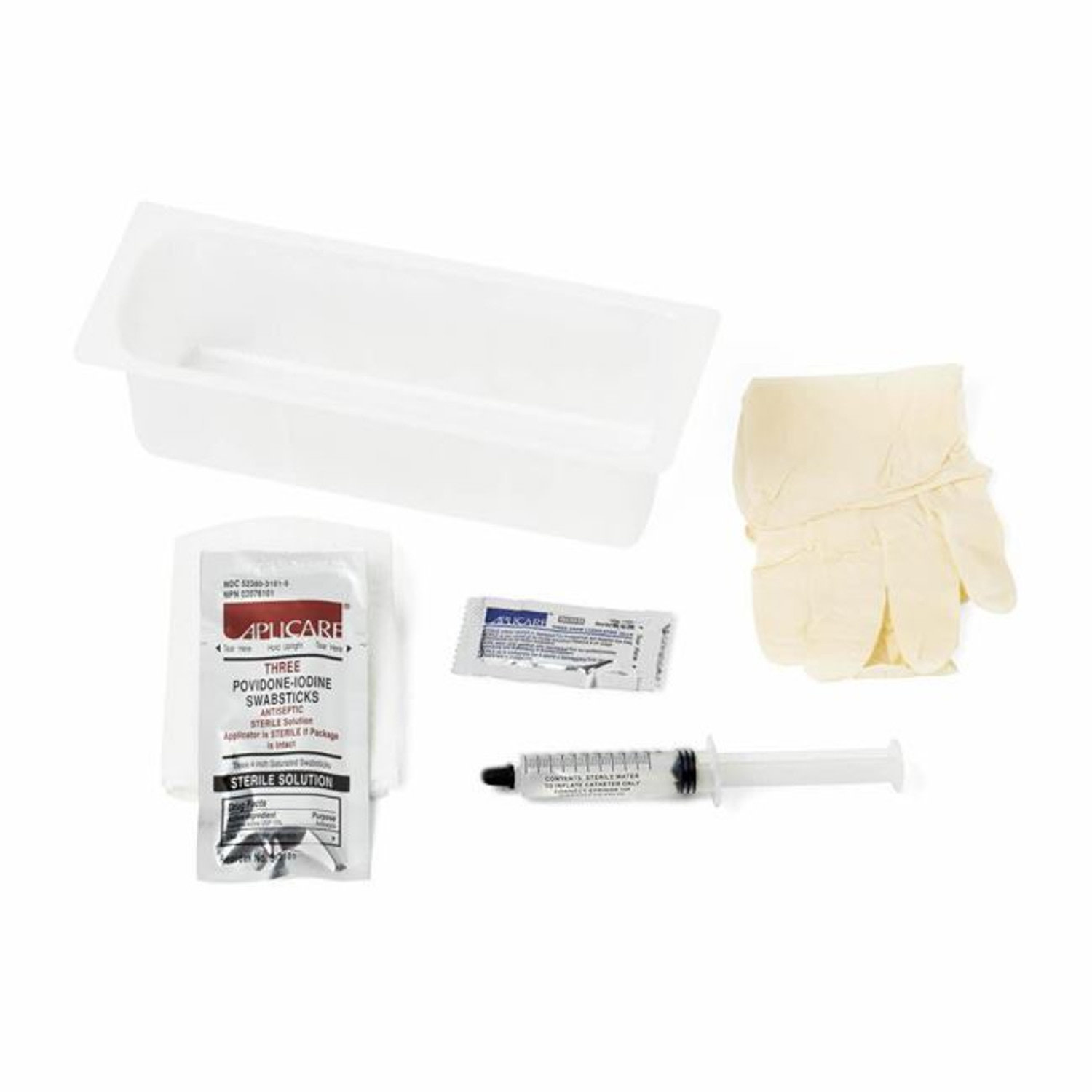
This tray includes lubricant, antiseptic prep, gloves, drape, syringe, and collection supplies to streamline Foley insertion while maintaining sterile technique. Designed to reduce prep time and infection risk, it's a convenient solution for caregivers.
Loading…
Foley catheter insertion requires meticulous sterile technique to prevent catheter-associated urinary tract infections (CAUTIs)—the most common healthcare-associated infection, accounting for over 75% of all hospital-acquired UTIs. Studies show that up to 70% of CAUTIs are preventable through proper insertion technique and maintenance of sterility during the procedure. The all-in-one sterile insertion tray addresses this critical patient safety concern by pre-packaging every essential component in a contamination-free environment, eliminating the risk of gathering supplies from multiple sources that may compromise sterility.
The organized tray design supports proper sterile workflow by presenting components in logical procedural order. Healthcare providers can establish a sterile field, don sterile gloves, and access catheter preparation supplies without breaking sterile technique—a common source of contamination when supplies must be retrieved individually from storage. This systematic approach is particularly valuable in high-pressure clinical situations (emergency departments, surgical recovery, critical care) where maintaining focus on sterile technique while managing multiple competing priorities can be challenging.
Time efficiency in Foley catheter insertion directly impacts patient comfort and clinical workflow. Traditional supply gathering from multiple storage locations can add 5-10 minutes to the procedure—time spent with the patient in an undressed, vulnerable position. The complete insertion tray reduces preparation time to under 2 minutes, minimizing patient exposure and anxiety while allowing healthcare providers to focus on technical precision rather than supply logistics. In high-volume settings like emergency departments, surgical floors, or long-term care facilities performing multiple catheterizations daily, this efficiency translates to significant cumulative time savings.
The standardized kit contents ensure consistency across different providers, shifts, and facilities. New nurses, nursing students, and less experienced clinicians benefit from having all necessary supplies pre-selected in appropriate quantities, reducing the cognitive load of remembering every component during a sterile procedure. This standardization also supports quality improvement initiatives by eliminating supply variability as a confounding factor in outcome measurement—when every provider uses identical kits, variations in infection rates or insertion success can be more accurately attributed to technique rather than supply differences.
Prefilled balloon inflation syringes eliminate preparation steps and reduce inflation errors. The syringe pre-measured with appropriate sterile water volume (typically 10ml for standard balloons) prevents over-inflation that can cause bladder spasm or under-inflation that results in catheter migration. This built-in safety feature is particularly valuable when procedures are performed by providers with varying experience levels or during high-stress situations where careful measurement might be compromised.
✓ Acute urinary retention requiring immediate bladder decompression
✓ Perioperative urinary drainage during surgery and recovery
✓ Accurate urine output monitoring in critically ill patients
✓ Post-surgical bladder rest and healing (urologic, gynecologic, colorectal procedures)
✓ Neurogenic bladder management when intermittent catheterization is impractical
✓ End-of-life comfort care for immobile or unconscious patients
✓ Severe incontinence management when other interventions have failed
✓ Bladder irrigation setup for hematuria or clot management
✓ Emergency department stabilization of urinary obstruction
✓ Long-term care facility bladder management for residents unable to toilet
✓ Home health nursing for bedbound patients requiring indwelling drainage
✓ Urine specimen collection when clean-catch is not possible
Clinical Indication Verification: Confirm that Foley catheter insertion is clinically indicated and that less invasive options (condom catheter, intermittent catheterization, toileting assistance) have been considered. Indwelling catheters carry significant infection risk and should only be used when medically necessary. Review physician orders and facility protocols regarding catheter use.
Patient Assessment:
Catheter Size Selection (not included in kit, must be selected separately):
Gather Additional Supplies:
Hand Hygiene: Perform thorough hand washing with soap and water for at least 20 seconds or use alcohol-based hand sanitizer. Hand hygiene is the single most important infection prevention measure.
Patient Positioning:
Female patients: Supine position (lying on back) with knees bent and feet flat on bed, then allow knees to fall apart (frog-leg position). Alternative: dorsal lithotomy position with feet in stirrups if available. Ensure adequate exposure while maintaining patient dignity.
Male patients: Supine position with legs straight and slightly apart. Ensure penis is accessible and patient is comfortable.
Privacy and Comfort: Close door/curtains, explain procedure to patient, provide reassurance, and ensure adequate room temperature. Cover upper body with sheet or blanket to maintain dignity.
Tray Placement: Place the unopened sterile insertion tray on a clean, dry overbed table or bedside surface at a comfortable working height. Ensure sufficient workspace around the tray.
Outer Wrapper Removal: Check expiration date and package integrity. If expired or package is torn/wet, discard and obtain new tray. Carefully peel open the outer wrapper without touching inner contents, using the peel-apart edges.
Sterile Field Establishment: The inner blue or white drape material often serves as your sterile field. Open the tray in a way that creates a sterile working surface. Some trays are designed so the opened packaging itself becomes the sterile field. Touch only the corners or outer 1-inch edge of any drape material.
Underpad Placement: Without contaminating gloves yet, carefully remove the waterproof underpad from the tray and place it under the patient's buttocks to protect bedding from fluid spills.
Glove Packaging: Locate the sterile glove packet in the tray. Open the glove package carefully.
Gloving Technique:
Tray Organization: With sterile gloves on, arrange supplies in the order you'll use them:
Fenestrated Drape (if included): Some trays include a drape with an opening in the center. This can be placed over the patient's genital area with the opening exposing only the urethra, creating an additional sterile barrier.
Non-Dominant Hand Positioning: With your non-dominant hand (which will become "contaminated" during this step), separate the labia minora to expose the urethral opening. This hand must maintain this position throughout the entire cleansing and insertion process—do NOT let go of the labia or you will need to re-cleanse.
Identify Anatomical Landmarks: Locate the urethral meatus (urinary opening)—a small opening between the clitoris (anterior) and vaginal opening (posterior). In some patients, this may be difficult to visualize, especially with obesity, atrophy, or anatomical variations.
Antiseptic Application: Using your sterile gloved dominant hand and forceps (if provided) or fingers, grasp an antiseptic swab:
Maintain Labial Separation: Continue holding the labia apart with your non-dominant hand. If you release the labia and they fall back into place, you must repeat the entire cleansing process.
Penis Positioning: With your non-dominant hand (which becomes "contaminated"), grasp the penis gently. If patient is uncircumcised, retract the foreskin completely to expose the glans. Hold the penis at a 60-90 degree angle from the body (perpendicular or pointing toward abdomen) to straighten the urethra. Maintain this position throughout cleansing and insertion.
Antiseptic Application: Using your sterile gloved dominant hand and forceps/fingers, grasp an antiseptic swab:
Maintain Penis Position: Continue holding the penis with your non-dominant hand throughout the procedure. If you release the penis or if your sterile hand touches the penis shaft, you must re-cleanse.
Lubricant Application: With your sterile dominant hand, open the lubricant packet. Apply generous amounts of sterile lubricant to the catheter tip and first 2-3 inches (female) or 6-7 inches (male) of the catheter. Adequate lubrication is critical for patient comfort and prevention of urethral trauma.
Pre-Testing Balloon (Optional but Recommended): Some protocols recommend testing balloon integrity before insertion:
Note: Some facilities do not recommend pre-testing as it may weaken the balloon. Follow your facility protocol.
Catheter Handling: Hold the lubricated catheter about 3 inches from the tip with your sterile dominant hand. The drainage end should be positioned over the specimen container (if collecting sample) or directed toward the area where you'll connect the drainage bag.
Insertion Technique:
Common Insertion Challenges:
Catheter Handling: Hold the lubricated catheter about 3-4 inches from the tip with your sterile dominant hand. Have 6-7 inches of catheter well-lubricated for the longer male urethra.
Penis Position: With your non-dominant hand, hold the penis perpendicular to the body (90-degree angle) or pointing slightly toward the abdomen. Apply gentle traction to straighten the urethra.
Insertion Technique:
Special Considerations:
Confirming Bladder Position: CRITICAL: Ensure urine is flowing freely before inflating balloon. Inflating the balloon while it's still in the urethra causes severe pain and urethral trauma.
Inflation Procedure:
Balloon Inflation Problems:
Drainage Bag Connection:
Drainage Bag Positioning:
Preventing Catheter Migration and Urethral Trauma: Proper catheter securement prevents pulling, migration, and urethral erosion.
Female patients: Secure catheter to inner thigh using catheter securement device or hypoallergenic tape. Allow enough slack so catheter doesn't pull with leg movement but not so much that it can be pulled accidentally.
Male patients: Secure catheter to abdomen or upper thigh (not penis itself). Securing to abdomen prevents urethral erosion at the penoscrotal junction. Again, allow appropriate slack.
Securement Devices: Modern catheter securement devices (like StatLock) are preferred over tape as they:
Foreskin Replacement (Uncircumcised Males): CRITICAL: Immediately return foreskin to natural position after catheter is secured. Failure to do so causes paraphimosis (foreskin trapped behind glans), causing painful swelling and potential tissue damage requiring emergency intervention.
Patient Positioning: Return patient to comfortable position. Ensure catheter and tubing are positioned to allow free drainage without kinks.
Documentation: Document in patient record:
Initial Output Monitoring: Observe first drainage. Rapid bladder decompression (>1000ml in first hour) may require physician notification per facility protocol. Note urine color, clarity, and any abnormalities.
Supply Disposal: Dispose of used insertion tray and all supplies in appropriate medical waste container per facility policy. Remove and dispose of gloves. Perform hand hygiene.
Daily Care:
Catheter Removal Timing: Remove indwelling catheters as soon as medically appropriate—each day of catheterization increases infection risk by 5%. Use daily assessment tools to evaluate continued need.
Problem: No urine return after insertion
Problem: Catheter inserted but very little urine returns (patient should have full bladder)
Problem: Blood-tinged urine immediately after insertion
Problem: Patient reports pain during or after insertion
Problem: Cannot insert catheter in female patient
Problem: Cannot insert catheter in male patient—resistance at 6-7 inches
Problem: Balloon won't inflate
Problem: Urine leaking around catheter
Problem: No urine draining but patient reports fullness
For Obese Patients: Visualization may be difficult in female patients. Consider using additional lighting, having assistant provide upward traction on abdominal pannus, or using a mirror to improve visualization. Male patients may have buried penis—may need to apply pressure to suprapubic area to expose penis adequately.
For Elderly Patients: Elderly women may have urethral stenosis or vaginal atrophy making visualization difficult. Elderly men commonly have prostatic enlargement—be prepared for resistance and possibly need for coudé catheter. Both genders may have fragile skin and mucosa—use extra lubrication and gentle technique.
For Confused/Uncooperative Patients: May require two assistants—one to help maintain patient positioning and one to assist with procedure. Explain procedure even if patient seems unable to understand. Consider timing insertion when patient is calmer or after PRN sedation if ordered and appropriate.
For Patients with Urethral Trauma History: Increased risk of strictures, false passages, or difficult insertion. Proceed with extra caution. Consult physician about need for specialty catheter or urologist involvement.
For Patients Requiring Long-Term Catheterization: Consider silicone catheters rather than latex (less irritating for prolonged use). Establish regular catheter change schedule (typically every 30 days or per facility protocol). Provide patient/caregiver education on home catheter care.
For Surgical/Perioperative Patients: Insert catheter after anesthesia induction when patient is unconscious (more comfortable). Use largest appropriate size if irrigation anticipated. Ensure drainage bag is positioned where surgical team can monitor output during procedure.
Bundle Approach: Implement evidence-based insertion bundle:
Avoid:
During Insertion:
After Insertion:
Carousel items
Testimonial items
Very welcoming and informative. We went in to rent a Walker for my mom to see if she would use it. They had no rentals left so he gave us a brand new one on rental. Highly recommend this company for all your ADL needs.
Tara Maye
The rating of this product is 5 out of 5
Fantastic service and experience, from delivery to pickup we could not have asked for anything more! We rented a hospital bed, and I do not believe you would get better service anywhere. Highly recommended!
Shawn Dillon
The rating of this product is 5 out of 5
Super friendly and very helpful! Delivered the wheelchair for me, special ordered other parts and took the time to show me how to install. I recommend!
Fiona Haines
The rating of this product is 5 out of 5
Can not thank the team at Med Supplies enough for their amazing service. We were in a tough spot till we got their help. Amazing service. Kind and respectful delivery. First class all the way. Thank you again.
Jon Beatty
The rating of this product is 5 out of 5
Ordered the chair on Sunday and it arrived Monday morning. Spoke to customer service to follow up on delivery times. It was already on my front door. Excellent and helpful staff. The product is sturdy and of good quality. Thank you for your help.
H D
The rating of this product is 5 out of 5
Excellent experience - website faithfully represented what was in stock (which hasn't always been my experience with other vendors sadly), and local shipping was really fast - ordered on the weekend, received it on Monday in my case. Thank you for being
Jason Hudson
The rating of this product is 5 out of 5
0/0
You cart is currently empty
780 409-1509
Get directions