
Slideshow Items

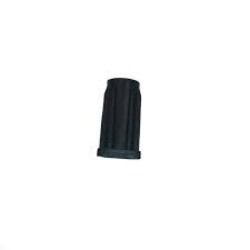
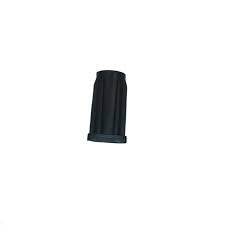
Receptacle For Caster 15005P-1027

C$18.14
In stock online
In store: Check availability

Available in store

SKU: 15005P-1027

Drive Medical manual and semi-electric homecare hospital beds. Installs directly into the bed frame rail, providing a secure stem engagement point that holds the caster wheel assembly in correct alignment for safe load transfer and smooth bed mobility

    • Why the Caster Receptacle Is the Structural Interface Boundary and the Alignment Control Component of the Drive Bed Frame Simultaneously

      The caster receptacle on a Drive Medical homecare bed serves two structurally distinct functions that are both essential to the bed frame's mechanical and clinical performance, and that a single socket component must satisfy simultaneously. The first function is stem retention: the receptacle is the sole structural element that holds the caster stem within the bed frame rail. The caster wheel assembly — whether locking or non-locking — transfers all floor contact loads into the frame through the stem-to-receptacle interface. A receptacle that has developed a structural failure — through socket wall deformation, internal thread damage, or metal fatigue cracking at the frame mounting flange — cannot retain the caster stem under the lateral and vertical loads that bed repositioning and patient weight generate. A failed receptacle allows the caster stem to shift, rock, or disengage from the frame at the affected corner, creating a frame instability event that cannot be managed by the caregiver once it occurs under load. The caster receptacle is therefore not a passive mounting bracket — it is the structural retention boundary that determines whether the caster assembly remains engaged with the frame under all conditions of clinical use.

      The second function the caster receptacle must satisfy simultaneously is caster alignment: the receptacle positions the caster stem at the manufacturer-specified angle and depth relative to the frame rail, ensuring that the wheel assembly contacts the floor at the correct geometry for the load distribution and rolling resistance profile the frame was designed around. A receptacle that has worn internally — allowing the stem to sit at an angle rather than perpendicular to the floor — introduces a misalignment that causes the wheel to run at an angle to its rolling direction. A misaligned wheel generates lateral force on the stem with each rotation, accelerating wear at both the stem and the receptacle socket, and producing the wheel wobble at the frame corner that is the visible indicator of receptacle wear in clinical use.

      The heavy-duty metal construction of the 15005P-1027 receptacle addresses the specific failure mechanism that caster receptacles develop in homecare and clinical bed use. The receptacle socket wall is subjected to cyclic lateral loading each time the bed is repositioned — the caster stem bears against the socket wall as the wheel changes direction, and the accumulated lateral load cycles deform the socket wall progressively over thousands of repositioning events. A receptacle manufactured to a lower material specification than the OEM part deforms more rapidly under this cyclic lateral loading, reintroducing the stem misalignment and wobble that the replacement was intended to eliminate. The OEM metal specification of the 15005P-1027 is therefore a functional requirement for service life under clinical repositioning loads, not simply a construction quality indicator.

      The individual sale configuration of the 15005P-1027 allows receptacle replacement at the single failed socket position without disturbing the remaining three receptacle and caster assemblies in the frame. This matters in clinical practice because receptacle wear is not uniform across the four frame corners — the corners subjected to the most frequent directional change during repositioning develop socket wall wear ahead of the remaining corners. Replacing only the worn receptacle rather than the full set maintains the service life of the undamaged receptacles while restoring frame alignment and stability at the failed corner.

      KEY FEATURES

      • Heavy-duty metal socket construction — OEM material specification selected for resistance to the cyclic lateral loading that caster stem directional changes impose on the socket wall across thousands of bed repositioning events
      • Precision stem bore geometry — positions the caster stem perpendicular to the floor at the manufacturer-specified depth, maintaining wheel contact geometry and preventing the stem misalignment that causes wheel wobble and accelerated wear
      • Frame rail mounting flange — secures the receptacle to the bed frame rail at the OEM mounting position, ensuring caster stem retention under both vertical patient load and lateral repositioning forces
      • OEM replacement specification — 15005P-1027 part number matches the stem bore diameter, mounting flange geometry, and material specification of the original Drive Medical receptacle, ensuring like-for-like functional replacement
      • Sold individually — allows single-receptacle replacement at the worn or damaged socket position without replacing the full receptacle set or disturbing undamaged frame corners

      BENEFITS

      • Restores caster stem retention at the failed frame corner — replacing a deformed or cracked receptacle before the caster assembly disengages from the frame under repositioning or patient transfer load
      • OEM stem bore geometry eliminates wheel wobble caused by socket wall wear — restoring the perpendicular stem alignment that correct wheel contact geometry requires
      • Heavy-duty metal construction extends replacement receptacle service life under cyclic lateral loading — resisting the socket wall deformation that a lower-specification receptacle would develop under the same repositioning load cycles
      • Component-level receptacle replacement extends the bed frame's service life without replacing the frame rail assembly, caster set, or drive mechanism
      • Individual sale allows targeted replacement at the worn socket position — preserving the service life of undamaged receptacles at the remaining frame corners

      TYPICAL APPLICATIONS

      ✓ Socket deformation replacement — immediate receptacle replacement when internal socket wall deformation has introduced caster stem misalignment, identified by visible wheel wobble or stem rocking at the affected frame corner

      ✓ Mounting flange failure replacement — receptacle replacement when the frame mounting flange has cracked or deformed, eliminating secure receptacle retention in the frame rail at the affected corner

      ✓ Thread or retention feature damage replacement — replacement when internal stem retention features have worn or stripped, preventing secure stem engagement at the correct depth

      ✓ Scheduled maintenance replacement — receptacle inspection and replacement as part of bed frame service intervals, confirming socket wall integrity and stem alignment before the next patient placement

      ✓ Bed refurbishment and recommissioning — receptacle inspection and replacement when a Drive Medical homecare bed is recommissioned after storage or transfer, confirming stem retention and alignment geometry before the frame enters active clinical or homecare use

    • No reviews yet

      Add yours

    Testimonials from Google

    See all reviews

    Your cart — 0

    You cart is currently empty

    Login

    By using our website, you agree to the use of cookies. These cookies help us understand how customers arrive at and use our site and help us make improvements. Hide this message More on cookies »