
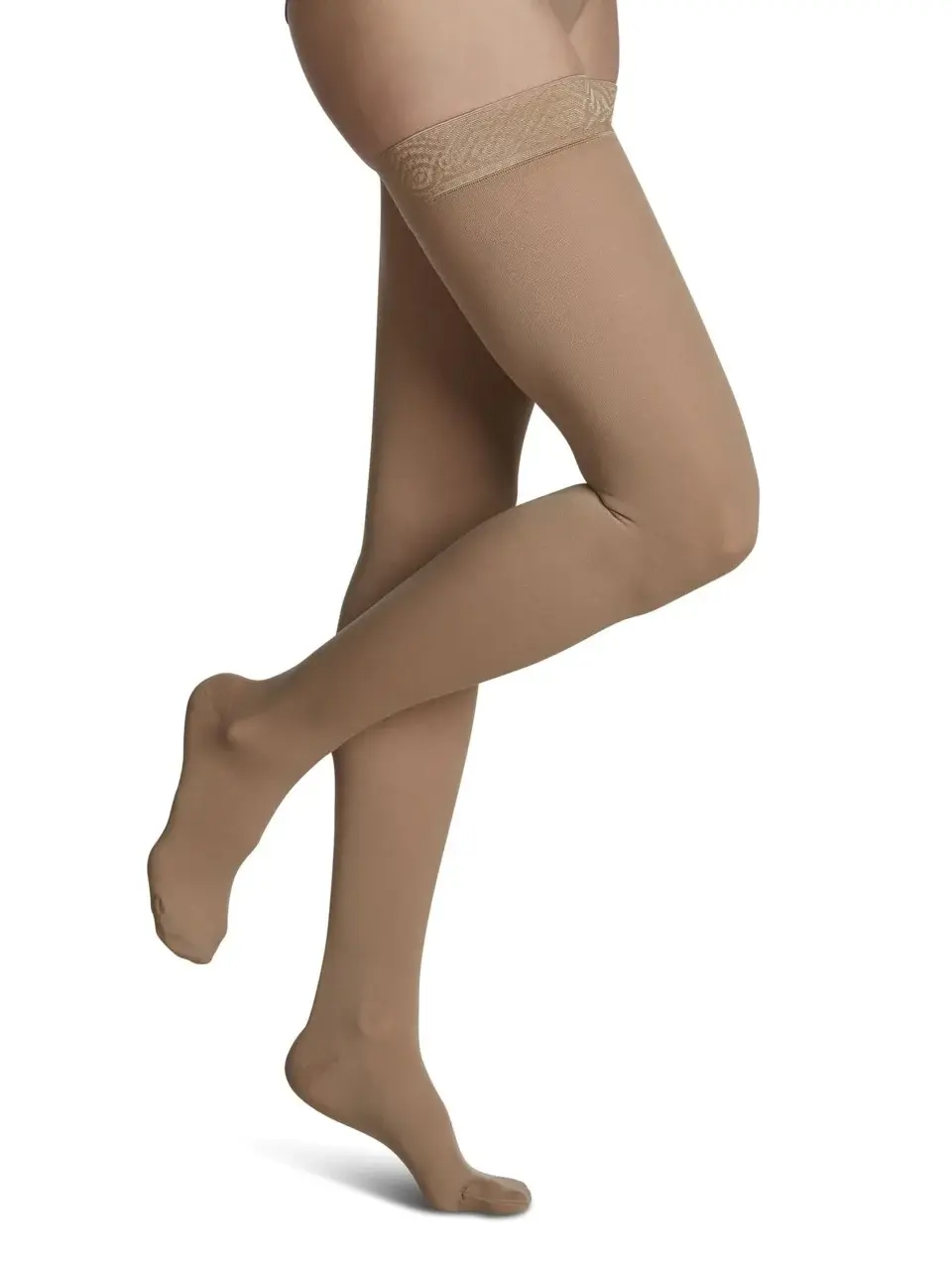
Why Opaque Golden Compression for Women
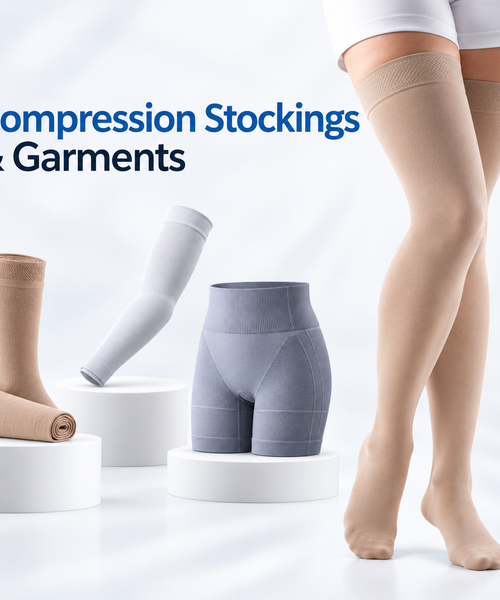
Golden-tone opaque compression stockings provide therapeutic prescription-strength support while offering warm, elegant aesthetics that complement diverse skin tones and professional wardrobes. The 30–40 mmHg compression level represents the highest standard therapeutic pressure, requiring physician prescription and professional fitting for managing severe chronic venous insufficiency, advanced varicose veins with complications, and significant leg edema. Opaque construction serves dual purposes—concealing varicose veins, venous staining, post-ulcer discoloration, and skin changes associated with severe venous disease while providing visual confidence in professional and social settings. The Golden shade offers sophisticated warmth between traditional beige and honey tones, creating natural-looking coverage that works across seasons and dress codes while maintaining complete discretion regarding medical treatment.
Key Features & Benefits
- Extra-firm 30–40 mmHg graduated compression for prescription-strength therapeutic support
- Thigh-high length provides comprehensive coverage from toes to upper thigh
- High-density opaque knit conceals veins, discoloration, and venous disease evidence
- Golden color offers warm, elegant tone complementing professional and casual wear
- Women's specific W LS (Long/Short) sizing accommodates varied leg lengths
- Integrated thigh band with secure grip keeps stockings positioned throughout day
- Breathable opaque fabric balances coverage with comfort during extended wear
- Reinforced heel and toe areas enhance durability for daily therapeutic use
- Closed-toe design provides complete foot coverage and support
- Medical-grade construction maintains compression through repeated wear
Clinical Applications
Appropriate for women with:
✓ Severe chronic venous insufficiency (CVI) requiring maximum compression ✓ Advanced varicose veins with complications or cosmetic concerns ✓ Post-thrombotic syndrome following deep vein thrombosis (DVT) ✓ Significant leg edema unresponsive to lower compression levels ✓ Venous leg ulcers (active or healed) requiring Class 3 support ✓ Moderate to severe lymphedema under specialized medical care ✓ Post-surgical recovery after vein stripping, ablation, or sclerotherapy ✓ Severe venous reflux with skin changes or complications ✓ Women prioritizing cosmetic discretion alongside therapeutic treatment
Important: 30–40 mmHg compression REQUIRES physician prescription and professional fitting. Do not use without comprehensive medical evaluation. Contraindicated in severe arterial disease, acute DVT without anticoagulation therapy, severe peripheral neuropathy, or untreated congestive heart failure.
Usage & Application - User Guidance
For Prescription Compression Stockings Under Physician Direction: These extra-firm compression stockings are prescription medical devices requiring physician authorization and professional fitting. Use only as directed by healthcare provider with ongoing medical supervision.
Understanding 30–40 mmHg Compression:
- Extra-firm classification: Highest standard prescription compression level
- Physician prescription MANDATORY: Not available over-the-counter
- Professional fitting REQUIRED: Ensures therapeutic efficacy and patient safety
- Medical condition treatment: Prescribed for severe venous disease only
- Regular monitoring essential: Ongoing provider follow-up critical
Understanding Golden Opaque Finish:
- Visual elegance: Warm, sophisticated tone between beige and honey
- Complete coverage: Fully opaque throughout, non-transparent construction
- Cosmetic confidence: Conceals veins, staining, and skin irregularities
- Professional appearance: Suitable for business and formal settings
- Seasonal versatility: Works across year-round wardrobes
- Therapeutic effectiveness: Opacity doesn't compromise compression
When Golden Tone is Preferred:
- Desire for warmer alternative to stark beige or clinical white
- Professional settings requiring polished, elegant appearance
- Preference for color that works with both neutral and warm-toned clothing
- Cosmetic discretion while managing severe venous conditions
- Personal aesthetic choice within medical compression options
Understanding W LS Sizing:
- "W" = Women's specific sizing and fit
- "LS" = Long/Short length variations available
- Accommodates women with varied leg lengths within size range
- Check sizing chart for specific Long vs. Short length differentiation
- Professional fitter determines appropriate length designation
- Prevents inadequate coverage or excessive bunching
Professional Fitting Requirements:
- MUST be fitted by certified compression garment specialist
- Multiple precise measurements required for proper sizing
- Ankle, calf, knee, and thigh circumferences measured accurately
- Full leg length from heel to gluteal fold measured
- W LS sizing selections based on comprehensive measurements
- Re-fitting every 3–6 months or with significant body composition changes
- Improper fitting creates complications with 30–40 mmHg compression
Physician Prescription Process:
- Documented diagnosis of venous insufficiency or qualifying condition
- Arterial status assessment to rule out contraindications
- Ankle-brachial index (ABI) testing if arterial disease suspected
- Compression level specification (30–40 mmHg prescribed)
- Length specification (thigh-high vs. alternatives)
- Precise sizing measurements documented
- Treatment duration and follow-up schedule established
Preparing to Apply:
- Apply in morning before legs develop daily swelling
- Ensure skin is completely clean and thoroughly dry
- Remove all leg jewelry (anklets, toe rings)
- Have essential donning aids ready (critical for 30–40 mmHg)
- Rubber gloves for gripping tight fabric absolutely necessary
- Sit in stable chair with excellent lighting
- Allow 15–20 minutes initially for application process
- Consider professional donning instruction from fitter
Application Technique - Extra-Firm Thigh-High:
- Turn stocking completely inside out to heel pocket location
- Insert foot carefully, positioning heel precisely in heel pocket
- Pull stocking over foot and ankle with firm, steady pressure
- Opaque fabric requires significant force—work gradually
- Continue up calf to knee—material will be extremely tight
- Stand to pull over knee and up thigh
- Use rubber gloves for superior fabric grip
- Pull to proper thigh-high position (2–3 inches below gluteal fold)
- Ensure integrated thigh band lies completely flat against thigh
- Smooth all wrinkles meticulously—folds compromise compression effectiveness
- Allow adequate time—this is challenging with Class 3 compression
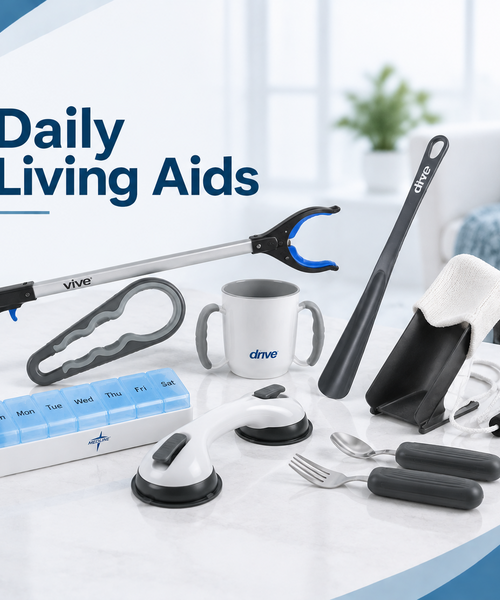
Essential Donning Aids:
- Rubber household gloves: Provide critical grip on tight fabric
- Metal/plastic donning frames: Assist with application process
- Compression sock aids: Tools specifically designed for firm compression
- Textured application gloves: Special gloves for compression garments
- Donning cone devices: Help insert foot and pull up leg
- Professional training: Request hands-on instruction from certified fitter
Checking Proper Fit:
- Should feel extremely firm but not cause unbearable pain
- Integrated thigh band shouldn't cut into thigh tissue
- No bunching, rolling, or wrinkles anywhere on stocking
- Toes should maintain feeling and normal circulation
- Heel positioned accurately in reinforced heel pocket
- Compression strongest at ankle, progressively decreasing up leg
- No severe numbness, tingling, or sharp pain
- Tolerable for entire prescribed wear duration
Throughout the Day:
- Monitor continuously for any circulatory compromise signs
- Check periodically that thigh band hasn't rolled or slipped
- Smooth any wrinkles that develop during movement
- Toes should maintain normal color, warmth, sensation
- Remove immediately if severe pain, numbness, or discoloration occurs
- Elevate legs when possible to enhance compression benefits
- Maintain adequate hydration throughout day
Wear Duration:
- Typically worn during waking hours (8–12 hours daily)
- Applied in morning, removed at bedtime
- Some conditions may require 24-hour wear—follow provider orders only
- Never exceed prescribed wear time without authorization
- Do not sleep in stockings unless specifically prescribed
- Consistency crucial for managing chronic venous disease effectively
Removing Stockings:
- Remove at end of day or as prescribed by provider
- Sit comfortably with good leg access
- Peel integrated thigh band down gently from upper thigh
- Work down leg slowly and carefully—avoid rushing
- Gather fabric progressively as descending leg
- Turn inside out while removing from foot
- Expect removal to take several minutes with Class 3 compression
- Inspect legs thoroughly after removal for pressure marks
Caring for Opaque Compression:
- Hand wash daily in lukewarm water with mild detergent
- Gentle machine wash in mesh garment bag if approved
- Never use bleach, fabric softeners, or harsh chemicals
- Air dry flat or hang to dry—NEVER use machine dryer heat
- Do not wring forcefully—gently press out excess water
- Extra-firm compression requires 2 pairs for daily alternation
- Proper care maintains both compression integrity and opacity
- Replace every 3–6 months or when compression noticeably weakens
Opaque Fabric Maintenance:
- Golden opaque knit requires gentle handling to preserve appearance
- Avoid rough surfaces that can snag or create pilling
- Inspect regularly for thinning areas or opacity loss
- Replace when fabric becomes thin, transparent, or damaged
- Proper care extends both therapeutic compression and cosmetic coverage
- Store in cool, dry location away from direct sunlight
Signs Requiring Immediate Removal:
- Severe cramping, burning, or intolerable pain
- Complete numbness or total loss of sensation
- Skin color changes (blue, purple, gray, white, mottled)
- Severe skin irritation, burning, or breakdown
- Toes becoming cold, numb, or losing all circulation
- Paradoxical increase in swelling rather than decrease
- Any signs suggesting circulatory compromise
Monitoring Treatment Effectiveness:
- Track progressive reduction in leg circumference measurements
- Document improvement in pain, heaviness, and discomfort
- Note decrease in visible edema and swelling
- Monitor venous ulcer healing progress if present
- Record improvements in skin condition and coloration
- Measure increase in daily activity tolerance
- Report all progress at regular follow-up appointments
Regular Medical Follow-Up:
- Provider appointments every 3–6 months at minimum
- More frequent visits if active ulcers or complications present
- Regular compression level appropriateness assessment
- Periodic arterial status monitoring to ensure safety
- Sizing verification and adjustment at each visit
- Prescription renewal as medically necessary
- Comprehensive ongoing condition management
When to Contact Physician Immediately:
- Severe pain, numbness, or circulation problems during wear
- Signs of infection (redness, warmth, fever, drainage)
- Skin breakdown, ulceration, or tissue damage
- Sudden significant increase in swelling despite compression
- Signs of new blood clot (sudden pain, swelling, warmth, redness)
- Unable to tolerate compression despite proper fit and adjustment
- Suspected allergic reaction to materials
- Any serious concerns about safety or appropriateness
Product Specifications
- Brand/Line: Essential Opaque
- Compression Level: 30–40 mmHg (Class 3, extra-firm, graduated)
- Classification: Prescription medical device
- Style: Thigh-High
- Length: Complete leg coverage (toes to upper thigh)
- Gender: Women's specific sizing and design
- Size: W LS (Women's Long/Short variations)
- Color: Golden (warm, elegant skin tone)
- Material: High-density opaque compression knit
- Toe Style: Closed toe with reinforcement
- Heel: Reinforced for enhanced durability
- Top Band: Integrated thigh band with secure grip
- Prescription: REQUIRED by physician
- Professional Fitting: MANDATORY for safety
- Best For: Severe venous conditions with aesthetic preferences
- Wear Time: 8–12 hours daily or as prescribed
- Care: Hand wash recommended, air dry
- Replacement: Every 3–6 months with regular use
- Medical Supervision: Ongoing monitoring required