Slideshow Items

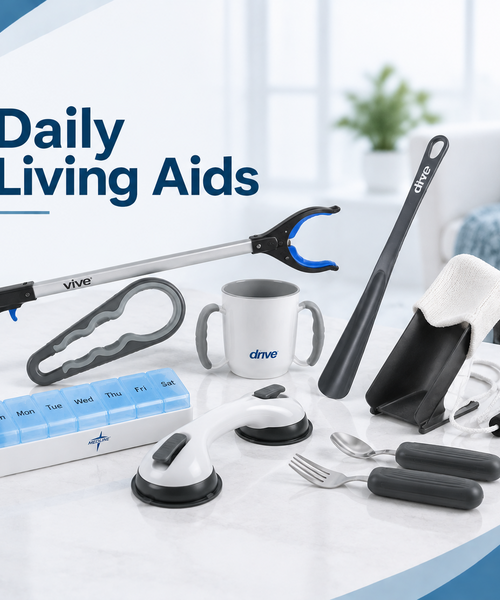
  • Daily Living Aids
  • daily-living-aids
BOS-BIOS

  |  

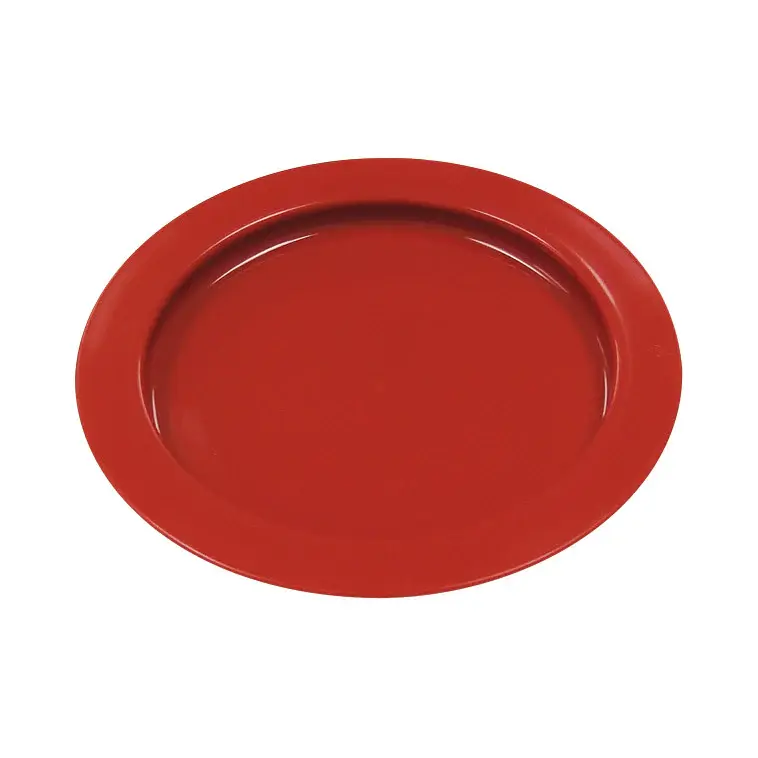
Inner Lip Plate Red

C$26.99
In stock online
In store: Check availability

Available in store

UPC Code: 057475285173
SKU: LH517

Inner Lip Plate delivers adaptive eating via raised edge food scooping, lightweight durable polypropylene and bright blue contrast for arthritis, stroke, Parkinson's disease and limited dexterity users needing independent dining assistance.

    • Why Raised Inner Lip Plate for Adaptive Independent Eating?

      Standard flat dinner plates provide an open flat surface without edge containment — when users with limited hand coordination, tremor, weak grip, or one-handed eating attempt to scoop food onto a fork or spoon against a flat plate surface, the food slides across the plate and over the edge creating spills, the utensil cannot trap food against a vertical surface for effective loading, and repeated failed scooping attempts accumulate into mealtime frustration that progressively erodes eating independence and nutrition intake. Users with stroke hemiplegia eating one-handed cannot stabilize the plate with a second hand while scooping, making food escape over the plate edge even more likely. Parkinson's tremor makes precise utensil control impossible — the spoon or fork approaches the food target with wavering trajectory that pushes food laterally across the plate rather than securing it on the utensil. Arthritis users with weak grip cannot apply the downward utensil pressure needed to trap food for scooping, resulting in food sliding away from the utensil rather than loading onto it. Visual impairment and cognitive decline reduce the visual tracking and motor planning that effective plate eating requires. Facilities serving these combined limitations face a binary choice: accept food spillage requiring extensive table and floor cleanup after meals, or provide feeding assistance eliminating eating independence and consuming substantial staff time. The raised inner lip plate eliminates these fundamental limitations through simple mechanical advantage: the vertical inner edge wall — typically 1–1.5 inches high — creates a solid barrier against which users can press food while scooping, preventing lateral food escape and converting the flat-plate open-surface problem into a contained scooping environment where food has nowhere to go except onto the utensil. One-handed users can scoop effectively because the raised lip replaces the missing second-hand plate stabilization function. Tremor users benefit because the lip wall provides a forgiving scooping surface — imprecise utensil approach still captures food against the wall rather than missing entirely. Weak grip users can scoop successfully because the lip wall provides mechanical resistance enabling effective food trapping without requiring significant downward utensil pressure. The bright blue color improves food visibility through color contrast — studies demonstrate that high-contrast plate colors improve food recognition and intake for users with visual impairment and dementia. Durable lightweight polypropylene construction withstands institutional dishwasher cycles and daily home use. Non-institutional appearance maintains dining dignity — the plate looks like normal dinnerware rather than obviously medical equipment. Standard 9-inch diameter accommodates typical meal portions. For arthritis patients requiring independent eating without spillage, stroke survivors learning one-handed dining compensation, Parkinson's users requiring tremor-tolerant dining equipment, dementia patients benefiting from visual contrast feeding cues, long-term care dining programs reducing feeding assistance burden, and any adaptive eating scenario where raised inner lip mechanical advantage restores eating independence, the Inner Lip Plate provides essential dining support.

      Key Features

      • Raised Inner Lip Edge: Vertical 1–1.5 inch wall creating scooping surface preventing lateral food escape
      • One-Handed Eating Support: Lip wall replaces second-hand plate stabilization function for hemiplegia users
      • Tremor-Tolerant Scooping: Forgiving wall surface capturing food despite imprecise utensil approach
      • Bright Blue High-Contrast Color: Visual cue improving food recognition for visual impairment and dementia (red also available for users preferring warm-tone contrast)
      • Lightweight Durable Polypropylene: Withstands institutional dishwasher cycles and daily home use
      • Non-Institutional Appearance: Normal dinnerware aesthetic maintaining dining dignity
      • Dishwasher Safe: Hygienic daily cleaning for institutional and home dining programs
      • Standard 9-Inch Diameter: Accommodates typical meal portions without oversized clinical appearance
      • Reduces Food Spillage: Mechanical containment reducing table cleanup and floor maintenance
      • Encourages Independent Eating: Mechanical advantage enabling self-feeding reducing assistance dependency

      Benefits

      • Raised lip provides vertical scooping surface eliminating the lateral food escape of flat plates
      • One-handed users can scoop effectively without second-hand plate stabilization
      • Tremor-tolerant lip wall captures food despite Parkinson's utensil trajectory variation
      • Bright blue contrast improves food visibility for visual impairment and dementia recognition
      • Durable polypropylene withstands repeated institutional dishwasher exposure
      • Non-institutional appearance maintains dining dignity unlike obviously medical equipment
      • Dishwasher safe construction enables daily hygienic cleaning in home and facility programs
      • Reduces feeding assistance dependency freeing caregiver and staff time for other care tasks

      Recommended Use

      Perfect for stroke survivors with hemiplegia learning one-handed dining compensation in occupational therapy and home recovery, Parkinson's disease patients requiring tremor-tolerant eating equipment for independent dining, arthritis users with weak grip requiring mechanical scooping assistance, dementia and Alzheimer's patients benefiting from visual contrast food recognition cues, visual impairment users requiring high-contrast plate visibility, long-term care facility dining programs reducing feeding assistance staffing burden, rehabilitation hospital occupational therapy adaptive equipment training, home care users maintaining eating independence in community living, and adaptive dining in long-term care, assisted living, rehabilitation hospitals, home care, and community independent living. Particularly valuable for long-term care facilities where reducing feeding assistance from 2–3 staff-minutes per resident per meal to independent eating delivers substantial operational efficiency across three daily meals and high resident census, and as occupational therapy discharge equipment for maintaining eating independence at home after rehabilitation.

      Technical Specifications

      • Product: Inner Lip Plate (Adaptive Dining Aid)
      • Lip Feature: Raised inner edge approximately 1–1.5 inches high
      • Diameter: Approximately 9 inches (standard adaptive plate size)
      • Color: Bright blue (high-contrast visual cue)
      • Material: Durable polypropylene plastic
      • Cleaning: Dishwasher safe
      • Appearance: Non-institutional normal dinnerware aesthetic
      • Weight: Lightweight for daily handling
      • Intended Use: Adaptive eating for arthritis, stroke, Parkinson's, tremor, visual impairment, dementia, one-handed dining
      • Environment: Home care, long-term care, rehabilitation, assisted living
    • No reviews yet

      Add yours

    Testimonials from Google

    See all reviews

    Your cart — 0

    You cart is currently empty

    Login

    By using our website, you agree to the use of cookies. These cookies help us understand how customers arrive at and use our site and help us make improvements. Hide this message More on cookies »