
Slideshow Items

  • Monitors/Devices
  • monitors-devices
MedPro

  |  

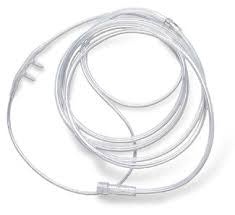
MedPro Nasal Cannula Soft Touch Child Style w/ 7 ft Tube

C$2.00
In stock online
In store: Check availability

Available in store

UPC Code: 775757055565
SKU: 705-556

The MedPro Nasal Cannula Soft Touch Child Style with 7 ft Tube is a disposable soft medical-grade vinyl pediatric nasal cannula with kink-resistant 7-foot tubing, over-ear fit, and universal connector for home and clinical oxygen therapies.

    • Why a Pediatric-Specific Cannula Matters for Children's Oxygen Therapy?

      A nasal cannula is a deceptively simple device — two short prongs, a connecting tube, and an over-ear and under-chin retaining loop — but its effective and comfortable performance depends critically on correct sizing for the patient's anatomy. Adult nasal prongs are dimensioned for the nostril aperture, septal width, and nares geometry of adult facial anatomy, and using an adult cannula on a pediatric patient creates a mismatch in nearly every critical dimension: the prongs are too wide for a child's narrower nares, the distance between the prongs exceeds the child's septal width and causes the outer prong edges to press against the alar cartilage, and the retaining loop is too long to secure properly under the smaller chin and over the smaller ears of a pediatric patient. The clinical consequence is a cannula that causes nasal discomfort and skin pressure at the nares margins, slides down the face during movement, and is consistently repositioned or removed by the child — creating the dislodgement pattern that undermines oxygen delivery consistency in pediatric home therapy and hospital care. A correctly sized pediatric cannula eliminates each of these fit problems through prong dimensions, inter-prong spacing, and retaining loop geometry designed specifically for the smaller facial anatomy of the child patient.

      The soft-touch medical-grade vinyl construction of the MedPro Child Style cannula addresses the second dimension of pediatric fit challenge: the sensitivity of pediatric nasal tissue to the sustained mechanical contact that long-term oxygen therapy requires. Children requiring supplemental oxygen — whether for congenital cardiac or pulmonary conditions, post-surgical recovery, respiratory syncytial virus bronchiolitis, or chronic lung disease of prematurity — often wear a nasal cannula for many hours per day over weeks to months. Standard medical-grade vinyl at conventional hardness produces visible nasal columellar pressure marks, nares margin erythema, and in prolonged use, mucosal irritation at the prong tips that makes the child resist cannula application. Soft-touch vinyl formulation reduces the durometer of the prong material while maintaining the structural integrity required to hold the prong shape and direct the oxygen flow into the nares rather than away from them — providing the conforming compliance that reduces pressure concentration at the nasal contact points during the head movements, facial expression changes, and positional shifts of normal childhood activity.

      The 7-foot kink-resistant tubing length of the MedPro Child Style cannula serves a specific functional purpose in the pediatric oxygen therapy environment that shorter tubing does not adequately support. Pediatric patients on home supplemental oxygen are not stationary — a child receiving oxygen therapy for a chronic condition lives in a home environment where mobility within a room, reaching for toys, shifting between a bed and floor play position, and transitioning between seated and recumbent positions all impose varying demands on the oxygen delivery tubing. A 4-foot or 6-foot tube restricts these activities by creating tension on the cannula whenever the child moves to the outer arc of the tube's reach, producing repeated dislodgement events that interrupt oxygen delivery and require caregiver reapplication throughout the day. The 7-foot length provides sufficient slack for the radius of activity that an active child in a standard bedroom or living area will typically occupy, reducing both dislodgement frequency and the tube tension forces that eventually fatigue and kink standard tubing at the bend zones near the prong connector. The kink-resistant formulation of the tubing maintains patent oxygen delivery through the full 7-foot length even when the tube is folded against itself during position changes that standard tubing would not survive with intact flow.

      The universal connector of the MedPro Child Style cannula is the interface component that determines which oxygen delivery equipment the cannula can be used with — and the universal 6 mm standard fitting accommodates the output port specifications of the oxygen concentrators, compressed oxygen cylinders, and liquid oxygen systems that homecare and institutional oxygen programs use. In the Canadian homecare oxygen delivery environment, where AADL-funded oxygen programs supply concentrators from multiple manufacturers — including equipment from DeVilbiss, Philips Respironics, AirSep, Invacare, and others — a universal-fit cannula eliminates the compatibility uncertainty that would arise from model-specific connectors. The clear tubing formulation allows visual inspection of the oxygen flow — caregivers can observe the flow of gas through the transparent tubing when the flow rate is adjusted and can identify obstructions or kinks at the connector junction by examining the tubing without disconnecting the system.

      Key Features

      • Pediatric-sized nasal prongs designed for the narrower nares, reduced septal width, and smaller facial geometry of child patients
      • Soft-touch medical-grade vinyl prong material reduces pressure concentration at the nares margin and nasal columella during extended wear
      • Kink-resistant 7-foot tubing provides the length required for active pediatric patient movement without dislodgement or flow interruption
      • Over-ear retaining loop scaled for pediatric head and ear dimensions to maintain cannula position during facial movement and activity
      • Universal 6 mm oxygen connector is compatible with concentrators, compressed cylinders, and liquid oxygen systems from all major manufacturers
      • Lightweight flexible tubing minimizes the pulling weight on the prong assembly that contributes to cannula displacement during movement
      • Clear tubing allows visual confirmation of oxygen flow and detection of obstructions without disconnecting the delivery system
      • Single-patient disposable construction eliminates cross-contamination risk and supports infection control in shared clinical environments

      Benefits

      • Correct pediatric sizing eliminates the nares pressure, alar cartilage contact, and retaining loop slippage that make adult cannulas uncomfortable and prone to dislodgement in children
      • Soft-touch vinyl prongs reduce nasal tissue irritation during the extended daily wear periods required for pediatric chronic oxygen therapy
      • 7-foot tube length supports normal childhood mobility within a room without generating cannula-dislodging tube tension during position changes
      • Kink-resistant tubing maintains uninterrupted oxygen flow through the bends and compressions of active pediatric patient movement
      • Universal connector allows use across the full range of homecare and clinical oxygen delivery equipment without compatibility assessment
      • Lightweight construction reduces the face-weight load that causes pediatric patients to resist or remove the cannula during extended wear
      • Clear tubing enables quick visual flow confirmation without system interruption during routine monitoring
      • Single-patient disposable format prevents cross-contamination and eliminates decontamination requirements between patients

      Clinical and Home Use Applications

      ✓ Pediatric home oxygen therapy for children with chronic lung disease, congenital heart disease, or chronic respiratory conditions on AADL or insurance-funded oxygen programs ✓ Hospital acute care supplemental oxygen delivery for pediatric patients post-surgery, during respiratory illness, or in respiratory support protocols ✓ Long-term care and rehabilitation settings providing supplemental oxygen to pediatric patients during extended inpatient stays ✓ Bronchiolitis and pneumonia management — supplemental oxygen delivery to infants and children during acute respiratory illness hospitalization ✓ Post-operative recovery oxygen therapy for pediatric surgical patients in hospital and day surgery recovery settings ✓ Paediatric palliative care — supplemental oxygen for comfort management in children with life-limiting conditions at home or in hospice ✓ Neonatal and infant oxygen support where larger adult-oriented pediatric cannulas remain oversized for the smallest patients ✓ Emergency and transport oxygen delivery when a correctly sized pediatric cannula is required for field or transport management ✓ Clinic and physician office supplemental oxygen — short-duration supplemental oxygen delivery during pediatric clinical procedures ✓ Sleep-time oxygen delivery for children with nocturnal desaturation where a comfortable, securely fitting cannula reduces overnight dislodgement ✓ Sports and activity oxygen supplementation for pediatric patients on continuous oxygen who require mobility during light activity ✓ Spare cannula inventory in homecare oxygen programs where cannula replacement is required at the weekly or monthly interval recommended by infection control guidelines

      Usage & Application

      Confirming the Child-Style Size is Appropriate Before applying the MedPro Child Style cannula, confirm the patient's age and facial anatomy match the pediatric size designation. Child-style cannulas are generally appropriate for patients from approximately 1 year to 12 years of age — however, the relevant criterion is facial anatomy rather than age, and some smaller adults with narrower nares or smaller facial geometry may fit a child-style cannula more comfortably than an adult style. For infants under 12 months, particularly premature infants, a neonatal cannula with even smaller prong dimensions may be more appropriate than the child style — confirm the prong diameter and inter-prong spacing against the patient's nares dimensions before regular use. For older children approaching adult facial size, trial both child and adult-style cannulas to determine which produces better fit, less pressure marking, and more consistent retention.

    • No reviews yet

      Add yours

    Testimonials from Google

    See all reviews

    Your cart — 0

    You cart is currently empty

    Login

    By using our website, you agree to the use of cookies. These cookies help us understand how customers arrive at and use our site and help us make improvements. Hide this message More on cookies »