
Slideshow Items

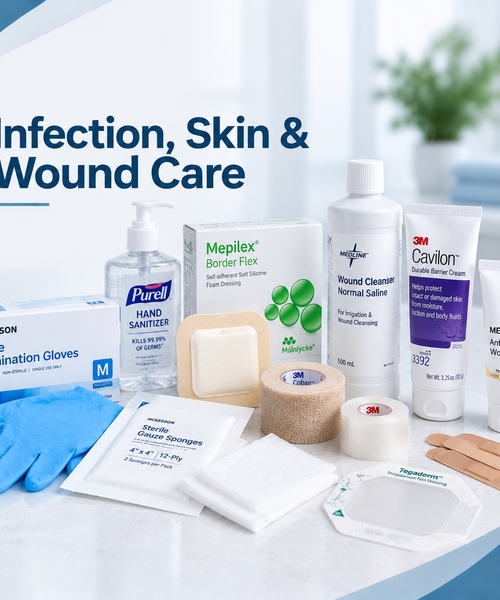
  • Infection, Skin & Wound Care
  • infection-skin-wound-care
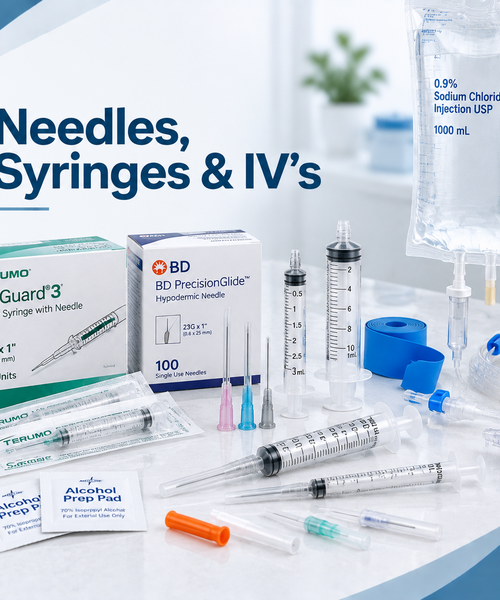
  • Needles, Syringes & IV's
  • needles-syringes-ivs
CMD-CompDress

  |  

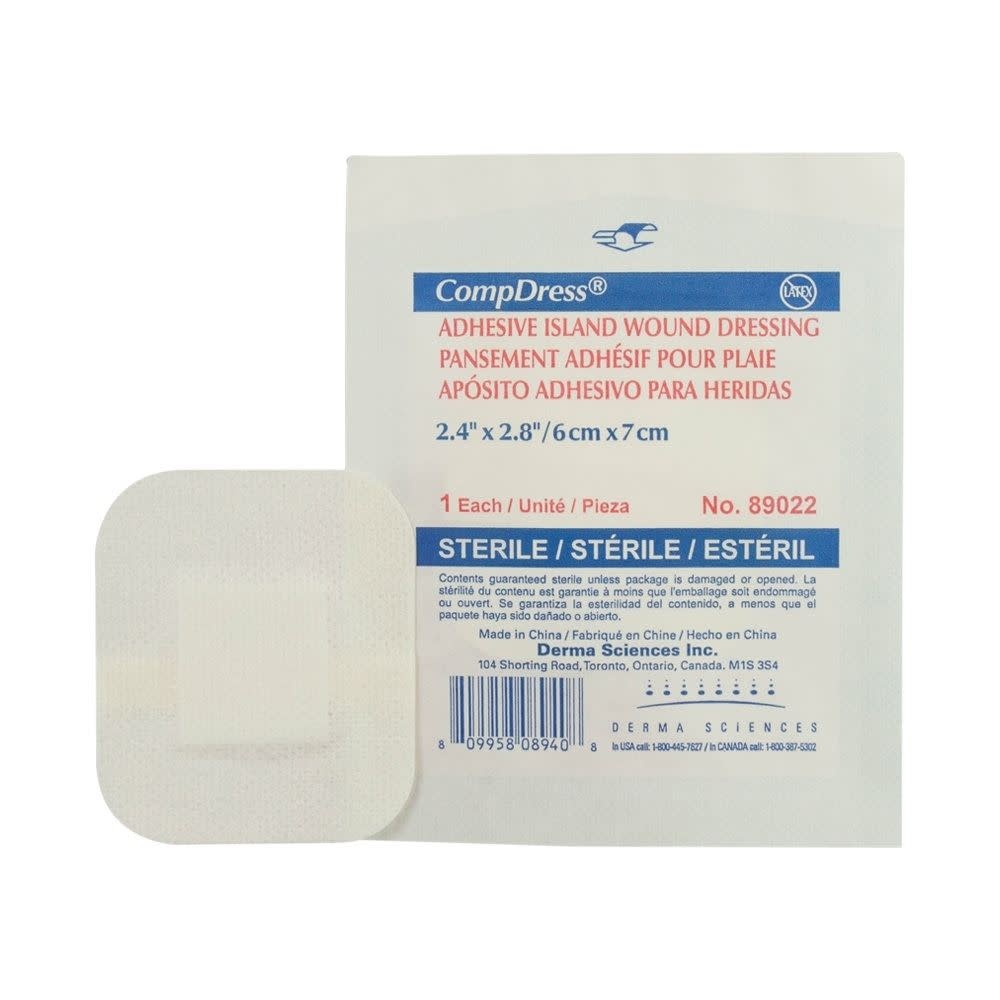
Derma Science Compdress Island Dressing, 4"X4" (10cm X 10cm) Sterile Singles

C$2.99
3+ Day Shipping
In store: Check availability

Available in store

SKU: 89044

CompDressIslanddressings deliver comprehensive wound protection with centralized absorbent pad managing exudate, adhesive border securing placement, 4" × 4" size covering moderate wounds, sterile packaging preventing contamination, soft conformable design

    • Why 4" × 4" Island Design with Absorbent Core and Adhesive Border for Versatile Wound Management

      The 4-inch × 4-inch (10 cm × 10 cm) overall dimension with centralized absorbent island pad provides the optimal coverage area for moderate-sized wounds including post-surgical incisions typically 2-6 cm in length, pressure ulcers in early stages measuring 3-8 cm diameter, skin tears and lacerations common in elderly or diabetic populations, and minor burn areas requiring protective coverage—this mid-size format accommodates the majority of acute and chronic wounds encountered in hospitals, clinics, and home healthcare settings without the waste of excessively large dressings or the inadequacy of smaller 2" × 2" options that leave wound margins exposed. The island dressing design with centralized absorbent pad surrounded by adhesive border delivers superior functionality compared to traditional gauze-and-tape methods: the absorbent core positioned directly over the wound manages exudate through vertical wicking that pulls moisture away from the wound bed preventing maceration while the non-absorbent adhesive perimeter creates a sealed environment protecting against external contamination from bacteria, water, and debris during activities of daily living including showering where traditional gauze would require elaborate waterproofing. The soft conformable construction with gentle skin-friendly adhesive enables secure attachment that withstands patient movement, clothing friction, and positional changes without the painful removal trauma associated with aggressive adhesives—particularly critical for fragile elderly skin, radiation-damaged tissue, or pediatric applications where adhesive-related skin stripping creates secondary wounds requiring additional treatment, while the flexibility allows the dressing to move with body contours maintaining intimate contact essential for absorption efficacy and preventing the fluid pooling that occurs when rigid dressings gap away from curved surfaces.

      Key Features & Benefits

      Key Features:

      • 4-inch × 4-inch (10 cm × 10 cm) overall size
      • Island dressing design:
        • Centralized absorbent pad (the "island")
        • Surrounded by adhesive border
      • Absorbent core for exudate management
      • Non-adherent contact layer (pad won't stick to wound)
      • Soft, conformable construction
      • Gentle skin-friendly adhesive border
      • Breathable backing
      • Cushioning protection
      • Sterile, individually packaged
      • Single-use, disposable design
      • Latex-free construction
      • Manufactured by Derma Science
      • Meets quality standards

      Benefits:

      • 4" × 4" versatile size covers moderate wounds
      • Appropriate for most common wound types
      • Island design all-in-one (no tape needed)
      • Absorbent pad positioned over wound
      • Adhesive border secures dressing
      • Faster application than gauze-and-tape
      • Absorbent core manages exudate
      • Prevents wound bed maceration
      • Non-adherent pad protects wound (no trauma on removal)
      • Won't stick to healing tissue
      • Gentle adhesive reduces skin trauma
      • Secure attachment withstands movement
      • Conformable to body contours
      • Maintains contact during movement
      • Cushioning provides comfort and protection
      • Breathable prevents moisture buildup
      • Waterproof or water-resistant (product-dependent)
      • May shower with dressing (verify product specs)
      • Sterile packaging ensures infection control
      • Individual packs prevent contamination
      • Easy to use in clinical and home settings

      Clinical Applications

      Derma Science CompDress Island Dressing 4" × 4" is appropriate for:

      Post-surgical incisions (clean, closed wounds) ✓ Abrasions and skin tearsLacerations (sutured or healing) ✓ Pressure ulcers (Stage I-II, shallow Stage III) ✓ Venous leg ulcersDiabetic foot ulcers ✓ Skin graft donor sites ✓ Skin graft recipient sites ✓ Minor burns (first-degree, superficial second-degree) ✓ Blisters ✓ IV catheter sites (after removal) ✓ Central line insertion sites ✓ Drain sites ✓ Wound dehiscence (partial, superficial) ✓ Excision sites (mole removal, biopsy) ✓ Abscesses (post-drainage) ✓ Any clean wound with light to moderate exudate ✓ Wounds requiring protection from contamination

      Usage & Application

      IMPORTANT: For external use only. Use under healthcare provider guidance for wound care.

      Pre-Application Assessment:

      1. Assess wound:
        • Type and stage
        • Size (ensure 4" × 4" adequate)
        • Exudate level (light to moderate appropriate)
        • Infection signs (if infected, may need different treatment)
        • Wound bed condition
      2. Determine appropriateness:
        • Island dressings appropriate for:
          • Clean wounds
          • Light to moderate exudate
          • Wounds requiring protection
        • NOT appropriate for:
          • Heavy exudate (needs more absorbent dressing)
          • Deep wounds (may need packing)
          • Infected wounds (unless directed by provider)
          • Fragile skin unable to tolerate adhesive
      3. Gather supplies:
        • CompDress Island Dressing 4" × 4"
        • Gloves (sterile if indicated)
        • Normal saline or wound cleanser
        • Gauze for cleaning
        • Scissors (if needed)
        • Waste bag
      4. Hand hygiene and don gloves

      Wound Preparation:

      1. Clean wound:
        • Follow wound care protocol
        • Irrigate or clean with normal saline
        • Pat dry gently with gauze
        • Wound bed should be clean before dressing
      2. Dry surrounding skin:
        • Critical for adhesive adherence
        • Pat periwound skin completely dry
        • Adhesive won't stick to moist skin

      Application:

      1. Open package:
        • Peel open sterile package
        • Do NOT touch adhesive or pad surfaces
        • Handle by outer edges only
      2. Remove release paper:
        • CompDress has protective paper over adhesive
        • Carefully peel away release paper
        • Expose adhesive border
        • Some dressings have split liner (peel in sections)
      3. Position dressing:
        • Center absorbent pad directly over wound
        • Ensure wound completely covered
        • Pad should extend 1-2 cm beyond wound edges
        • Adhesive border should rest on intact skin
      4. Apply dressing:
        • Start at one edge
        • Gently press adhesive border onto skin
        • Smooth outward from center (prevents wrinkles, air pockets)
        • Work around perimeter
        • Press firmly but gently along all adhesive edges
        • Ensure complete contact
      5. Smooth and secure:
        • Run fingers along borders
        • Press out any air bubbles
        • Ensure no gaps or lifted edges

      Post-Application:

      1. Assess application:
        • Dressing centered over wound
        • Adhesive fully adhered
        • No wrinkles or gaps
        • Patient comfortable
      2. Document:
        • Dressing type and size
        • Date and time applied
        • Wound assessment
        • Patient tolerance
      3. Patient education:
        • Keep dressing clean and dry (unless waterproof)
        • Don't remove unless instructed
        • Report signs of infection or problems
        • When to expect dressing change

      Dressing Change Frequency:

      Typical schedule:

      • Every 1-7 days depending on:
        • Exudate level
        • Wound type
        • Healthcare provider orders
        • Product manufacturer recommendations

      Change dressing if:

      • Saturated with exudate
      • Leaking
      • Edges lifting or loose
      • Soiled or contaminated
      • Signs of infection
      • Scheduled change time reached

      Removal:

      1. Prepare:
        • Hand hygiene and gloves
        • Gather new supplies
      2. Remove dressing:
        • Gently lift one corner
        • Pull back slowly parallel to skin (not upward)
        • Support skin with other hand
        • If resistant:
          • Moisten with saline to loosen adhesive
          • Use adhesive remover if available
          • Don't force (causes skin trauma)
      3. Assess wound:
        • Check healing progress
        • Measure if indicated
        • Note exudate amount and type
        • Check for infection signs
      4. Clean wound:
        • Per wound care protocol
        • Prepare for new dressing
      5. Dispose:
        • Place used dressing in waste bag
        • Follow facility waste protocols

      Special Techniques:

      Showering with dressing:

      • Verify product is waterproof/water-resistant
      • If waterproof: Can shower normally
      • If water-resistant: Quick shower acceptable
      • Pat dry after
      • Check edges after shower (may need reinforcement)

      Securing loosened edges:

      • Medical tape over lifting edges
      • Frame with additional tape
      • Or change dressing if significantly loose

      Wounds near joints:

      • Apply with joint in neutral or slightly flexed position
      • Dressing will flex with movement
      • May need more frequent changes (movement loosens adhesive)

      Troubleshooting:

      Adhesive won't stick:

      • Skin may be moist (dry thoroughly before application)
      • Oily skin (clean with alcohol, allow to dry)
      • Hairy skin (may need trimming—NOT shaving)

      Dressing edges lifting:

      • Secure with medical tape
      • Frame technique: Tape around all edges
      • May need to change if significantly lifted

      Excessive exudate soaking through:

      • Wound producing more fluid than dressing can handle
      • Need more absorbent dressing
      • More frequent changes
      • Consult provider

      Adhesive causing skin irritation:

      • Redness around adhesive border
      • May have adhesive sensitivity
      • Consider silicone-based adhesive dressings
      • Protect skin with barrier film before application
      • Consult provider

      Pad sticking to wound:

      • Should not happen (non-adherent pad)
      • If occurs: Moisten with saline before removal
      • May indicate wrong dressing type
      • Consult provider

      Dressing uncomfortable:

      • May be too tight or positioned incorrectly
      • Remove and reapply
      • Ensure smooth application

      Special Considerations:

      Post-surgical wounds:

      • Island dressings ideal for clean closed incisions
      • Protects from contamination
      • Absorbs minimal drainage
      • Easy to apply over sutures/staples
      • Change per surgical protocol (often 24-48 hours initially)

      Pressure ulcers:

      • Appropriate for Stage I-II
      • Shallow Stage III may be appropriate
      • NOT for deep Stage III or Stage IV (need advanced dressings)
      • Position to avoid pressure on dressing

      Diabetic foot ulcers:

      • Protects from trauma and contamination
      • Monitor closely for infection
      • Offloading essential (dressing alone insufficient)
      • Frequent assessment

      Skin tears (elderly):

      • Very gentle adhesive important
      • Fragile skin tears easily
      • Remove very carefully
      • Consider silicone adhesive dressings

      Pediatric patients:

      • Size appropriate for most pediatric wounds
      • Colorful tape may help secure edges (child distraction)
      • Teach child not to pick at dressing
      • Parent education critical

      Geriatric patients:

      • Fragile skin (gentle adhesive, careful removal)
      • May have reduced healing
      • Monitor closely
      • Clear instructions for caregivers

      Home healthcare:

      • Teach application and removal
      • Demonstrate technique
      • Provide written instructions
      • Ensure adequate supply
      • Schedule follow-up

      Athletes:

      • Protects wounds during activity
      • May need additional tape to secure
      • Change after sweaty activities
      • Waterproof versions for swimming

      Infection Control:

      • Aseptic technique for application
      • Clean or sterile gloves per protocol
      • Dispose of used dressings properly
      • Hand hygiene before and after
      • Watch for infection signs:
        • Increasing redness, warmth
        • Purulent drainage
        • Increased pain
        • Fever
        • Red streaks

      Storage:

      • Store in cool, dry place
      • Keep in original packaging until use
      • Protect from moisture
      • Check expiration dates
      • Rotate stock using FIFO
      • Typical shelf life 2-5 years

      Advantages of Island Dressings:

      vs. Gauze and Tape:

      • Island advantages:
        • All-in-one (faster application)
        • Better absorption
        • Better protection (sealed edges)
        • More comfortable
        • Waterproof/water-resistant
      • Gauze disadvantages:
        • Requires separate tape
        • Slower application
        • May shift or loosen
        • Not waterproof

      vs. Advanced Wound Dressings (foam, hydrocolloid):

      • Island advantages:
        • Less expensive
        • Adequate for many wounds
        • Easy to use
      • Advanced dressing advantages:
        • Better for heavy exudate
        • Longer wear time
        • Better for chronic wounds

      4" × 4" vs. Other Sizes:

      • Appropriate for: Most moderate wounds
      • Too small for: Large surgical wounds, extensive burns
      • Too large for: Very small wounds (use 2" × 2")

      When to Contact Provider:

      • Signs of infection
      • Wound not healing
      • Increased pain
      • Excessive drainage
      • Dressing constantly saturated
      • Allergic reaction to dressing
      • Questions about wound care

      Technical Specifications

      Product Details:

      • Brand: Derma Science CompDress
      • Product Type: Sterile island wound dressing
      • Overall Size: 4 inches × 4 inches (10 cm × 10 cm)
      • Pad Size: Approximately 2" × 2" (center absorbent island—exact size may vary)
      • Adhesive Border: Surrounding absorbent pad
      • Absorbent Core: Wicking material for exudate management
      • Pad Contact Layer: Non-adherent (won't stick to wound)
      • Adhesive Type: Gentle, skin-friendly (acrylic or similar)
      • Backing: Soft, conformable, breathable
      • Waterproof: Verify specific product (may be waterproof or water-resistant)
      • Sterility: Sterile until opened
      • Packaging: Individual sterile pack per dressing
      • Latex Content: Latex-free
      • Intended Use: External wound coverage and protection
      • Exudate Level: Light to moderate
      • Patient Population: All ages
      • Single Use: Disposable, do not reuse
      • Shelf Life: Check expiration date (typically 2-5 years)
      • Storage: Cool, dry place
      • Regulatory Status: Medical device (verify specific regulatory clearances)
    • No reviews yet

      Add yours

    Testimonials from Google

    See all reviews

    Your cart — 0

    You cart is currently empty

    Login