
Why 7.5% Povidone-Iodine in Liquid Scrub Formulation for Mechanical and Chemical Antisepsis
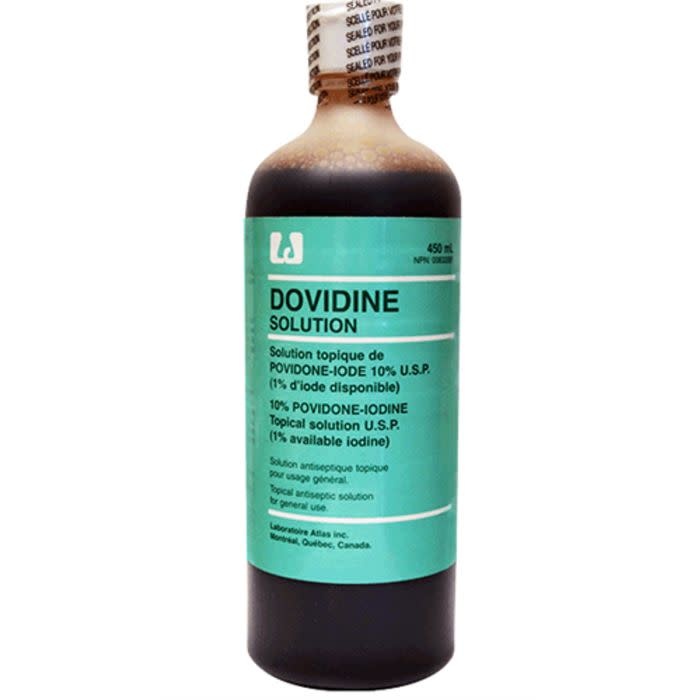
The 7.5% povidone-iodine concentration in detergent-based scrub formulation provides dual-action antisepsis combining mechanical cleansing with chemical antimicrobial effectiveness—the liquid soap base enables physical removal of skin oils, dirt, debris, and transient microorganisms through friction scrubbing action while simultaneously delivering sustained-release iodine that penetrates biofilms, disrupts microbial cell membranes, and inactivates bacterial proteins achieving comprehensive surface decontamination superior to either mechanical or chemical antisepsis alone, particularly critical for preoperative skin preparation where resident flora deep in hair follicles and sebaceous glands must be eliminated to prevent surgical site infections. The scrub formulation's surfactant properties create lathering action that enhances coverage uniformity during application while emulsifying lipid-rich skin secretions that protect microorganisms from contact with antimicrobial agents—this detergent activity proves especially valuable for surgical hand scrubs where removal of accumulated oils, lotions, and organic material from healthcare workers' hands creates the clean surface essential for effective antimicrobial penetration, and for preoperative patient skin preparation in areas with high sebaceous gland density like the face, chest, and back where oily skin conditions would otherwise reduce antiseptic contact. The 450 mL bottle size provides adequate volume for multiple applications supporting surgical suites performing dozens of daily procedures, emergency departments managing continuous patient flow requiring frequent catheter insertions and minor procedures, dialysis centers preparing multiple vascular access sites per shift, and clinic settings where bulk packaging reduces restocking frequency and per-procedure costs compared to single-use packets, while the liquid pump or pour format enables flexible application techniques including direct skin application with scrub brush for large surgical sites, hand scrubbing at sinks for surgical team preparation, and sponge application for localized procedural areas.
Key Features & Benefits
Key Features:
- 7.5% USP povidone-iodine (PVP-I) concentration
- Liquid detergent surgical scrub formulation
- Soap-based lathering action
- 450 mL bottle
- Pour or pump dispenser (product-dependent)
- Broad-spectrum antimicrobial:
- Bactericidal (gram-positive and gram-negative)
- Fungicidal
- Virucidal
- Some sporicidal activity
- Surfactant properties for mechanical cleansing
- Orange-brown iodine solution
- Multiple application methods
- For external use on intact skin
- Rinse-off formulation
- Meets USP standards
Benefits:
- Dual action: Mechanical + chemical antisepsis
- Physical removal of dirt, oils, microbes
- Antimicrobial iodine action
- More effective than either alone
- Lathering formula enhances coverage
- Removes skin oils that protect microbes
- Versatile multi-purpose use:
- Preoperative skin prep
- Surgical hand scrub
- Pre-procedure site preparation
- Catheter site cleaning
- 450 mL supports multiple applications
- Cost-effective for high-volume settings
- Reduces restocking frequency
- Flexible application techniques
- Can use with brush, sponge, or hands
- Trusted iodine antiseptic
- Broad-spectrum antimicrobial protection
- Visible orange-brown confirms application
Clinical Applications
Povidone-Iodine 7.5% Surgical Scrub is appropriate for:
✓ Preoperative patient skin preparation ✓ Surgical hand scrub (healthcare workers) ✓ Pre-procedure skin antisepsis: ✓ IV catheter insertion ✓ Central line placement ✓ Arterial line insertion ✓ Dialysis access preparation ✓ Urinary catheter insertion ✓ Drain site preparation ✓ Minor surgical procedures ✓ Incision and drainage site prep ✓ Biopsy site preparation ✓ Wound edge cleansing (intact periwound skin) ✓ Burn site preparation (intact areas) ✓ Hand antisepsis (healthcare workers) ✓ Routine clinical antiseptic cleansing ✓ Emergency department procedures ✓ Operating room skin preparation ✓ Labor and delivery antisepsis
Usage & Application
IMPORTANT: For external use only on intact skin. Rinse thoroughly after use. Do NOT ingest.
Pre-Use Assessment:
- Check patient for contraindications:
- Iodine allergy (absolute contraindication)
- Shellfish allergy (controversial—most can use iodine)
- Thyroid disease (repeated use concerns)
- Pregnancy (generally avoid, especially repeated use)
- Neonates <32 weeks (thyroid risk)
- History of povidone-iodine reaction
- Verify appropriate use:
- Application to intact skin
- Scrub formulation requires rinsing
- Alternative antiseptics considered if contraindicated
- Determine application type:
- Preoperative patient skin prep
- Surgical hand scrub
- Pre-procedure site preparation
- Wound edge cleansing
Preoperative Patient Skin Preparation:
Purpose:
- Remove transient and resident microorganisms
- Prevent surgical site infections
Procedure:
- Prepare area:
- Remove clothing from surgical site
- Position patient appropriately
- Protect surrounding areas (drapes, towels)
- Initial cleansing:
- Remove gross contamination first
- May use soap and water for initial cleaning
- Dry thoroughly
- Apply povidone-iodine scrub:
- Pour onto sterile sponge or gauze
- OR apply directly to skin (small amounts)
- Begin at incision site
- Scrub in circular motion outward
- Use gentle but firm pressure
- Cover entire surgical field:
- Typically 6-12 inches beyond incision
- Include draping area
- Scrub for 2-5 minutes (minimum 2 minutes)
- Create good lather
- Reapply scrub as needed
- Rinse thoroughly:
- Use sterile water or saline
- Remove all scrub solution
- Work from incision site outward
- Complete removal critical
- Dry:
- Pat dry with sterile towels
- Work from center outward
- Follow with paint application (if protocol):
- Many protocols use scrub followed by paint
- Apply povidone-iodine paint (non-detergent)
- Allow to dry
Surgical Hand Scrub (Healthcare Workers):
Purpose:
- Remove transient microorganisms
- Reduce resident hand flora
- Provide sustained antimicrobial activity
Procedure:
- Remove jewelry:
- Rings, watches, bracelets
- Cannot adequately scrub under jewelry
- Wet hands and forearms:
- Use warm water
- Wet to elbows
- Apply povidone-iodine scrub:
- Dispense 5-10 mL into palm
- Begin systematic scrub:
- Nails (use nail cleaner initially)
- Fingers (all surfaces, between fingers)
- Hands (palms, backs)
- Wrists
- Forearms to elbows
- Use friction (vigorous scrubbing)
- Scrub time:
- Traditional: 5 minutes for first scrub of day
- Subsequent scrubs: 2-3 minutes
- Follow facility protocol
- Rinse thoroughly:
- Hold hands higher than elbows
- Rinse from fingertips to elbows
- Water flows away from hands
- Remove all scrub solution
- Dry:
- Sterile towel
- Pat dry from hands to elbows
- Do NOT touch anything non-sterile
- Don sterile gown and gloves
Pre-Procedure Site Preparation:
IV catheter, central line, etc.:
- Apply scrub to site:
- Small amount on gauze or sponge
- Scrub in circular motion
- 30-60 seconds friction
- Rinse with sterile water or saline:
- Dry:
- Follow with antiseptic paint (often):
- Povidone-iodine paint or chlorhexidine
- Allow to dry before procedure
Wound Edge Cleansing:
- For intact skin around wounds only
- Do NOT apply to wound bed (scrub delays healing)
- Apply to periwound skin:
- Gentle scrubbing
- Remove debris and bacteria from intact skin
- Rinse thoroughly
- Dry before dressing
Post-Application Care:
- Dispose of used materials:
- Sponges, gauze in appropriate waste
- Hand hygiene
- Document:
- Skin prep performed
- Product used (povidone-iodine 7.5% scrub)
- Site and extent
Storage and Handling:
Storage:
- Store at room temperature
- Protect from freezing
- Keep bottle tightly closed
- Avoid excessive heat
Dispensing:
- Use clean technique
- Do NOT contaminate bottle opening
- Pour or pump controlled amounts
- Recap immediately after use
Shelf Life:
- Check expiration date
- Typically 2-3 years
- Discard if expired
Troubleshooting:
Excessive staining:
- Normal (iodine stains)
- Rinse thoroughly to minimize
- Can remove residual stain with alcohol
Skin irritation:
- May indicate sensitivity
- Discontinue use
- Rinse thoroughly
- Use alternative antiseptic
- Report to supervisor
Inadequate lathering:
- May need more product
- Ensure adequate water present
- Friction helps create lather
Solution appears cloudy:
- May indicate contamination or degradation
- Discard and use new bottle
Special Considerations:
Neonates and infants:
- Use with extreme caution
- Avoid in premature <32 weeks (thyroid risk)
- Iodine absorbed through skin
- Rinse extremely thoroughly
- Remove all residue immediately after use
- Prefer chlorhexidine alternative
Pediatric patients:
- Generally safe for older children
- Watch for sensitivity
- Rinse thoroughly
Pregnant patients:
- Generally avoid if possible
- Iodine crosses placenta
- Can affect fetal thyroid
- Use chlorhexidine alternative
- If must use: Rinse thoroughly immediately
Patients with thyroid disease:
- Iodine absorption can affect function
- Minimize repeated applications
- Rinse thoroughly
- Consider alternative
Iodine allergy:
- Absolute contraindication
- Use chlorhexidine or alcohol
- Verify allergy before use
Burns or broken skin:
- Scrub only intact periwound skin
- Do NOT use on wound bed or burns
- Delays healing
- Can cause tissue damage
Mucous membranes:
- Generally avoid (irritating)
- Use only if specifically formulated for this
Before electrocautery:
- Rinse and dry completely
- Residual scrub + alcohol = fire risk
- Ensure no pooling
Large surface areas:
- Be aware of iodine absorption risk
- Especially in children, thin patients
- Rinse thoroughly
Infection Control:
- Use aseptic technique
- Do NOT contaminate bottle
- Do NOT pour back unused scrub
- Single patient use for poured amounts
- Recap bottle immediately
Advantages:
Scrub vs. Paint (non-detergent) Povidone-Iodine:
- Scrub advantages:
- Mechanical cleansing (removes oils, dirt)
- Lathers for better coverage
- Better for dirty/oily skin
- Good for preoperative prep
- Paint advantages:
- No rinsing required
- Faster application
- Residual antimicrobial on skin
- Often use both: Scrub first, then paint
Povidone-Iodine vs. Chlorhexidine Scrub:
- Povidone-iodine advantages:
- Broader spectrum (includes spores)
- Lower cost
- Long clinical history
- Chlorhexidine advantages:
- Longer residual activity
- Better for central lines (per guidelines)
- Less irritating
- Safe in neonates
450 mL Bottle vs. Single-Use:
- 450 mL advantages:
- Cost-effective for high-volume
- Multiple applications per bottle
- Reduces waste
- Convenient for OR, ED
- Single-use advantages:
- No contamination risk
- Portable
- Pre-measured
When to Contact Provider:
- Patient develops allergic reaction
- Severe skin irritation
- Signs of infection after procedure
- Questions about use
Regulatory and Professional Guidelines:
CDC:
- Recommend chlorhexidine over iodine for central lines
- Povidone-iodine acceptable alternative
AORN (Association of periOperative Registered Nurses):
- Support use for preoperative skin prep
- Recommend following manufacturer instructions
FDA:
- Approved for skin antisepsis
Technical Specifications
Product Details:
- Product Type: Surgical scrub solution
- Active Ingredient: Povidone-iodine (PVP-I) 7.5% USP
- Formulation: Liquid detergent scrub
- Base: Surfactant/soap solution
- Volume: 450 mL per bottle
- Container: Plastic bottle with cap or pump
- Antimicrobial Spectrum:
- Bactericidal (gram-positive and gram-negative)
- Fungicidal
- Virucidal
- Some sporicidal activity
- Kill Time: 2-5 minutes scrub contact
- Application: External skin only
- Rinse: Required (rinse-off formulation)
- Color: Orange-brown solution
- pH: Approximately 5.0-7.0
- Lathering: Yes (detergent-based)
- Intended Use:
- Preoperative skin preparation
- Surgical hand scrub
- Pre-procedure site antisepsis
- Wound edge cleansing
- Application Site: Intact skin (external use only)
- Shelf Life: Check expiration (typically 2-3 years)
- Storage: Room temperature, protect from freezing
- Regulatory Status: FDA-approved antiseptic