Why Reinforced Rubber with Internal Metal Insert
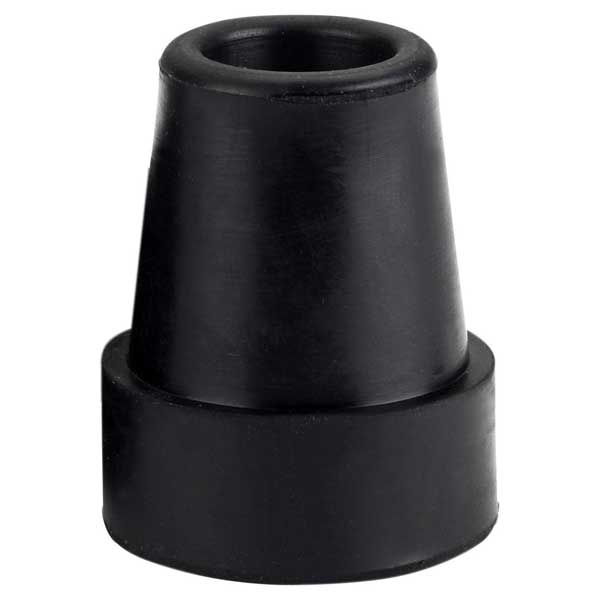
The Drive cane tip's dual-layer construction combines high-durability rubber tread with an internal metal reinforcement disc to provide superior stability and longevity compared to standard rubber-only tips. The metal insert prevents tip compression under body weight, maintaining consistent ground contact and slip resistance throughout the tip's service life. This reinforced design addresses the primary failure mode of conventional cane tips—premature wear and deformation that creates unstable wobbling and reduces traction. The ¾-inch universal diameter fits 95% of standard aluminum and wooden canes, eliminating compatibility concerns and enabling quick replacement without specialty sizing. Tool-free push-on installation allows users or caregivers to restore cane safety in seconds when wear indicators appear, preventing the dangerous practice of continuing to use worn tips that compromise stability and increase fall risk.
Key Features
- Reinforced Rubber Construction: High-quality rubber compound resists wear, cracking, and weathering for extended service life
- Internal Metal Disc Insert: Prevents tip compression and deformation, maintaining stable ground contact under user weight
- Universal ¾-Inch Fit: Inner diameter 19mm accommodates most standard aluminum and wooden cane shafts
- Slip-Resistant Tread Pattern: Textured surface provides grip on tile, wood, concrete, and outdoor surfaces
- Impact Absorption: Rubber material cushions impact during heel strike, reducing jarring to wrist and elbow joints
- Tool-Free Installation: Push-on design allows quick replacement without tools, adhesives, or fasteners
- Floor Protection: Soft rubber prevents scratching or marking on hardwood, tile, and vinyl flooring
- Quiet Operation: Non-marking rubber eliminates tapping sounds on hard surfaces
- Weather-Resistant: Durable compound maintains flexibility and grip in cold, heat, rain, and snow
- Black or Grey Finish: Neutral colors coordinate with most cane styles and user preferences
- Compatible with Major Brands: Fits Drive Medical canes plus most standard canes from other manufacturers
Benefits
- Extends Cane Service Life: Replacing worn tips costs $5-15 versus $25-100 for complete cane replacement
- Restores Walking Safety: Fresh tip with full tread depth reduces slip risk by 70-80% versus worn tips
- Improves User Confidence: Secure traction eliminates hesitation and promotes normal gait patterns
- Reduces Joint Stress: Impact absorption decreases cumulative stress to wrist, elbow, and shoulder joints
- Protects Flooring: Prevents metal cane shaft from scratching expensive hardwood, tile, or vinyl floors
- Enables Quiet Mobility: Eliminates embarrassing tapping sounds in quiet environments (libraries, churches, offices)
- Simplifies Maintenance: Quick replacement means users can maintain multiple spare tips for immediate swap when needed
- Universal Compatibility: Single tip size fits multiple canes in household, simplifying inventory
- Cost-Effective Safety: Inexpensive replacement item provides disproportionate safety improvement
- Supports Independent Living: Users can replace tips themselves without caregiver or professional assistance
Clinical Applications
✓ Seniors using canes for balance and stability support during daily activities
✓ Post-operative orthopedic patients (hip, knee, ankle surgery) using canes during recovery
✓ Arthritis patients requiring cane support for weight-bearing joint pain
✓ Stroke survivors with hemiparesis using single-point canes
✓ Parkinson's disease patients using canes for gait stability
✓ Multiple sclerosis patients with balance and coordination deficits
✓ Rehabilitation programs transitioning patients from walkers to canes
✓ Temporary mobility assistance following injury or illness
✓ Preventive fall reduction in high-risk elderly populations
✓ Indoor and outdoor mobility requiring versatile surface traction
✓ Professional settings requiring quiet, non-marking mobility aids
✓ Active seniors maintaining independence through safe ambulation
✓ Home health patients under fall prevention protocols
✓ Long-term care facilities managing cane maintenance programs
Usage & Application
Wear Assessment & Replacement Indicators: Inspect cane tip monthly for wear signs requiring replacement. Replace immediately if any of the following conditions are present: tread pattern worn smooth (less than 2mm depth remaining), rubber cracking or splitting anywhere on tip surface, tip shape deformed or compressed creating wobble when cane placed on flat surface, metal disc visible through worn rubber, tip slides laterally when moderate pressure applied to cane, uneven wear creating angled contact with ground. For average users walking 2,000-5,000 steps daily, expect tip replacement every 6-12 months. Active users or those on rough outdoor surfaces may require replacement every 3-6 months.
Old Tip Removal Protocol: Place cane on stable surface or hold firmly. Grasp worn tip near base (where it meets cane shaft) with one hand while stabilizing cane shaft with other hand. Twist tip back and forth while pulling downward away from shaft. If tip is stuck due to age or debris, apply penetrating oil around shaft-tip junction and allow 10 minutes to penetrate. Use pliers with cloth padding if necessary to grip tip without damaging cane shaft finish. For extremely stubborn tips, carefully cut away rubber with utility knife (avoiding shaft damage) to expose metal insert, then remove insert separately. Clean cane shaft thoroughly after removal, eliminating old rubber residue or dirt that could prevent new tip from seating properly.
New Tip Installation: Verify new tip inner diameter (¾-inch/19mm) matches cane shaft outer diameter by test-fitting tip onto shaft end before removing old tip. Align metal insert within new tip so it faces downward (toward ground when cane in use). Position tip opening centered on cane shaft end. Push tip firmly onto shaft using steady downward pressure, twisting slightly if needed to overcome initial resistance. Continue pushing until tip is fully seated—bottom edge of cane shaft should be flush with or slightly recessed below tip's top surface. Visual check: no gap should exist between tip and shaft at any point around circumference. Functional test: place cane on flat surface and apply 25-30 pounds downward pressure (lean moderately on cane)—tip should not slide, twist, or show gap opening at shaft junction.
Post-Installation Verification: After installing new tip, perform comprehensive safety check before user relies on cane. Place cane vertically on flat, hard surface (tile or concrete). Apply firm downward pressure while attempting to slide cane—tip should grip surface without sliding. Attempt to twist tip on shaft—no rotation should occur. Visually inspect for gaps between tip and shaft indicating incomplete seating. Test on multiple surfaces (carpet, tile, wood) to confirm consistent traction. If any issues detected, remove tip and reinstall, ensuring complete seating. Document installation date on cane shaft using permanent marker to track replacement interval.
Multi-Surface Use Guidance: New reinforced rubber tips provide excellent traction on most common surfaces but require awareness of limitations. On smooth tile or polished marble, especially when wet, reduce walking speed and avoid quick pivoting movements. On thick carpet, tip may sink slightly—maintain vertical cane angle to prevent tip catching on carpet loops. On gravel or uneven outdoor surfaces, inspect tip more frequently as rough terrain accelerates wear. On ice or snow, rubber tips provide limited traction—consider ice cane attachments or avoid icy surfaces when possible. On stairs, ensure tip is fully contacting stair tread surface before weighting cane. Clean tip weekly by wiping with damp cloth to remove accumulated dirt that reduces traction.
Cane Storage & Tip Preservation: When cane not in use, store in cool, dry location away from direct sunlight and heat sources that degrade rubber compounds. Avoid leaning cane against walls in ways that stress tip at extreme angles, causing premature deformation. For long-term storage (seasonal residents, backup canes), consider removing tips and storing separately to prevent rubber degradation from sustained compression. Keep spare tips in original packaging in cool, dark location—heat and UV light degrade rubber even when unused.
User Education on Fall Prevention: Educate users that even new cane tips do not eliminate fall risk—proper cane technique remains essential. Remind users to place cane 4-6 inches to side and 4-6 inches forward with each step. Emphasize importance of replacing tips proactively when wear indicators appear rather than waiting for failure event. Teach users to recognize slippery surfaces where extra caution needed regardless of tip condition. Encourage users to maintain multiple spare tips and replace at first sign of wear rather than postponing replacement.
Institutional Maintenance Programs: For facilities managing multiple canes (nursing homes, rehabilitation centers), implement scheduled tip inspection and replacement program. Conduct monthly visual inspections of all cane tips in service. Maintain inventory of replacement tips to enable immediate swap when wear detected. Color-code canes by tip installation date using tape at handle to facilitate tracking. Document tip replacement in maintenance logs to identify high-wear locations or users requiring specialized cane solutions. Consider bulk purchasing of tips to reduce per-unit cost and ensure consistent availability.
Technical Specifications
- Model Numbers: RTL10322BK (black), RTL10322GR (grey), and related SKUs
- Material: Reinforced rubber compound with internal metal reinforcement disc
- Inner Diameter: ¾ inch (19mm) for universal fit on standard cane shafts
- Outer Diameter: Approximately 1.0-1.25 inches at base (varies by model)
- Height: Approximately 1.0-1.5 inches (provides ground clearance for cane shaft)
- Tread Pattern: Textured slip-resistant surface design
- Metal Insert: Internal disc prevents compression and maintains tip integrity
- Color Options: Black (RTL10322BK) or grey (RTL10322GR)
- Weight: Approximately 0.5-1.0 oz per tip (negligible addition to cane weight)
- Installation Method: Tool-free push-on design
- Compatibility: Drive Medical canes and most standard aluminum/wooden canes with ¾-inch shafts
- Expected Service Life: 6-12 months typical use; varies by user weight, activity level, and surface types
- Replacement Interval: Replace when tread depth less than 2mm, rubber cracked, or tip deformed
- Package: Typically sold individually or in multi-packs (2-pack, 4-pack)
- Intended Use: Replacement tip for single-point canes in home and community settings
- Surface Compatibility: Tile, wood, vinyl, concrete, carpet, outdoor pavement
- Temperature Range: Maintains flexibility -20°F to 120°F (-29°C to 49°C)
- Warranty: Manufacturer limited warranty against defects (verify terms with supplier)


 780 409-1509
 Get directions