Slideshow Items

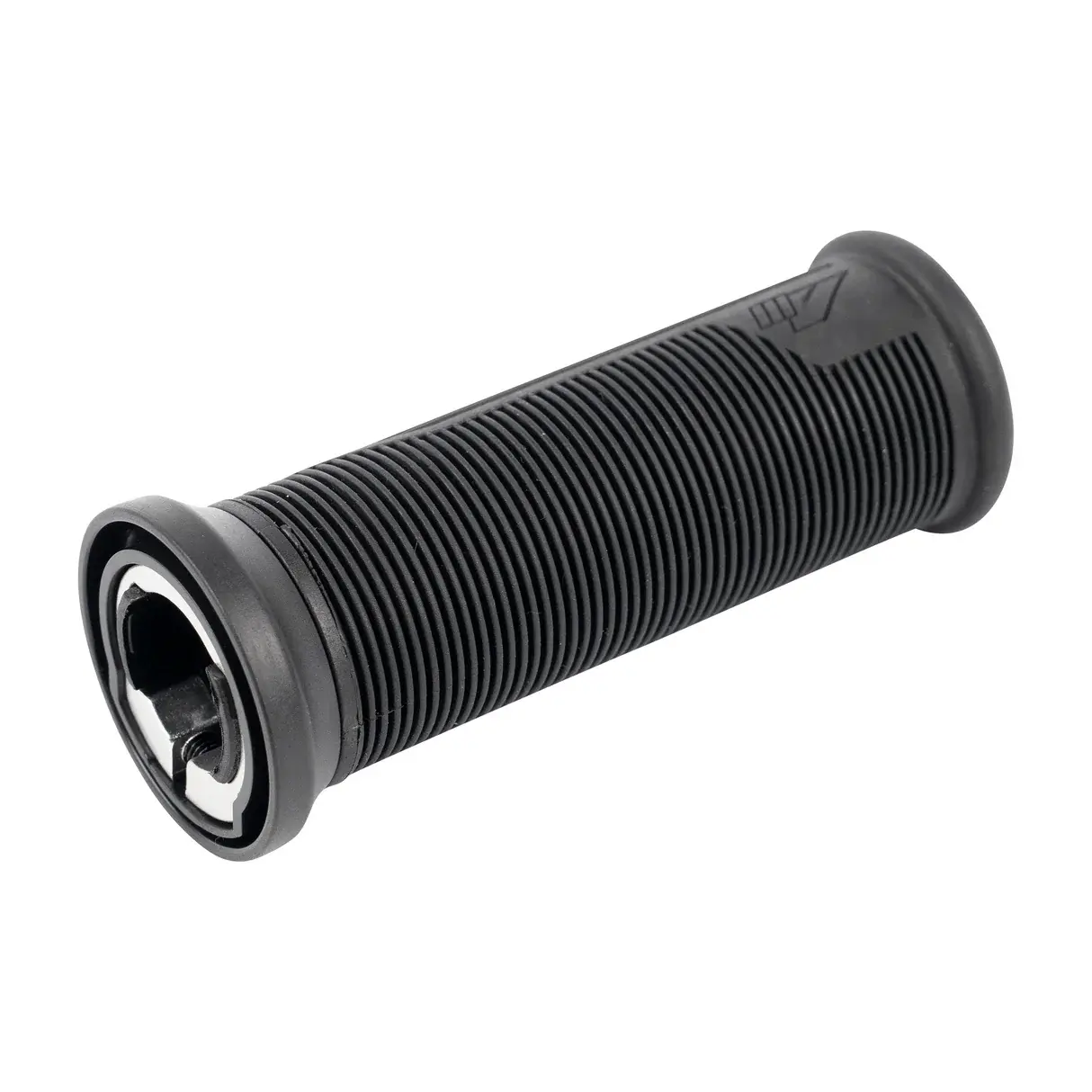
Hand Grip for EVO Series

C$12.00
3+ Day Shipping
In store: Check availability

Available in store

SKU: B05EV

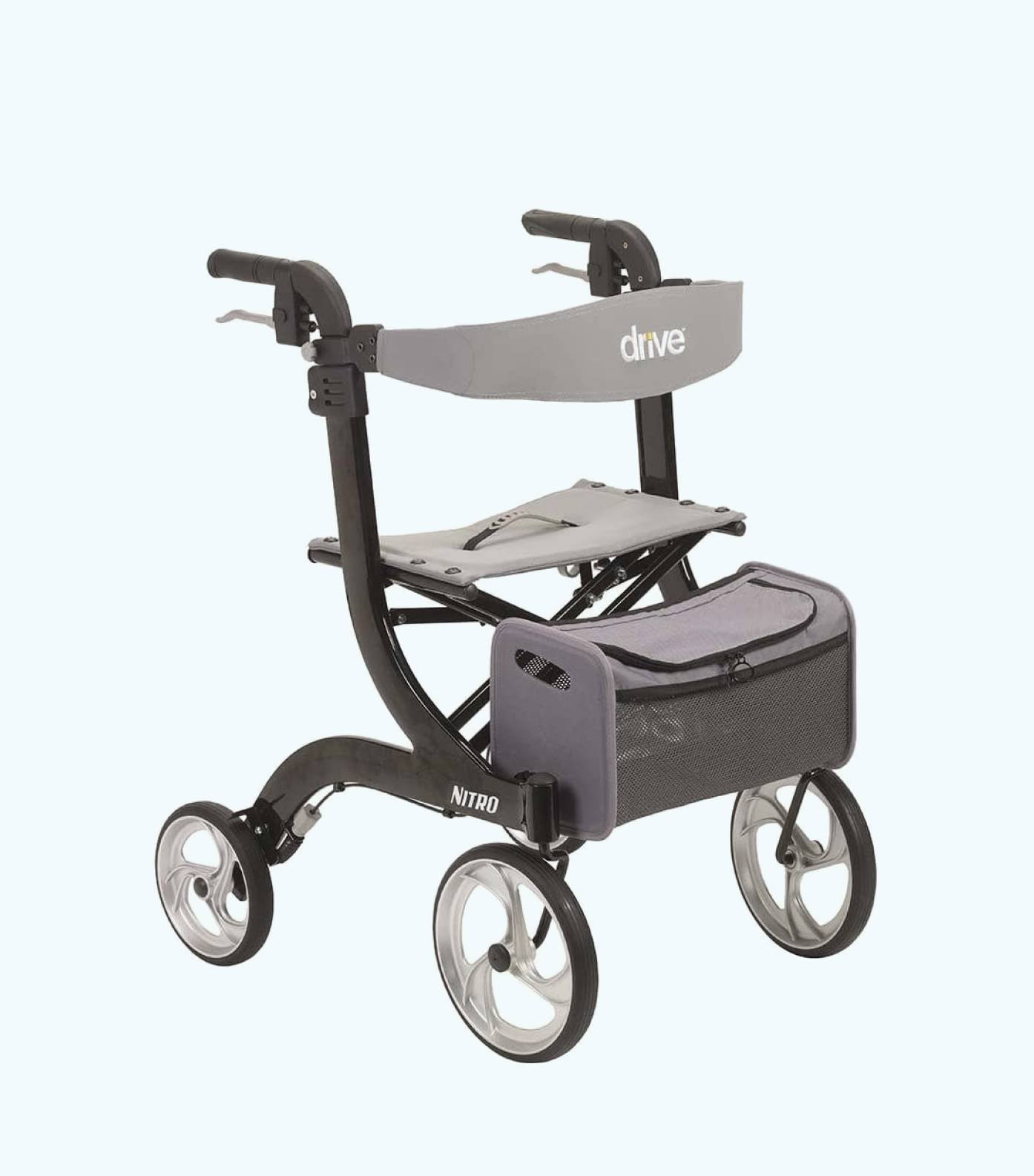
Evolution EVO Series rollators including Trillium, Xpresso, and Piper models. Slides onto the handlebar tube and provides a non-slip, ergonomic contact surface that maintains secure hand positioning and reduces fatigue during active walking use.

    • Why the Handle Grip Is the Hand-Rollator Interface Boundary and the Control Transmission Component of the Evolution EVO Rollator Simultaneously

      The handle grip on an Evolution EVO Series rollator serves two structurally distinct functions that are both essential to the rollator's safety and comfort performance, and that a single grip component must satisfy simultaneously. The first function is secure hand-rollator interface: the grip is the contact surface through which the user's hand applies the directional and braking forces that control the rollator during walking use. A grip surface that has worn smooth, hardened with age, or developed surface cracking no longer provides the friction coefficient between the user's palm and the handlebar that secure rollator control requires. In a rollator user population where hand strength, skin condition, and grip firmness may be reduced by age or medical condition, a degraded grip surface that requires increased grip force to maintain the same level of control security imposes an additional physical demand on the user that a correctly specified replacement grip eliminates. The handle grip is therefore not a comfort accessory — it is the hand-rollator interface boundary that determines whether the user can maintain secure directional and braking control of the rollator under all conditions of walking use.

      The second function the handle grip must satisfy simultaneously is force transmission from the user's hand into the handlebar tube during braking. When the user applies the brake lever, the braking force is transmitted through the grip surface into the handlebar tube and from the tube into the brake cable. A grip that has delaminated from the handlebar tube — through adhesive failure, material shrinkage, or age-related degradation — rotates on the tube rather than transmitting the user's applied force directly into the tube wall. A rotating grip that does not transmit hand force into the handlebar reduces the effective braking input and alters the directional control response, both of which are safety-critical in a user population where the rollator's braking function may be the primary fall prevention mechanism during walking.

      The rubber or thermoplastic rubber material specification of the EVO Series replacement grip addresses the specific degradation mechanisms that rollator handle grips develop in active daily use. The grip material is subjected to UV exposure from outdoor use, perspiration and cleaning chemical contact from hygiene maintenance, and the compressive and shear loading of the user's grip force across thousands of walking sessions. A grip material that hardens, cracks, or loses surface friction under this combined exposure and loading profile reintroduces the grip security deficit that the replacement was intended to eliminate. The rubber or TPR material specification provides the combination of surface friction, resilience under grip compression, and resistance to UV and chemical degradation that active rollator use demands.

      The ergonomic profile of the EVO Series handle grip is not a styling feature — it is the three-dimensional form that positions the user's hand in the wrist and finger alignment that reduces the compressive load on the palmar soft tissue during extended walking use. A grip with a cylindrical cross-section distributes the user's grip force across a uniform contact arc, concentrating pressure at the palmar prominences rather than distributing it across the full palmar surface. The ergonomic profile of the EVO grip is shaped to increase the contact area between the grip surface and the palmar surface, reducing peak pressure at the prominences and distributing the grip load across a larger tissue area — the mechanism by which handle grip geometry reduces hand fatigue during extended rollator use.

      KEY FEATURES

      • Non-slip rubber or TPR grip surface — friction coefficient specified for secure hand-rollator interface under the grip force range of the EVO Series user population, including users with reduced hand strength or perspiration-affected palm contact
      • Ergonomic grip profile — three-dimensional cross-section increases palmar contact area relative to a cylindrical grip, reducing peak pressure at palmar prominences and distributing grip load across a larger tissue surface during extended walking use
      • Force transmission to handlebar tube — grip retention on the handlebar tube maintains direct hand-force transmission into the tube wall during braking, preventing the rotational slip that a delaminated grip introduces into the brake input and directional control response
      • Durable rubber or TPR material — selected for resistance to the combined UV exposure, perspiration and cleaning chemical contact, and cyclic compressive and shear loading that active rollator handle grips accumulate across daily use
      • Compatible with Evolution EVO Series handlebar tube geometry — grip bore diameter and retention fit match the handlebar tube specification of Trillium, Xpresso, Piper, and related EVO models

      BENEFITS

      • Restores secure hand-rollator interface at the handle position — replacing a worn, hardened, or surface-cracked grip before the rollator is used under walking conditions, removing the grip security deficit that a degraded surface creates in a user population with reduced hand strength
      • Force transmission integrity restored at the handlebar — eliminating the rotational slip that a delaminated grip introduces into brake input and directional control, restoring full braking effectiveness and steering response
      • Ergonomic profile reduces hand fatigue during extended walking use — increased palmar contact area decreases peak pressure at palmar prominences across the walking sessions where the user depends on the rollator for sustained mobility support
      • Durable material extends replacement grip service life under combined UV, chemical, and mechanical loading — resisting the hardening and surface cracking that a lower-specification material would develop under the same active use conditions
      • Component-level grip replacement extends the rollator's service life without replacing the handlebar assembly, brake system, or frame

      TYPICAL APPLICATIONS

      Surface wear replacement — replacement when the grip surface has worn smooth or hardened, reducing the friction coefficient below the level required for secure hand-rollator interface under the user's available grip force

      Surface cracking replacement — replacement when UV exposure or material age has produced surface cracking that reduces grip friction and creates sharp edges at the crack locations that contact the user's palmar skin during walking use

      Delamination replacement — immediate grip replacement when the grip has separated from the handlebar tube and rotates under applied hand force, eliminating the direct force transmission that brake actuation and directional control require

      Scheduled maintenance replacement — grip inspection and replacement as part of rollator service intervals in long-term care facilities and rental programs, confirming surface friction and tube retention before the next user

      Rollator recommissioning — grip inspection and replacement when an Evolution EVO Series rollator is transferred to a new user, confirming surface condition, friction coefficient, and handlebar retention before the rollator enters active walking use

    • No reviews yet

      Add yours

    Testimonials from Google

    See all reviews

    Your cart — 0

    You cart is currently empty

    Login

    By using our website, you agree to the use of cookies. These cookies help us understand how customers arrive at and use our site and help us make improvements. Hide this message More on cookies »