Why Combined Wrist-Thumb Stabilization
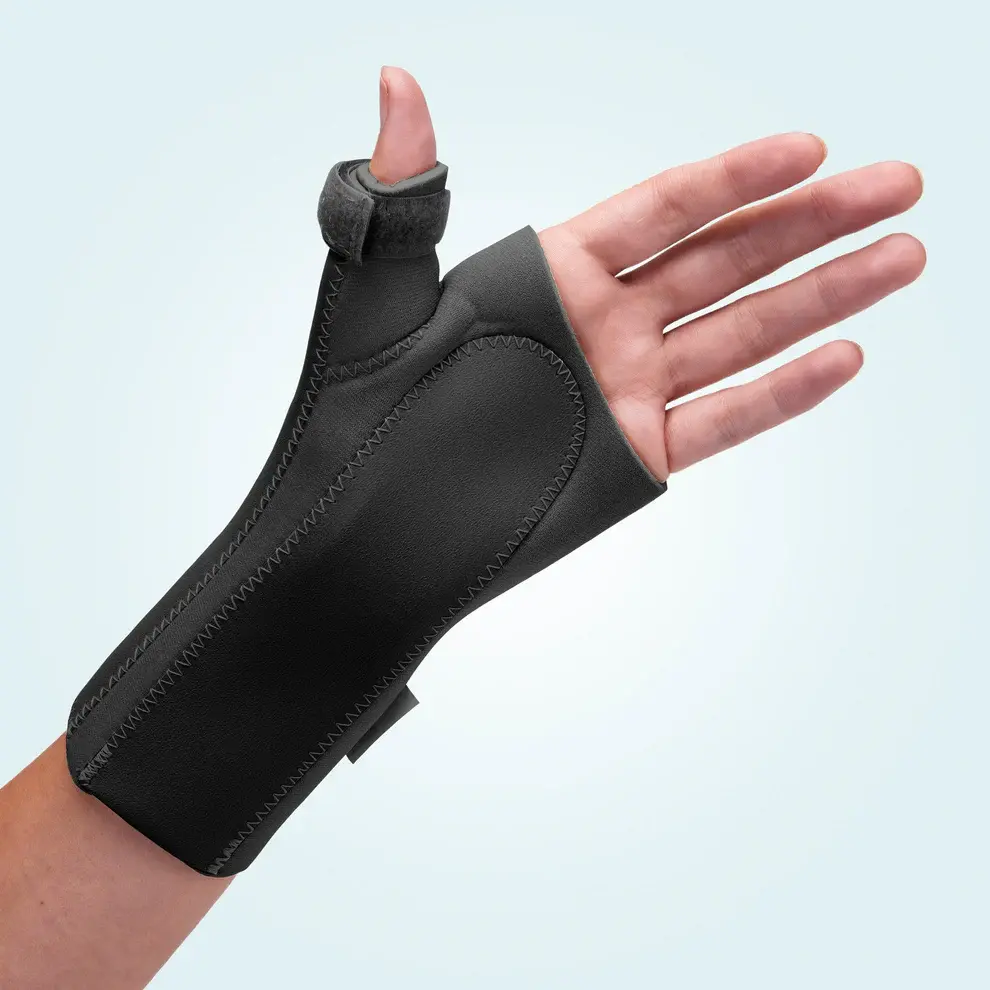
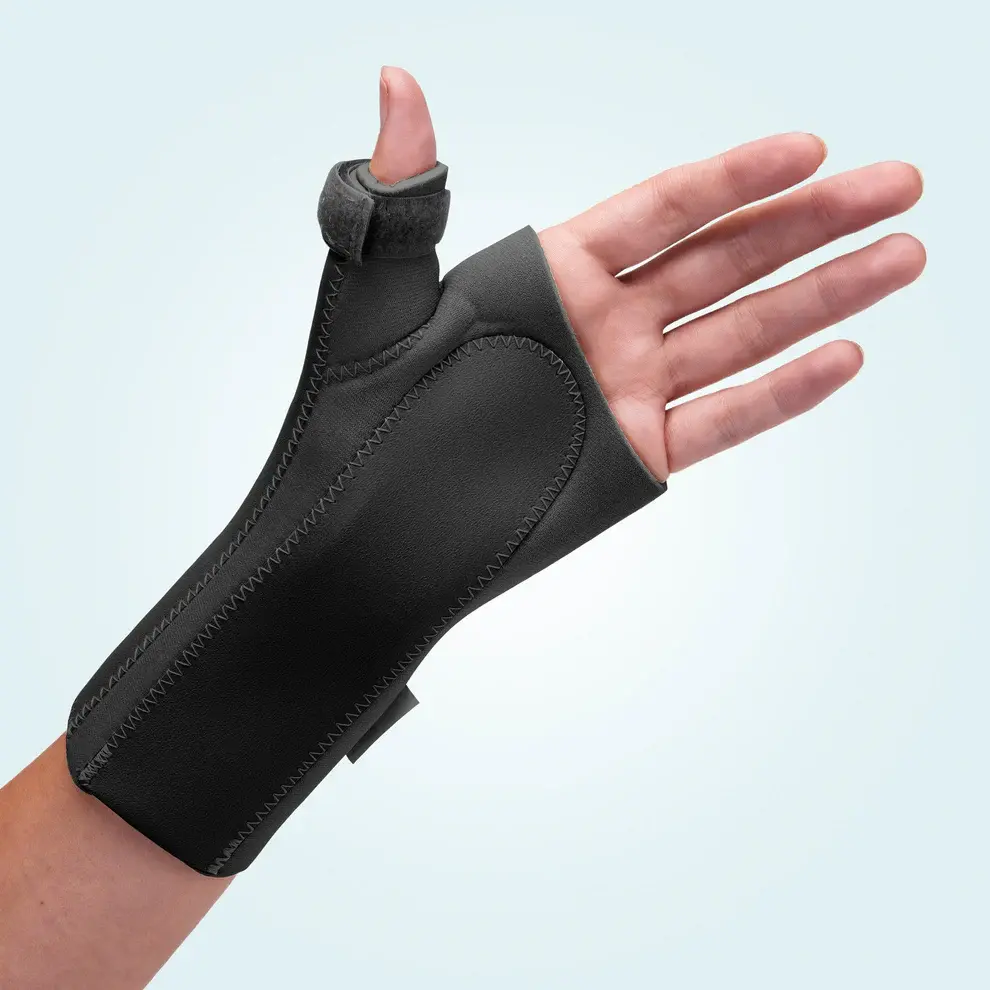
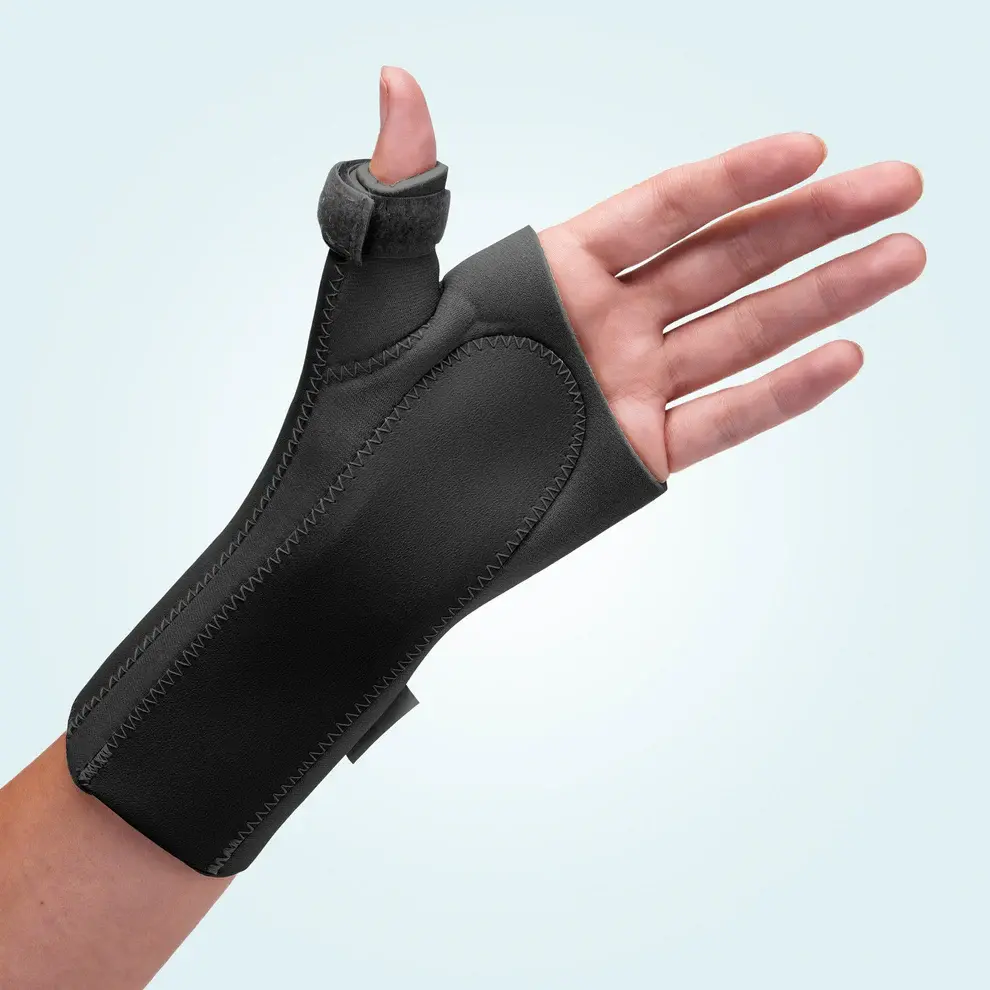
The biomechanical relationship between wrist and thumb function creates a clinical reality where injuries or overuse conditions affecting one joint frequently impact the other, making isolated treatment approaches less effective than combined stabilization strategies. The thumb's carpometacarpal (CMC) joint articulates with the wrist's trapezium bone, while the thumb's extensor and flexor tendons traverse the wrist region before inserting on thumb bones, creating mechanical interdependence where wrist positioning directly influences thumb tendon stress and vice versa. This anatomical connection explains why conditions like De Quervain's tenosynovitis—inflammation of thumb extensor tendons on the wrist's radial (thumb) side—require both wrist stabilization to reduce tendon excursion and thumb immobilization to minimize tendon loading. Similarly, thumb ulnar collateral ligament (UCL) sprains benefit from wrist support that reduces compensatory motion, while wrist sprains heal better when thumb stabilization prevents destabilizing forces transmitted through the thenar eminence during gripping activities. This neoprene wrist-thumb brace addresses both joints simultaneously through a compression sleeve that stabilizes the wrist in neutral position combined with an adjustable thumb strap that limits painful thumb abduction (movement away from hand) and extension (backwards bending) while permitting functional thumb flexion for grasping objects. The neoprene material provides therapeutic heat retention that increases local circulation, reduces muscle tension, and provides pain relief through warmth, while the material's inherent compression reduces swelling and enhances proprioceptive feedback that helps users avoid painful positions. The universal left-right design and adjustable closures accommodate varying hand sizes and swelling patterns throughout the day, making it suitable for initial injury management, chronic condition support, or preventive use during high-risk activities.
Key Features
- Neoprene construction provides compression and therapeutic warmth
- Integrated thumb stabilization strap limits abduction and extension
- Adjustable hook-and-loop closures for customizable compression
- Contoured design conforms to wrist and palm anatomy
- Universal fit design works on left or right hand
- Low-profile construction fits under gloves or during light activities
- Breathable perforated neoprene reduces moisture buildup (model-dependent)
- Flexible support allows functional hand use while limiting painful motion
- Non-latex materials for sensitive skin compatibility
- Black color for discrete appearance in professional settings
- Maintains support through repeated washing
- One-size or sized options depending on product variant
Benefits
- Provides combined wrist and thumb joint stabilization
- Reduces pain from tendon irritation and mild sprains
- Therapeutic warmth promotes comfort and circulation
- Compression reduces swelling and inflammation
- Enhances proprioceptive awareness to prevent re-injury
- Enables continued daily activities with support
- Easy on/off application with one hand (with practice)
- Comfortable enough for extended wear during work or activities
- Machine washable for hygiene maintenance
- Cost-effective alternative to rigid splinting for mild conditions
- Preventive support during high-risk activities
- Supports gradual return to normal activities after injury
Clinical Applications
✓ De Quervain's tenosynovitis (thumb extensor tendon inflammation) ✓ Thumb ulnar collateral ligament (UCL) sprain ("gamekeeper's thumb") ✓ Carpometacarpal (CMC) joint arthritis at thumb base ✓ Mild wrist sprains involving radial (thumb-side) ligaments ✓ Thumb intersection syndrome (tendon friction near wrist) ✓ Post-fracture support during late healing phase (with medical clearance) ✓ Overuse injuries from repetitive gripping or pinching ✓ Occupational thumb-wrist strain (assembly work, typing, tools) ✓ Sports-related thumb hyperextension injuries ✓ Gaming or smartphone overuse syndrome ("texting thumb")
Usage & Application
Initial Fitting:
- Identify hand dominance and verify brace works for intended hand (universal design)
- Ensure skin is clean and dry before application
- Open all hook-and-loop closures completely
- Slide hand through main wrist opening with thumb through thumb hole
- Position wrist portion centered over wrist joint (not too far up forearm)
- Wrap main wrist closure snugly and secure
- Wrap thumb strap around thumb base and secure to desired tension
- Verify thumb can move for functional tasks but feels supported
Proper Positioning:
- Wrist portion should cover from 2 inches below wrist joint to 2 inches above
- Thumb strap should stabilize CMC joint (base of thumb near wrist)
- Brace should not extend onto palm beyond thenar eminence (thumb muscle bulge)
- Fingers should remain free for normal function
- No gaps between brace and skin when hand is relaxed
Tension and Compression Guidelines:
- Wrist: Snug compression without cutting off circulation
- Thumb: Firm enough to limit painful motion, loose enough for gentle gripping
- Should feel supportive but not restrictive
- No numbness, tingling, or color changes in fingers or thumb
- Can still make light fist and oppose thumb to other fingers
- Re-adjust throughout day as swelling changes
Application Technique:
- Loosen all straps before attempting to put on
- Insert thumb through thumb hole first
- Slide hand into wrist portion, positioning brace centered
- Secure main wrist closure (typically wraps palm-to-back or vice versa)
- Adjust wrist tension to desired compression level
- Wrap thumb strap around base of thumb (usually figure-8 pattern)
- Secure thumb strap, testing that thumb feels stable but mobile
- Make fine adjustments to both straps for optimal comfort
Daily Wear Guidelines:
Acute Injury (First 1-2 Weeks):
- Wear continuously except when bathing or sleeping (unless directed otherwise)
- Maximum support during all activities
- May wear at night if pain worsens when unsupported
- Re-apply snugly after any period of removal
Subacute Recovery (2-6 Weeks):
- Wear during activities that stress wrist/thumb
- May remove during rest periods if comfortable
- Gradually increase time without brace as pain decreases
- Retain for high-risk activities even as pain improves
Chronic Support or Prevention:
- Wear during specific activities known to trigger pain
- Work tasks requiring repetitive gripping, pinching, or wrist flexion
- Sports or hobbies involving thumb stress
- May not need continuous wear
Activity-Specific Guidelines:
Computer Work/Office:
- Supports wrist during typing and mouse use
- Reduces thumb strain from smartphone use
- May wear continuously during work hours
- Remove during lunch break to air out hand
Assembly/Manufacturing Work:
- Provides support during repetitive hand tool use
- Helps with gripping, pinching, and screw-driving motions
- Wear throughout shift, adjusting tension as needed
- Consider rotating to opposite hand if bilateral risk
Sports (Golf, Tennis, Racquetball):
- Wear during practice and play
- Supports grip during swing/stroke
- May need to adjust grip size or technique slightly
- Not recommended for contact sports requiring bare hands
Gaming/Smartphone Use:
- Preventive support for extended gaming sessions
- Reduces "texting thumb" strain
- Wear during extended use periods
- Take breaks every 30-60 minutes regardless of brace
Household Activities:
- Supports wrist during vacuuming, cooking, gardening
- Reduces thumb strain during jar opening, carrying bags
- Wear during known problematic activities
- Remove for fine manipulation tasks if brace interferes
Neoprene Care and Hygiene:
- Hand wash in cold water with mild detergent every 2-3 days
- Rinse thoroughly to remove all soap residue
- Gently squeeze (don't wring) to remove excess water
- Air dry completely away from direct heat or sunlight
- Never machine wash or dry (damages neoprene and closures)
- Sprinkle with baby powder if material becomes tacky when dry
- Clean hook-and-loop closures regularly (remove lint)
Managing Moisture and Odor:
- Wear thin moisture-wicking liner glove underneath if excessive sweating
- Remove brace periodically to air out hand and brace
- Have two braces to alternate if wearing continuously
- Ensure complete drying between uses
- Perforated neoprene versions offer better breathability
- Consider non-neoprene alternatives if persistent moisture issues
Troubleshooting Common Issues:
Thumb Strap Loosens During Use:
- Ensure adequate overlap of strap on hook-and-loop surface (minimum 1 inch)
- Clean hook-and-loop regularly to maintain grip
- May need to re-tighten every 2-3 hours during active use
- If persistent, strap may be stretched—consider replacement
Skin Irritation or Rash:
- Wear thin cotton liner glove underneath
- Ensure brace is completely dry before reapplying
- Wash brace more frequently
- May indicate neoprene allergy—consider neoprene-free alternatives
- Discontinue if rash worsens or skin breaks down
Brace Rolls or Bunches:
- Verify correct size and positioning
- May be too loose (tighten compression)
- Ensure wrist portion covers adequate surface area for grip
- Hand contours may not match brace design—try different brand/style
Excessive Warmth/Sweating:
- Normal with neoprene (therapeutic benefit)
- Take breaks to air out hand
- Consider perforated neoprene version
- Use moisture-wicking liner
- Switch to non-neoprene brace if heat intolerance persists
Limited Thumb Function:
- Thumb strap may be too tight (loosen slightly)
- Verify strap position allows functional opposition to fingers
- Should limit painful motion but permit light gripping
- May need less restrictive brace design for your activities
Pain Increases with Brace:
- May be applied too tightly (loosen both straps)
- Could indicate condition requires medical evaluation
- Verify proper positioning (not too high or low)
- May need more rigid splinting rather than flexible support
Sizing Considerations:
Universal/One-Size Models:
- Typically fit wrist circumferences 5-8 inches
- Adjustable closures accommodate range of hand sizes
- Best for average adult hands
- May not fit very small (pediatric) or very large (XL male) hands
Sized Models (If Applicable):
- Measure wrist circumference at narrowest point
- Small: 5-6 inches, Medium: 6-7 inches, Large: 7-8 inches, X-Large: 8-9 inches
- Between sizes: Choose smaller for more support, larger for more comfort
- Proper fit critical for effectiveness
When This Brace is NOT Appropriate:
- Suspected fractures (requires medical imaging and immobilization)
- Complete ligament tears (may require surgical repair)
- Severe sprains with instability (needs rigid splinting)
- Significant swelling preventing brace application
- Open wounds or skin infections in brace area
- Carpal tunnel syndrome requiring night splinting (needs wrist-only brace in neutral)
- Conditions requiring thumb immobilization in specific position
When to Seek Medical Evaluation:
- Pain persists or worsens after 1-2 weeks of bracing and rest
- Significant swelling that doesn't improve with ice and elevation
- Numbness or tingling in thumb or fingers
- Weakness in thumb or inability to pinch effectively
- Thumb or wrist appears deformed or misaligned
- Pain severe enough to wake from sleep
- Symptoms began after significant trauma (fall, impact, twist)
- Uncertainty about diagnosis or appropriate treatment
Complementary Treatment Strategies:
- Ice application 15-20 minutes several times daily (acute phase)
- Rest from aggravating activities
- Over-the-counter anti-inflammatory medications (if appropriate)
- Gentle range-of-motion exercises as pain permits
- Physical therapy for persistent conditions
- Ergonomic modifications to work or activity setup
- Gradual strengthening once acute pain resolves
De Quervain's Tenosynovitis Specific Guidance:
- This is the most common indication for wrist-thumb braces
- Pain on thumb side of wrist, worse with gripping and thumb movements
- Brace should limit thumb abduction and wrist radial deviation
- Often requires 4-6 weeks of bracing for significant improvement
- May need corticosteroid injection if not improving with conservative care
- Avoid repetitive thumb texting, gripping, and pinching during recovery
Thumb UCL Sprain ("Gamekeeper's Thumb") Specific Guidance:
- Injury to ligament on inside of thumb at knuckle
- Common in skiing, ball sports, and falls on outstretched hand
- Thumb strap should stabilize thumb in slightly flexed position
- Grade I-II sprains may heal with bracing alone (6-8 weeks)
- Grade III (complete tear) may require surgical repair
- Medical evaluation important to determine tear severity
Return to Activity Guidelines:
- Continue bracing during high-risk activities for 4-8 weeks after pain resolves
- Gradually increase activity intensity and duration
- Stop if pain returns and regress activity level
- Strengthen wrist and thumb muscles before full return to sports/work
- Consider permanent modification of technique if repeated injury occurs
Technical Specifications
- Material: Neoprene (closed-cell foam rubber) with nylon lining
- Support Areas: Wrist joint and thumb carpometacarpal (CMC) joint
- Design Type: Wrap-around compression sleeve with integrated thumb strap
- Closure System: Hook-and-loop (Velcro-style) adjustable straps
- Wrist Stabilization: Compression and partial motion restriction in flexion/extension
- Thumb Stabilization: Strap limits abduction and extension while allowing functional flexion
- Fit: Universal design for left or right hand (ambidextrous)
- Sizing: One-size-fits-most or sized options (verify product variant)
- Typical Size Range: Wrist circumference 5-8 inches (one-size), or S/M/L/XL sizing
- Construction Features: Double-stitched seams, reinforced stress points
- Perforations: May include perforated neoprene for breathability (model-dependent)
- Thickness: Typically 1.5-3mm neoprene
- Color: Black (most common), may be available in beige or other colors
- Profile: Low-profile, flexible design
- Weight: Approximately 2-3 ounces
- Latex Content: Neoprene is synthetic rubber (not natural latex), but verify if latex sensitivity
- Support Level: Light to moderate (flexible support, not rigid immobilization)
- Heat Retention: Moderate (therapeutic warmth benefit)
- Intended Use: Mild wrist/thumb sprains, tendonitis, arthritis support, overuse prevention
- Activity Level: Daily activities, light work, computer use, light sports
- Not Intended For: Fractures, severe sprains, conditions requiring rigid immobilization
- Care Instructions: Hand wash cold, air dry; do not machine wash or dry
- Typical Lifespan: 6-12 months with regular use and proper care
- Quantity: Sold individually (single brace)
- Packaging: Retail packaging with sizing guide and usage instructions

 780 409-1509
 Get directions