Why Waterproof Adhesive with 1-Inch Width for Versatile Medical Securement
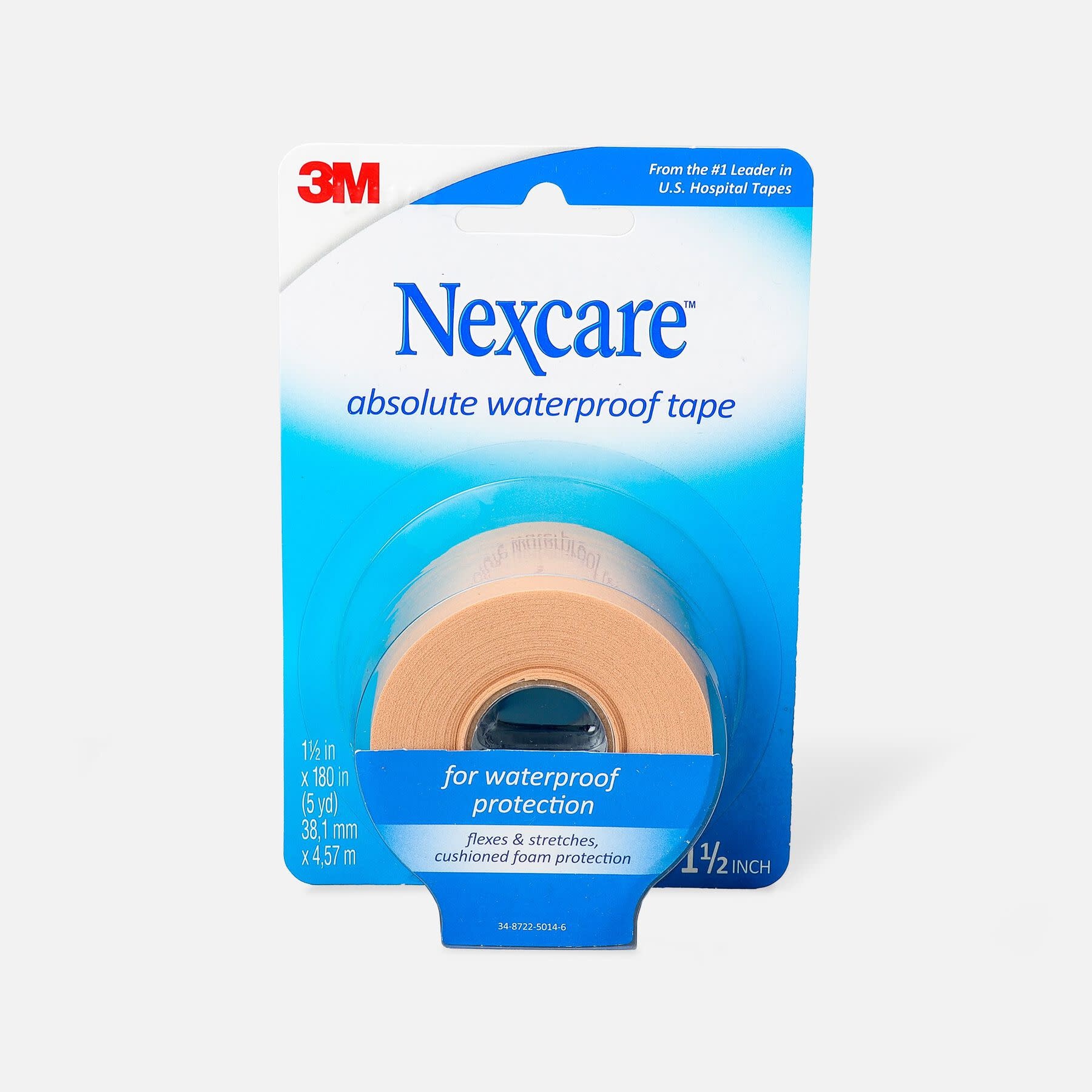
Waterproof medical tape is essential for maintaining secure adhesion in challenging conditions where moisture, sweat, showering, or humid environments would compromise standard paper or cloth tapes—the water-resistant backing prevents saturation and adhesive breakdown, ensuring dressings stay in place during bathing, athletic activities, or in patients who perspire heavily. The 1-inch (2.5cm) width provides the optimal balance between coverage and flexibility—wide enough to secure most standard dressings, IV sites, and small medical devices while remaining manageable for precise application on smaller areas, curved surfaces, and joint locations where wider tapes would bunch or restrict movement. The flexible backing conforms to body contours and moves with the skin, preventing edge lifting and premature detachment that occurs with rigid tapes, while the hypoallergenic formulation reduces allergic reactions and skin irritation critical for extended wear periods, sensitive skin patients, and frequent tape changes that can compromise skin integrity.
Key Features & Benefits
Key Features:
- Waterproof backing repels water, sweat, and moisture
- 1-inch (2.5cm) width for versatile applications
- 5-yard (4.5 meter) roll length provides multiple applications
- Strong adhesive holds securely in wet conditions
- Flexible backing conforms to body curves and joint movement
- Hand-tearable for quick application without scissors
- Hypoallergenic formulation for sensitive skin
- Transparent or translucent design allows wound visualization
- Breathable construction prevents moisture buildup under tape
- Repositionable during initial application
- Residue-free removal when applied properly
- Single roll packaging convenient for personal or clinical use
- Durable construction withstands friction and movement
- Compatible with most dressings and wound care products
- Manufactured by 3M/Nexcare (trusted healthcare brand)
Benefits:
- Maintains adhesion during showering, swimming, or sweating
- Wide enough to secure standard dressings effectively
- Flexible design prevents edge lifting and premature detachment
- Conforms to joints and curved areas without bunching
- Hand-tear feature speeds application in emergencies
- Hypoallergenic reduces skin reactions and irritation
- Transparent allows visual monitoring without removal
- Breathable prevents maceration under tape
- Strong adhesive reduces dressing changes and costs
- Easy removal minimizes pain and skin trauma
- Versatile width suitable for multiple clinical applications
- Long roll length economical for frequent use
- Reliable 3M quality and performance
Clinical Applications
Nexcare Waterproof Tape is appropriate for:
✓ Securing gauze pads and wound dressings ✓ Holding transparent film dressings in place ✓ Taping IV catheter sites and securement devices ✓ Securing central line dressings ✓ Holding NG tubes, feeding tubes, and catheters ✓ Taping oxygen tubing and nasal cannulas ✓ Securing drainage tubes and surgical drains ✓ Holding ostomy pouches and barriers ✓ Taping tracheostomy dressings ✓ Securing electrodes and monitoring leads ✓ Athletic taping for wound protection during sports ✓ Securing dressings during swimming or water activities ✓ Taping bandages in high-moisture areas ✓ Post-surgical wound care requiring showering ✓ Diabetic foot care and ulcer dressings ✓ Securing compression wraps and bandages ✓ First-aid applications in wet environments ✓ Pediatric dressings requiring durability
Usage & Application
Pre-Application Preparation:
- Assess application needs:
- Identify what needs securing (dressing, device, tubing)
- Determine tape length required
- Consider skin condition and patient sensitivities
- Prepare skin:
- Clean skin thoroughly:
- Wash with soap and water
- Or use alcohol wipe for oily skin
- Dry completely:
- Pat dry with clean towel or gauze
- CRITICAL: Tape will not adhere properly to wet or damp skin
- Ensure skin completely dry before application
- Remove excess hair (if necessary):
- Clip hair with scissors (don't shave—causes skin irritation)
- Only if hair prevents proper adhesion
- Avoid lotions, oils, or powders:
- These prevent adhesive contact with skin
- Clean off any residue before taping
- Prepare dressing or device:
- Apply wound dressing, pad, or position device first
- Ensure dressing edges flat and smooth
- Position tubing or device where needed
- Measure and cut tape:
- Unroll tape to needed length
- Hand-tear technique:
- Hold tape firmly on both sides of desired break point
- Pull apart with quick motion
- Creates clean tear without scissors
- Or use scissors if precise cut needed
- Cut slightly longer than needed (allows adjustment)
Application Technique:
For Dressings:
- Center tape over dressing:
- Position tape to cover dressing edges
- Extend onto skin at least 1/2 inch on all sides
- Apply from center outward:
- Start at center of tape
- Smooth toward edges with firm pressure
- Push out air bubbles as you go
- Do not stretch tape (causes tension and early lifting)
- Seal edges:
- Press edges firmly onto skin
- Rub with finger to activate adhesive
- Edges most critical for waterproof seal
- Frame technique (for larger dressings):
- Apply tape strips around all four sides of dressing
- Create complete border
- Overlap corners slightly for complete seal
For IV Sites:
- Position tape strips:
- One strip over catheter hub
- Second strip perpendicular to first (creates "H" or cross pattern)
- Avoid taping over transparent dressing (if present)
- Secure tubing:
- Create strain-relief loop in IV tubing
- Tape loop to arm (prevents catheter dislodgement from pulling)
- Check securement:
- Verify catheter hub cannot move
- Gentle tug on tubing should not move catheter
For Tubes and Catheters:
- Create anchor point:
- Position tubing on skin where securing
- Place tape over tubing
- Wrap technique:
- Split tape end lengthwise 1-2 inches (creates two tails)
- Wrap tails around tubing in opposite directions
- Secure to skin
- Creates secure hold without constricting tubing
- Multiple anchor points:
- Use several tape anchors along tubing length
- Prevents migration and reduces tension
Maximizing Adhesion:
- Apply firm pressure:
- After positioning, apply firm pressure over entire tape surface
- Hold for 10-15 seconds
- Friction and pressure activate adhesive
- Rub tape surface:
- Gentle rubbing generates warmth
- Improves adhesive bonding to skin
- Allow setting time:
- Wait 15-30 minutes before water exposure
- Gives adhesive time to fully bond
Water Exposure:
- Showering:
- Tape designed to maintain adhesion during normal showering
- Pat dry gently after showering (don't rub)
- Check tape edges—reapply if lifting
- Swimming:
- Holds during swimming activities
- Chlorine or salt water may affect adhesion over time
- Check and reinforce after swimming
- Excessive water exposure:
- Extended submersion may compromise adhesion
- Not designed for prolonged underwater use
- Monitor and replace if adhesion weakens
Tape Removal:
- Gentle removal technique:
- Peel back slowly at low angle (parallel to skin)
- Support skin with other hand
- Pull in direction of hair growth
- For sensitive skin:
- Apply warm, damp cloth to soften adhesive
- Use adhesive remover wipes if available
- Remove very slowly to minimize trauma
- Avoid aggressive pulling:
- Don't pull straight up (perpendicular to skin)
- This causes skin stripping and pain
- Can damage fragile skin in elderly or children
- Clean skin after removal:
- Remove any adhesive residue with adhesive remover or oil
- Wash area with soap and water
- Pat dry
Dressing Changes:
- Remove old tape carefully:
- Use gentle technique described above
- Assess skin condition
- Allow skin to rest (if possible):
- If not urgent, wait 15-30 minutes before reapplying
- Gives skin time to recover
- Rotate tape placement:
- Don't apply tape in exact same location
- Shift position slightly to protect skin
- Important for frequent changes
Storage:
- Store at room temperature 15-30°C (59-86°F)
- Keep away from direct sunlight and heat
- Store in dry location
- Keep roll sealed when not in use (prevents contamination and adhesive degradation)
- Avoid extreme temperatures (affects adhesive properties)
Troubleshooting:
Tape won't stick:
- Most common cause: Skin not completely dry
- Dry skin thoroughly
- Wait for skin to air dry completely
- Skin too oily:
- Clean with alcohol wipe
- Allow to dry completely
- Lotion or powder on skin:
- Clean thoroughly with soap and water
- Ensure all residue removed
- Old or expired tape:
- Check package date
- Adhesive degrades over time
Tape lifts at edges:
- Press edges firmly during application
- Ensure skin clean and dry
- May need skin prep (adhesive barrier wipe)
- Consider using additional tape to seal edges
- Trim any irregular edges
Tape causes skin irritation:
- May have sensitivity to adhesive
- Try hypoallergenic alternative
- Remove tape sooner
- Rotate tape placement
- Apply skin barrier before taping
Tape too sticky/difficult to remove:
- Use adhesive remover wipes
- Apply warm water to soften
- Use oil (baby oil, mineral oil) to break down adhesive
- Never force removal (damages skin)
Tape loses adhesion in water:
- May not have allowed adequate setting time (wait 15-30 minutes)
- Check that edges fully sealed
- Excessive scrubbing during shower may lift edges
- Replace tape if adhesion compromised
Adhesive residue remains on skin:
- Use adhesive remover wipes
- Or apply baby oil, mineral oil, or cooking oil
- Let sit for few minutes
- Wipe off gently
- Wash with soap and water
Special Considerations:
Pediatric patients:
- Waterproof tape excellent for active children
- Maintains adhesion during bath time
- Hand-tear feature helpful with uncooperative children
- Monitor for skin reactions (children's skin more sensitive)
- Use gentle removal technique (fragile skin)
- Consider using skin barrier under tape for frequent changes
Geriatric patients:
- Elderly have fragile, thin skin
- Use extreme caution during removal
- Consider less aggressive adhesive for very frail skin
- May tear skin if removed improperly
- Silicone-based tapes may be gentler alternative
- Monitor skin integrity closely
Sensitive skin:
- Hypoallergenic formulation reduces reactions
- Test small area first if history of tape allergies
- Remove tape sooner rather than later
- Use skin barrier products under tape
- Consider silicone tapes as alternative
Diabetic patients:
- Excellent for diabetic foot dressings
- Maintains adhesion during daily hygiene
- Monitor skin closely (diabetes impairs healing)
- Remove carefully (skin may be fragile)
- Check for any signs of irritation or breakdown
Athletes and active patients:
- Ideal for sports and athletic activities
- Holds during sweating and movement
- Flexible design conforms to joints
- Doesn't restrict movement
- Can shower after workouts without tape failure
Post-surgical patients:
- Waterproof design allows showering after surgery (per surgeon approval)
- Maintains dressing security during early ambulation
- Reduces dressing changes (fewer disruptions to healing)
- Monitor incision regularly through transparent tape
Ostomy patients:
- Useful for securing ostomy pouches and barriers
- Waterproof design ideal for bathing
- 1" width good for edge reinforcement
- Flexible conforms to abdominal contours
IV sites:
- Excellent for securing IV catheters
- Waterproof protects site during hand washing
- Transparent allows site visualization
- Change tape during dressing changes (typically every 5-7 days)
- Remove if site shows signs of phlebitis or infiltration
Tube securement:
- Holds NG tubes, feeding tubes, catheters securely
- Waterproof design maintains hold during oral hygiene, showering
- Flexible moves with patient without dislodging tubes
- Use multiple anchor points for longer tubes
Wound care:
- Maintains dressing integrity in high-moisture areas
- Ideal for wounds requiring showering
- Allows normal hygiene without compromising dressing
- Replace tape when changing dressing
First aid:
- Essential for first-aid kits
- Hand-tear convenient for emergencies
- Single roll portable
- Waterproof protects minor wounds during activities
Infection Control:
- Keep roll stored in clean, dry area
- Don't touch adhesive surface with bare hands
- Use clean technique when applying
- Don't share rolls between patients (clinical settings)
- Discard roll if contaminated
- Use new piece of tape for each application
When NOT to Use:
- Do not apply to:
- Open wounds (tape goes on skin around dressing, not on wound)
- Infected skin
- Severely irritated or broken skin
- Areas with active rash or dermatitis
- Not a replacement for:
- Specialized medical tapes for specific applications
- Securement devices designed for high-risk situations
- Sutures or wound closure methods
When to Replace Tape:
- Edges lifting or peeling
- Adhesion compromised after water exposure
- Tape soiled or contaminated
- During routine dressing changes
- Signs of skin irritation under tape
- Tape stretched or damaged
- After 5-7 days maximum (per facility protocols)
When to Contact Healthcare Provider:
- Skin irritation, redness, or rash under tape
- Signs of infection at taped site (warmth, redness, drainage, odor)
- Dressing repeatedly falls off despite proper taping
- Patient develops allergy symptoms (itching, hives, swelling)
- Device or tubing secured with tape becomes dislodged
- Questions about appropriate use for specific medical needs
Technical Specifications
Product Details:
- Brand: Nexcareâ„¢ (3M)
- Product Type: Waterproof medical adhesive tape
- Width: 1 inch (2.5 cm)
- Length: 5 yards (4.5 meters, 15 feet)
- Backing Material: Waterproof synthetic material (typically polyethylene or similar)
- Adhesive Type: Medical-grade hypoallergenic adhesive
- Adhesive Properties: Water-resistant, repositionable during application
- Tape Thickness: Thin, flexible construction
- Transparency: Transparent or translucent (allows visualization through tape)
- Breathability: Breathable construction prevents moisture buildup
- Tearability: Hand-tearable (no scissors required)
- Sterility: Non-sterile (for external use on intact skin)
- Latex Content: Latex-free (no natural rubber latex)
- Hypoallergenic: Yes (formulated to reduce allergic reactions)
- Residue: Minimal residue when removed properly
- Removal: Can be removed and repositioned during initial application
- Water Resistance: Designed for showering, swimming, sweating
- Packaging: Single roll per package
- Shelf Life: Typically 3-5 years (check package for expiration)
- Storage: Room temperature, dry conditions
- Intended Use: Securing dressings, devices, tubing on intact skin
- Patient Population: All ages with appropriate application technique
- Regulatory Status: Medical device for external use
- Manufacturer: 3M/Nexcare
- Country of Origin: Varies (check package labeling)