
Slideshow Items

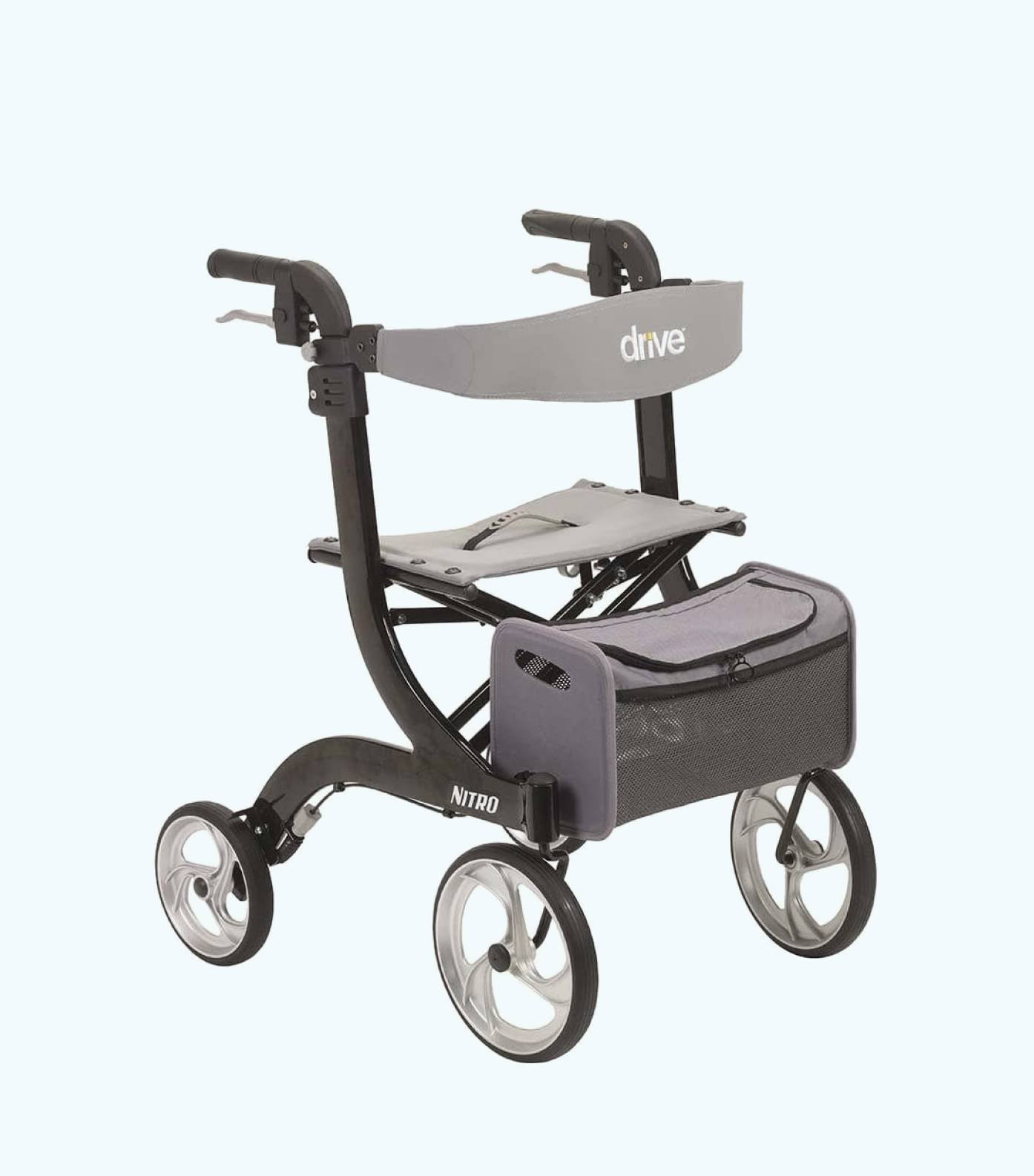
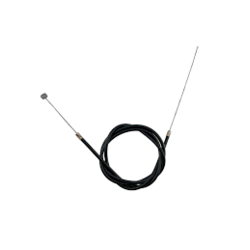
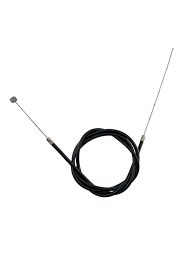
NITRO (RTL10266, RTL10266BK, RTL10266WT & RTL10266RG) Cable Only

C$25.00
Out of stock online
In store: Check availability

Available in store

UPC Code: 822383526126
SKU: 1026632

The Nitro Cable Only is the model-matched replacement cable for Drive Nitro RTL10266, RTL10266BK, RTL10266WT, and RTL10266RG, restoring reliable throttle and brake control when original cables stretch, fray, corrode, or lose responsiveness.

    • Why Cable Condition Is the Hidden Variable Between Rider Input and Scooter Response — and Why Degradation Is Often Misdiagnosed

      Every directional or speed command the rider applies to the Drive Nitro passes through the cable assembly before it reaches the mechanical or electrical component that acts on it. The throttle input that accelerates the scooter, the brake input that slows it, and any auxiliary control functions are transmitted from the rider's hand or foot to the scooter's drive system through this cable pathway. Cable condition is therefore not a peripheral maintenance concern — it is the signal fidelity of the scooter's entire control system. A cable in good condition transmits rider input with zero lag, full proportionality, and consistent response: the scooter accelerates exactly as the rider intends, brakes exactly as applied, and responds without hesitation or dead zones. A cable in degraded condition introduces latency, reduced proportionality, or complete signal loss into this pathway — the scooter responds sluggishly, inconsistently, or not at all to the same input that previously produced immediate, precise control. Because cable degradation is progressive and gradual, riders often adapt their control inputs to compensate — applying more throttle to get the same speed, squeezing the brake earlier to get the same stopping response — without recognizing that the scooter's control fidelity has declined from its original specification.

      Cable degradation in outdoor mobility scooter use follows three primary mechanisms that interact and compound each other over the cable's service life. The first is mechanical fatigue from flex cycling: every throttle application and brake actuation flexes the cable at its bend radii along the routing path, and steel cable strands accumulate micro-fatigue at these flex points with each cycle. Fatigue accumulation leads to strand fracture — individual strands within the cable bundle break progressively, reducing the cable's effective cross-section and increasing resistance to smooth movement within the outer sheath. The second mechanism is corrosion from moisture and road salt infiltration into the cable-sheath interface. Northern Alberta's winter road salt environment introduces corrosive contamination at every cable entry point — the cable housing end fittings, the control lever attachment, and any exposed cable section. Corrosion bonds cable strands to each other and to the sheath interior, producing the characteristic stiff, notchy cable movement that increases operating force and reduces proportional response. The third mechanism is sheath compression from repeated contact with the scooter's moving parts or from storage in a compressed position — a compressed sheath changes the cable's effective routing length, introducing slack or preload into the control linkage that shifts the control's neutral position and produces the sluggish initial response or unexpected engagement at rest that riders sometimes attribute to the control mechanism rather than the cable.

      The Drive Nitro RTL10266 series uses a cable routing and attachment geometry that is specific to this scooter's tiller configuration, handlebar layout, and drivetrain positioning. The cable length, end-fitting type, and routing path are engineered to the RTL10266's physical dimensions — a cable that is too long creates excess slack that coils inside the tiller housing and self-routes under the tensions of steering movement; a cable that is too short cannot reach its attachment point at full tiller range without imposing tension on the control linkage at specific steering angles, producing the false engagement sensation of a control input that the rider did not initiate. The model-matched specification of the RTL10266 cable ensures correct length and end-fitting geometry for this specific scooter's routing architecture — the cable installs along the designed path without excess or shortfall, and operates without tension artifacts at any point in the scooter's normal operating envelope. Aftermarket cables with nominally similar lengths but different end-fitting geometries or sheath termination dimensions will not reproduce this routing fidelity, producing the installation compromises that a model-matched OEM cable prevents.

      The RTL10266 color variants — RTL10266BK (black), RTL10266WT (white), and RTL10266RG (red/graphite) — share the same mechanical and electrical specification for this cable. The color designation in Drive Medical's part numbering identifies the scooter's aesthetic variant, not a mechanical difference. The cable only part for this family therefore covers all four model codes with a single replacement component — confirmed by the part's listing against all four RTL10266 variants. This is an important stocking clarification for homecare providers and service centers maintaining multiple Nitro scooters of different color configurations: one cable only part covers the complete RTL10266 family regardless of the specific scooter color.


      Key Features

      • Model-matched replacement cable for Drive Nitro RTL10266, RTL10266BK, RTL10266WT, and RTL10266RG — correct length, end-fitting geometry, and sheath specification for the RTL10266 tiller and drivetrain routing architecture
      • Covers all four RTL10266 color variants with a single part — black, white, red/graphite, and standard finish share the same cable specification
      • Cable-only supply format — correct service component when cable condition has degraded but control levers, housings, and drivetrain components remain serviceable
      • Restores zero-lag, proportional control signal transmission from rider input to scooter response — the control fidelity specification that cable degradation progressively reduces
      • Durable construction rated for the flex cycling, moisture exposure, and road salt environment of outdoor mobility scooter use in Northern Alberta conditions
      • Replacement resolves all three primary cable degradation mechanisms simultaneously — mechanical fatigue strand fracture, corrosion bonding, and sheath compression effects

      Benefits

      • Restores immediate, proportional scooter response to throttle and brake inputs — eliminating the sluggish engagement, dead zones, and inconsistent response that degraded cable condition introduces into the control pathway
      • Correct RTL10266-specific length and end-fitting geometry ensures installation along the designed cable routing path without excess slack or shortfall tension at any steering angle
      • Single part number covers all RTL10266 color variants — simplifying stocking for homecare providers and service centers managing multiple Nitro scooters of different aesthetic configurations
      • Cable-only format avoids unnecessary component replacement when the control lever assembly and housing remain in serviceable condition — targeted repair rather than assembly-level replacement
      • Addresses the cable degradation that riders typically adapt to without recognizing, restoring the control fidelity the scooter was designed to provide rather than the reduced response the rider has compensated for

      Typical Applications

      ✓ Throttle or brake sluggishness — RTL10266 scooters requiring increased input force to achieve the same throttle or brake response that previously required less effort, indicating progressive cable resistance increase from fatigue or corrosion ✓ Dead zone correction — scooters exhibiting a zone of control lever travel that produces no response, followed by abrupt engagement, indicating cable slack from strand fracture or sheath compression ✓ Stiff or notchy cable movement — cables that no longer move smoothly within the sheath under control input, requiring excessive lever force and producing non-proportional response ✓ Visible cable damage — frayed, kinked, or partially fractured cable identified during inspection, before complete failure eliminates throttle or brake function ✓ Post-winter recommissioning — replacement of cables on RTL10266 scooters returning to service after winter storage, addressing corrosion accumulation from road salt exposure during the previous outdoor use season ✓ Scooter refurbishment — cable replacement as part of complete RTL10266 recommissioning when second-hand or stored scooters are being returned to service and cable condition cannot be confirmed

    • No reviews yet

      Add yours

    Testimonials from Google

    See all reviews

    Recently viewed

    Your cart — 0

    You cart is currently empty

    Login