
Slideshow Items

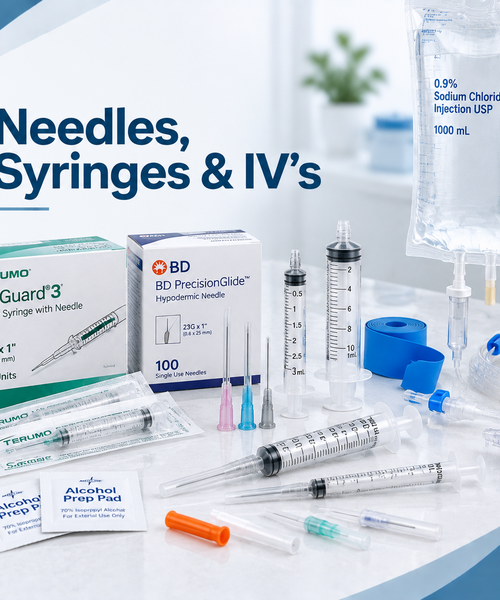
  • Needles, Syringes & IV's
  • needles-syringes-ivs
Baxter

  |  

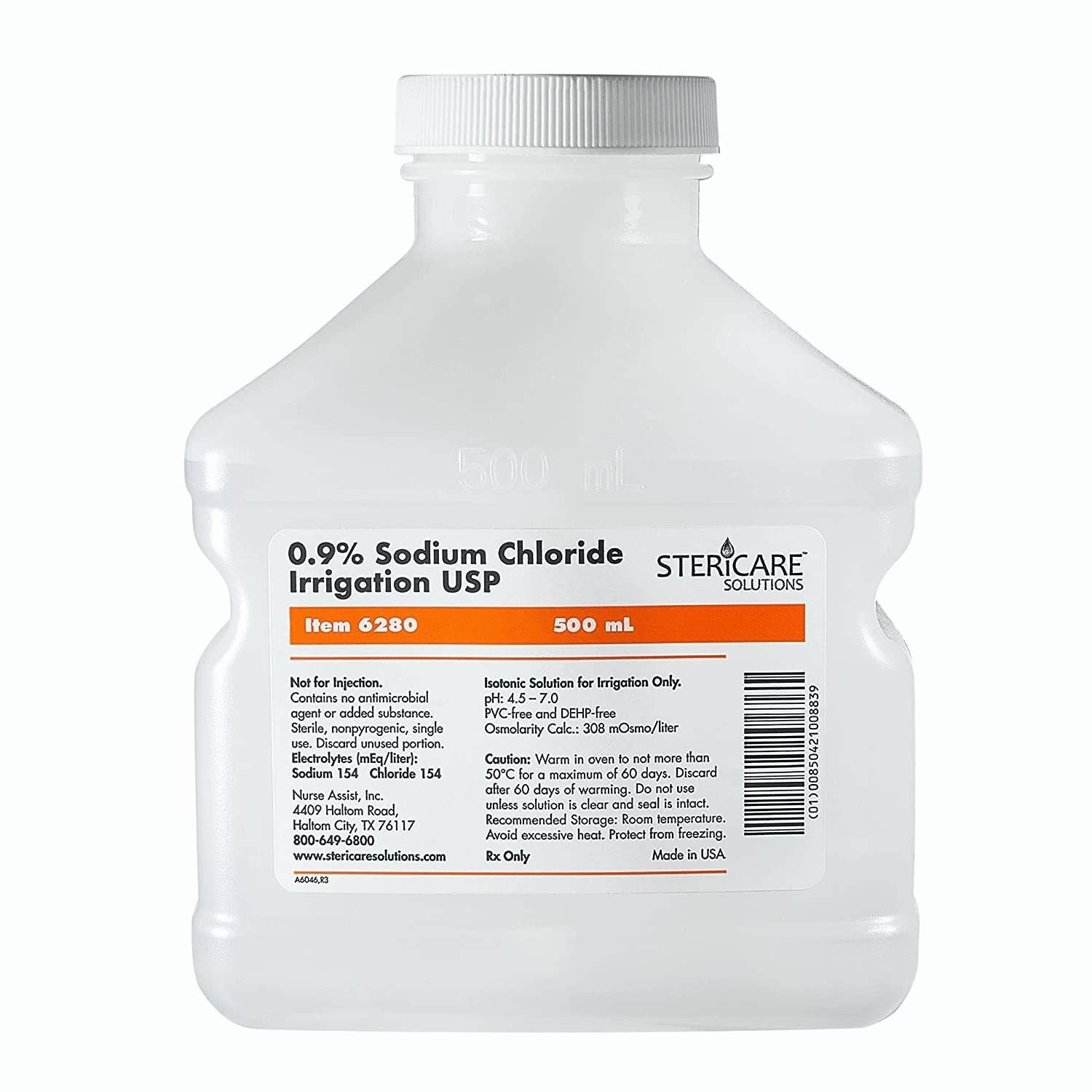
Normal Saline (Sodium Chloride) 0.9% For Irrigation Bottle 500ml 15/Bx

C$169.10
Out of stock online
In store: Check availability

Available in store

SKU: 533-JF7633P

Normal Saline 0.9% Sodium Chloride Irrigation Solution delivers sterile, isotonic wound cleansing and irrigation for safe, effective debris removal without tissue damage or cellular disruption in clinical and procedural settings.

    • Why 0.9% Isotonic Saline in 500 mL Bottles for Safe Wound Irrigation

      The 0.9% sodium chloride concentration (9 grams per liter) creates an isotonic solution with osmolality matching body fluids and tissues—this physiologic balance prevents cellular swelling or shrinkage that occurs with hypotonic or hypertonic solutions, protecting delicate healing tissue from osmotic damage while effectively loosening and flushing debris, bacteria, and devitalized tissue from wound beds. Sterile normal saline provides mechanical cleansing without the tissue toxicity associated with antiseptics like hydrogen peroxide, povidone-iodine, or chlorhexidine that kill bacteria but also damage fibroblasts and keratinocytes essential for wound healing—making saline the gold standard for routine wound irrigation and surgical site preparation. The 500 mL bottle size provides adequate volume for thorough irrigation of moderate to large wounds, surgical sites, and body cavities while remaining manageable for single-handed pouring and precise fluid control, more practical than liter bottles for most procedures yet more efficient than small unit-dose vials for substantial cleansing needs.

      Key Features & Benefits

      Key Features:

      • 0.9% sodium chloride solution (isotonic, physiologically balanced)
      • 500 mL bottle size for moderate to large irrigation needs
      • Sterile, single-use bottles prevent cross-contamination
      • Clear transparent bottles with volume markings
      • Secure tamper-evident cap ensures sterility
      • Preservative-free formulation (important for wound healing)
      • Pyrogen-free (endotoxin-free) for patient safety
      • pH-balanced (approximately 4.5-7.0) for tissue compatibility
      • Box of 15 bottles for clinical inventory management
      • Pour-spout or twist-off cap design (product dependent)
      • USP-grade ingredients meeting pharmaceutical standards
      • Compatible with wound irrigation syringes and devices
      • Room temperature stable (no refrigeration required)
      • Long shelf life (typically 2-3 years)
      • Manufactured under strict quality controls

      Benefits:

      • Isotonic solution prevents tissue damage during irrigation
      • Gentle on healing tissue compared to antiseptics
      • Effective mechanical cleansing removes debris and bacteria
      • Sterile preparation ensures infection control
      • Adequate volume for thorough wound cleansing
      • Manageable bottle size for controlled pouring
      • Single-use prevents contamination between patients
      • Preservative-free supports optimal wound healing
      • Clear bottle allows visual inspection of solution
      • Volume markings enable accurate documentation
      • Cost-effective for routine clinical use
      • No tissue toxicity like antiseptic solutions
      • Safe for all wound types and tissue exposure

      Clinical Applications

      Normal Saline 0.9% Irrigation Solution is appropriate for:

      ✓ Acute wound irrigation (lacerations, abrasions, punctures) ✓ Chronic wound cleansing (pressure ulcers, diabetic ulcers, venous ulcers) ✓ Surgical site irrigation before closure ✓ Post-operative wound cleansing ✓ Burn wound irrigation and debridement preparation ✓ Traumatic wound cleansing in emergency department ✓ Abscess irrigation after incision and drainage ✓ Foreign body removal from wounds ✓ Eye irrigation for chemical exposure or foreign bodies (ophthalmic-grade) ✓ Bladder irrigation via catheter ✓ Sinus irrigation (nasal/sinus surgery) ✓ Peritoneal irrigation during abdominal surgery ✓ Joint irrigation during arthroscopic procedures ✓ Fistula and tunnel irrigation ✓ Ostomy site cleansing ✓ Tracheostomy site cleansing ✓ Medical equipment and instrument rinsing ✓ Laboratory specimen preparation and dilution

      Usage & Application

      Pre-Use Preparation:

      1. Verify clinical indication:
        • Confirm wound irrigation ordered or per protocol
        • Assess wound characteristics (size, depth, contamination)
        • Determine irrigation volume needed
      2. Gather supplies:
        • Normal Saline 0.9% Irrigation Solution 500 mL bottle(s)
        • Irrigation syringe (35-60 mL) with catheter tip or splash shield
        • Or irrigation device (Pulsavac, Waterpik-type)
        • Sterile or clean gloves (per procedure requirements)
        • Waterproof pads or towels
        • Collection basin or emesis basin
        • Gauze pads
        • Wound dressing supplies
        • Waste container
      3. Hand hygiene:
        • Wash hands thoroughly for at least 20 seconds
        • Don appropriate PPE (gloves, gown, eye protection if splash risk)
      4. Inspect bottle:
        • Check bottle integrity (no cracks, leaks)
        • Verify expiration date
        • Inspect solution (should be clear, no particles)
        • Check for discoloration or cloudiness (indicates contamination)
        • Ensure tamper-evident seal intact
        • Discard if any concerns about sterility
      5. Warm solution (optional):
        • Room temperature saline comfortable for most patients
        • May warm to body temperature for patient comfort
        • Methods:
          • Warm water bath (do NOT microwave—can create hot spots)
          • Warming cabinet (hospital setting)
        • Verify temperature before use (not too hot—causes burns)

      Opening Bottle:

      1. Remove tamper-evident seal:
        • Peel or twist off protective seal
        • Do NOT touch bottle opening after opening
      2. Inspect solution again:
        • Look for any particles or discoloration
        • Discard if any concerns
      3. Pour technique (if using basin):
        • Hold bottle firmly
        • Pour into sterile basin or irrigation syringe
        • Avoid touching bottle opening to any surface
        • Do NOT contaminate bottle opening

      Wound Irrigation Technique:

      Method 1: Syringe Irrigation (Most Common)

      1. Position patient:
        • Position wound over collection basin or waterproof pads
        • Ensure patient comfortable
        • Protect surrounding areas from splash
      2. Fill irrigation syringe:
        • Draw saline from bottle into 35-60 mL syringe
        • Use catheter-tip syringe or attach splash shield
        • Remove large air bubbles
      3. Irrigate wound:
        • Hold syringe 2-4 inches above wound bed
        • Apply steady, moderate pressure (8-15 psi ideal)
          • Too gentle: Ineffective cleansing
          • Too forceful: Tissue damage, drives bacteria deeper
        • Direct stream across wound surface
        • Use sweeping motion to cover entire wound
        • Irrigate from cleanest to dirtiest areas
      4. Continue irrigation:
        • Refill syringe as needed
        • Use adequate volume:
          • Small clean wounds: 100-200 mL
          • Moderate wounds: 200-500 mL
          • Large or contaminated wounds: 500-1000+ mL
        • Irrigate until return fluid runs clear
      5. For deep wounds or tunnels:
        • Use catheter-tip syringe with soft catheter
        • Gently insert into tunnel or undermined area
        • Irrigate to flush debris from deep spaces
        • Do NOT force catheter or apply excessive pressure

      Method 2: Powered Irrigation Device

      1. Set up device per manufacturer instructions
      2. Fill reservoir with sterile saline
      3. Adjust pressure to appropriate setting (typically 8-15 psi)
      4. Irrigate wound with sweeping motion
      5. Advantages: Consistent pressure, less hand fatigue for large wounds

      Method 3: Direct Pour (Limited Use)

      1. For superficial wounds only
      2. Hold bottle 6-12 inches above wound
      3. Pour steadily across wound surface
      4. Less control than syringe—not ideal for most wounds

      Eye Irrigation (Chemical Exposure):

      Note: Verify solution is ophthalmic-grade if labeled specifically for eye use

      1. Position patient:
        • Lying or sitting with head tilted toward affected eye
        • Place towel under head
        • Hold basin at cheek to catch runoff
      2. Separate eyelids:
        • Gently hold eyelids open
      3. Irrigate:
        • Direct gentle stream from inner corner (near nose) toward outer corner
        • Continue for 15-20 minutes for chemical exposures
        • Encourage blinking during irrigation
      4. Check pH (for chemical burns):
        • Test tear film pH after irrigation
        • Continue irrigating until pH normalized

      Bladder Irrigation:

      1. Connect irrigation syringe to catheter port
      2. Instill 30-60 mL saline (or per order)
      3. Allow to dwell briefly (if ordered)
      4. Drain by gravity or aspiration
      5. Repeat until return clear or per protocol

      Post-Irrigation Care:

      1. Pat wound dry:
        • Use sterile or clean gauze
        • Gently blot—do NOT rub
        • Remove excess moisture
      2. Assess wound:
        • Evaluate wound bed appearance after cleansing
        • Measure wound dimensions
        • Note characteristics (color, exudate, odor)
        • Document findings
      3. Apply appropriate dressing:
        • Select dressing based on wound type and drainage
        • Apply per wound care protocol
      4. Dispose of materials:
        • Single-use bottle: Discard after opening (even if solution remains)
        • Do NOT save opened bottle for later use
        • Place in appropriate waste container
        • Biohazard waste if heavily contaminated
      5. Remove PPE and hand hygiene
      6. Document:
        • Date, time, solution used, volume used
        • Wound assessment
        • Patient tolerance
        • Any complications

      Storage:

      Unopened Bottles:

      • Store at room temperature 15-30°C (59-86°F)
      • Protect from freezing and excessive heat
      • Keep in original packaging until use
      • Store in clean, dry area
      • Check expiration dates regularly
      • Rotate stock using FIFO (first in, first out)
      • Shelf life typically 2-3 years

      Opened Bottles:

      • Use immediately after opening
      • Do NOT save for later use
      • Discard any unused portion
      • Once opened, sterility compromised
      • Bacteria can multiply rapidly in saline
      • Using non-sterile saline increases infection risk significantly

      Troubleshooting:

      Solution appears cloudy or discolored:

      • Do NOT use—indicates contamination or degradation
      • Discard bottle immediately
      • Report quality concern to supplier

      Particles visible in solution:

      • Do NOT use—foreign material present
      • Discard bottle
      • May indicate manufacturing defect or storage damage

      Bottle leaking or damaged:

      • Sterility compromised
      • Discard immediately
      • Do NOT attempt to use

      Inadequate irrigation pressure with syringe:

      • Use larger syringe (35-60 mL provides better pressure)
      • Check that splash shield not clogged
      • May need powered irrigation device for very contaminated wounds

      Wound not adequately cleansed:

      • May need larger volume of saline
      • Increase irrigation pressure (within safe range)
      • May need mechanical debridement in addition to irrigation
      • Some debris may require sharp debridement

      Patient reports pain during irrigation:

      • Reduce irrigation pressure
      • Ensure solution at comfortable temperature
      • Some pain normal, especially in fresh wounds
      • Provide analgesia if needed before irrigation
      • Very painful: assess for exposed nerve or bone

      Excessive splash during irrigation:

      • Use splash shield on syringe
      • Reduce irrigation pressure
      • Better patient positioning
      • Wear appropriate PPE (face shield, gown)

      Special Considerations:

      Contaminated wounds:

      • Use copious amounts of saline (1-2 liters may be needed)
      • High-pressure irrigation more effective for removing bacteria
      • May need multiple irrigation sessions
      • Consider adjunctive therapies (debridement, antibiotics)

      Diabetic ulcers:

      • Gentle irrigation to remove loose debris
      • Do NOT irrigate too aggressively (damages fragile tissue)
      • Regular irrigation important for infection prevention
      • Address underlying issues (glucose control, offloading)

      Pressure ulcers:

      • Irrigate to remove slough and debris
      • Gentle technique for fragile tissue
      • Undermining and tunneling require catheter irrigation
      • Combine with appropriate dressing selection

      Surgical wounds:

      • Pre-closure irrigation reduces infection rates
      • Irrigate with adequate volumes
      • May use pulse lavage in OR
      • Post-operative irrigation for wound care as needed

      Burns:

      • Copious irrigation removes debris and contaminants
      • Room temperature or slightly warm saline
      • Gentle technique—burned tissue extremely fragile
      • Continue irrigation as part of burn care protocol

      Eye irrigation:

      • Use only if solution labeled ophthalmic-grade
      • Prolonged irrigation for chemical burns (15-20 minutes minimum)
      • Foreign body removal may require irrigation
      • Refer to ophthalmology for serious injuries

      Pediatric patients:

      • Same principles apply
      • Adjust volume to wound size
      • Use gentle pressure (children's tissues more delicate)
      • Distraction techniques during procedure
      • Parent presence often helpful

      Geriatric patients:

      • Fragile skin and tissue
      • Use gentle irrigation pressure
      • Pat dry carefully (fragile skin tears easily)
      • Monitor for hypothermia if irrigating large areas

      Immunocompromised patients:

      • Strict sterile technique critical
      • Use adequate volumes to thoroughly cleanse
      • Monitor closely for infection
      • May need more frequent irrigation

      Home healthcare:

      • Teach patients/caregivers proper technique
      • Emphasize single-use importance
      • Demonstrate irrigation pressure and technique
      • Provide written instructions
      • Arrange for adequate supply of bottles
      • Schedule nursing visits to assess progress

      Infection Control:

      • Always use sterile saline for wound irrigation
      • Single-use bottles only
      • Never reuse opened bottles
      • Never share bottles between patients
      • Do NOT top off bottles with new solution
      • Use aseptic technique throughout procedure
      • Change gloves between patients
      • Clean equipment after use

      When NOT to Use:

      • Do NOT use for:
        • Intravenous administration (requires IV-grade saline)
        • Injection (not for parenteral use)
        • Wounds with active arterial bleeding (control bleeding first)
        • Exposed organs without surgical guidance
      • Not appropriate for:
        • Situations requiring antimicrobial solutions
        • Deep abscess cavities requiring surgical drainage
        • Contaminated wounds where antiseptic indicated

      Comparison to Alternatives:

      Normal Saline vs. Tap Water:

      • Saline sterile; tap water may contain bacteria
      • Studies show tap water acceptable for some clean wounds (consult protocol)
      • Always use sterile saline for surgical wounds, deep wounds, immunocompromised
      • Tap water not appropriate in clinical settings

      Normal Saline vs. Antiseptics (Betadine, Hydrogen Peroxide, Chlorhexidine):

      • Saline: No tissue toxicity, safe for repeated use, gentle on healing
      • Antiseptics: Kill bacteria but also damage healing cells, delay wound healing
      • Clinical recommendation: Use saline for routine wound cleansing; antiseptics for specific contaminated situations only

      Normal Saline vs. Wound Cleansers:

      • Commercial wound cleansers contain surfactants
      • May be more effective for thick biofilm or adherent debris
      • More expensive than saline
      • Saline adequate for most routine cleansing

      When to Contact Healthcare Provider:

      • Wound shows signs of infection after irrigation
      • Wound not healing despite proper irrigation
      • Patient develops fever, increasing pain, or systemic symptoms
      • Excessive bleeding during or after irrigation
      • Wound appears larger or deeper after irrigation
      • Questions about irrigation technique or frequency
      • Need for specialized wound care consultation

      Regulatory and Quality Standards:

      • Manufactured to USP (United States Pharmacopeia) standards
      • Sterile via validated sterilization process
      • Non-pyrogenic (tested for endotoxins)
      • pH-balanced to physiologic range
      • Meets FDA requirements for irrigation solutions
      • Manufactured in FDA-registered facilities following cGMP
      • Quality tested for sterility, pH, osmolality, particulate matter

      Technical Specifications

      Product Details:

      • Product Name: Normal Saline 0.9% Sodium Chloride Irrigation Solution
      • Active Ingredient: 0.9% Sodium Chloride USP (9 g/L, 0.9% w/v)
      • Concentration: 154 mEq/L sodium, 154 mEq/L chloride
      • Osmolality: Approximately 308 mOsm/kg (isotonic)
      • pH: Approximately 4.5-7.0 (physiologically compatible)
      • Solution Type: Clear, colorless aqueous solution
      • Sterility: Sterile until opened
      • Preservatives: None (preservative-free)
      • Additives: None (pure saline solution)
      • Pyrogenicity: Non-pyrogenic (endotoxin-free)
      • Bottle Size: 500 mL (16.9 fluid ounces)
      • Bottle Material: Medical-grade plastic (PET or similar)
      • Closure Type: Tamper-evident twist-off cap or pour spout
      • Packaging: Box of 15 bottles (7.5 liters total)
      • Individual Packaging: Each bottle individually sealed
      • Latex Content: Latex-free
      • DEHP-Free: Typically yes (verify specific product)
      • Shelf Life: Typically 2-3 years from manufacture date
      • Storage: Room temperature 15-30°C (59-86°F); protect from freezing
      • Intended Use: External irrigation and wound cleansing ONLY (not for injection)
      • Route: External/topical irrigation only
      • Disposal: Discard unused portion after opening; follow facility waste protocols
      • Regulatory Status: FDA-regulated medical device/drug product
      • USP Standards: Meets USP specifications for 0.9% Sodium Chloride Irrigation
      • Manufacturer: Varies (check bottle labeling)
    • No reviews yet

      Add yours

    Testimonials from Google

    See all reviews

    Your cart — 0

    You cart is currently empty

    Login

    By using our website, you agree to the use of cookies. These cookies help us understand how customers arrive at and use our site and help us make improvements. Hide this message More on cookies »