Slideshow Items

  • Transfer Aids
  • mobility/transfer-aids
  • Mobility
  • mobility
PCP-PCP Medical

  |  

PCP Convolute Foam Cushion 4"

C$49.99
In stock online
In store: Check availability

Available in store

SKU: 6221

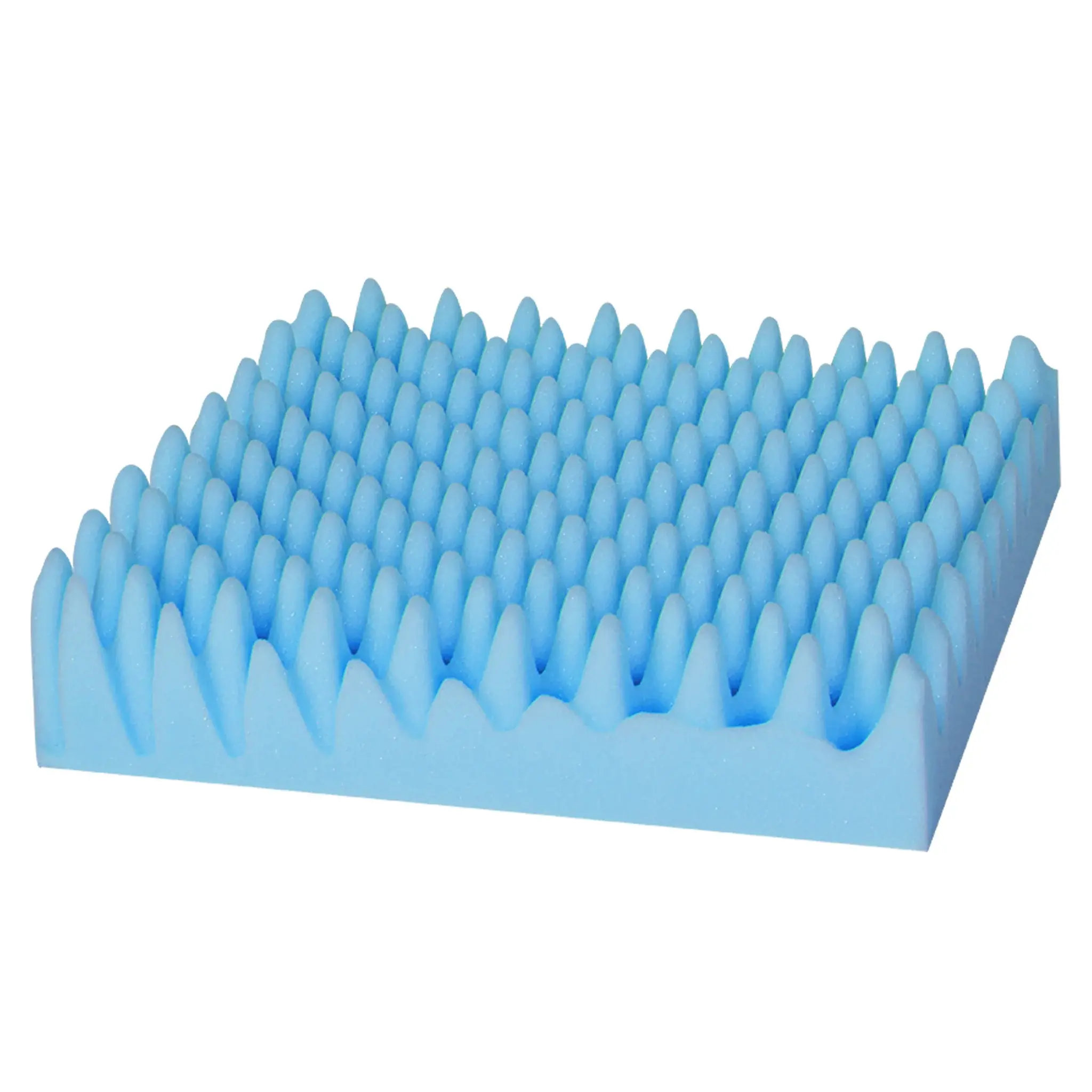
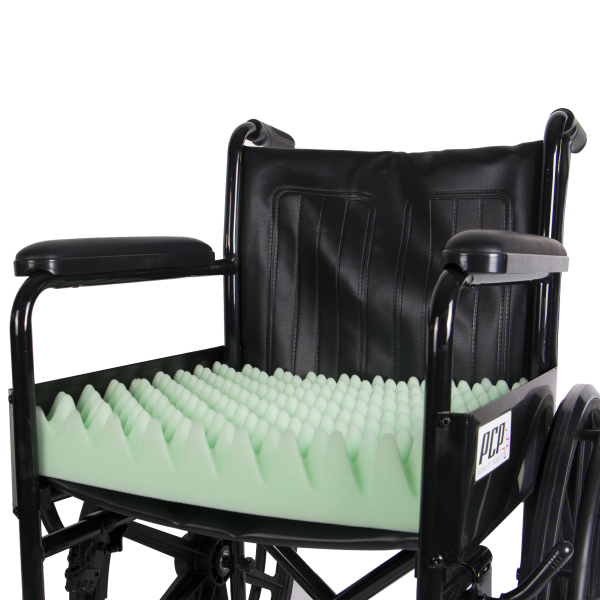
Convoluted foam with open-cell construction delivers pressure relief and enhanced airflow for seated comfort while the breathable design and lightweight portability enable versatile use on wheelchairs, office chairs, or vehicle seats for extended sitting.

    • Why Convoluted Egg-Crate Foam Design

      The distinctive egg-crate surface pattern increases contact area distribution compared to flat foam surfaces, spreading body weight across more support points to reduce peak pressures on vulnerable anatomical regions including ischial tuberosities (sit bones), coccyx (tailbone), and posterior thighs. The convoluted peaks and valleys create air channels that facilitate continuous airflow circulation, reducing heat and moisture accumulation that contributes to skin breakdown and discomfort during prolonged sitting. At 4 inches thick, this cushion provides substantial cushioning depth while maintaining practical portability for everyday use across multiple seating environments.

      Key Features

      • 4-inch thickness provides substantial cushioning and support
      • Convoluted egg-crate surface pattern for pressure distribution
      • Open-cell polyurethane foam construction for breathability
      • Air channels between convoluted peaks enhance ventilation
      • Lightweight design enables easy transport between locations
      • Fits most standard wheelchair, office chair, and vehicle seats
      • Optional removable cover with zipper for cleaning (model-dependent)
      • Cover options include breathable knit or durable vinyl
      • Square/rectangular form factor accommodates various seat dimensions
      • Versatile application across home, clinical, and travel settings
      • Simple maintenance with spot-cleaning capability
      • Cost-effective comfort solution without complex mechanisms
      • Non-powered design requires no electricity or batteries

      Benefits

      • Reduces pressure points on hips, thighs, and tailbone
      • Helps prevent pressure-related discomfort during extended sitting
      • Enhances airflow to support skin wellness and temperature regulation
      • Improves sitting tolerance for work, travel, and daily activities
      • Adds plush comfort without excessive bulk or weight
      • Portable design enables consistent seating comfort across environments
      • Low-maintenance solution compared to complex seating systems
      • Economical pressure relief option for budget-conscious users
      • Suitable for preventive comfort or mild pressure concerns
      • Easy to implement without professional fitting requirements
      • Machine-washable cover (when included) simplifies hygiene maintenance
      • Versatile use across wheelchairs, recliners, office chairs, and vehicles

      Clinical Applications

      ✓ Wheelchair users requiring pressure relief during daily activities ✓ Office workers experiencing tailbone or hip discomfort ✓ Vehicle drivers and passengers on long commutes or road trips ✓ Elderly individuals with reduced tissue tolerance ✓ Post-surgical patients requiring gentle seating support ✓ Individuals with mild pressure concerns or Stage I prevention ✓ Home-bound patients spending extended periods seated ✓ Clinic waiting room and treatment chair comfort enhancement ✓ Hospice and palliative care comfort measures ✓ Nursing home and assisted living resident comfort ✓ Rehabilitation facility patient seating during therapy ✓ Post-hospitalization home comfort during recovery ✓ Pregnant women experiencing tailbone discomfort ✓ Athletes recovering from coccyx or hip injuries

      Usage & Application

      Cushion Orientation and Placement: Position the cushion with the convoluted (egg-crate) side facing up—the peaks should point toward the user's body, not toward the seat surface. The flat side rests against the chair or wheelchair seat. This orientation ensures the convoluted peaks compress appropriately under body weight while maintaining air channels for ventilation. Verify the cushion covers the entire seating surface, extending from the backrest forward to the front edge of the seat for comprehensive pressure distribution.

      Securing Cushion Position: While most convoluted foam cushions rely on friction and body weight for stability, some models include straps or non-slip backing to prevent shifting. If straps are present, thread them under the seat and secure according to manufacturer instructions. For wheelchairs, ensure the cushion doesn't interfere with proper positioning or transfer safety. The cushion should remain stationary during weight shifts and positional changes without bunching or sliding.

      Cover Installation (When Included): If a removable zippered cover is provided, unzip completely and lay flat. Position the foam cushion in the center of the cover with the convoluted side aligned to face the cover's top surface. Wrap the cover around the cushion, working from one end to the other to minimize air pockets. Close the zipper completely, ensuring smooth closure without catching foam. The cover protects the foam from soiling, extends cushion lifespan, and provides a more finished appearance.

      Initial Seating and Adjustment: When first using the cushion, sit slowly to allow the foam to compress and conform to body contours. The convoluted peaks will compress under pressure while valleys maintain air circulation. Adjust positioning if needed to ensure the cushion remains centered under the pelvis and thighs. Some users require a brief adaptation period (1-3 days) as they adjust to the different seating surface compared to flat cushions or bare seats.

      Optimal Sitting Posture: Even with pressure-relieving cushions, proper sitting posture enhances comfort and effectiveness. Sit with weight distributed evenly across both hips, spine in neutral alignment, and feet flat on footrests or floor. Avoid prolonged leaning to one side or perching on the front edge of the seat. Adjust wheelchair or chair height to maintain appropriate hip and knee angles (typically 90-100 degrees). The cushion works most effectively when body weight distributes across the entire seating surface rather than concentrating on limited contact points.

      Pressure Relief Techniques: While the cushion provides continuous pressure distribution, users should still perform regular pressure reliefs for optimal tissue health. Wheelchair users should perform weight shifts every 15-30 minutes: push up on armrests to lift buttocks off cushion for 30-60 seconds, lean forward at hips to redistribute pressure, or lean side-to-side. These movements, combined with the cushion's pressure-distributing properties, provide comprehensive pressure management during extended sitting periods.

      Skin Inspection Protocols: Remove the cushion daily (typically before bed) to inspect skin condition, particularly for wheelchair users or individuals with impaired sensation. Check for: persistent redness lasting more than 30 minutes after pressure removal, skin discoloration, warmth, tenderness, or tissue changes. Early pressure injury detection enables prompt intervention. Individuals with diabetes, spinal cord injuries, or peripheral vascular disease require particularly vigilant monitoring due to elevated pressure injury risk.

      Duration of Use: The cushion is designed for all-day use during sitting activities. For wheelchair users, the cushion can remain in place throughout waking hours and during transfers. Remove the cushion during sleep to allow skin exposure to air and alternating pressure relief. Office workers may use the cushion continuously during work hours. Vehicle drivers should use the cushion during commutes and long trips. Replace or supplement with specialized medical-grade cushions if pressure injuries develop despite proper use.

      Multi-Environment Applications: The lightweight, portable design enables consistent pressure relief across multiple seating locations. Transport the cushion between home, work, and vehicle for uninterrupted comfort. Some users maintain multiple cushions (one for each primary seating location) to eliminate transport requirements. The cushion works effectively on: manual and power wheelchairs, office desk chairs, dining chairs, recliners, vehicle seats (driver and passenger), stadium seating, and other firm seating surfaces requiring added cushioning.

      Temperature and Airflow Benefits: The open-cell foam structure and convoluted design create air channels that facilitate heat and moisture dissipation. This ventilation reduces the "hot seat" effect common with solid cushions, particularly important during summer months or in warm climates. Enhanced airflow supports skin integrity by minimizing maceration (moisture-related skin softening) that increases pressure injury susceptibility. Users in hot environments or those prone to perspiration particularly benefit from this breathable construction.

      Compression and Recovery: Convoluted foam naturally compresses under body weight and recovers when weight is removed. Initial compression may feel substantial during first use as the foam adapts to body contours. The foam should recover to approximately 90% of original height within 10-15 minutes after weight removal. If compression becomes excessive or recovery time lengthens significantly, the foam may be fatiguing and approaching replacement time (typically 6-12 months with regular use).

      Cleaning and Maintenance: If the cushion includes a removable cover, unzip and machine wash per manufacturer instructions (typically cold water, gentle cycle, air or low-heat dry). Clean the foam core only by spot-cleaning with mild soap and damp cloth—never submerge foam in water or machine wash, as saturation compromises structural integrity and requires extensive drying time. Allow foam to air dry completely (24-48 hours if spot-cleaned) before replacing cover and resuming use. Vacuum the convoluted surface monthly to remove dust and debris from valleys.

      Lifespan and Replacement Indicators: Convoluted foam cushions typically provide 6-12 months of effective pressure relief with daily use before replacement is needed. Replace the cushion when: foam compression becomes permanent (doesn't recover to original thickness), valleys between peaks break down or tear, user experiences discomfort or pressure issues despite previous effectiveness, foam develops odors despite cleaning, or visible degradation occurs. High-use individuals (wheelchair users sitting 8+ hours daily) may require more frequent replacement than occasional users.

      Not a Medical Treatment Device: This cushion provides comfort enhancement and pressure distribution for general seating but is not classified as a medical treatment device for pressure injury prevention or treatment. Individuals with existing pressure injuries (Stage II or higher), high pressure injury risk, or specific medical seating needs should consult with occupational therapists, physical therapists, or seating specialists regarding medical-grade cushion systems. Insurance coverage for specialized pressure-relieving cushions often requires professional evaluation and prescription.

      When to Upgrade to Medical-Grade Cushions: Seek professional seating evaluation if: pressure injuries develop despite cushion use, the user has impaired sensation or mobility, the user sits 8+ hours daily in wheelchair, medical conditions elevate pressure injury risk (spinal cord injury, diabetes, peripheral vascular disease), or comfort needs exceed what general foam cushions provide. Medical-grade options include: gel cushions, air-filled cushions, alternating pressure systems, and custom-molded seating—each offering specialized pressure management for clinical needs.

      Technical Specifications

      • Product: 4-Inch Convoluted Foam Seat Cushion
      • Design: Egg-crate convoluted surface pattern
      • Thickness: 4 inches
      • Material: Polyurethane foam (open-cell construction)
      • Density: Medium-density foam (specific density varies by manufacturer)
      • Surface Pattern: Convoluted peaks and valleys for pressure distribution
      • Form Factor: Square or rectangular (dimensions vary by model)
      • Common Dimensions:
        • Small: 14" x 14" or 16" x 16"
        • Medium: 16" x 18" or 18" x 18"
        • Large: 18" x 20" or 20" x 20"
        • Verify specific model dimensions
      • Cover Options (model-dependent):
        • Removable zippered cover
        • Breathable knit fabric or vinyl
        • Machine-washable (follow label instructions)
        • Some models sold without cover (foam only)
      • Weight: Lightweight (approximately 1-3 lbs depending on size)
      • Color: Varies (foam typically white/beige; covers vary)
      • Orientation: Convoluted side up, flat side down
      • Applications: Wheelchairs, office chairs, dining chairs, vehicle seats, recliners
      • Intended Use: Comfort aid and pressure distribution for general seating
      • Cleaning:
        • Foam: Spot-clean only with mild soap and damp cloth
        • Cover: Machine wash per label (typically cold water, gentle cycle)
      • Lifespan: 6-12 months with regular use
      • Weight Capacity: Suitable for most adult users (verify specific model rating)
      • Warranty: Varies by manufacturer (typically 30-90 days)
      • Not Classified: Not a medical device; not for treatment of existing pressure injuries
    • No reviews yet

      Add yours

    Testimonials from Google

    See all reviews

    Recently viewed

    Your cart — 0

    You cart is currently empty

    Login