Slideshow Items

  • Transfer Aids
  • mobility/transfer-aids
  • Mobility
  • mobility
NHK-Nighthawk

  |  

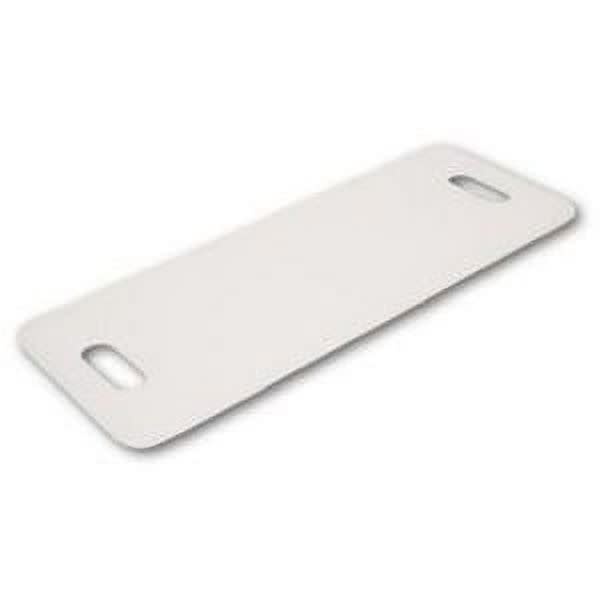
Plastic Transfer Board 30" x 12" x 1 1/2"

C$160.00
In stock online
In store: Check availability

Available in store

SKU: MISCEL

Rigid plastic slide board bridging transfer surfaces enabling safe lateral movement with reduced caregiver lifting. Smooth low-friction surface facilitates controlled scooting while beveled edges prevent snagging during wheelchair transfer.

    • Why Slide Board Transfers Matter

      Manual lifting creates severe occupational injury risk for caregivers while compromising safety and dignity for transfer-dependent individuals. Two-person lifts require caregiver coordination availability not consistently present in home settings, forcing single caregivers to attempt unsafe solo lifting resulting in back injuries, patient falls, and care provision interruption. Slide boards eliminate vertical lifting by converting transfers to lateral scooting motion distributing forces horizontally across gluteal surface rather than concentrating load on caregiver's lumbar spine, enabling safe single-caregiver transfers for users retaining adequate upper body strength and sitting balance.

      Key Features

      • Rigid Construction: Maintains structural integrity under user weight preventing dangerous flexing
      • Smooth Surface: Low-friction polyethylene enables controlled sliding without excessive resistance
      • Beveled Edges: Tapered perimeter reduces snagging on clothing, skin, or transfer surface edges
      • 30" Length: Extended reach bridges wider gaps between wheelchair and transfer surfaces
      • 300 lb Capacity: Standard load rating accommodates typical adult user population
      • HDPE Material: Durable high-density polyethylene resists cracking, warping, and daily wear
      • Easy Cleaning: Non-porous surface wipes clean with standard disinfectants
      • Lightweight Portability: Single-piece design enables easy carrying and storage

      Benefits

      • Caregiver Injury Prevention: Eliminates heavy lifting reducing back strain and musculoskeletal injury risk
      • Single-Caregiver Independence: Enables one person to assist transfers without requiring second caregiver
      • User Dignity Preservation: Reduces physical handling maintaining personal autonomy during transfers
      • Controlled Movement: User maintains partial control scooting across board vs. passive lifting
      • Versatile Applications: Functions for multiple transfer scenarios (bed, chair, toilet, vehicle, tub)
      • Cost-Effective Solution: Low-cost transfer aid vs. mechanical lifts ($50 vs. $2,000+)
      • Home Care Suitable: Compact storage and simple use in residential settings
      • Infection Control: Smooth surface prevents bacterial harboring between cleanings

      Clinical Applications

      ✓ Hip/Knee Replacement Recovery: Post-surgical patients with weight-bearing restrictions needing safe transfers
      ✓ Spinal Cord Injury: Wheelchair users with upper body strength performing independent transfers
      ✓ Stroke with Hemiplegia: Users with one functional arm executing sliding transfers
      ✓ Lower Extremity Amputation: Bilateral or unilateral amputees unable to stand during transfers
      ✓ Multiple Sclerosis: Progressive weakness requiring caregiver-assisted sliding transfers
      ✓ Elderly Frailty: Seniors with standing instability but adequate sitting balance
      ✓ Bariatric Patients: Heavy individuals exceeding safe manual lifting capacity
      ✓ Home Health Care: Family caregivers assisting transfer-dependent relatives
      ✓ Long-Term Care Facilities: Nursing home transfers reducing staff injury rates
      ✓ Rehabilitation Settings: Therapy departments training patients in transfer techniques
      ✓ Hospital Discharge: Post-acute patients transitioning home needing transfer equipment
      ✓ Vehicle Transfers: Wheelchair users accessing cars requiring lateral sliding into seats

      Usage & Application

      Initial Assessment & User Selection

      Determining Slide Board Appropriateness:

      1. Assess user's sitting balance—must maintain upright position without external support
      2. Evaluate upper body strength—user needs arm strength to push/scoot across board
      3. Check cognitive status—user must understand and follow transfer instructions
      4. Measure transfer gap—30" board bridges typical wheelchair-to-bed distances
      5. Verify weight capacity—user weight must not exceed 300 lb board rating

      When Slide Boards Are APPROPRIATE:

      • User has good sitting balance (can sit unsupported 30+ seconds)
      • User has functional upper extremities (at least one arm with good strength)
      • User understands instructions and can cooperate during transfer
      • Transfer surfaces at approximately same height (within 2-3")
      • Caregiver available to assist and ensure safety

      When Slide Boards Are NOT APPROPRIATE:

      • User has poor trunk control (cannot sit unsupported)
      • User lacks upper body strength (cannot push with arms)
      • User has severe cognitive impairment (cannot follow directions)
      • User completely dependent (no active participation possible)
      • Transfer surfaces have large height difference (>3-4")
      • User weighs over board capacity (typically 300 lbs standard boards)

      Alternative Solutions When Inappropriate:

      • Mechanical lift: For completely dependent users without sitting balance
      • Stand-pivot transfer: For users able to bear weight on legs
      • Two-person manual lift: For dependent users when mechanical lift unavailable
      • Higher-capacity slide board: For users 300-400 lbs (bariatric slide boards available)

      Preparation & Setup

      Positioning Transfer Surfaces:

      1. Lock wheelchair brakes preventing movement during transfer
      2. Position wheelchair at 20-45° angle to target surface (bed, chair, toilet)
      3. Remove or swing away wheelchair armrest on transfer side
      4. Adjust surface heights—wheelchair seat and target surface ideally at same level
      5. If height mismatch exists: Raise bed, add wheelchair cushion, or use transfer technique compensating for difference

      Clearing Transfer Path:

      1. Remove wheelchair footrests—swing away or remove entirely
      2. Remove wheelchair cushion on transfer side if creates height differential
      3. Clear obstacles from transfer area (IV poles, bedside tables, walkers)
      4. Ensure adequate space for caregiver to assist from appropriate position
      5. Position bed at comfortable working height for caregiver (typically waist level)

      Slide Board Placement:

      1. Position slide board at 45° angle bridging wheelchair seat to target surface
      2. Insert board edge under user's thigh on transfer side (2-4" under buttock)
      3. Ensure board extends fully onto target surface providing complete bridge
      4. Verify board stable—should not shift during weight-bearing
      5. Check beveled edge oriented correctly (smooth transition from clothing/skin)

      Transfer Execution – User Techniques

      Standard Sliding Transfer (User with Good Upper Body Strength):

      1. User leans toward side opposite transfer direction (shifts weight off transfer side)
      2. User places hands on wheelchair armrest (non-transfer side) and board surface
      3. User pushes down with arms lifting buttocks slightly off wheelchair seat
      4. User scoots/slides laterally across board 2-3" per movement
      5. User repeats small incremental slides until fully on target surface
      6. Caregiver monitors throughout providing verbal cues and light guidance

      Caregiver-Assisted Sliding Transfer (User with Limited Strength):

      1. Caregiver positions behind or to side of user providing trunk support
      2. User leans forward and to side shifting weight off transfer direction
      3. Caregiver assists lifting user's buttocks slightly (minimizing load vs. full lift)
      4. Caregiver guides user's lateral movement across board in small increments
      5. User actively participates pushing with arms as able
      6. Repeat assisted slides until user completely on target surface

      Multiple-Segment Technique (for Longer Distances):

      1. Complete initial slide moving user 6-8" across board
      2. Pause allowing user to rest and reposition hands
      3. Continue with second slide segment advancing another 6-8"
      4. Repeat until user reaches target surface
      5. Total transfer may involve 3-5 slide segments for 30" board span

      Safety Protocols During Transfer

      Caregiver Positioning:

      • Behind user: Hands around trunk providing anterior support preventing forward falls
      • Transfer side: One hand on user's hip guiding lateral movement, other hand securing board
      • NEVER pull user: Guide and support only—allow user to actively scoot using own strength

      Preventing Forward Falls:

      1. User maintains forward lean throughout transfer (weight shifts toward transfer direction)
      2. Caregiver's hands on user's shoulders or trunk prevent excessive forward pitch
      3. If user begins falling forward: Caregiver eases user down to lying position on bed (controlled descent vs. free fall)
      4. User instructed to "look toward where you're going" maintaining trunk upright

      Board Slippage Prevention:

      1. Caregiver's hand maintains board position during transfer
      2. Non-slip pads under board ends reduce sliding on smooth surfaces
      3. If board shifts: STOP transfer, reposition board securely, then resume
      4. Never continue transfer with unstable board (high fall risk)

      Managing Clothing Bunching:

      • User wearing smooth fabric clothing (nylon, polyester) slides easier than cotton/denim
      • Pull clothing smooth before starting transfer reducing friction
      • If clothing bunches during transfer: Pause, smooth fabric, resume
      • Some users find brief compression shorts over underwear reduce friction and bunching

      Specific Transfer Applications

      Wheelchair to Bed Transfer:

      1. Position wheelchair parallel to bed at ~30° angle
      2. Lock brakes, remove armrest, swing away footrests
      3. Place slide board from wheelchair seat to bed surface
      4. User slides across board to bed
      5. Once on bed, remove slide board before user lies down
      6. Assist with leg swing onto bed if needed

      Wheelchair to Toilet Transfer:

      1. Position wheelchair beside toilet at 20-45° angle
      2. Lock brakes, remove/swing armrest closest to toilet
      3. Place slide board bridging wheelchair to toilet seat
      4. User slides onto toilet (board remains under buttocks during use)
      5. After toileting, user slides back to wheelchair
      6. Remove slide board after returning to wheelchair

      Wheelchair to Car Transfer:

      1. Position wheelchair beside open car door parallel to car seat
      2. Adjust car seat height if possible (some vehicles allow vertical adjustment)
      3. Place slide board bridging wheelchair to car seat
      4. User slides into car seat
      5. Caregiver assists with leg swing into vehicle
      6. Remove slide board before closing door

      Bed to Chair Transfer (opposite direction):

      1. User positioned at edge of bed
      2. Wheelchair positioned at angle beside bed
      3. Slide board placed from bed to wheelchair seat
      4. User slides from bed across board to wheelchair
      5. Remove board, position footrests, restore armrest

      Troubleshooting Common Transfer Challenges

      User Cannot Scoot (Too Heavy, Too Weak, Too Slippery):

      Problem: User's weight creates excessive friction

      • Solution: Sprinkle talcum powder on board surface reducing friction
      • Alternative: Use fabric-covered board (separate product) providing different texture

      Problem: User lacks arm strength to push

      • Solution: Caregiver provides more active assistance lifting buttocks
      • Alternative: Consider mechanical lift if user cannot participate actively

      Problem: Board too slippery (user sliding uncontrolled)

      • Solution: Place thin towel on board section under buttocks adding slight friction control
      • Caution: Don't add too much friction negating sliding advantage

      Transfer Surfaces Height Mismatch:

      Problem: Bed higher than wheelchair

      • Solution: User slides upward onto higher surface (requires more upper body strength)
      • Technique: User pushes down forcefully with arms propelling buttocks upward/across
      • Alternative: Lower bed height OR add wheelchair cushion raising wheelchair seat

      Problem: Wheelchair higher than bed

      • Solution: User slides downward (easier than upward—gravity assists)
      • Technique: Control descent speed preventing uncontrolled sliding
      • Caution: Risk of sliding too fast—caregiver must control speed

      Board Slipping During Transfer:

      Problem: Board slides off wheelchair seat

      • Solution: Place non-slip mat/dycem under board end on wheelchair
      • Technique: Caregiver maintains hand on board stabilizing during transfer

      Problem: Board slides off bed

      • Solution: Place non-slip pad under board end on bed surface
      • Alternative: Tuck board under fitted sheet edge anchoring position

      Clothing/Skin Snagging on Board Edge:

      Problem: Clothing catches on board causing discomfort

      • Solution: Ensure beveled edge properly oriented (smooth side toward skin/clothing)
      • Technique: Pull clothing smooth before transfer
      • Alternative: User wears smooth nylon/polyester pants during transfers

      Problem: Skin pinches between board and seat

      • Solution: Ensure adequate board insertion under thigh (2-4" minimum)
      • Technique: User slightly lifts buttock during board placement preventing pinching

      Maintenance & Care

      Daily Cleaning After Each Use:

      1. Wipe board surface with damp cloth removing skin oils, dirt, debris
      2. Use mild soap solution for stubborn residues
      3. Dry thoroughly before storage preventing moisture accumulation
      4. Inspect surface for damage: cracks, sharp edges, rough spots

      Weekly Deep Cleaning:

      1. Wash entire board with soap and water
      2. Rinse thoroughly removing all soap residue
      3. Sanitize with hospital-grade disinfectant if used in facility setting
      4. Allow complete air drying before storage
      5. Inspect board integrity: Check for stress cracks, warping, edge damage

      Disinfection Protocols (Facility/Multi-User Settings):

      • Between users: Wipe with EPA-registered disinfectant (e.g., bleach solution, quaternary ammonium)
      • Contact time: Follow manufacturer's instructions (typically 1-10 minutes)
      • Rinse: Remove disinfectant residue if required by product instructions
      • Drying: Allow complete drying preventing slip hazard from wet surface

      Storage Guidelines:

      • Store flat or leaning against wall in dry location
      • Avoid extreme temperatures (freezing or excessive heat causing material degradation)
      • Keep away from sharp objects preventing scratches or gouges
      • Ensure accessible location for frequent use without requiring heavy lifting to retrieve

      Inspection & Replacement Criteria:

      Inspect monthly for:

      • Surface cracks: Even small cracks can propagate causing board failure
      • Warping: Board must remain flat—warped boards create unstable transfer surface
      • Edge damage: Chipped or rough edges increase snagging and skin injury risk
      • Discoloration: Yellowing or staining (cosmetic but may indicate material degradation)

      Replace board if:

      • Any crack longer than 1" detected (structural compromise)
      • Board shows significant warping (>1/2" deviation from flat)
      • Edges sharp or jagged after damage
      • Surface rough or textured from wear (increases friction)
      • Board previously involved in failure/fall incident (hidden damage possible)

      Typical Lifespan:

      • Home use (1-2 transfers daily): 5-10 years with proper care
      • Facility use (10-20 transfers daily): 2-5 years before replacement needed
      • Heavy institutional use: 1-3 years (high-frequency transfers accelerate wear)

      Training & Education

      User Training (Teaching Patient to Transfer):

      1. Demonstration: Physical therapist demonstrates proper technique
      2. Verbal instruction: Explain each step of transfer process
      3. Hands-on practice: User attempts transfer with therapist assistance
      4. Repetition: Multiple practice sessions building confidence and skill
      5. Problem-solving: Address specific challenges user encounters
      6. Independence progression: Gradually reduce therapist assistance as competence increases

      Caregiver Training (Teaching Family Members):

      1. Body mechanics: Proper posture preventing caregiver back injury
      2. Positioning: Where to stand/how to support user during transfer
      3. Verbal cueing: What instructions to give user during transfer
      4. Emergency response: What to do if user begins falling
      5. Equipment care: Cleaning, inspection, storage protocols
      6. When to seek help: Recognizing when slide board inappropriate and professional assistance needed

      Occupational/Physical Therapy Assessment:

      • Therapist evaluates user's transfer capabilities
      • Determines appropriate transfer method (slide board vs. alternatives)
      • Trains user and caregiver in proper technique
      • Provides equipment recommendations (board length, style, accessories)
      • Establishes home exercise program building strength for transfers
      • Schedules follow-up ensuring continued safe transfer performance

      Professional Considerations

      When to Recommend Slide Board:

      • User has adequate sitting balance and upper body strength
      • Caregiver available to assist (not recommended for completely independent use initially)
      • Transfer surfaces relatively similar heights
      • Home environment suitable (adequate space, appropriate furniture)
      • User motivated to maintain maximum independence

      When to Recommend Alternative:

      • User lacks sitting balance (recommend mechanical lift)
      • User has no upper body strength (recommend full mechanical lift)
      • User weighs >300 lbs (recommend bariatric slide board or mechanical lift)
      • Caregiver unable to assist safely (recommend professional home health aide or mechanical lift)
      • Transfer surfaces very different heights (recommend sit-to-stand lift)

      Documentation for Insurance/Medical Necessity:

      • User diagnosis requiring transfer assistance
      • Functional limitations preventing safe transfers without equipment
      • Caregiver training completion (proof of proper use education)
      • Therapist recommendation with specific equipment specifications
      • Home assessment documenting suitable environment for slide board use

      Technical Specifications

      Product Identification:

      • Type: Rigid plastic slide board (transfer board)
      • Category: Patient transfer equipment
      • Use: Lateral sliding transfers between seated surfaces

      Dimensions:

      • Length: 30" (standard long board for extended reach)
      • Width: Typically 8-10" (provides adequate buttock support surface)
      • Thickness: 1/4" to 1/2" (rigid enough to support weight, thin enough to slide under user)
      • Weight: ~2-3 lbs (lightweight for easy handling and portability)

      Weight Capacity:

      • Standard rating: ~300 lbs (typical for standard plastic slide boards)
      • Note: Verify specific board capacity—ratings vary by manufacturer
      • Safety margin: Use board well below maximum capacity (e.g., 250 lb user on 300 lb board)

      Materials & Construction:

      • Primary material: High-density polyethylene (HDPE) or similar rigid plastic
      • Surface finish: Smooth, low-friction coating or inherent material properties
      • Edge design: Beveled/tapered perimeter reducing snagging
      • Color: Typically white, beige, or institutional colors (varies by manufacturer)

      Surface Properties:

      • Friction coefficient: Low (facilitates sliding)
      • Texture: Smooth (minimizes skin irritation)
      • Porosity: Non-porous (prevents bacterial harboring, enables disinfection)
      • Hardness: Rigid (does not flex under user weight)

      Features & Design Elements:

      • Beveled edges: Tapered transitions at all perimeters
      • Uniform thickness: Consistent profile throughout board
      • Flat surface: No curvature or warping
      • No handles: Standard boards typically lack handhold cutouts (separate feature on some models)

      Cleaning & Disinfection:

      • Compatible disinfectants: Bleach solutions, quaternary ammonium, alcohol-based sanitizers
      • Cleaning method: Wipe or spray application
      • Drying time: Air dry or towel dry
      • Autoclave compatibility: Typically NO (plastic materials not steam-sterilizable)

      Storage & Portability:

      • Storage position: Flat or leaning vertical against wall
      • Portability: Single-hand carry by caregiver
      • Storage space: Minimal (slides under bed, behind furniture)
      • Transport: Fits in vehicle trunk or back seat

      Compliance & Standards:

      • FDA classification: Class I medical device (general controls)
      • Manufacturer standards: Varies by brand (ensure reputable manufacturer)
      • Weight capacity testing: Should meet ASTM or similar standards for load rating
      • Material safety: Food-grade or medical-grade plastic (non-toxic)

      Warranty & Lifespan:

      • Manufacturer warranty: Typically 90 days to 1 year (varies by brand)
      • Expected lifespan: 2-10 years depending on usage intensity
      • Failure modes: Cracking, warping, surface degradation
      • Replacement indicators: Visible damage, structural compromise

      Packaging & Distribution:

      • Packaging: Usually individually wrapped in plastic or cardboard sleeve
      • Shipping weight: ~3-4 lbs with packaging
      • Availability: DME suppliers, online retailers, therapy equipment vendors

      Variations & Options:

      • Length options: 24", 30", 36" (30" most common)
      • Width options: Standard 8-10" or bariatric 12-14"
      • Surface options: Smooth plastic (standard) or fabric-covered (alternative)
      • Capacity options: Standard 300 lb or bariatric 400-500 lb
      • Handle cutouts: Some models include handhold openings (assist with carrying/positioning)
    • No reviews yet

      Add yours

    Testimonials from Google

    See all reviews

    Recently viewed

    Your cart — 0

    You cart is currently empty

    Login