Slideshow Items

  • Monitors/Devices
  • monitors-devices
Drive Medical

  |  

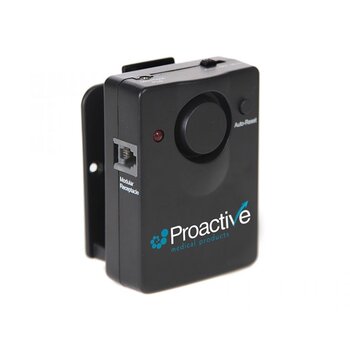
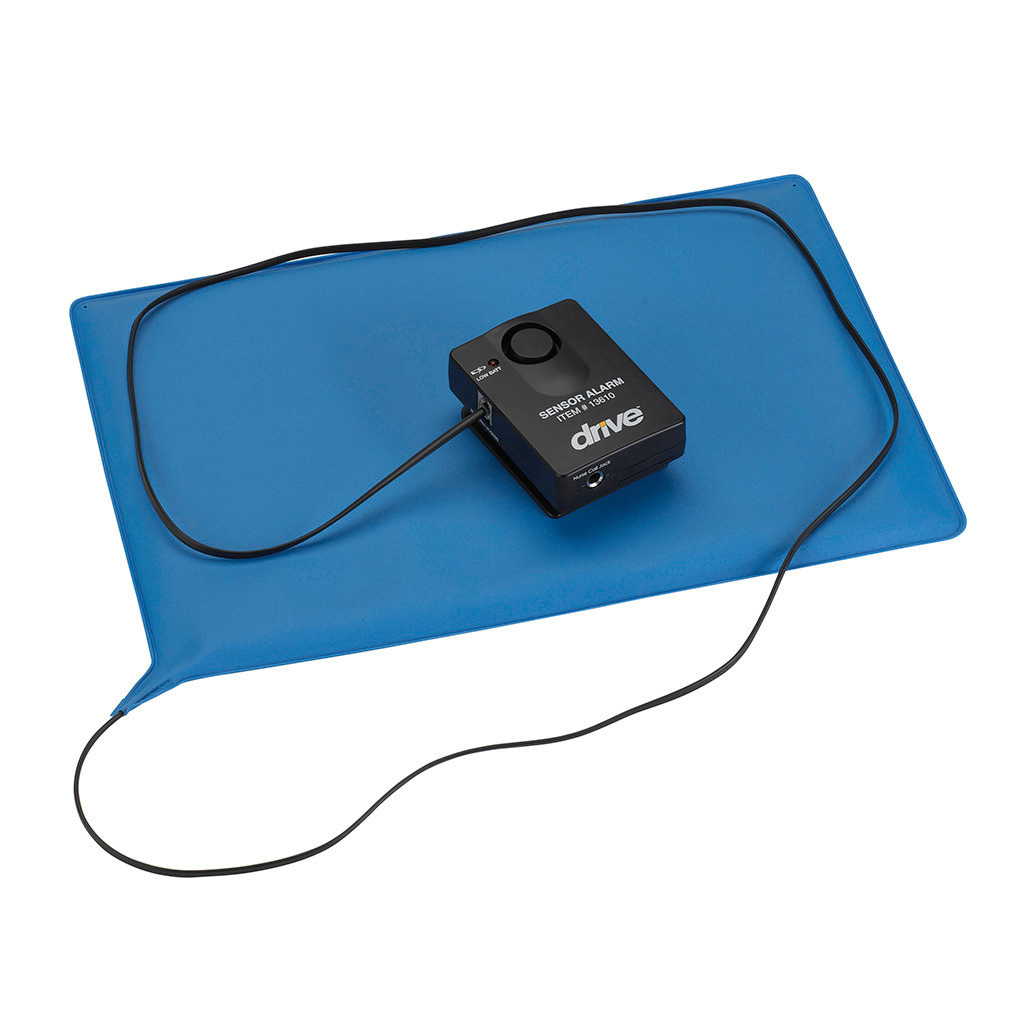
Pressure-Sensitive Chair Patient Alarm

C$71.99
In stock online
In store: Check availability

Available in store

UPC Code: 822383124162
SKU: 13608

The Chair Patient Alarm is specifically designed to enhance safety for individuals seated in chairs. With pressure-sensitive technology, this alarm detects when the patient leaves their seat and alerts caregivers instantly, helping to prevent falls.

    • Why Choose the Pressure-Sensitive Chair Patient Alarm

      The Pressure-Sensitive Chair Patient Alarm is designed to alert caregivers when pressure is removed from a compatible chair sensor pad, helping support fall prevention and patient safety routines. It is commonly used in home care, long-term care, assisted living, and clinical settings for patients who may be at risk of unsafe chair exits — the seated hours covered by the same early warning the bed gets at night.

      Key Features

      ✔ Pressure-sensitive patient alarm system

      ✔ Designed for chair monitoring applications

      ✔ Alerts when pressure is removed from the sensor pad

      ✔ Supports caregiver response to chair exits

      ✔ Practical fall prevention accessory

      ✔ Suitable for home care, clinic, and facility use

      ✔ Useful for patients with mobility or transfer risks

      ✔ Helps support patient supervision routines

      ✔ Designed for use with compatible chair sensor pads and alarm components

      Benefits

      ✔ Helps notify caregivers when a patient leaves or attempts to leave a chair

      ✔ Supports fall prevention and safety monitoring routines

      ✔ Useful for patients who require closer supervision

      ✔ Practical for caregivers, facilities, and home care environments

      ✔ May help improve response time to unsafe movement

      ✔ Supports safer daytime or seated monitoring

      ✔ Helps maintain patient safety when used as part of a care plan

      Usage/Application

      Ideal for chair exit monitoring, fall prevention programs, home care, long-term care facilities, hospitals, clinics, assisted living settings, and caregivers supporting patients who may be at risk of falls or unsafe transfers. Chair monitoring earns its own place beside bed alarms because the risk profile differs: chair exits happen through the waking day, often faster than bed exits — a resident rising from a recliner mid-afternoon gives less warning than one working out of bed at night — so position the sensor pad on the seat where the patient's weight reliably rests, beneath any cushion cover per the pad's instructions, connect it securely to the alarm unit, and test the full chain before trusting it: sit weight on the pad, lift it off, and confirm the alarm sounds where the day's caregivers actually are, at a volume that carries over daytime household or facility noise. Keep the honest frame that governs all exit alarms: the alert marks the moment pressure leaves the pad, and the response time behind it is the actual safety mechanism — so the alarm belongs inside a care plan alongside supervision, appropriate seating, footwear, and clear floor paths, with the unit and cord placed beyond the patient's reach to silence or tangle. Test daily or at shift changes, stage spare batteries and replace on schedule, wipe the pad per its instructions since chair pads live under sitting weight all day, and replace pads that false-alarm, fail to trigger, or show wear — sensor pads are consumables with service lives. Where a patient needs both seated and overnight coverage, pairing chair and bed alarms keeps the protection continuous, and the care team shapes the whole arrangement around the patient's actual risks.

    • No reviews yet

      Add yours

    Testimonials from Google

    See all reviews

    Your cart — 0

    You cart is currently empty

    Login

    By using our website, you agree to the use of cookies. These cookies help us understand how customers arrive at and use our site and help us make improvements. Hide this message More on cookies »