
Slideshow Items

  • Ostomy Supplies
  • continence-ostomy/ostomy-supplies
  • Continence & Ostomy
  • continence-ostomy
SLT-Salts

  |  

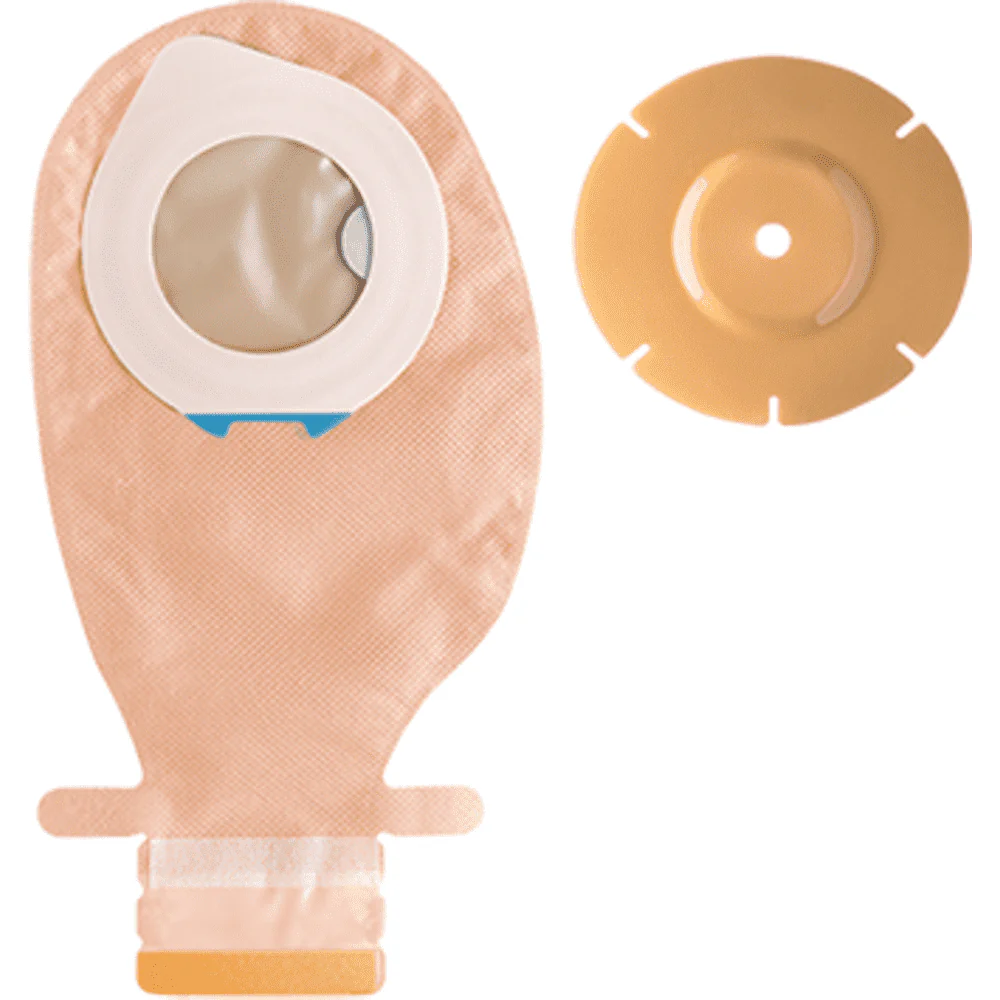
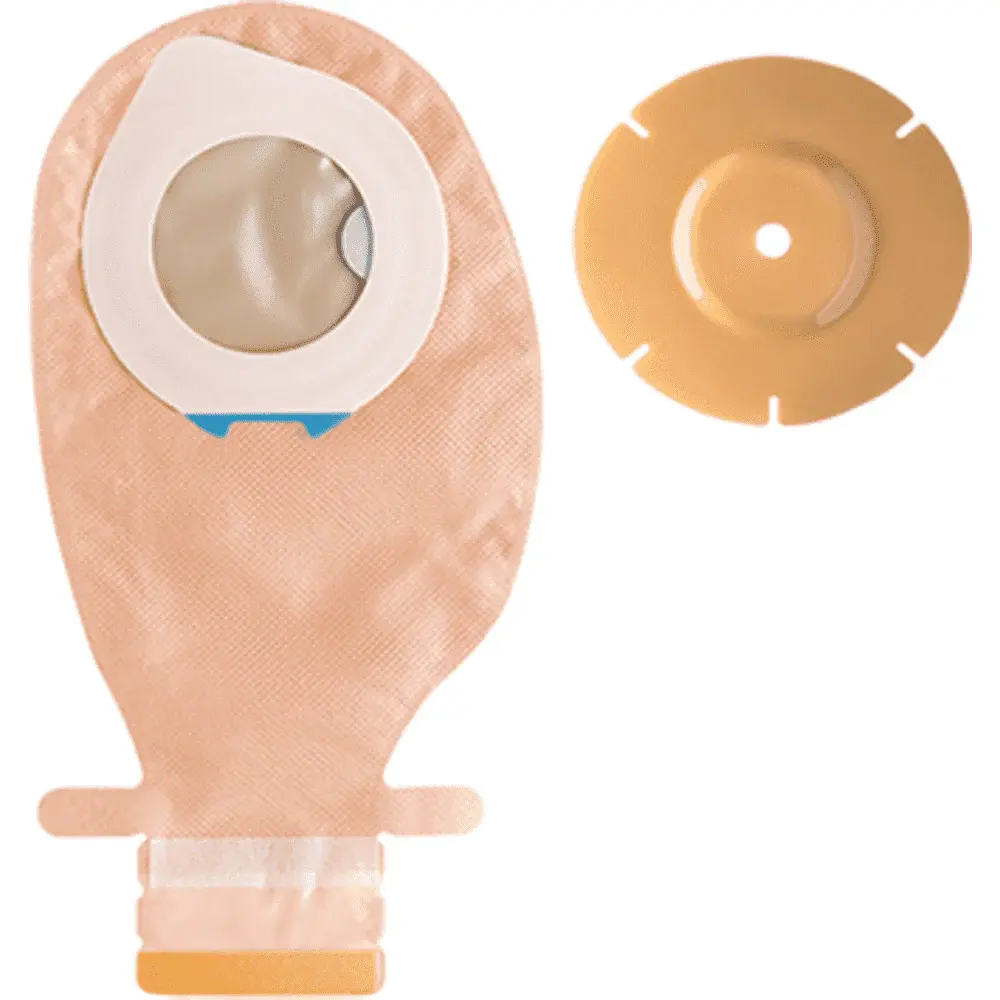
Salts Harmny Duo Flexi Conv Flange With Aloe Aloe 13-38mm Cut To Fit 5/Bx

C$98.95
Out of stock online
In store: Check availability

Available in store

SKU: XFHD1338

this flexible convex baseplate uses aloe-enhanced adhesive and the Harmony Duo adhesive coupling for reliable attachment to matching pouches. The cut-to-fit range (13–38 mm) makes sizing fast and accurate for flush or retracted stomas.

    • Why Flexible Convex Baseplates with Aloe for Challenging Stoma Profiles

      Flush, retracted, or recessed stomas present significant sealing challenges that cause 60-75% of all ostomy leakage incidents. When the stoma sits level with or below the abdominal surface, output flows directly onto peristomal skin rather than into the pouch, causing painful chemical burns, erosion, and infection within hours. Standard flat baseplates cannot create the necessary seal around these difficult stoma profiles—the adhesive simply cannot grip a recessed or flush surface effectively. Convex baseplates solve this critical problem by applying gentle outward pressure that pushes the stoma forward above skin level, creating the proper protrusion needed for reliable pouch sealing and output direction.

      The "flexi" or flexible convexity in this Harmony Duo baseplate represents an important advancement over rigid convex designs. Traditional firm convex baseplates deliver aggressive, unyielding pressure that can cause severe discomfort, pressure ulcers, and tissue damage—particularly problematic for ostomates with sensitive skin, recent surgical sites, or hernias. Flexible convexity provides the same protrusion benefits with graduated pressure distribution that conforms to body contours, moves with the body during bending and sitting, and reduces the risk of pressure-related complications. This gentler approach is especially valuable for ostomates who need convexity but cannot tolerate rigid systems, those with irregular abdominal terrain (scars, creases, folds), and individuals with parastomal hernias where excessive pressure could worsen the condition.

      The aloe-enhanced hydrocolloid adhesive addresses one of ostomy management's most persistent challenges: maintaining peristomal skin health during repeated adhesive application and removal cycles. Studies show that 45-75% of ostomates experience peristomal skin complications—redness, irritation, breakdown, contact dermatitis—often caused by aggressive adhesives, frequent removal trauma, or prolonged exposure to moisture and enzymes. Aloe vera's natural anti-inflammatory, wound-healing, and skin-soothing properties help protect compromised peristomal skin, reduce irritation from adhesive contact, and support healing of minor skin damage. The hydrocolloid base absorbs moisture from perspiration and minor leakage, forming a protective gel layer that prevents skin maceration while maintaining secure adhesion.

      The 13–38 mm cut-to-fit range accommodates the vast majority of adult stoma sizes, from small post-surgical stomas (which may measure 13-20mm initially) to larger established stomas (25-38mm). This customization capability is critical because even 2-3mm of exposed peristomal skin around the stoma allows corrosive output to contact and damage skin. For ileostomy output containing pancreatic and intestinal enzymes, skin breakdown can occur within 30-60 minutes of exposure. For colostomy output containing bacteria and digestive products, prolonged exposure causes painful erosion and infection. The ability to cut a precise opening that clears the stoma by only 1-3mm minimizes this vulnerable exposed area dramatically.

      The Harmony Duo adhesive coupling mechanism creates a secure two-piece connection while maintaining the flexibility needed for body movement and convex pressure distribution. Unlike rigid snap-ring or flange systems that create hard pressure points and resist body contours, the adhesive coupling flexes with the convex baseplate, allowing the entire system to conform to the abdomen during sitting, bending, and exercising. This integrated flexibility is particularly important for convex systems where rigidity would counteract the gentle, conforming pressure that makes flexi convexity effective.

      Key Features

      • Flexible (flexi) convex design – gentle outward pressure promotes stoma protrusion without rigid discomfort
      • Aloe-enhanced hydrocolloid adhesive – skin-soothing properties support peristomal skin health
      • 13–38 mm cut-to-fit opening – accommodates most adult stoma sizes with precise customization
      • Harmony Duo adhesive coupling – secure, flexible connection to matching Harmony Duo pouches
      • Hydrocolloid adhesive base – moisture-absorbing technology prevents skin maceration
      • Low-profile flexible wafer – conforms to body contours and moves with natural body motion
      • Two-piece system baseplate – remains on skin while pouch changes, reducing adhesive removal trauma
      • Skin-friendly formulation – gentle on sensitive or compromised peristomal skin
      • Box of 5 baseplates – 2-3 week supply at typical 3-5 day change frequency
      • Latex-free construction – safe for latex-sensitive ostomates

      Benefits

      • Reduces leakage by promoting proper stoma protrusion and secure seal formation
      • Flexible convexity provides effective pressure without rigid discomfort or pressure ulcers
      • Aloe-enhanced adhesive soothes irritated peristomal skin and supports healing
      • Hydrocolloid base absorbs moisture to prevent skin breakdown and maceration
      • Custom cut-to-fit minimizes exposed peristomal skin vulnerable to corrosive output
      • Two-piece design allows pouch changes without disturbing baseplate adhesion
      • Flexible coupling accommodates body movement during daily activities
      • Low-profile design provides discretion under clothing
      • Compatible with both drainable and closed Harmony Duo pouches for system versatility
      • Longer wear time (3-5 days) reduces skin trauma from frequent adhesive removal

      Clinical Applications

      ✓ Flush stomas (level with abdominal surface) requiring protrusion support
      ✓ Retracted or recessed stomas (below skin level) needing convex pressure
      ✓ Ostomates experiencing frequent leakage due to poor stoma protrusion
      ✓ Parastomal hernias where stoma retracts into hernia (flexi convexity preferred over rigid)
      ✓ Post-surgical stoma edema causing temporary flush positioning
      ✓ Irregular abdominal terrain (creases, folds, scars) affecting seal integrity
      ✓ Ostomates with sensitive or compromised peristomal skin benefiting from aloe
      ✓ Overweight or underweight individuals where body contours affect stoma position
      ✓ Active ostomates requiring flexible system that moves with body
      ✓ Users transitioning from flat to convex baseplates needing gentler introduction
      ✓ Colostomy or ileostomy with challenging stoma profiles
      ✓ Ostomates requiring reliable seal during physical activity or work

      Usage & Application

      Pre-Application Assessment

      Convexity Need Verification: Convex baseplates are specifically designed for flush, retracted, or recessed stomas. If your stoma protrudes adequately (extends 1/2 inch or more above skin level), a flat baseplate is more appropriate. Using convex pressure on a protruding stoma can cause discomfort, pressure damage, and is unnecessary. Consult with your ostomy nurse if unsure whether convexity is appropriate for your anatomy.

      Stoma Measurement: Accurate stoma measurement is critical for proper fit. Use a stoma measuring guide to measure your stoma at its widest points:

      1. For round stomas: measure diameter
      2. For oval stomas: measure both width and height
      3. For irregular stomas: identify the outermost points in all directions

      Measure your stoma weekly for the first 6-8 weeks post-surgery as it will shrink during healing. Once stable (typically 8-12 weeks post-op), measure monthly to detect any changes.

      Skin Assessment: Inspect your peristomal skin carefully before each baseplate change:

      • Healthy skin should look like the skin on the rest of your abdomen
      • Note any redness, irritation, erosion, or breakdown
      • Document changes and potential causes
      • The aloe-enhanced adhesive may help with minor irritation, but significant skin issues require ostomy nurse consultation

      Gather Supplies:

      • Salts Healthcare Harmony Duo flexi convex baseplate with aloe
      • Compatible Harmony Duo pouch (drainable or closed)
      • Stoma measuring guide
      • Scissors (dedicated ostomy scissors only)
      • Pen or marker for tracing
      • Clean washcloth or gauze pads
      • Warm water
      • Mild unscented soap (optional)
      • Paper towels or soft towel
      • Adhesive remover wipes (optional)
      • Waste disposal bag
      • Mirror (helpful for visualization)

      Removing Old Baseplate

      When to Change: Change the convex baseplate every 3-5 days or immediately if:

      • Adhesive is lifting, loosening, or edges are rolling
      • Leakage is occurring
      • Skin irritation, itching, or burning develops under baseplate
      • Baseplate shows signs of erosion or breakdown
      • Convex pressure becomes uncomfortable
      • You detect unusual odor suggesting seal failure

      Gentle Removal Technique:

      1. Remove and dispose of the attached pouch first
      2. Stand or position yourself comfortably (many ostomates prefer removing in shower)
      3. Support your skin with one hand, pressing down gently around the baseplate
      4. With the other hand, slowly peel the baseplate away from skin, working from top to bottom or side to side
      5. Use adhesive remover wipes if needed to dissolve stubborn adhesive—spray or wipe remover around edges and allow 30-60 seconds to penetrate before peeling
      6. Never rip or pull baseplate off quickly—this causes skin trauma, tears, and pain
      7. Peel slowly and steadily, supporting skin as you work

      Special Consideration for Convex Systems: Convex baseplates may adhere more firmly due to the pressure they apply. Take extra time and use adhesive remover if needed. Rushing removal of convex systems can cause significant skin trauma.

      Skin Cleansing and Preparation

      Cleansing Procedure:

      1. Wash peristomal skin and stoma gently with warm water and soft washcloth or gauze
      2. Use mild, unscented soap if desired—avoid soaps with oils, moisturizers, or fragrances
      3. Clean the stoma itself gently—it may bleed slightly with contact (this is normal due to rich blood supply)
      4. Pat dry thoroughly with soft towel or paper towels
      5. Critical: Skin must be completely dry—moisture prevents adhesive bonding and leads to early baseplate failure
      6. Allow skin to air dry for 2-3 minutes if needed
      7. Do not apply lotions, powders (unless barrier powder for skin protection), or oils to peristomal skin

      Hair Removal (if needed): If you have significant abdominal hair in the baseplate area:

      • Remove hair before baseplate application for better adhesion
      • Use electric clipper or safety razor (never dry shave)
      • Shave 24 hours before application if possible to allow any irritation to settle
      • Never use depilatory creams on peristomal skin

      Addressing Minor Skin Irritation: If you notice minor redness or irritation:

      1. Lightly dust affected area with ostomy barrier powder
      2. Brush away excess powder—only a thin film should remain
      3. Seal powder with skin prep wipe or no-sting barrier film (optional)
      4. Allow to dry completely before baseplate application
      5. The aloe-enhanced adhesive will provide additional soothing
      6. If irritation is moderate to severe, consult ostomy nurse before reapplying baseplate

      Measuring and Cutting the Baseplate

      Create Template:

      1. Use your stoma measuring guide to determine exact stoma size
      2. Add 1-3mm (1/8 inch) to this measurement—the opening should clear the stoma without touching it while minimizing exposed skin
      3. Trace the measured size onto the baseplate's printed cutting guide using the template
      4. For oval stomas, carefully trace the oval shape
      5. For irregular stomas, draw the shape conservatively—you can always trim more later

      Cutting Technique:

      1. Use sharp, dedicated ostomy scissors (never use kitchen scissors or scissors used for other purposes)
      2. Cut carefully along the traced line—smooth, continuous cuts are better than multiple small snips
      3. Hold baseplate steady on flat surface while cutting
      4. Cut slightly conservatively—better to cut smaller initially and enlarge if needed
      5. After cutting, smooth any rough edges with your finger—rough edges can irritate or damage the stoma

      Test Fit: Before removing the adhesive backing, hold the cut baseplate opening over your stoma (without touching skin) to verify proper fit:

      • Opening should clear stoma by 1-3mm all around
      • No part of stoma should touch the baseplate edge
      • No excessive exposed skin showing around stoma
      • If fit is not perfect, trim as needed

      Baseplate Application

      Positioning: Stand or lie in a position that smooths your abdominal skin where the baseplate will be placed. Many ostomates prefer standing, but those with hernias or loose skin may prefer lying down to create smoother application surface.

      Warming the Baseplate: Remove the adhesive backing from the baseplate. Hold the baseplate in your hands for 30-60 seconds to warm it—body heat activates the hydrocolloid adhesive and improves initial tack.

      Application Procedure:

      1. Identify the top of your baseplate (usually marked, or where coupling is positioned)
      2. Center the cut opening over your stoma—ensure stoma comes through opening without touching edges
      3. Starting with the convex portion centered over the stoma, gently place baseplate onto skin
      4. Do not press down yet—verify stoma is properly centered and not touching baseplate edges
      5. If positioning is correct, begin pressing firmly from the center (around stoma) outward toward edges
      6. Use smooth, continuous pressure with your palm or fingers, working in all directions from center
      7. Pay special attention to the convex area—ensure the gentle pressure is evenly distributed and comfortable
      8. Continue pressing outward, smoothing any wrinkles or air pockets
      9. Apply firm pressure around the entire perimeter of the baseplate
      10. Hold your hand flat against the entire baseplate for 60-90 seconds to allow body heat to complete adhesive bonding

      Convex Pressure Check: The flexi convex design should create gentle, comfortable outward pressure that promotes stoma protrusion. You should feel:

      • Mild, even pressure around the stoma
      • No sharp pain or localized discomfort
      • Stoma gently pushed forward above skin level

      If you experience sharp pain, excessive pressure, or severe discomfort, the convexity level may be too aggressive for your anatomy—consult ostomy nurse about flat or lower-profile convex options.

      Securing Edges: Some ostomates choose to reinforce baseplate edges with:

      • Barrier strips or tape
      • Skin barrier wipes around perimeter
      • Belt for additional security (if loops provided on baseplate)

      While not always necessary, edge reinforcement can extend wear time and prevent premature lifting.

      Attaching the Pouch

      Timing: Many ostomates prefer to wait 1-2 minutes after baseplate application before attaching the pouch. This allows the adhesive to fully bond without being disturbed by pouch attachment. However, some prefer immediate attachment—either approach is acceptable.

      Pouch Selection: Select a compatible Harmony Duo pouch:

      • Drainable pouch: For ileostomy, high-output colostomy, or preference for extended wear with multiple emptying
      • Closed pouch: For low-output colostomy when complete pouch changes are preferred

      Attachment Procedure:

      1. Ensure drain outlet on drainable pouch is closed securely before attaching
      2. Remove pouch from packaging
      3. Align the pouch's adhesive coupling ring with the baseplate's coupling ring
      4. Starting at top (12 o'clock position), press pouch coupling firmly onto baseplate coupling
      5. Work your way around the entire coupling ring, pressing firmly in both directions until complete circle is secured
      6. You should feel or hear when coupling is fully seated
      7. Gently tug on pouch to verify secure attachment—it should not pull away from baseplate
      8. If any section feels loose, press firmly again until complete seal is achieved

      Pouch Positioning: Position the pouch so it hangs naturally downward without twisting or kinking. For drainable pouches, ensure the outlet faces downward and is easily accessible for emptying.

      Monitoring and Maintenance

      First 24 Hours: Check the baseplate several times during the first day:

      • Verify edges are not lifting
      • Ensure coupling remains secure
      • Assess comfort level with convex pressure
      • Check for any signs of leakage
      • Monitor skin around baseplate for any reaction to aloe-enhanced adhesive (allergies are rare but possible)

      Daily Checks:

      • Feel around baseplate edges each morning to detect any lifting
      • Check coupling security—press firmly if any looseness detected
      • Empty drainable pouch when 1/3 to 1/2 full to prevent excessive weight on coupling
      • Monitor for unusual odor (may indicate seal failure or skin breakdown)
      • Assess convex pressure comfort—should remain gentle and tolerable

      Bathing and Showering:

      • You can shower or bathe with baseplate in place
      • Avoid very hot water which can soften adhesive
      • Pat dry gently after bathing—do not rub vigorously
      • Check edges after bathing and press if needed
      • Some ostomates prefer to change baseplate after swimming (chlorine/salt water may affect adhesion)

      Activity Considerations: The flexi convex design moves with your body during:

      • Bending and sitting (convexity adjusts to position changes)
      • Exercise and physical activity (flexible coupling maintains seal)
      • Work activities (low-profile design provides discretion)
      • Sleeping (comfortable for all sleep positions)

      Some ostomates use ostomy belts during vigorous exercise for additional security, though not required with properly applied systems.

      Baseplate Wear Time

      Typical Duration:

      • Recommended: Change every 3-5 days
      • Minimum: Every 7 days maximum (longer wear increases infection risk)
      • Change earlier if:
        • Edges lift or roll
        • Leakage occurs
        • Skin irritation develops
        • Convex pressure becomes uncomfortable
        • Adhesive shows signs of breakdown
        • Itching or burning sensation under baseplate

      Maximizing Wear Time:

      • Apply baseplate to completely dry skin
      • Use proper cutting technique (no rough edges)
      • Empty drainable pouch regularly (prevents weight stress)
      • Avoid excessive sweating when possible
      • Support baseplate when dressing/undressing
      • Press edges daily to maintain secure adhesion

      Troubleshooting

      Problem: Baseplate lifts within 1-2 days

      • Solution: Ensure skin is completely dry before application; warm baseplate longer in hands before applying; use skin prep wipe to improve adhesion; apply barrier strips around edges for reinforcement; check if excessive sweating or body oils affecting adhesion; may need different adhesive formula or belt for support

      Problem: Leakage occurring around stoma despite convex pressure

      • Solution: Verify cut opening size—may need smaller opening; stoma may need deeper convexity (consult ostomy nurse about firm convex options); consider using barrier paste or ring around stoma base to fill any gaps; check if hernia is worsening and causing stoma retraction; ensure proper convex positioning during application

      Problem: Convex pressure causes discomfort or pain

      • Solution: Flexi convex should be gentle—if painful, may indicate convexity is too aggressive for your anatomy; try flat baseplate to compare; check for skin breakdown under convex area; ensure you're not overtightening ostomy belt if using one; consult ostomy nurse about lower-profile or different convex depths

      Problem: Skin irritation or redness under baseplate

      • Solution: Verify proper opening size—exposed skin contact with output causes irritation; use barrier powder on affected areas before next application; the aloe adhesive should help but won't resolve major irritation; check for allergic reaction to adhesive (rare); ensure complete skin drying before application; see ostomy nurse if persistent or worsening

      Problem: Stoma still appears flush despite convex baseplate

      • Solution: Flexi convex may not provide enough protrusion—may need firm/rigid convex; check for parastomal hernia which may require specialty convexity; evaluate if weight changes affecting stoma position; consult ostomy nurse about deep convexity or other solutions

      Problem: Pouch keeps separating from baseplate

      • Solution: Ensure coupling surfaces are clean and dry before attaching; press firmly around entire coupling ring; avoid overfilling drainable pouch which creates excessive weight; check that baseplate itself is securely adhered (if baseplate is loose, pouch won't stay); may need belt support during high-activity periods

      Problem: Baseplate edges curl or roll

      • Solution: May indicate edges are exposed to moisture or friction; apply barrier strips around perimeter before application; avoid tight waistbands directly over baseplate edges; press edges daily with firm pressure; change baseplate more frequently if persistent; consider different baseplate size or shape

      Problem: Allergic reaction to aloe-enhanced adhesive

      • Solution: While rare, some individuals may be sensitive to aloe; discontinue use and switch to standard (non-aloe) Harmony Duo baseplate; apply barrier powder and skin prep wipe to create protective layer if minor reaction; consult healthcare provider for severe reactions (blistering, widespread rash)

      Problem: Difficulty cutting baseplate opening accurately

      • Solution: Use sharp scissors (dull scissors create rough edges); cut on flat surface for stability; practice on extra baseplate if available; consider purchasing pre-cut baseplates if cutting consistently difficult; many ostomy suppliers offer custom pre-cut services

      Special Considerations

      For New Ostomates with Flush/Retracted Stomas: Convex systems may feel intimidating initially, but flexi convex provides the gentlest introduction to convexity. Work closely with your ostomy nurse during the first few weeks. Your stoma size will change during healing—measure and re-cut weekly for proper fit. The convex pressure should feel supportive, not painful.

      For Parastomal Hernia Management: Flexi convex is often preferred over rigid convex for hernias because excessive pressure can worsen the condition. However, hernias complicate seal integrity significantly. Consider:

      • Hernia support belt (different from ostomy belt)
      • Abdominal binder for support
      • Monitoring hernia size with surgeon
      • Surgical repair if hernia becomes large or symptomatic

      For Overweight or Underweight Ostomates: Body contours significantly affect stoma protrusion and sealing. The flexible convex design accommodates curves and folds better than rigid systems. Position yourself during application (standing vs lying) to find what creates smoothest surface. Weight fluctuations may require sizing adjustments.

      For Active Individuals: The flexi convex moves with your body during exercise, work, and daily activities. Consider:

      • Empty drainable pouch before activity to reduce weight
      • Use ostomy belt during vigorous exercise for additional security
      • Support baseplate when lifting heavy objects
      • Swimming is generally safe—just check baseplate edges after water exposure

      For Ostomates with Sensitive Skin: The aloe-enhanced adhesive is specifically designed for sensitive skin. However:

      • Allow minor skin irritation to heal before reapplication when possible
      • Use barrier powder on compromised areas
      • Avoid frequent changes (gives skin rest between adhesive exposure)
      • Consider hypoallergenic tape if needed for edge reinforcement
      • Report persistent irritation to ostomy nurse

      For Nighttime Wear: The convex pressure should remain comfortable through the night. Some ostomates notice the baseplate "settles" overnight and provides even better seal by morning. Empty drainable pouch before bed. Consider connecting to bedside drainage bag if ileostomy output is high overnight.

      For Intimacy: The low-profile flexi convex design is more discreet than rigid convex systems. Empty pouch completely before intimate activity. Many ostomates use ostomy wraps, cummerbunds, or intimate apparel designed for ostomates. The two-piece system allows switching to smaller or closed pouches for these occasions while keeping the baseplate in place.

      For Users with Multiple Ostomies: Some ostomates have multiple stomas requiring different baseplate types. One stoma may need convexity while another needs flat. Carefully label your supplies to avoid confusion. Many suppliers offer color-coded systems for multiple stoma management.

      Storage and Supply Management

      Storage Conditions: Store unopened baseplates in a cool, dry location at room temperature (59-86°F / 15-30°C). Avoid:

      • Extreme heat (car trunks, direct sunlight)
      • High humidity (bathrooms, basements)
      • Freezing temperatures
      • Areas with temperature fluctuations

      Shelf Life: Check expiration dates on packaging. Properly stored baseplates typically have 3-5 year shelf life from manufacture. Use oldest supplies first (rotate stock). Expired adhesive may not bond properly—never use expired ostomy supplies.

      Supply Rotation: With box of 5 baseplates:

      • At 3-5 day change frequency, each box lasts approximately 2-3 weeks
      • Order new supplies when you have 2 weeks remaining
      • Keep emergency backup supply (extra box) in case of unexpected needs
      • Never travel without extra supplies

      When to Contact Your Ostomy Nurse

      Seek professional guidance if you experience:

      • Persistent leakage despite proper technique and fitting
      • Severe pain or discomfort from convex pressure
      • Peristomal skin breakdown, ulceration, or infection not improving with barrier powder
      • Stoma color changes (dusky, dark, black) indicating circulation problems
      • Stoma bleeding beyond minor surface bleeding with cleaning
      • Significant stoma retraction or prolapse
      • Parastomal hernia development or worsening
      • Inability to achieve secure baseplate adhesion repeatedly
      • Allergic reaction to adhesive (severe redness, blistering, widespread rash)
      • Questions about whether convexity is appropriate for your anatomy
      • Need for different convexity depth (deeper or shallower)
      • Consistent difficulty cutting baseplate openings accurately
      • Significant anxiety or quality of life concerns related to ostomy management

      Technical Specifications

      • Brand: Salts Healthcare
      • Product Line: Harmony Duo
      • System Type: Two-piece ostomy system baseplate/flange
      • Convexity: Flexible (flexi) convex—gentle, graduated pressure
      • Cut-to-Fit Range: 13–38 mm
      • Adhesive Type: Hydrocolloid with aloe enhancement
      • Adhesive Benefits: Moisture-absorbing, skin-soothing, anti-inflammatory properties
      • Coupling Mechanism: Harmony Duo adhesive coupling (flexible)
      • Pouch Compatibility: Harmony Duo drainable and closed pouches
      • Profile: Low-profile, flexible wafer design
      • Latex Content: Not made with natural rubber latex
      • Quantity per Box: 5 baseplates
      • Supply Duration: Approximately 2-3 weeks at 3-5 day change frequency
      • Stoma Types: Suitable for colostomy and ileostomy with flush/retracted profiles
      • Intended User: Adult ostomates with flush, retracted, or recessed stomas requiring gentle convex support
      • Flange Size: Check specific product model for flange diameter (varies by product line)
      • Material: Medical-grade hydrocolloid, skin-safe components
      • Storage: Room temperature (59-86°F / 15-30°C), dry location
      • Shelf Life: Check packaging for expiration date (typically 3-5 years from manufacture)
      • Skin Protection: Aloe-enhanced formulation supports peristomal skin health
    • No reviews yet

      Add yours

    Testimonials from Google

    See all reviews

    Your cart — 0

    You cart is currently empty

    Login