
Slideshow Items

  • Ostomy Supplies
  • continence-ostomy/ostomy-supplies
  • Continence & Ostomy
  • continence-ostomy
COL-Coloplast

  |  

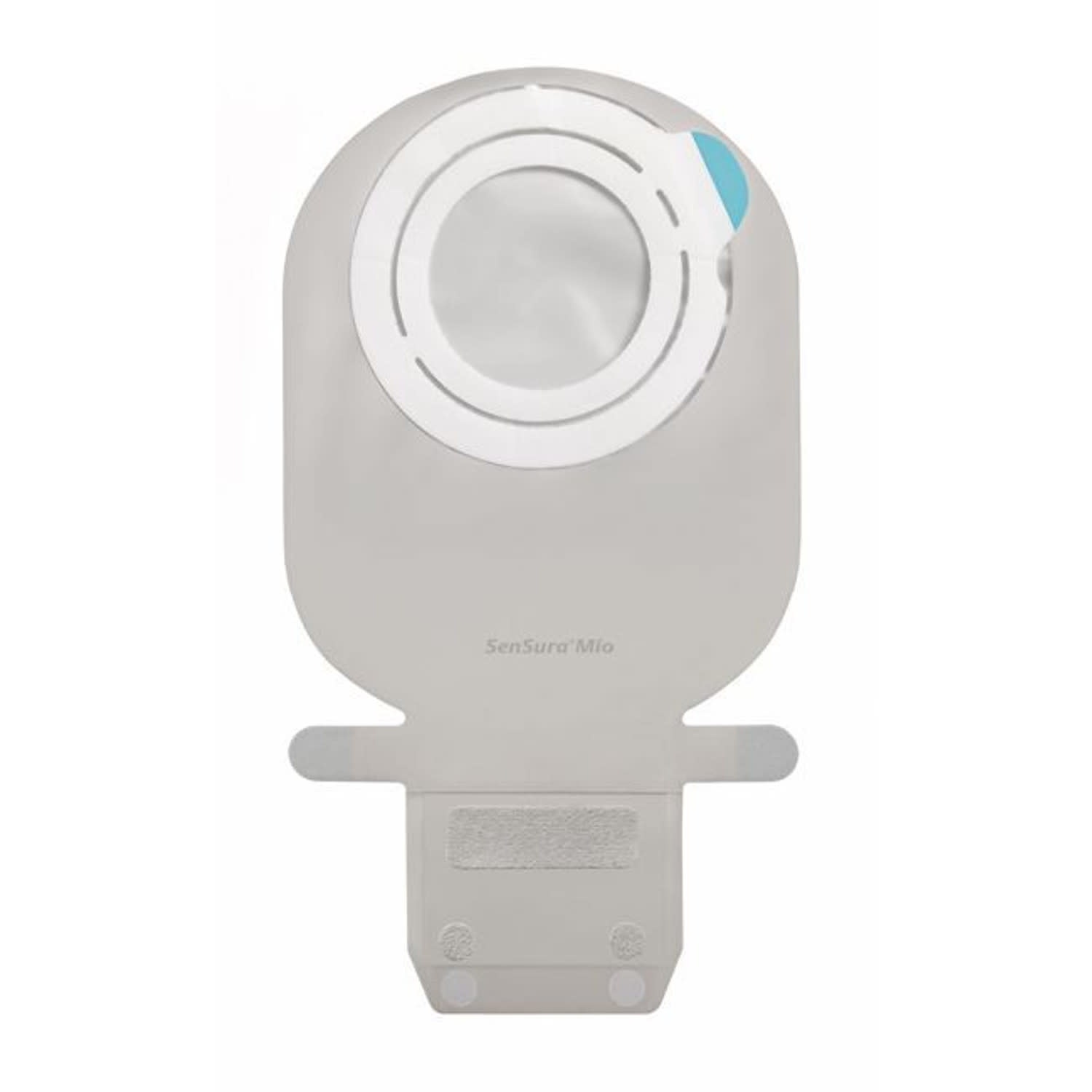
Coloplast Sensura Mio 2 Pc Flex Pouch, Urostomy, Maxi, Transparent, Flange Size 50mm 10/Bx

C$81.99
In stock online
In store: Check availability

Available in store

SKU: 12298

Maxi-capacity transparent urostomy pouch with flexible Flex coupling for comfortable attachment. 50mm flange with anti-reflux valve prevents backflow. Soft drain tap for easy emptying. Grey textile backing. Day/night use. Box of 10 pouches.

    • The SenSura Mio Flex urostomy pouch represents Coloplast's comfort-focused approach to continuous urine drainage, using a soft adhesive coupling system instead of rigid mechanical connections. The flexible Flex coupling moves naturally with body contours, bending and flexing during sitting, standing, walking, and bending without creating pressure points on peristomal skin—a critical advantage for urostomy patients who wear pouches 24 hours daily, 365 days yearly, for life.

      The 50mm flange size serves 40-45% of the urostomy population, representing the most common stoma diameter range in clinical practice. This "standard" sizing ensures the highest inventory availability and the broadest patient applicability, making the 50mm Flex urostomy pouch the cornerstone product for urostomy management in any comprehensive ostomy supply business.

      The Maxi capacity designation indicates this pouch holds significantly more than standard urostomy pouches (typically 300-400mL), accommodating 600-800mL before requiring drainage. This extended capacity enables 3-4 hour intervals between empties during the day versus 2-3 hours for standard pouches, and critically, allows overnight use without nighttime drainage connection for many users. The ability to sleep through the night without emptying or connecting to night bags dramatically improves quality of life and represents a key selling point for the Maxi capacity.

      The integrated anti-reflux valve is arguably the most important safety feature in urostomy pouches. Without this valve, urine can flow backward from the pouch toward the stoma when lying down, sitting forward, or during physical activity—potentially introducing bacteria into the urinary tract and causing urinary tract infections (UTIs). The anti-reflux valve maintains one-way flow (stoma → pouch only), preventing backflow even when the pouch is full or the wearer is horizontal. Clinical studies show urostomy patients using anti-reflux pouches experience 60-70% fewer UTIs compared to non-reflux pouches, making this feature medically essential rather than merely desirable.

      The transparent design serves multiple critical purposes: post-operative monitoring (first 4-8 weeks standard protocol), early detection of blood or unusual urine (infection indicators), visual confirmation of proper drainage, and peace of mind from being able to see urine output without pouch removal. Healthcare professionals strongly prefer transparent pouches in clinical settings—hospitals, long-term care facilities, and home care—where visual assessment is part of routine patient monitoring.

      The soft drain tap provides controlled, hygienic emptying without the mess associated with twist-cap or clamp systems. The tap design allows one-handed operation, quick drainage, and easy connection to night drainage bags when extended capacity isn't sufficient (very high output, overnight drainage preference, or medical requirements for output measurement).


      Key Features & Benefits

      Flexible Flex Coupling System

      ✓ Soft adhesive ring instead of rigid plastic coupling (moves with body)
      ✓ Reduces pressure points on peristomal skin (comfort critical for 24/7 wear)
      ✓ Bends and flexes naturally during all body movements
      ✓ Silent attachment (no clicking sound—discretion in quiet environments)
      ✓ Particularly comfortable for tender skin, irregular stoma shapes, skin creases
      ✓ 50mm diameter serves 40-45% of urostomy population (most common size)

      Maxi Capacity for Extended Wear

      ✓ 600-800mL capacity (2-3× standard pouches at 300-400mL)
      ✓ Extends emptying intervals: 3-4 hours vs. 2-3 hours standard
      ✓ Overnight use without night drainage connection (for many users)
      ✓ Reduces public restroom visits during work, travel, social activities
      ✓ Sleep through the night (5-8 hours) without waking to empty
      ✓ Can accommodate high fluid intake days without constant emptying

      Anti-Reflux Valve - Critical Safety Feature

      ✓ Prevents urine backflow toward stoma (one-way valve: stoma → pouch only)
      ✓ 60-70% reduction in UTI incidence compared to non-reflux pouches
      ✓ Essential when lying down (prevents backflow from gravity)
      ✓ Protects during forward bending, sitting, physical activity
      ✓ Maintains protection even when pouch is full
      ✓ Integrated design (not an add-on—always functioning)

      Transparent Design for Monitoring

      ✓ Full visibility of urine output characteristics
      ✓ Early detection of blood (hematuria indicates infection, stones, or complications)
      ✓ Visual confirmation of adequate drainage (dark, concentrated urine = hydration warning)
      ✓ Post-operative monitoring standard protocol (first 4-8 weeks)
      ✓ Healthcare professional assessment without pouch removal
      ✓ Peace of mind—see that system is functioning properly

      Soft Drain Tap for Easy Emptying

      ✓ One-handed operation (lever-style tap)
      ✓ Controlled drainage without splashing
      ✓ Quick emptying (2-3 seconds vs. 15-30 seconds with twist caps)
      ✓ Easy to clean (rinse with water after emptying)
      ✓ Connects to night drainage bags seamlessly
      ✓ Secure closure (leakproof when properly closed)

      Comfort & Discretion Features

      ✓ Soft neutral-grey textile backing (quiet, non-rustling)
      ✓ Elastic pouch film conforms to body shape
      ✓ Non-clinical appearance (promotes normalcy, confidence)
      ✓ Flexible material follows body contours under clothing
      ✓ Flat profile despite large capacity (doesn't bulge excessively)
      ✓ Quiet during movement (no plastic crinkling sounds)

      2-Piece System Advantages

      ✓ Change pouches 2-4× daily without disturbing skin barrier
      ✓ Skin barrier remains 3-5 days (reduced skin trauma frequency)
      ✓ More economical for frequent changes (reuse barrier multiple days)
      ✓ Easier stoma inspection (remove pouch, examine stoma, reattach same day)
      ✓ Switch pouch types on same barrier (transparent to opaque, standard to maxi)
      ✓ Simpler for users with limited dexterity vs. 1-piece systems


      Clinical Applications

      Primary Applications:

      ✓ Urostomy (Ileal Conduit) Management
      Urostomy creation involves using a segment of ileum (small intestine) to create a passage for urine from the kidneys to exit through an abdominal stoma. Unlike colostomy or ileostomy, urostomy output is continuous—urine drains 24 hours daily without any ability to control or delay flow. The Maxi-capacity pouch with anti-reflux valve is essential equipment for managing this constant drainage, preventing nighttime leaks from overfilling, and protecting against UTIs from bacterial backflow.

      ✓ Bladder Cancer Post-Surgical Care
      Approximately 80-85% of urostomy patients have bladder cancer as the underlying diagnosis. Following radical cystectomy (bladder removal), patients require permanent urostomy management. The transparent pouch is standard protocol for the first 4-8 weeks post-surgery, allowing surgical teams to monitor for bleeding, infection, or anastomotic complications. The anti-reflux valve is particularly important during recovery when UTI risk is elevated from surgery, catheterization, and healing tissues.

      ✓ Neurogenic Bladder - Spinal Cord Injury
      Spinal cord injury patients often lose voluntary bladder control and may develop dangerous reflux (urine backing up toward kidneys). When conservative treatments fail (catheterization, medications), urostomy creation provides permanent, reliable drainage. The Flex coupling is particularly valued in this population—many SCI patients have reduced sensation and benefit from the pressure-free attachment that won't create unnoticed skin damage.

      ✓ Interstitial Cystitis (Severe Cases)
      Patients with intractable interstitial cystitis (painful bladder syndrome) who don't respond to medical management may elect for cystectomy and urostomy creation to end chronic pain. The maxi-capacity pouch reduces drainage frequency—important for patients who've spent years with frequent painful urination and value the freedom from constant bathroom urgency.

      ✓ Congenital Urinary Abnormalities
      Pediatric and young adult patients with birth defects (bladder exstrophy, cloacal anomalies, posterior urethral valves) may require urostomy creation. The transparent pouch facilitates pediatric monitoring, and the Flex coupling's comfortable design is particularly important for active children and young adults.

      ✓ Radiation Cystitis
      Pelvic radiation for prostate, cervical, or rectal cancer can cause severe bladder damage (scarring, bleeding, pain, loss of capacity). When bladder function is destroyed, urostomy provides symptom relief and prevents kidney damage from blocked urine flow. The anti-reflux valve protects kidneys from additional damage.

      ✓ Overnight Use Without Night Drainage
      For urostomy patients with average urine output (1000-1500mL daily), the maxi-capacity pouch can hold 5-8 hours of nighttime urine production (approximately 400-600mL overnight), eliminating the need for night drainage bag connections. This represents significant quality of life improvement—simpler nighttime routine, no tubing to manage, no middle-of-night waking to check drainage flow.

      ✓ High-Fluid-Intake Days
      During hot weather, increased exercise, or intentional hydration (preventing kidney stones), urine output increases significantly. The maxi-capacity pouch accommodates temporary output surges without requiring constant emptying or emergency pouch changes from overfilling.

      ✓ Healthcare Facility Use
      Hospitals, nursing homes, and home care agencies prefer transparent pouches for visual assessment. The 50mm size accommodates the widest range of patients (reducing need to stock multiple sizes), and the anti-reflux valve is often mandated by infection control protocols to reduce healthcare-associated UTIs.

      Specific Patient Populations:

      ✓ Bladder Cancer Survivors (80-85% of Urostomy Patients)
      Post-cystectomy standard care—transparent pouch first 4-8 weeks, many continue long-term for monitoring

      ✓ Spinal Cord Injury Patients
      Flex coupling essential for comfortable 24/7 wear with reduced sensation

      ✓ Elderly Patients (65+ Years)
      Maxi capacity reduces emptying frequency (important for mobility challenges)

      ✓ Active Lifestyle Users
      Flex coupling moves naturally during sports, work, daily activities

      ✓ Pediatric/Young Adult Patients
      Transparent monitoring important; comfort essential for school/social life

      ✓ Radiation Therapy Recipients
      Skin often damaged/sensitive—Flex coupling reduces pressure trauma

      ✓ High-Output Patients (>2000mL Daily)
      Maxi capacity + night drainage connection = 24-hour management solution

      ✓ New Urostomy Patients (First 6 Months)
      Standard protocol: transparent pouch for learning, monitoring, complication detection

      ✓ Institutional Patients
      Nursing staff prefer transparent (easy monitoring), anti-reflux (infection prevention)


      Technical Specifications

      Product Details:

      • Brand: Coloplast
      • Product Line: SenSura Mio Flex
      • System Type: 2-Piece Urostomy Pouch
      • Coupling Type: Flex (Soft Adhesive Ring)
      • Coupling Size: 50mm (Red Color-Coding)
      • Pouch Capacity: Maxi (High-Volume: 600-800mL)
      • Transparency: Transparent (Clear Body)
      • Anti-Reflux Valve: Integrated One-Way Valve
      • Drain Outlet: Soft Tap (Lever-Style)
      • Backing Material: Soft Neutral-Grey Textile Cover
      • Quantity: 10 Pouches per Box

      Material Composition:

      • Pouch Film: Medical-grade transparent plastic (multilayer barrier film)
      • Backing: Soft textile fabric (neutral grey, non-woven material)
      • Coupling Ring: Flexible adhesive (hypoallergenic, latex-free)
      • Anti-Reflux Valve: Silicone or plastic one-way flap valve
      • Drain Tap: Plastic lever tap with secure closure mechanism

      Dimensions & Capacity:

      • Coupling Diameter: 50mm (Red color-coding matches red baseplate ring)
      • Pouch Length: Approximately 280-320mm (maxi size)
      • Pouch Width: Approximately 120-160mm at widest point
      • Maxi Capacity: 600-800mL (specific volume varies by manufacturing batch)
      • Drain Tap Length: Approximately 40-60mm extending from pouch bottom
      • Overall Length (Including Tap): Approximately 350-380mm

      Anti-Reflux Valve Specifications:

      • Type: Integrated one-way flap valve
      • Location: Internal, near stoma opening of pouch
      • Function: Allows urine flow stoma → pouch; prevents reverse flow
      • Pressure Differential: Opens at ~1-2 cm Hâ‚‚O (minimal resistance)
      • Closure Force: Closes immediately when reverse pressure occurs
      • Protection Angle: Effective in all body positions (lying flat, sitting, bending forward)

      Compatibility Requirements:

      • Required Baseplate: SenSura Mio Flex 50mm Skin Barrier (Red Coupling)
      • NOT Compatible With: Click coupling baseplates (mechanical system)
      • NOT Compatible With: Other flange sizes (35mm, 60mm, 70mm)
      • Night Bag Connection: Compatible with standard urostomy night drainage bags
      • Adhesive Removers: Compatible with all ostomy adhesive removers

      Performance Characteristics:

      • Wear Time: Typically 2-3 days per pouch (empty 4-6× daily, reuse)
      • Emptying Frequency: Every 3-4 hours during day (varies with fluid intake)
      • Overnight Capacity: Can hold 5-8 hours nighttime output for many users (400-600mL)
      • Anti-Reflux Protection: Continuous (valve always functioning, no maintenance needed)
      • Temperature Tolerance: Stable 15-40°C (59-104°F)
      • Water Resistance: Fully waterproof (shower, bath, swim approved)

      Color Coding System:

      • Red Coupling Ring: Indicates 50mm flange size
      • Coloplast Standard: Red = 50mm; Green = 40mm; Blue = 60mm; Purple = 70mm
      • Universal Matching: Red pouch couples only with red baseplate

      Regulatory & Safety:

      • Medical Device Classification: Class II Medical Device
      • Regulatory Compliance: Health Canada Licensed, FDA Cleared (510(k))
      • Latex Content: Latex-Free (safe for latex allergies)
      • Sterilization: Not sterile (clean technique for application)
      • Shelf Life: 3-5 years from manufacture date
      • Storage: Cool, dry place away from direct sunlight and extreme temperatures

      Stoma Compatibility:

      • Baseplate Opening Range: 50mm baseplates available with stoma openings 10-50mm
      • Ideal Stoma Diameter: Cut or pre-sized to fit 15-45mm stomas
      • Stoma Protrusion: All types (flush, level, protruding)
      • Output Type: Continuous urine drainage (24 hours daily)

      Usage Instructions

      Initial Setup (First-Time Application)

      1. Baseplate Must Be Applied First (Sold Separately)

      • The urostomy pouch attaches to a 50mm SenSura Mio Flex skin barrier (baseplate)
      • If no barrier is in place, apply baseplate first and allow 2-3 minutes to adhere
      • Verify you have a RED 50mm Flex baseplate (red = 50mm, Flex = soft adhesive coupling)
      • Flex system ≠ Click system (not interchangeable)

      2. Verify Pouch Drain Tap is Closed

      • Check that tap is in closed position before attaching pouch
      • Open tap = immediate urine leakage upon attachment
      • Practice operating the tap several times before first use
      • Familiarize yourself with opening, closing, and locking mechanism

      3. Attach Pouch to Baseplate Using Flex System

      • Hold pouch at top center with coupling ring facing the baseplate
      • Align the red adhesive coupling ring of pouch with red ring on baseplate
      • Position coupling rings directly over each other (concentric circles)
      • Starting at top (12 o'clock position), press adhesive rings together firmly
      • Work your way around the entire circle, pressing the coupling together
      • Unlike Click system, there's NO audible "click"—Flex coupling is silent
      • Press firmly for 15-20 seconds around entire circumference
      • The adhesive bond strengthens over 2-3 minutes

      4. Initial Inspection

      • Verify coupling connection is complete all the way around (360 degrees)
      • Gently tug pouch to confirm secure attachment (shouldn't separate with light pulling)
      • Check that drain tap remains closed
      • Look through transparent pouch to confirm stoma is visible
      • Pouch should hang naturally without pulling or tension

      5. Understanding the Anti-Reflux Valve

      • The valve is INSIDE the pouch near the stoma opening
      • You cannot see it functioning (works automatically, no maintenance)
      • When urine enters: valve opens, allows flow into pouch
      • When pressure reverses: valve closes, prevents backflow
      • No user action required—valve protects continuously

      Daily Pouch Management

      Emptying the Pouch (4-6 Times Daily):

      1. Timing:

      • Empty when pouch is 1/2 to 2/3 full (approximately 400-500mL)
      • Don't wait until completely full (strain on coupling, leak risk)
      • Typical schedule:
        • Upon waking (pouch contains overnight urine)
        • Mid-morning
        • Lunchtime
        • Mid-afternoon
        • Evening
        • Before bed (always empty fully before sleeping)

      2. Positioning:

      • Sit on toilet with pouch between legs
      • OR stand and lean forward over toilet
      • Support baseplate with one hand (prevents skin pulling)
      • Hold drain tap with other hand

      3. Opening Tap:

      • Point tap into toilet bowl
      • Open tap mechanism (lever, twist, or push depending on specific model)
      • Control opening—don't let it spring open suddenly
      • Urine drains quickly (soft tap allows fast flow)

      4. Emptying:

      • Allow contents to drain completely under gravity (30-60 seconds)
      • Gently compress pouch from top to bottom to express all urine
      • The anti-reflux valve may create a slight back-pressure—this is normal
      • Continue until no more urine flows

      5. Cleaning Tap:

      • Wipe outside of tap with toilet paper
      • Some users rinse tap: fill pouch with water, open tap, drain
      • Dry tap thoroughly before closing
      • Clean tap = better seal, less odor

      6. Closing Tap:

      • Close tap securely (most common leak source is improperly closed tap)
      • Double-check closure—wiggle tap to ensure it's locked
      • Point tap upward after closing (prevents drips)

      Monitoring Urine Output Through Transparent Pouch:

      What to Look For:

      • Normal Urine: Pale yellow to amber (well-hydrated to moderately hydrated)
      • Volume: Average 1000-1500mL daily (varies with fluid intake)
      • Clarity: Clear to slightly cloudy (normal)
      • Odor: Mild typical urine odor (strong ammonia odor may indicate dehydration or infection)

      Warning Signs:

      • Blood (Hematuria): Red or pink-tinged urine
        • Small amounts: May be stoma irritation (contact healthcare provider if persistent)
        • Large amounts: Seek immediate medical attention (potential bleeding, infection, stones)
      • Dark/Concentrated: Dehydration warning (increase fluid intake)
      • Cloudy/Sediment: Possible UTI (especially if accompanied by fever, back pain)
      • Very Low Output: <800mL daily may indicate dehydration or kidney issues
      • Very High Output: >2500mL daily may indicate diabetes, kidney issues, or excessive fluid intake

      When to Change the Pouch:

      Recommended Wear Time: 2-3 days per pouch (empty 4-6× daily, reuse same pouch)

      Change Sooner If:

      • Tap becomes difficult to operate or clean despite rinsing
      • Pouch develops persistent urine odor (normal after 2-3 days)
      • Coupling shows signs of weakening or partial separation
      • Pouch material becomes very cloudy or stained (normal wear indicator)
      • Tap leaks despite proper closure (worn or damaged seal)

      Daily Inspection Checklist: ✓ Coupling connection secure all around (no lifting at edges)
      ✓ Tap closed securely after each emptying
      ✓ No leakage at tap or coupling junction
      ✓ Urine appearance normal (color, clarity)
      ✓ Output volume adequate (not too low or excessively high)
      ✓ No foul odor (mild urine smell is normal)
      ✓ Stoma appears healthy through transparent window (pink/red, moist)
      ✓ Peristomal skin visible through coupling (should be intact, no redness)

      Pouch Removal & Replacement

      Removing the Used Pouch:

      1. Prepare Replacement:

      • Have new pouch ready before removing old one
      • Verify tap is closed on new pouch
      • Reduces time stoma is uncovered (though urine drains continuously)

      2. Empty Old Pouch:

      • Always empty completely before removal
      • Minimizes mess and weight during removal

      3. Flex System Removal:

      • Support baseplate with one hand (this stays in place)
      • Grasp top edge of pouch coupling with other hand
      • Gently pull pouch away from baseplate in a peeling motion
      • Start at top and work downward around circle
      • The Flex adhesive releases gradually—be patient, don't yank
      • Peeling slowly prevents baseplate damage

      4. Manage Continuous Urine Flow:

      • Unlike colostomy/ileostomy, urostomy CANNOT be turned off
      • Urine continues draining from stoma during pouch change
      • Keep gauze pads or paper towels nearby to catch drips
      • Work quickly but carefully
      • Some users place small rolled gauze at stoma opening temporarily

      5. Clean the Baseplate Coupling:

      • Wipe baseplate coupling ring with dry tissue or soft cloth
      • Remove any urine residue from coupling area
      • Ensure coupling ring is completely dry before attaching new pouch
      • Moisture prevents proper adhesion of new Flex coupling

      Attaching the New Pouch:

      1. Verify tap closed on new pouch 2. Align red 50mm coupling rings (pouch to baseplate) 3. Press together starting at top, work around entire circle 4. Press firmly for 15-20 seconds (Flex adhesive needs pressure to bond) 5. Visual check: verify coupling engaged 360 degrees (no gaps) 6. Gentle tug test: confirm secure attachment 7. Wait 2-3 minutes for adhesive bond to strengthen before activity

      Disposal:

      • Empty pouch contents into toilet
      • Rinse pouch with water if desired (reduces odor)
      • Seal pouch in disposal bag (opaque, odor-proof bags available)
      • Dispose in regular household trash (not recyclable)
      • Never flush the pouch—will clog plumbing

      Connecting to Night Drainage Bag

      When to Use Night Drainage:

      Required/Recommended For:

      • Very High Output: >2000mL daily (maxi pouch may not hold overnight)
      • Fluid Restriction Monitoring: Medical requirement to measure exact output
      • Peace of Mind: Some users prefer night drainage despite adequate pouch capacity
      • Sleep Position Issues: Users who sleep on stomach (pressure on full pouch uncomfortable)

      Optional (Maxi Pouch Can Handle):

      • Average Output: 1000-1500mL daily (maxi pouch holds 5-8 hours overnight output)

      Connection Process:

      1. Select Compatible Night Bag:

      • Standard 2-liter urostomy night drainage bags (same design as ileostomy night bags)
      • Verify adapter fits your pouch tap (most are universal)
      • Reusable night bags (wash daily) or disposable (single-use)

      2. Prepare Before Bed:

      • Empty pouch completely before connecting night bag
      • Position night bag lower than your body (gravity drainage essential)
      • Hang bag from bed frame OR place in basin/container on floor
      • Ensure tubing won't be compressed by body or blankets during sleep

      3. Attach Tubing:

      • Open the pouch drain tap
      • Insert night bag adapter into pouch tap opening
      • Most systems twist-lock or push-fit
      • Ensure connection is secure—test by gentle tugging
      • Some systems have specific adapters—check compatibility before purchase

      4. Verify Drainage:

      • Watch for initial urine flow into night bag
      • Confirms connection is open and functioning
      • Adjust body position or tubing if no flow (may be kinked)

      5. Sleep Considerations:

      • Position tubing to prevent kinking or compression
      • Secure tubing to leg or nightwear (prevents disconnection from movement)
      • Place night bag in leak-proof container as backup precaution
      • Some users prefer emptying night bag once during night if very high output

      6. Morning Disconnection:

      • Disconnect tubing from pouch tap
      • Close pouch tap immediately (urine resumes draining into pouch)
      • Empty night bag contents into toilet
      • Clean reusable night bag: rinse with water, hang to dry
      • OR discard disposable night bag

      Night Drainage Tips:

      • Replace reusable night bag tubing every 7-14 days (prevents bacterial buildup)
      • Vinegar rinse (1:3 vinegar:water) weekly to remove mineral deposits and odor
      • Inspect tubing for cracks or leaks regularly
      • Keep spare night bag and tubing in case of failure

      Troubleshooting Common Issues

      Problem: Pouch Leaks at Tap Despite Proper Closure

      Causes:

      • Tap seal degraded from repeated use
      • Residue inside tap preventing complete closure
      • Tap mechanism damaged or worn

      Solutions:

      • Thoroughly clean tap after each emptying (rinse with water)
      • Inspect tap seal—if cracked or worn, replace pouch
      • Ensure tap is FULLY closed—push/twist until you feel/hear it lock
      • Don't reuse pouches beyond 2-3 days (tap seals degrade)
      • If tap consistently leaks after proper cleaning, pouch is worn out

      Problem: Urine Backflow Despite Anti-Reflux Valve

      Causes:

      • Valve malfunction (rare, but possible manufacturing defect)
      • Pouch extremely overfilled (valve overwhelmed by pressure)
      • Unusual body position creating excessive reverse pressure

      Solutions:

      • Empty pouch more frequently (never exceed 2/3 full)
      • Avoid prolonged extreme positions (lying face-down for extended periods)
      • If backflow occurs with normal use and proper filling: valve is defective, replace pouch
      • Test new pouch: fill with water, invert—water should not flow back toward coupling
      • Contact supplier if repeated valve failures (may be defective batch)

      Problem: Coupling Separation or Lifting at Edges

      Causes:

      • Excessive pouch weight from overfilling
      • Moisture between coupling surfaces during attachment
      • Inadequate pressure during initial attachment (Flex needs firm pressing)
      • Body movement shortly after attachment (before adhesive fully bonds)

      Solutions:

      • Empty pouch more frequently (don't exceed 2/3 full)
      • Ensure BOTH coupling surfaces are completely dry before attachment
      • Press coupling firmly for 15-20 seconds around entire circumference
      • Wait 2-3 minutes after attachment before vigorous activity
      • Support pouch with hand during activities if full
      • Check baseplate coupling for urine residue—clean before attaching new pouch
    • No reviews yet

      Add yours

    Testimonials from Google

    See all reviews

    Recently viewed

    Your cart — 0

    You cart is currently empty

    Login