Slideshow Items

  • Accessories
  • compression-stockings-garments/accessories
  • Compression Stockings & Garments
  • compression-stockings-garments
OLC-Olcanad

  |  

Sock Aid for Putting Socks On Slider Putting Socks

C$24.99
In stock online
In store: Check availability

Available in store

SKU: X0038CCRWR

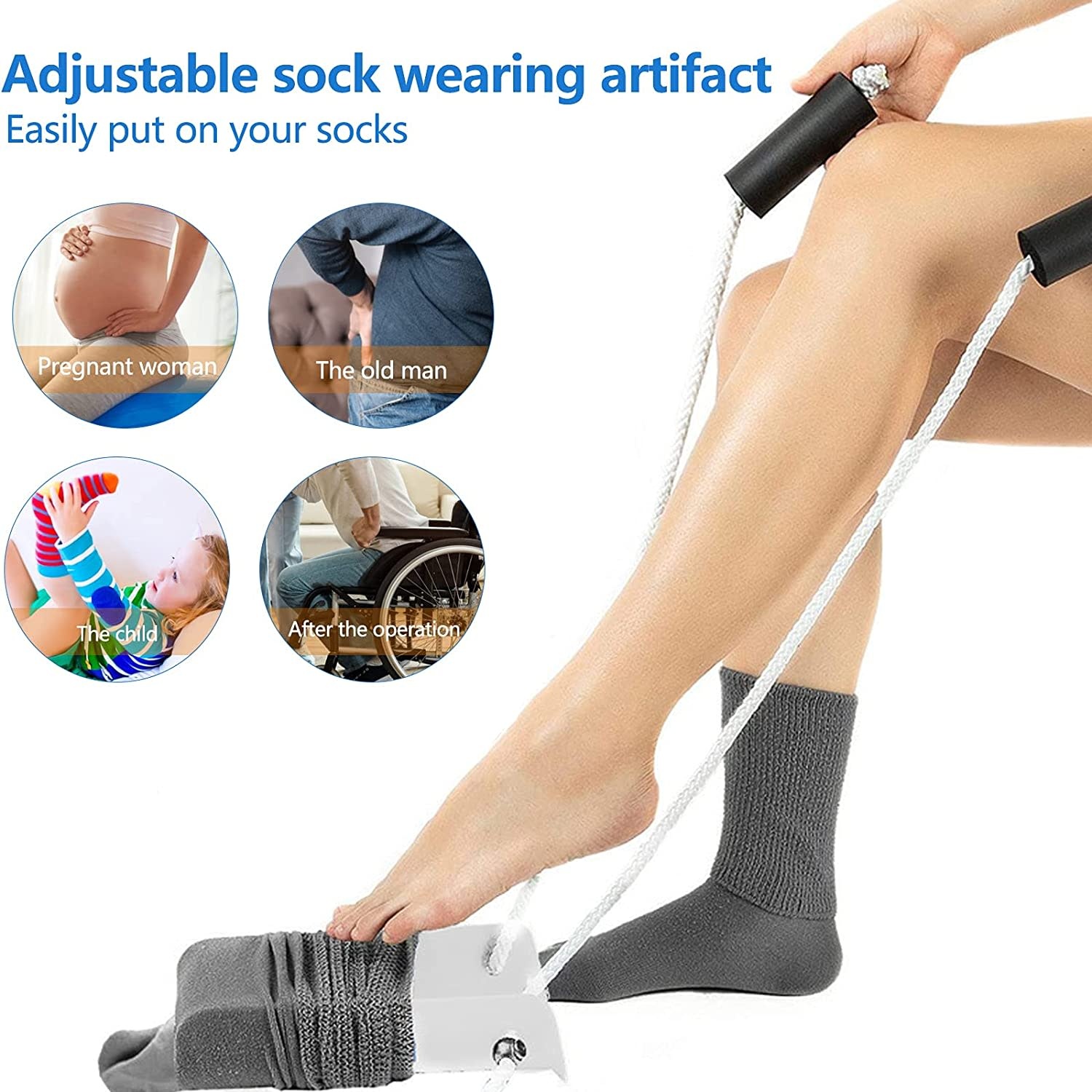
The Sock Aid / Sock Slider is a simple yet effective dressing aid designed to help users put on socks easily without bending, twisting, or straining, ideal for limited mobility, back pain, hip or knee issues, arthritis, or post-surgery care

    • Why Sock Aids for Independence and Safety

      Sock application represents a deceptively challenging activity of daily living (ADL) that requires complex combinations of mobility, flexibility, balance, and strength—capabilities commonly compromised by aging, medical conditions, surgical recovery, or disabilities. The seemingly simple act of putting on socks demands deep forward bending to reach the feet, hip and knee flexion to bring feet closer to hands, balance maintenance while standing on one leg or sitting unstably, grip strength to manipulate fabric, and fine motor control to position socks correctly. When any of these capabilities diminish, sock application becomes difficult, dangerous, or impossible, directly threatening independent living and forcing reliance on caregivers for this fundamental daily task. Sock aids restore autonomy by eliminating biomechanical requirements that patients can no longer safely perform.

      The safety implications of attempting unassisted sock application with mobility limitations extend far beyond simple inconvenience. Elderly individuals bending deeply to reach their feet risk dangerous falls—the leading cause of injury-related death in adults over 65 and a primary factor forcing nursing home placement. Hip replacement patients violating post-surgical hip flexion restrictions while reaching for feet risk hip dislocation requiring emergency intervention. Spinal surgery patients bending against medical orders risk surgical site damage and failed fusion. Lower back pain sufferers attempting deep forward flexion trigger acute pain episodes and potential disc injuries. Pregnant women in third trimester lack the flexibility and balance to reach feet safely. For these populations, sock aids aren't convenience devices—they're essential medical equipment preventing serious injuries and enabling recovery adherence.

      The relationship between sock aids and compression therapy compliance represents critically underappreciated clinical importance. Many patients requiring therapeutic compression stockings (diabetic patients, venous disease patients, lymphedema patients, post-surgical patients) face the same mobility limitations necessitating sock aids, yet compression stockings are significantly more difficult to apply than regular socks due to firm elastic materials and precise positioning requirements. Patients who cannot independently don regular socks certainly cannot manage 20-30 mmHg or 30-40 mmHg compression stockings, forcing them to either skip prescribed compression therapy entirely or become dependent on caregivers twice daily for compression application and removal. This dependency undermines dignity, reduces compliance on days without caregiver availability, and creates significant caregiver burden. Sock aids specifically designed to accommodate compression materials enable independent compression therapy management—a game-changing capability for diabetic wound prevention, venous ulcer management, and lymphedema control.

      The psychological impact of losing sock independence extends beyond physical safety to core dignity and self-image issues. Adults who have dressed themselves independently for 50, 60, or 70+ years experience profound loss when forced to request help with basic tasks like sock application. This dependence erodes self-esteem, creates feelings of helplessness, and accelerates the psychological decline associated with aging and disability. Many elderly individuals resist asking for help with intimate personal care tasks, choosing instead to skip socks entirely (risking foot health problems, poor circulation, and shoe-related injuries) or wearing the same socks multiple days to minimize assistance requests. Sock aids restore the dignity of independence, enabling adults to maintain their self-care routines without reliance on others and preserving the psychological wellbeing essential for successful aging in place.

      The biomechanical benefits of sock aids extend beyond avoiding bending to include balance preservation and bilateral hand function optimization. Traditional sock application requires either standing on one leg (significant fall risk for elderly or balance-impaired) or sitting with deep trunk flexion (problematic for spine conditions). Sock aids enable seated application with minimal forward lean, maintaining stable upright posture that protects the back, preserves balance, and prevents falls. Additionally, the long pull cords/handles bring the control point to waist or chest level where users can employ bilateral hand strength effectively—far superior to attempting to reach feet with one hand while balancing precariously. This biomechanical advantage particularly benefits arthritis patients whose grip strength is limited but can still manage pull cords, and stroke patients with one-sided weakness who can use their stronger side more effectively when pulling at chest level rather than reaching toward feet.

      Key Features & Benefits

      Eliminates Bending Requirement

      • Users never need to bend forward to reach feet
      • Maintains upright or minimal-lean seated posture
      • Protects spine from dangerous forward flexion
      • Prevents hip flexion beyond safe post-surgical limits
      • Reduces fall risk from unstable bending positions
      • Essential for back pain, spinal conditions, hip restrictions
      • Enables sock application despite limited flexibility

      Smooth Glide Surface Technology

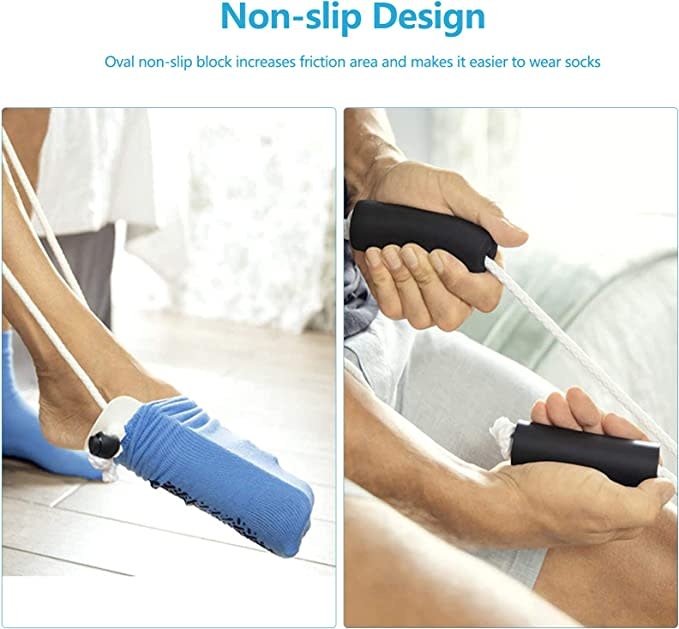
      • Specially designed smooth slider surface reduces friction
      • Allows socks to glide easily onto foot without resistance
      • Minimal force required for sock application
      • Particularly beneficial for compression stockings
      • Smooth finish prevents snagging or fabric damage
      • Easy to clean and maintain
      • Durable surface withstands repeated daily use

      Flexible Conforming Shell

      • Adapts to various foot sizes and shapes
      • Accommodates standard socks, tube socks, compression stockings
      • Flexible design molds around foot contours
      • Works with different sock thicknesses and materials
      • Gentle on feet during application process
      • Collapses for compact storage when not in use
      • Lightweight construction easy to handle

      Long Pull Cords / Handles

      • Brings control point to comfortable waist or chest height
      • Enables bilateral hand use for maximum strength
      • Reduces physical effort required for sock application
      • Long enough for users with limited reach
      • Durable straps withstand daily pulling force
      • Comfortable grip prevents hand strain
      • Some models feature loops or handles for easier grip

      Simple Intuitive Design

      • No complicated mechanisms or confusing instructions
      • Four-step process anyone can master quickly
      • No special training or practice required
      • Works immediately even for first-time users
      • Reduces frustration compared to complex adaptive devices
      • Caregivers can easily teach proper use
      • Visual simplicity reduces cognitive load for dementia patients

      Universal Compatibility

      • Works with virtually all sock types and sizes
      • Standard dress socks, athletic socks, tube socks
      • Compression stockings (15-20, 20-30 mmHg with proper technique)
      • Men's and women's socks
      • Various sock lengths (ankle, crew, knee-high)
      • Thin dress socks to thick winter socks
      • Accommodates diabetic socks and specialty hosiery

      Lightweight Portable Design

      • Easy to carry between rooms or pack for travel
      • Minimal storage space required
      • Some models designed to hang on hooks or handles
      • No heavy equipment or power required
      • Can be used anywhere—bedroom, bathroom, living room
      • Travel-friendly for maintaining independence away from home
      • Simple to relocate for convenience

      Durable Long-Lasting Construction

      • Built to withstand daily use over months or years
      • Materials resist cracking, breaking, or degradation
      • Pull cords/straps designed for repeated tension
      • Easy to clean and sanitize
      • Cost-effective through extended usable life
      • Minimal maintenance required
      • Reliable performance day after day

      Clinical Applications

      Appropriate for individuals experiencing: ✓ Limited mobility or flexibility preventing bending to reach feet ✓ Hip replacement with post-surgical flexion restrictions (typically first 6-12 weeks) ✓ Knee replacement limiting leg positioning and bending ✓ Lower back pain, sciatica, or lumbar disc problems ✓ Spinal surgery recovery with bending restrictions ✓ Severe arthritis affecting hips, knees, or spine ✓ Stroke with one-sided weakness or limited mobility ✓ Multiple sclerosis, Parkinson's, or neurological conditions affecting movement ✓ Pregnancy (third trimester) limiting ability to reach feet ✓ Obesity making forward bending difficult or impossible ✓ Balance problems risking falls during one-leg standing ✓ Advanced age with general flexibility decline ✓ Diabetic neuropathy with foot care safety concerns ✓ Post-operative recovery requiring movement restrictions ✓ Frozen shoulder or rotator cuff injury limiting arm reach ✓ Chronic obstructive pulmonary disease (COPD) where bending causes breathlessness

      Role in Compression Therapy Management: Sock aids enable independent compression stocking application for patients requiring:

      • Daily diabetic compression for edema and circulation
      • Venous insufficiency compression therapy
      • Post-surgical compression following vascular procedures
      • Lymphedema compression garment management
      • Pregnancy-related compression therapy
      • Travel compression for DVT prevention

      Important Considerations: While sock aids greatly facilitate sock application, proper compression stocking use still requires correct sizing, physician guidance, and daily skin monitoring. Sock aids work best with lighter compression (15-20 mmHg) and become more challenging with firm compression (20-30, 30-40 mmHg). Patients requiring firm compression may need additional donning aids (gloves, application devices) combined with sock aid use. Professional compression therapist can provide guidance on optimal technique for applying compression stockings with sock aids.

      When Professional Occupational Therapy May Be Needed:

      • Complex adaptive equipment needs beyond basic sock aid
      • Cognitive impairment requiring extensive training
      • Multiple ADL difficulties requiring comprehensive assessment
      • Safety concerns requiring professional evaluation
      • Need for insurance coverage requiring OT prescription
      • Desire for personalized training and technique optimization

      Usage & Application

      For Independent Sock Application with Mobility Limitations: The sock aid enables safe, independent sock application without bending, reducing injury risk and preserving dignity. Proper technique ensures easy, successful use for daily dressing needs.

      Initial Setup and Familiarization

      1. Choose Appropriate Location:
        • Sit in stable chair with armrests for support
        • Ensure adequate lighting to see sock aid and feet
        • Have socks readily accessible
        • Place sock aid within easy reach
        • Consider using bedroom or bathroom with stable seating
      2. Understand Sock Aid Components:
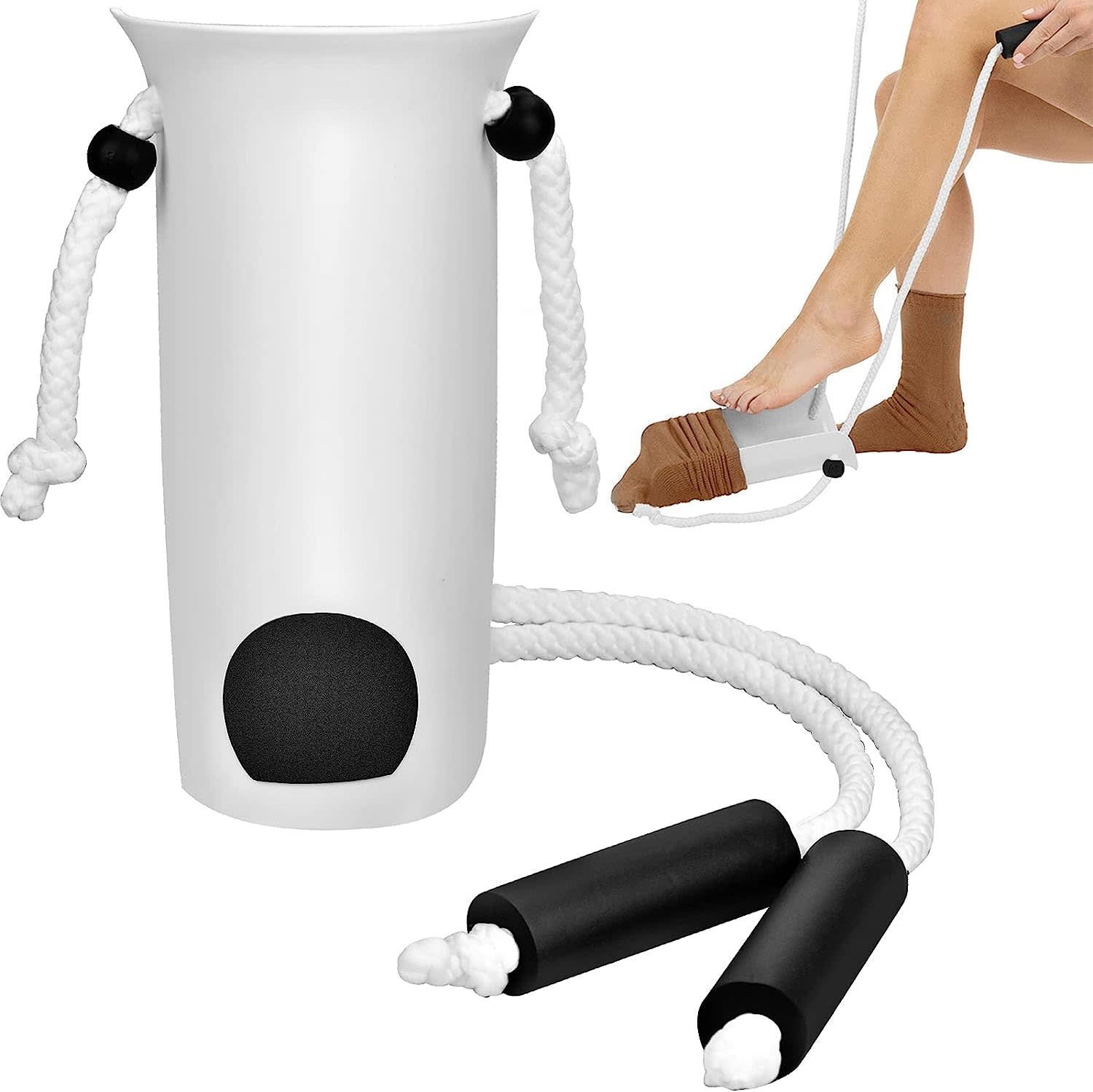
        • Slider Shell: Curved plastic or fabric surface that holds sock
        • Pull Cords/Straps: Long handles for pulling sock onto foot
        • Opening: Where foot enters the sock-covered aid
        • Familiarize with how shell flexes and moves
        • Practice holding pull cords comfortably
      3. First-Time Practice:
        • Try technique with regular (non-compression) socks first
        • Practice motion of placing sock on aid before attempting on foot
        • Get comfortable with pull cord tension
        • Expect improvement with practice over first week
        • Don't become discouraged if first attempts feel awkward

      Step-by-Step Sock Application Technique

      Step 1: Prepare the Sock on the Aid

      • Hold sock aid slider shell in lap or on table
      • Take sock and turn cuff inside-out slightly (makes application easier)
      • Slide sock over the outside of the slider shell
      • Pull sock down so toe area reaches bottom of shell
      • Ensure sock is centered on shell (not twisted or bunched)
      • Cuff of sock should extend slightly beyond top of shell
      • Smooth out any wrinkles in sock on shell
      • Verify pull cords hang freely without tangling

      Step 2: Position the Loaded Sock Aid

      • Hold pull cords in both hands
      • Lower loaded sock aid toward floor using cords
      • Allow shell to rest on floor directly in front of chair
      • Shell should be opening-up to receive foot
      • Adjust cord length so aid sits at comfortable foot height
      • Maintain upright or minimal forward lean posture
      • Do NOT bend down toward feet

      Step 3: Insert Foot Into Sock Opening

      • While holding pull cords, point toes downward
      • Slide foot into sock opening on shell
      • Push foot gently into sock as far as comfortable
      • Toes should enter sock toe area on shell
      • Foot should be snug against sock on shell surface
      • Heel should align with sock heel area
      • Adjust foot position if not properly aligned

      Step 4: Pull Cords to Apply Sock

      • Maintain foot firmly planted on floor
      • Pull BOTH cords upward simultaneously with steady motion
      • Pull cords toward chest or above head
      • Shell and sock will slide up over foot onto ankle
      • Continue pulling until sock is completely on foot
      • Shell will release from foot as sock slides into place
      • Apply even, smooth pulling motion (not jerky)

      Step 5: Remove Aid and Adjust Sock

      • Once sock on foot, release pull cords
      • Allow sock aid shell to drop to floor
      • Set sock aid aside
      • Use hand to reach down minimally to adjust sock fit if needed
      • Or use long-handled reacher to adjust sock without bending
      • Verify sock comfortable and properly positioned
      • Repeat process for second foot

      Advanced Technique Tips

      For Compression Stockings:

      • Use sock aid specifically designed for compression or with smoother surface
      • Turn compression stocking inside-out first (easier to load on aid)
      • May need to dust foot with talcum powder for easier insertion
      • Pull with more force than regular socks (compression is tighter)
      • Consider using donning gloves with sock aid for better grip
      • Start with lighter compression (15-20 mmHg) before attempting firmer levels
      • Some compression stockings too tight for standard sock aids—may need specialized compression donning devices

      For Thick or Winter Socks:

      • Ensure sock aid shell large enough to accommodate thick fabric
      • May require stronger pulling force
      • Smooth any bunching on shell before inserting foot
      • Extra thickness may require more careful foot insertion

      For Knee-High Socks or Compression:

      • Use same technique but expect longer pulling duration
      • Ensure pull cords long enough for extended pulling motion
      • May need to stand partway through pulling to achieve full height
      • Consider sitting in chair with ottoman to elevate legs during application

      For Users with Limited Hand Strength:

      • Loop pull cords around wrists for better leverage
      • Use both hands on single cord if needed for extra strength
      • Take breaks during pulling motion if needed
      • Consider sock aid models with loop handles vs. thin cords
      • May need assistance from family member for compression stockings

      Troubleshooting Common Issues

      1. Sock Won't Slide Onto Aid:
        • Ensure sock opening stretched wide enough
        • Smooth sock down shell carefully
        • Try different sock aid or sock type
        • Some thick socks may not fit standard aids
      2. Sock Twists or Bunches:
        • Center sock carefully on shell before starting
        • Ensure heel of sock aligned with shell curve
        • Check that sock not twisted before inserting foot
        • Smooth wrinkles out before proceeding
      3. Difficulty Inserting Foot:
        • Point toes more while inserting
        • Adjust angle of foot entry
        • May need to pull cords slightly to open sock more
        • Ensure foot dry (damp feet stick)
      4. Shell Won't Release from Foot:
        • Pull cords higher (fully above head if needed)
        • May need to flex foot or wiggle to help release
        • Ensure pulling motion smooth and complete
        • Check that sock not caught on shell edge
      5. Pull Cords Too Short:
        • Consider longer cord sock aid model
        • May need to raise leg slightly on footstool
        • Sit in lower chair to increase cord-to-foot distance
      6. Sock Slides Off Before Fully Applied:
        • Ensure sock pulled completely onto foot before releasing cords
        • May need to apply in one continuous motion
        • Check that sock not too large for foot
        • Hold foot more firmly against shell during pulling

      Care and Maintenance

      • Cleaning: Wipe shell with damp cloth regularly; mild soap if needed
      • Sanitizing: Disinfect periodically especially if using for compression therapy
      • Cord Inspection: Check pull cords for fraying or wear; replace if weakening
      • Storage: Hang on hook or store in drawer; protect from damage
      • Replacement: Replace if shell cracks, cords break, or aid becomes difficult to use
      • Lifespan: With proper care, quality sock aids last years of daily use

      Safety Considerations

      • Maintain Stable Seating: Always use sturdy chair with armrests if possible
      • Avoid Over-Reaching: Never bend forward dangerously even with sock aid
      • Clear Floor Space: Ensure area around feet clear of trip hazards
      • Footwear Afterward: Put on shoes safely using shoe horn or slip-on styles
      • Supervision Initially: Family member present first few uses helpful
      • Medical Restrictions: Follow all post-surgical restrictions even when using aid
      • Balance Awareness: If balance poor, have someone nearby when first learning

      Product Specifications

      Sock Aid Design

      • Type: Dressing aid for sock application
      • Primary Material: Flexible plastic, metal frame, or fabric-lined designs
      • Surface: Smooth interior surface for easy sock sliding
      • Shape: Curved shell conforming to foot anatomy
      • Flexibility: Shell flexes to accommodate foot insertion
      • Size: Typically one-size-fits-most design
      • Weight: Lightweight (typically under 8 oz / 225g)

      Dimensions

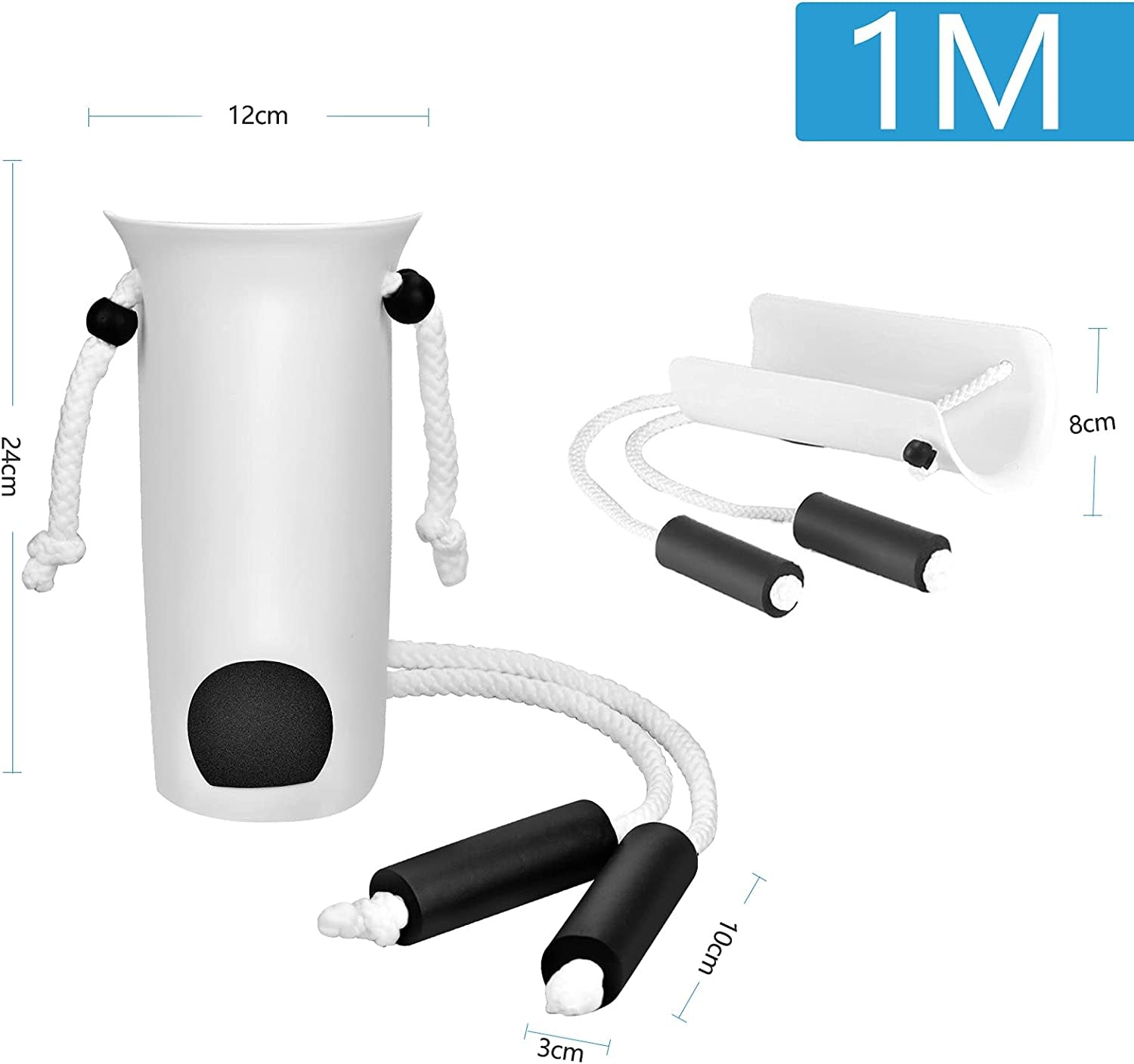
      • Shell Length: Approximately 9-11 inches (23-28 cm)
      • Shell Width: Approximately 4-5 inches (10-13 cm) at opening
      • Pull Cord Length: Typically 30-36 inches (76-91 cm) each cord
      • Storage Size: Compact when collapsed or laid flat
      • Portability: Fits easily in luggage or bag for travel

      Pull Cord / Handle Features

      • Material: Durable nylon, cotton, or synthetic strap
      • Length: Long enough for users to avoid bending (typically 30-36 inches)
      • Grip Style: Some models have loops, some have straight cords, some have handles
      • Attachment: Securely fastened to shell (reinforced connection points)
      • Strength: Rated for repeated pulling tension
      • Comfort: Some models have padded or textured grips

      Material Specifications

      • Shell Material: Plastic (polypropylene, ABS), metal wire frame, or fabric over frame
      • Durability: Medical-grade materials designed for daily use
      • Flexibility: Semi-rigid shell maintains shape while flexing for foot entry
      • Safety: Smooth edges, no sharp points or rough surfaces
      • Hygienic: Non-porous materials easy to clean and sanitize
      • Latex-Free: Most models latex-free for allergy safety

      Compatibility

      • Sock Types: Standard socks, tube socks, compression stockings (15-20 mmHg best)
      • Sock Sizes: Accommodates men's and women's sock sizes
      • Foot Sizes: Typically works for US men's sizes 7-13, women's 5-12
      • Sock Lengths: Ankle socks, crew socks, knee-high socks
      • Material Compatibility: Cotton, wool, synthetic blend, light compression fabrics

      Performance Characteristics

      • Ease of Use: Intuitive four-step process
      • Success Rate: High success for regular socks; moderate for compression
      • Physical Effort: Minimal bending; moderate pulling strength required
      • Independence Level: Enables complete independence for most users
      • Learning Curve: Most users proficient within 1-3 attempts
      • Speed: Experienced users apply socks in under 2 minutes per foot

      Quality and Safety Standards

      • Medical Device Classification: Durable medical equipment / adaptive equipment
      • Quality Standards: Manufactured to adaptive equipment standards
      • Safety Testing: Designed for safe daily use without injury risk
      • Durability Testing: Built for repeated daily use over extended period
      • User Safety: Smooth surfaces, stable construction, no pinch points

      Package Contents

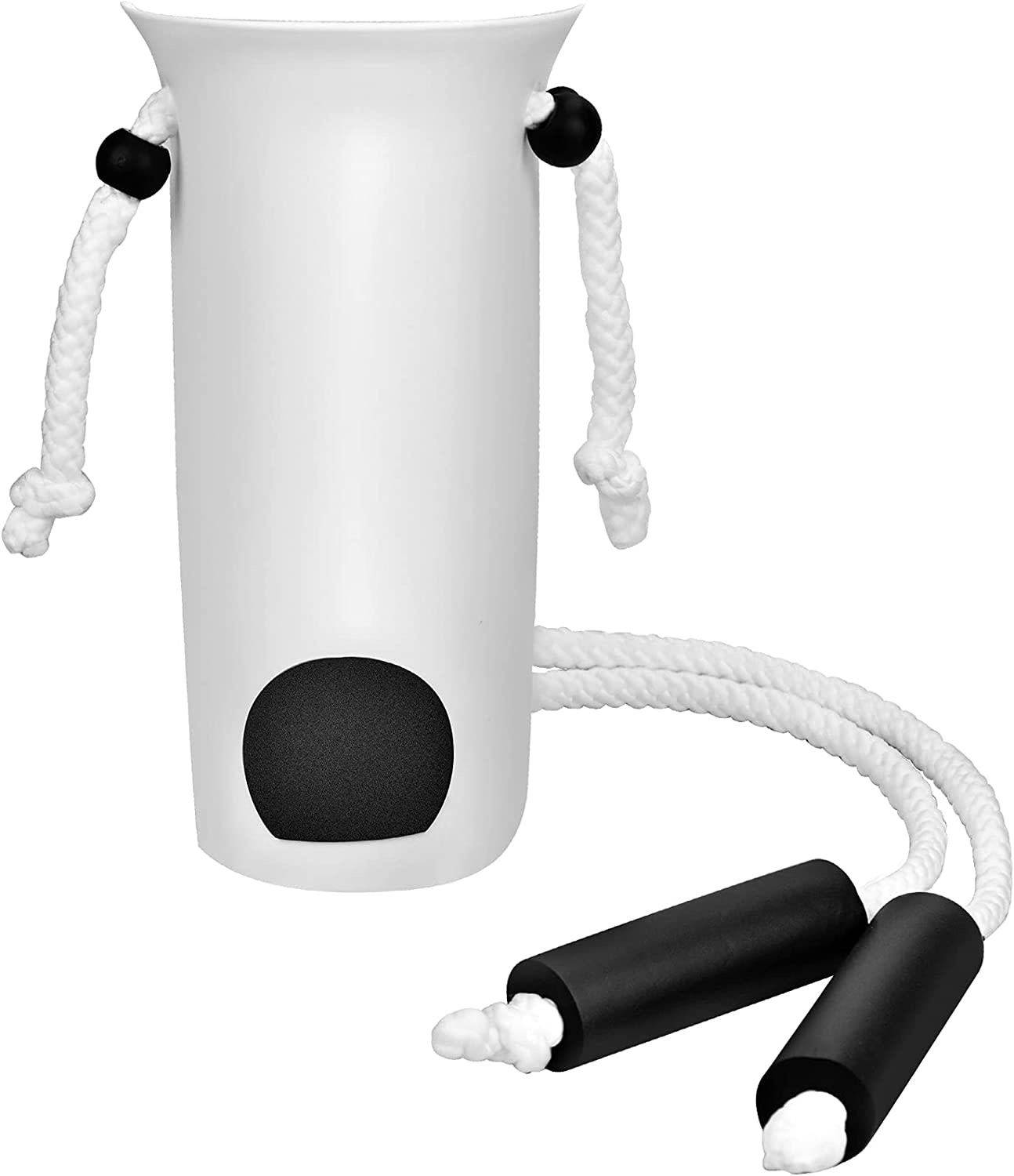
      • Sock aid device with shell and pull cords
      • Instruction sheet or card
      • Some models include storage bag or hanging loop
    • No reviews yet

      Add yours

    Testimonials from Google

    See all reviews

    Recently viewed

    Your cart — 0

    You cart is currently empty

    Login