Slideshow Items

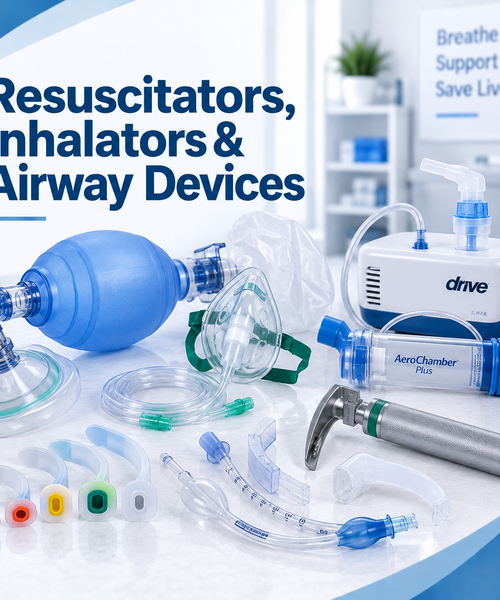
  • Resuscitators, Inhalators & Airway Devices
  • resuscitators-inhalators-airway-devices
Drive Medical

  |  

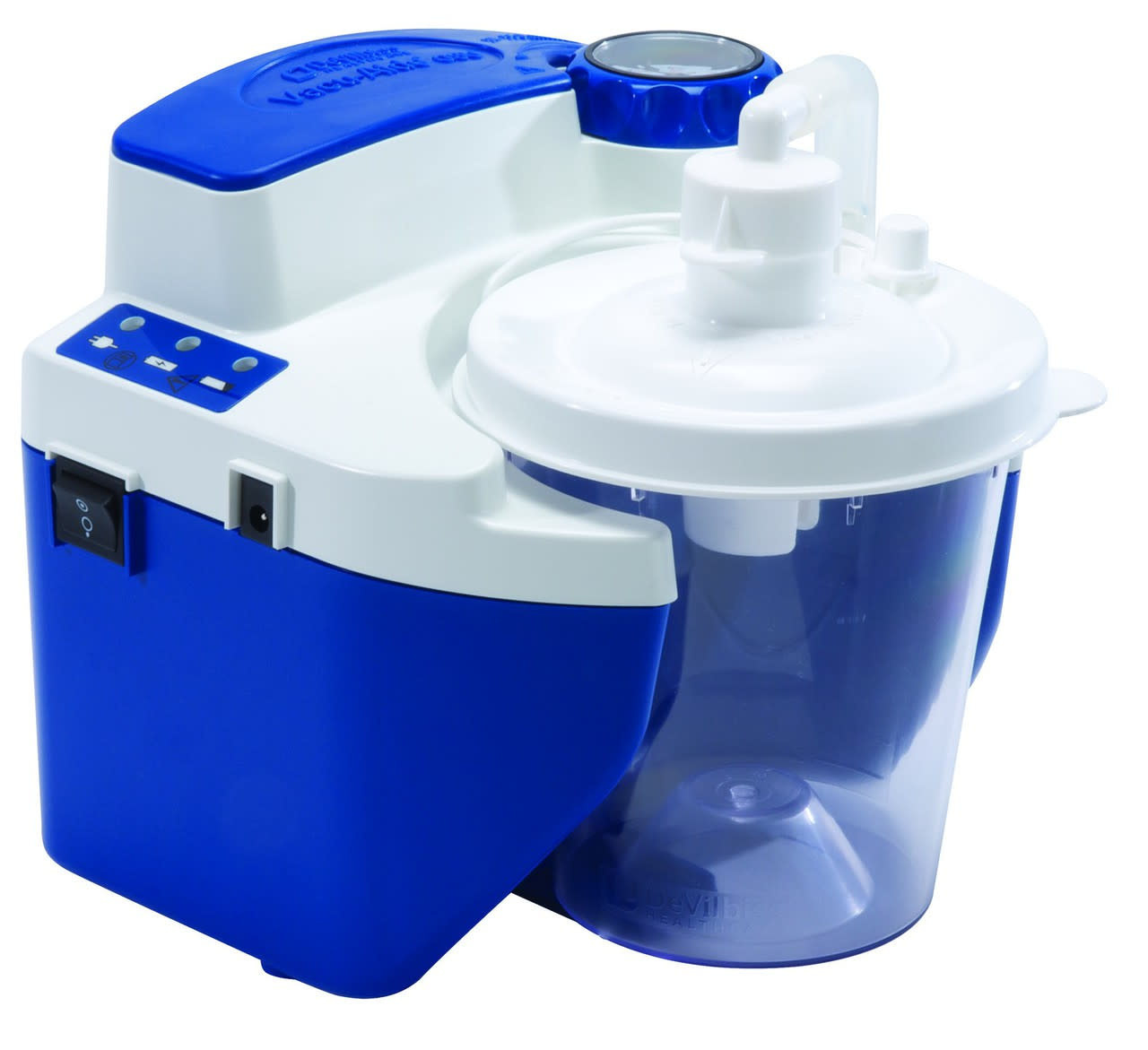
DeVilbiss Vacu-Aide® QSU Quiet with 800 ml Disposable and External filter

C$899.99
In stock online
In store: Check availability

Available in store

UPC Code: 885304008897
SKU: 7314P-D-EXF

AC-powered DeVilbiss Vacu-Aide QSU quiet medical suction unit with an 800 mL disposable canister and external bacterial filter, delivering up to 560 mmHg vacuum and 27 L/min flow for airway secretion clearance in home and clinical settings.

    • Why the Vacu-Aide QSU Is the Airway Secretion Clearance Boundary and the Device Contamination Protection Component of the Home and Clinical Suction System Simultaneously

      The DeVilbiss Vacu-Aide QSU quiet suction unit serves two structurally distinct functions that are both essential to safe and effective medical suction operation, and that a single suction system must satisfy simultaneously. The first function is airway secretion clearance: the Vacu-Aide QSU is the mechanical device that generates the negative pressure — up to 560 mmHg vacuum — and the airflow — up to 27 L/min — required to aspirate mucus, secretions, blood, and other fluids from a patient's airway when the patient's own mucociliary and cough clearance mechanisms are insufficient to maintain airway patency. Patients who require mechanical suction include those with tracheostomies where normal mucociliary transport is compromised by the bypass of the upper airway, patients with neurological conditions that impair effective cough and swallow reflexes, post-operative patients in the immediate recovery period, and patients in acute respiratory distress who are producing secretions faster than their impaired clearance mechanisms can remove. In all of these presentations, the failure to clear secretions from the airway is not merely a comfort issue — retained secretions occlude the airway lumen, increase the resistance to airflow, and create the conditions for bacterial colonisation and lower respiratory tract infection that are among the most common causes of morbidity in ventilator-dependent and tracheostomy patients. The Vacu-Aide QSU's vacuum generation capacity — 560 mmHg maximum, adjustable via the vacuum regulator — provides the suction force required across the range of secretion viscosities and airway access geometries encountered in both home and clinical suction applications.

      The second function the Vacu-Aide QSU must satisfy simultaneously is device contamination protection — preventing the biologically contaminated material aspirated from the patient's airway from reaching the suction pump's internal components and the surrounding environment. A medical suction device aspirates material that is highly contaminated with respiratory pathogens, and the suction airstream that drives this aspiration carries aerosolised particles from the collection canister toward the suction pump and ultimately to the device exhaust. Without appropriate filtration at the final stage of the exhaust pathway, these aerosolised pathogen-containing particles would be deposited on the pump's internal components — where they accumulate, colonise, and progressively contaminate the device — and expelled into the immediate environment through the exhaust, potentially exposing caregivers and other patients in the space to respiratory pathogens from the suctioned material. The 800 mL disposable collection canister addresses the primary fluid containment function — capturing the bulk suctioned fluid in a sealed, disposable vessel that can be removed and discarded without contact with the fluid — and the external bacterial filter addresses the secondary aerosolised particle filtration requirement, capturing microorganisms that pass the canister's liquid containment and are carried toward the pump in the exhaust airstream.

      The quiet operation engineering of the Vacu-Aide QSU addresses the specific acoustic environment requirements of the home care and long-term care settings that make up the primary use context of portable medical suction devices. Home care suction is typically performed in a bedroom or living area where the patient's family members or caregivers are present — often at night — and the acoustic impact of the suction device affects both the patient's and the caregiver's sleep and comfort during the suction event. Standard medical suction compressors generate operational noise levels that are acceptable in clinical environments with ambient noise from HVAC, monitoring equipment, and ward activity, but that are intrusive in a quiet home bedroom at night. The QSU's quiet design reduces the operational noise level through engineering of the motor and airflow components to minimize the vibration and turbulence noise that standard compressor designs generate, producing a suction unit that performs the same vacuum generation function with a significantly lower acoustic footprint. In the long-term care setting, where suction events occur repeatedly across the course of the day and night, a quieter device reduces the cumulative acoustic burden on the patient and neighbouring residents in a shared care environment.

      The adjustable vacuum regulator of the Vacu-Aide QSU addresses the clinical requirement of matching the suction pressure to the specific patient anatomy, secretion characteristics, and clinical context of each suction application. The maximum vacuum of 560 mmHg is appropriate for aspiration of thick, tenacious secretions that lower vacuum levels cannot mobilise, but the same pressure level is excessive for nasopharyngeal suctioning in an infant or for delicate post-operative airway suctioning where mucosal trauma is a concern. The adjustable regulator allows the operator to set the vacuum level appropriate for the specific patient and procedure — from the minimum level sufficient to mobilise the presented secretion viscosity, to the maximum level required for the most challenging secretion clearance cases — without the fixed-pressure constraint of a non-adjustable suction unit.

      KEY FEATURES

      • Up to 560 mmHg maximum vacuum — vacuum generation capacity covering the full range of suction pressures required for airway secretion clearance across secretion viscosities from thin oral secretions to thick, tenacious tracheostomy secretions
      • Up to 27 L/min flow rate — airflow capacity sufficient for effective continuous aspiration of the secretion volumes encountered in home and clinical suction applications without the flow limitation that undersized compressors create during prolonged suction events
      • Adjustable vacuum regulator — operator-set suction pressure from minimum to maximum, matched to the specific patient anatomy, secretion characteristics, and clinical procedure to prevent the mucosal trauma that excessive vacuum causes in delicate or paediatric airways
      • 800 mL disposable collection canister — sealed disposable fluid containment vessel allowing removal and disposal of suctioned material without direct fluid contact, supporting hygienic secretion management between suction sessions
      • External bacterial filter — final-stage filtration of the suction exhaust pathway, capturing aerosolised microorganisms before they reach the pump internals and the exhaust output to protect the device and the surrounding environment
      • Quiet operation design — reduced operational noise level through motor and airflow component engineering, appropriate for the quiet acoustic environments of home bedrooms and long-term care shared spaces where standard compressor noise levels are intrusive

      BENEFITS

      • 560 mmHg vacuum capacity covers demanding secretion clearance requirements — vacuum generation sufficient for thick, tenacious secretion aspiration in tracheostomy care, post-operative airway management, and acute secretion accumulation, without requiring a higher-capacity clinical unit in the home setting
      • Adjustable regulator prevents mucosal trauma at lower required suction levels — operator-set pressure allows the minimum effective vacuum for each specific suction event, avoiding the airway mucosal injury that applying maximum vacuum to procedures requiring lower pressure causes
      • Disposable canister eliminates fluid contact during secretion disposal — sealed canister removal and discard without direct contact with suctioned material supports infection control in home and facility settings and reduces the cross-contamination risk of reusable canister handling
      • External bacterial filter protects pump internals and exhaust environment — captures the aerosolised pathogen-containing particles from the suction exhaust stream before they accumulate on pump components and before they are expelled into the patient care environment
      • Quiet design reduces acoustic burden in home and long-term care use — reduced compressor noise level appropriate for overnight home use and shared long-term care environments where standard suction device noise levels disturb sleep and neighbouring residents

      TYPICAL APPLICATIONS

      Tracheostomy airway suctioning in home care — primary suction device for home tracheostomy patients requiring regular mechanical airway clearance of secretions that mucociliary transport and cough cannot adequately remove through the tracheostomy tube

      Neurological condition secretion management — suction device for patients with dysphagia, ALS, spinal cord injury, or other neurological conditions that impair cough and swallow function, requiring mechanical aspiration of oral and pharyngeal secretions to prevent aspiration and airway obstruction

      Long-term care facility bedside suction — quiet operation and compact design appropriate for shared room long-term care settings where the device is positioned at the bedside and used repeatedly across the day and night without the acoustic intrusion of higher-noise standard suction units

      Post-operative home recovery airway management — suction support for patients discharged to home care following thoracic or head and neck surgery, where secretion clearance is required during the recovery period without the full clinical suction infrastructure of the hospital setting

      Emergency and preparedness home suction — device maintained in homes of patients with known secretion clearance requirements as the primary response device for acute secretion accumulation events that require immediate suction before emergency services arrive

    • No reviews yet

      Add yours

    Testimonials from Google

    See all reviews

    Recently viewed

    Your cart — 0

    You cart is currently empty

    Login