Slideshow Items

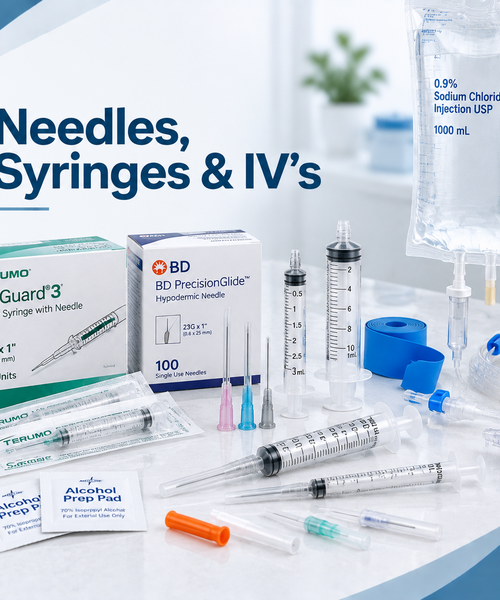
  • Needles, Syringes & IV's
  • needles-syringes-ivs
SC-Sure Comfort

  |  

Sure Comfort Insulin Syringe 29gX0.5in (12mm) 0.5cc 10/Bg

C$5.00
In stock online
In store: Check availability

Available in store

SKU: 22-9005

Delivery with 29-gauge needle offering comfortable thin profile, 0.5-inch length reducing intimidation, 0.5 mL capacity ideal for doses under 50 units, clear markings enabling precise measurement, sterile construction ensuring patient safety.

    • Why 0.5 mL Capacity with 29-Gauge × 0.5" Configuration for Comfortable Moderate-Dose Insulin Administration

      The 0.5 mL (0.5 cc, 50-unit) capacity addresses the clinical needs of patients requiring moderate insulin doses including type 1 diabetics with standard basal and bolus requirements typically ranging 20-45 units per injection, type 2 diabetics in intermediate disease stages where insulin supplementation hasn't yet progressed to high-dose needs exceeding 50 units, pediatric and adolescent patients whose smaller body size necessitates proportionally reduced insulin quantities, and individuals using rapid-acting insulin for mealtime coverage where precise carbohydrate-to-insulin ratio calculations commonly yield 15-35 unit doses—this mid-range barrel dimension provides graduated markings with optimal spacing enabling accurate measurement superior to the cramped scales on full 1 mL syringes where attempting to draw 25 units requires interpretation of closely-packed lines increasing dosing errors, while avoiding the insufficient capacity of 0.3 mL syringes that limit maximum doses to 30 units creating frustration when patients' insulin needs fluctuate above this threshold requiring syringe size changes and inventory management complexity. The 29-gauge needle with 0.33mm outer diameter represents the optimal balance between comfort and clinical functionality: this intermediate thickness proves thinner than the 28-gauge needles providing enhanced comfort particularly valuable for patients requiring 3-4 daily injections where cumulative tissue trauma affects treatment adherence and quality of life, while maintaining superior structural integrity compared to ultra-fine 30-31 gauge alternatives preventing the needle deflection during insertion through lipohypertrophy areas common in long-term diabetics or the bending that occurs when accidentally contacting clothing fibers during preparation—this dimensional compromise additionally ensures reliable insulin flow for moderately viscous formulations including room-temperature rapid-acting analogues and basal preparations without the excessive plunger pressure required with thinner needles causing hand fatigue during injection. The 0.5-inch (12mm) needle length represents a moderate dimension accommodating diverse patient populations: this sizing proves shorter than the traditional 1/2-inch (12.7mm) standard by a marginal 0.7mm yet this slight reduction carries psychological significance for needle-phobic patients where every millimeter matters in perceived threat, reliably delivers insulin into subcutaneous tissue in average-weight adults when proper pinching technique creates tissue elevation, and accommodates lean patients including children and athletes where longer needles risk intramuscular injection causing rapid insulin absorption and dangerous hypoglycemia—while the 0.5-inch dimension remains longer than the contemporary ultra-short 5/16-inch (8mm) options providing reassurance for patients and clinicians accustomed to more substantial needle lengths concerned that very short alternatives may not adequately penetrate to subcutaneous depth. The 10-syringe bag packaging provides practical supply quantity for individual patients managing moderate insulin requirements: the smaller package size compared to bulk 100-count boxes reduces upfront financial burden making insulin supplies accessible for patients with limited discretionary income or those without insurance coverage for diabetes supplies, enables appropriate inventory for patients whose insulin regimens may change requiring different syringe specifications, and maintains product freshness through faster turnover preventing extended storage that could compromise sterility or needle sharpness.

      Key Features & Benefits

      Key Features:

      • 0.5 mL (0.5 cc) capacity = 50 units maximum
      • U-100 insulin calibration (100 units per mL)
      • 29-gauge (29G) needle
      • Needle outer diameter: 0.33mm
      • 0.5-inch (12mm) needle length
      • Clear, bold unit markings
      • 1-unit increment graduations (typical)
      • Permanently attached needle
      • Lubricated needle coating
      • Sterile, individually packaged
      • Single-use, disposable design
      • Latex-free construction
      • 10 syringes per bag
      • Safety cap protecting needle
      • Medical-grade quality

      Benefits:

      • 0.5 mL ideal for moderate doses:
        • Perfect for 20-50 unit doses
        • Optimal marking spacing (easier to read than 1 mL)
        • More accurate than cramped 1 mL scales
        • More capacity than 0.3 mL (30 units max)
        • Versatile middle-ground size
        • Good for:
          • Type 1 diabetes (many patients)
          • Type 2 diabetes (moderate doses)
          • Mealtime insulin (bolus doses)
          • Basal insulin (moderate doses)
      • 29G excellent comfort-function balance:
        • Thinner than 28G (more comfortable)
        • More durable than 30-31G (less bend risk)
        • Ideal compromise for most patients
        • Good insulin flow
        • Reliable penetration
        • Comfortable for frequent injections
      • 0.5" length advantages:
        • Slightly shorter than traditional 1/2" (12.7mm)
        • Psychological benefit (less intimidating)
        • Appropriate for diverse patients
        • Good for lean patients (reduces muscle injection risk)
        • More substantial than ultra-short 5/16"
        • Comfortable moderate length
      • Bold markings ensure accuracy:
        • Easy to read
        • Clear dose verification
        • 1-unit increments
      • Permanently attached needle:
        • Reduced dead space
        • More accurate dosing
        • Ready to use
      • Lubricated coating:
        • Smoother insertion
        • Enhanced comfort
      • Sterile packaging:
        • Individual wrappers
        • Infection prevention
      • Single-use eliminates contamination
      • Latex-free protects allergic patients
      • 10-syringe bag practical:
        • Convenient package size
        • Lower upfront cost
        • Good for moderate supply
        • Maintains freshness

      Clinical Applications

      Insulin Syringe 0.5 mL, 29G × 0.5" is appropriate for:

      ✓ Type 1 diabetes (moderate-dose regimens) ✓ Type 2 diabetes requiring insulin ✓ Moderate insulin doses (20-50 units) ✓ Mealtime rapid-acting insulin (bolus coverage) ✓ Basal insulin (doses ≤50 units) ✓ Correction doses ✓ Multiple daily injection regimens ✓ Pediatric diabetes (older children/adolescents) ✓ Lean adults (0.5" length appropriate) ✓ Patients preferring balanced needle characteristics ✓ Needle-sensitive patients (0.5" less intimidating) ✓ Home diabetes self-management ✓ Any patient requiring U-100 insulin doses 20-50 units

      Usage & Application

      IMPORTANT: Insulin syringes must be used under healthcare provider guidance. Follow prescribed regimen exactly. Improper insulin use causes dangerous hypoglycemia or hyperglycemia.

      Pre-Use Preparation:

      1. Verify appropriateness:
        • Confirm dose ≤50 units (0.5 mL capacity)
        • Ensure using U-100 insulin
        • Check specifications appropriate
      2. Gather supplies:
        • Insulin syringe 0.5 mL, 29G × 0.5"
        • Prescribed U-100 insulin
        • Alcohol swabs
        • Sharps disposal container
        • Cotton ball or gauze (optional)
      3. Hand hygiene
      4. Prepare insulin:
        • Verify correct type
        • Check expiration
        • Inspect insulin
        • If cloudy: Roll gently
        • Do NOT shake
      5. Inspect syringe package

      Drawing Insulin:

      1. Clean vial top
      2. Remove syringe from package
      3. Draw air equal to dose
      4. Insert needle, inject air
      5. Invert vial, draw insulin:
        • Pull to prescribed dose
        • 0.5 mL has markings up to 50 units
        • Optimal spacing for 20-50 unit range
        • 29G draws smoothly
      6. Check for air bubbles:
        • Tap barrel, expel air
        • Verify dose

      Mixing Insulins (if prescribed):

      • Follow "clear before cloudy" rule
      • Total dose must be ≤50 units

      Site Selection:

      • Abdomen (fastest)
      • Thighs
      • Upper arms
      • Buttocks
      • Rotate systematically

      Injection Technique:

      1. Clean site, let dry
      2. Prepare syringe
      3. Pinch skin:
        • With 0.5" needle:
          • Most adults: May not need pinch (shorter than traditional)
          • Lean patients/children: Pinch
        • Varies by patient body composition
      4. Insert needle:
        • 90-degree angle (or 45-degree if very lean)
        • Quick, smooth motion
        • Insert fully
        • 29G should be very comfortable
      5. Release pinch (if used)
      6. Inject insulin:
        • Push plunger steadily
        • Slow, controlled
        • 29G provides good flow
      7. Count to 5-10:
        • Keep needle in place
        • Prevents leakage
      8. Remove straight out
      9. Do NOT rub
      10. Apply pressure if bleeding

      Post-Injection Care:

      1. Dispose immediately (never recap)
      2. Hand hygiene
      3. Record: time, dose, site
      4. Store insulin properly

      Troubleshooting:

      Dose hard to read:

      • 0.5 mL spacing better than 1 mL
      • Use good lighting
      • Reading glasses if needed

      Needle bends:

      • Rare with 29G
      • More durable than 30-31G
      • Quick insertion helps

      Pain during injection:

      • 29G should be comfortable
      • 0.5" less intimidating than longer
      • Ensure alcohol dry

      Special Considerations:

      Type 1 diabetes:

      • Often moderate doses
      • 0.5 mL appropriate for many
      • Multiple daily injections
      • 29G comfort important

      Type 2 diabetes (moderate doses):

      • 0.5 mL good for 20-50 unit range
      • If doses exceed 50 units, need 1 mL syringe
      • 29G comfortable

      Mealtime insulin:

      • Bolus doses often 20-40 units
      • 0.5 mL perfect range
      • Good marking spacing for these doses

      Pediatric/adolescent:

      • 0.5" length appropriate
      • 0.5 mL capacity good for older children
      • 29G comfortable
      • Younger children may need 0.3 mL

      Lean adults/athletes:

      • 0.5" reduces muscle injection risk
      • May use 45-degree angle
      • Pinch skin technique

      Needle-sensitive patients:

      • 0.5" less intimidating than 1/2"
      • 29G comfortable
      • Psychological benefit

      Patients with variable doses:

      • 0.5 mL versatile (20-50 units)
      • Single syringe size for range
      • Simplifies inventory

      Safety:

      Hypoglycemia:

      • Accurate dosing critical
      • 15-15 rule
      • Never skip meals

      Dosing errors:

      • Double-check dose
      • 0.5 mL spacing helps accuracy
      • Good lighting

      Infection Control:

      • Hand hygiene
      • Clean sites
      • Single-use only
      • Never share

      Storage:

      Insulin:

      • Refrigerate unopened
      • Room temp or refrigerate in-use
      • Do NOT freeze

      Syringes:

      • Room temperature, dry place
      • Original packaging until use

      Advantages:

      0.5 mL vs. Other Capacities:

      0.5 mL advantages:

      • Perfect for 20-50 units
      • Better marking spacing than 1 mL
      • More capacity than 0.3 mL
      • Versatile middle-ground
      • Good for most type 1 and moderate type 2

      vs. 1 mL:

      • 0.5 mL easier to read small-moderate doses
      • Less cramped markings

      vs. 0.3 mL:

      • 0.5 mL more capacity (30 vs 50 units max)
      • More versatile

      When 0.5 mL optimal:

      • Doses 20-50 units
      • Most common range
      • Excellent all-purpose size

      29G vs. Other Gauges:

      29G advantages:

      • "Goldilocks" gauge (balanced)
      • More comfortable than 28G
      • More durable than 30-31G
      • Ideal for most

      0.5" vs. Other Lengths:

      0.5" advantages:

      • Slightly shorter than 1/2" (12.7mm)
      • Less intimidating
      • Good for diverse patients
      • Reduces muscle injection risk (lean patients)
      • More substantial than 5/16"

      vs. 1/2" (12.7mm):

      • 0.5" marginally shorter (psychological benefit)
      • Similar performance

      vs. 5/16" (8mm):

      • 0.5" more substantial
      • May provide reassurance

      When 0.5" optimal:

      • Most adults
      • Lean patients
      • Good middle-ground length

      10-Bag vs. Larger:

      10-bag advantages:

      • Lower upfront cost
      • Convenient moderate supply
      • Trial new syringe

      When to Contact Provider:

      • Persistent high/low blood sugars
      • Illness affecting diabetes
      • Injection site problems
      • Dosing questions

      Technical Specifications

      Product Details:

      • Product Type: Insulin syringe with permanently attached needle
      • Capacity: 0.5 mL (0.5 cc) = 50 units maximum
      • Insulin Concentration: U-100 (100 units per mL)
      • Needle Gauge: 29G (29-gauge)
      • Needle Outer Diameter: 0.33mm
      • Needle Length: 0.5 inch (12mm)
      • Graduations: 1-unit increments (typical)
      • Bold, clear unit markings
      • Needle Attachment: Permanently attached (fixed needle)
      • Needle Features: Lubricated coating
      • Latex Content: Latex-free
      • Sterility: Sterile until opened
      • Packaging: 10 syringes per bag, individually wrapped
      • Safety Cap: Protective cap included
      • Intended Use: Subcutaneous U-100 insulin injection
      • Patient Population: Adults and children with diabetes
      • Single Use: Disposable, do not reuse
      • Storage: Room temperature, dry place
      • Shelf Life: Check expiration (typically several years)
      • Regulatory Status: Medical device
    • No reviews yet

      Add yours

    Testimonials from Google

    See all reviews

    Your cart — 0

    You cart is currently empty

    Login

    By using our website, you agree to the use of cookies. These cookies help us understand how customers arrive at and use our site and help us make improvements. Hide this message More on cookies »