
Slideshow Items

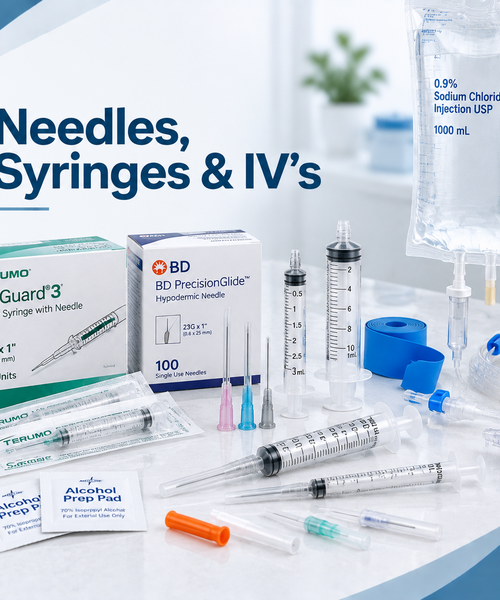
  • Needles, Syringes & IV's
  • needles-syringes-ivs
TRMO-Terumo

  |  

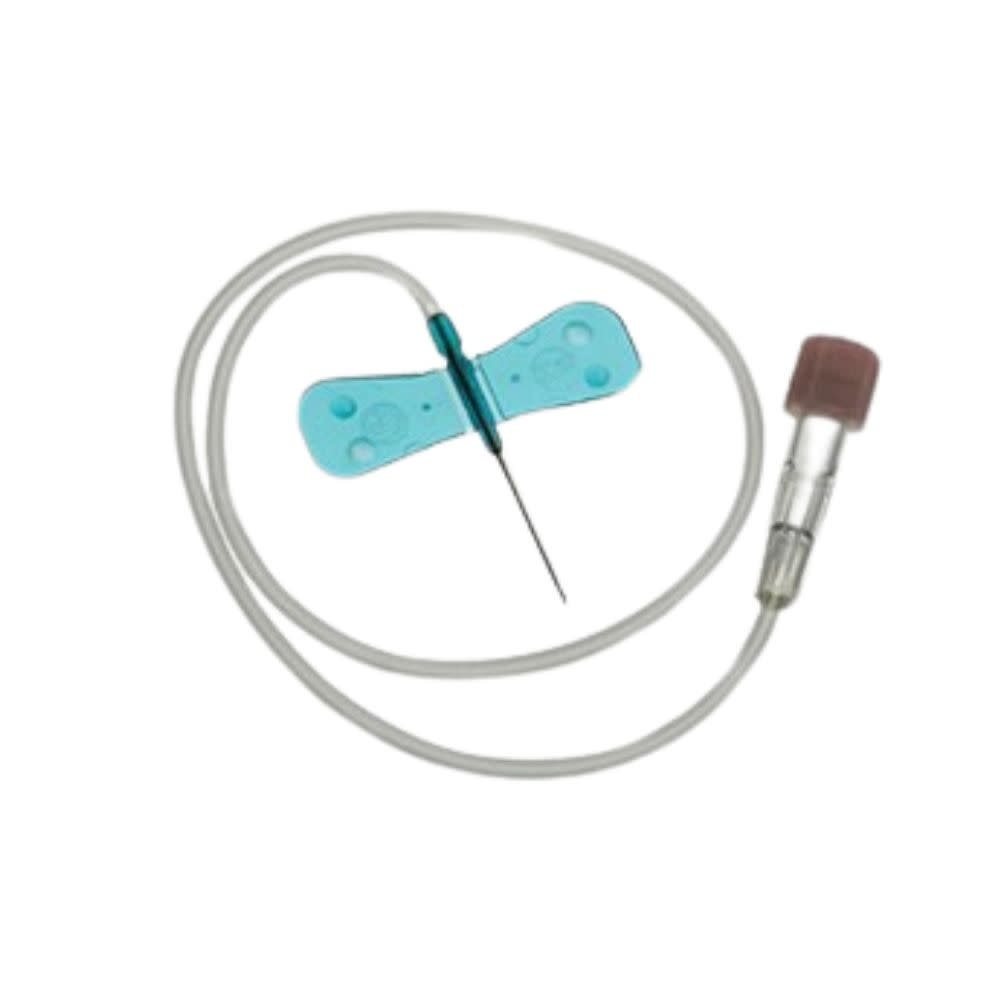
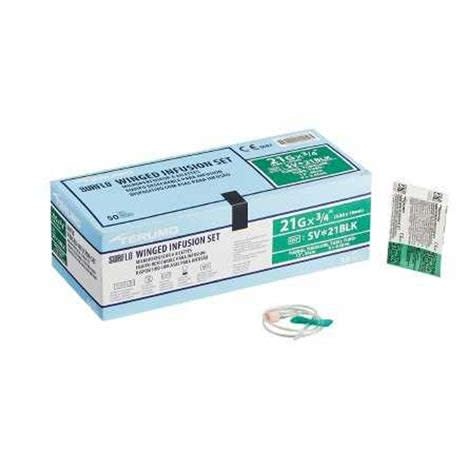
Terumo Surflo Winged Infusion Set Ultra Thin Wall 21g X 0.75in (W/12in Tubing) single

C$2.00
In stock online
In store: Check availability

Available in store

SKU: SV21BLK

Winged infusion sets deliver precise venous access with flexible wings for stable positioning, ultra thin wall 21-gauge needle providing enhanced flow without increased outer diameter, short 0.75-inch length for superficial veins, 12-inch tubing.

    • Why 21G × 0.75" Ultra Thin Wall with Flexible Wings for Controlled Venous Access

      The 21-gauge ultra thin wall needle construction features reduced wall thickness compared to standard needles, creating larger internal diameter while maintaining the same outer diameter—this innovative design delivers faster blood flow rates and fluid administration comparable to larger gauge needles while preserving the smaller external profile that reduces vein trauma, patient discomfort, and insertion difficulty, particularly valuable for fragile veins, pediatric patients, geriatric populations, and difficult venipuncture situations where multiple attempts with standard needles might cause excessive tissue damage. The distinctive flexible wing design provides superior control during insertion through fingertip grip stabilization, enables precise needle angle adjustment during advancement, and creates a low-profile securement platform that lies flat against skin for taping—critical advantages when accessing hand veins, small antecubital veins, or any situation requiring meticulous positioning where standard straight needles lack the tactile control needed for successful first-attempt venipuncture. The short 0.75-inch (19mm) length specifically engineered for superficial vein access prevents the over-insertion and through-wall puncture complications common with longer needles, while the 12-inch flexible extension tubing decouples patient movement from the needle insertion site, allowing collection tubes, syringes, or IV connections to be manipulated without transmitting motion to the indwelling needle that could cause vessel wall irritation, hematoma formation, or accidental dislodgement.

      Key Features & Benefits

      Key Features:

      • 21-gauge (21G) needle with 0.8mm outer diameter
      • Ultra thin wall construction for enhanced internal flow
      • 0.75-inch (19mm) short needle length
      • Flexible plastic wings for stable positioning and control
      • 12-inch (30cm) extension tubing
      • Luer Lock or Luer Slip connector (product dependent)
      • Precision-sharpened tri-bevel needle tip
      • Transparent flashback chamber confirms vein entry
      • Color-coded wings (typically green for 21G)
      • Sterile, individually packaged
      • Single-use, disposable design
      • Latex-free construction
      • Kink-resistant tubing
      • Clear tubing for blood flow visualization
      • Wings lie flat for secure taping
      • Stainless steel needle cannula
      • Meets ISO and FDA quality standards

      Benefits:

      • Ultra thin wall delivers faster flow than standard 21G
      • Larger internal bore without increased outer diameter
      • Reduced vein trauma compared to standard needles
      • Wings provide superior insertion control
      • Fingertip positioning enables precise angle adjustment
      • Flat wing design ideal for taping and securement
      • Short length appropriate for superficial veins
      • Prevents over-insertion and through-wall puncture
      • 12-inch tubing allows comfortable working distance
      • Reduces needle movement during tube changes or connections
      • Flashback chamber confirms successful vein entry
      • Color-coded wings enable quick gauge identification
      • Sterile packaging ensures infection control
      • Single-use prevents cross-contamination
      • Latex-free protects sensitive patients and staff
      • Versatile for multiple clinical applications

      Clinical Applications

      Winged Infusion Sets 21G × 0.75" are appropriate for:

      ✓ Venipuncture for blood sample collection ✓ Difficult venous access (small veins, fragile veins) ✓ Hand vein blood draws ✓ Pediatric venipuncture and blood collection ✓ Geriatric patients with fragile veins ✓ Oncology patients with compromised vasculature ✓ Multiple tube blood collection ✓ Short-term IV fluid administration ✓ Short-term IV medication delivery ✓ IV push medications ✓ Blood culture collection ✓ Therapeutic phlebotomy ✓ Blood donation (appropriate for adequate veins) ✓ Emergency department venous access ✓ Home healthcare blood draws ✓ Outpatient laboratory phlebotomy ✓ Hospice and palliative care venous access ✓ Any situation requiring precise needle control

      Usage & Application

      IMPORTANT: Winged infusion sets should be used by trained healthcare professionals only.

      Pre-Use Preparation:

      1. Verify clinical indication:
        • Confirm blood draw or IV therapy ordered
        • Assess patient factors (vein quality, cooperation)
        • Review patient allergies
      2. Assess appropriateness:
        • 21G × 0.75" appropriate for:
          • Most adult superficial veins
          • Hand veins
          • Small antecubital veins
          • Pediatric patients (older children)
          • Fragile veins requiring gentle approach
          • Multiple tube collections
        • Consider different gauge if:
          • Very small veins (use 23G-25G butterfly)
          • Rapid large-volume blood collection needed (use 18G-20G straight needle)
      3. Gather supplies:
        • Winged infusion set 21G × 0.75"
        • Tourniquet
        • Alcohol swabs
        • Gauze pads
        • Adhesive bandage
        • Tape for securing wings
        • Blood collection tubes or IV supplies
        • Clean gloves
        • Sharps container
      4. Hand hygiene and don gloves
      5. Inspect package:
        • Check integrity and expiration
        • Ensure sterile seal intact

      Opening and Preparing Device:

      1. Open sterile package:
        • Peel open packaging
        • Remove butterfly set
        • Do NOT touch needle or connector
      2. Inspect device:
        • Check needle sharp and straight
        • Verify tubing not kinked
        • Check flashback chamber clear
        • Ensure wings intact and flexible
      3. Prepare for use:
        • Keep needle sheath on until ready
        • Position wings for easy grasping
        • Have connector accessible

      Venipuncture Procedure:

      1. Select vein:
        • Preferred sites for butterfly:
          • Hand veins (dorsal metacarpal, dorsal digital)
          • Forearm veins (cephalic, basilic, median antebrachial)
          • Antecubital veins (if small or fragile)
        • Palpate, don't just visualize:
          • Feel for bouncy, resilient vein
          • Adequate size for 21G
          • Straight path for insertion
      2. Apply tourniquet:
        • 3-4 inches above insertion site
        • Tight enough to impede venous return
        • Should still palpate arterial pulse
        • Not on >1 minute (causes hemoconcentration)
      3. Clean site:
        • Alcohol swab in circular motion
        • Allow to air dry 30 seconds
        • Do NOT touch site after cleaning
      4. Remove needle sheath:
        • Pull sheath straight off
        • Avoid touching needle
      5. Grasp wings:
        • Hold wings together between thumb and index finger
        • Wings should be touching (like butterfly wings folded)
        • This creates stable grip platform
        • Rest other fingers on patient's arm for stability
      6. Anchor vein:
        • Use non-dominant hand
        • Pull skin taut below insertion site
        • Stabilizes vein and prevents rolling
      7. Insert needle:
        • Bevel up (can see bevel opening)
        • 10-30 degree angle to skin (shallow for superficial veins)
        • Smooth, controlled advancement
        • Wings provide excellent control for precise insertion
        • Watch for blood flashback in chamber
        • Once flash appears:
          • Lower angle slightly
          • Advance 1-2mm more (ensures needle in lumen)
      8. Release tourniquet:
        • Once blood flowing or needle secured
        • Before collecting all tubes
      9. Secure wings:
        • Release wing grip carefully
        • Wings now open flat against skin
        • Apply tape over wings to secure
        • Creates stable platform preventing movement

      Blood Collection:

      1. Attach collection tube holder or syringe:
        • Connect to Luer Lock/Slip connector
        • 12-inch tubing allows manipulation without moving needle
        • Insert vacuum tubes or pull syringe plunger
        • Ultra thin wall enables good flow
      2. Collect samples:
        • Fill tubes in proper order per protocol
        • Butterfly design minimizes hand movement
        • Tubing flexibility prevents needle displacement
      3. Remove last tube:
        • Before removing needle
        • Prevents suction during withdrawal

      IV Administration:

      1. Connect IV tubing or syringe:
        • Attach to Luer connector
        • Flush to verify patency
        • Secure connection
      2. Administer medication or fluid:
        • Inject or infuse per order
        • Monitor site for infiltration
      3. Secure for short-term use:
        • Tape wings flat to skin
        • May tape tubing to prevent tension
        • Note: Butterflies for short-term use only (not extended IV therapy)

      Removal:

      1. Place gauze over site:
        • Prepare gauze pad
      2. Remove tape:
        • Gently lift tape from wings
      3. Withdraw needle:
        • Pull straight out at insertion angle
        • Apply immediate pressure with gauze
      4. Apply pressure:
        • Patient or provider holds gauze firmly
        • 2-5 minutes (longer if anticoagulated)
        • Do not bend arm (doesn't improve hemostasis)
      5. Check for bleeding stopped:
        • Verify before bandage
      6. Apply adhesive bandage

      Post-Procedure:

      1. Dispose immediately:
        • Do NOT recap needle
        • Place entire butterfly set in sharps container
        • Never reuse
      2. Remove gloves and hand hygiene
      3. Document:
        • Site, number of attempts, patient tolerance

      Troubleshooting:

      No flashback on insertion:

      • May have missed vein—withdraw and redirect
      • Vein may have collapsed—release tourniquet briefly
      • Bevel may be against vessel wall—rotate slightly
      • Pull back slightly and readvance

      Flashback then stops:

      • Needle may have gone through vein—pull back slightly
      • Bevel against vessel wall—rotate or adjust angle
      • Vein may have collapsed—loosen tourniquet

      Slow blood flow:

      • Normal for smaller veins with butterfly
      • Patient may clench fist to increase venous return
      • Ensure tourniquet adequate
      • May need larger gauge for faster flow

      Vein rolls during insertion:

      • Anchor skin more firmly
      • Approach at slightly different angle
      • Try different vein

      Hematoma forming:

      • May have punctured through vein
      • Remove needle, apply pressure
      • Elevate arm
      • Try different site

      Needle won't advance:

      • Don't force
      • May have hit valve or bifurcation
      • Withdraw and try different location

      Special Considerations:

      Pediatric patients:

      • 21G appropriate for older children, adolescents
      • Smaller children may need 23G-25G butterfly
      • Use smallest appropriate gauge
      • Butterfly design excellent for children (precise control)
      • Consider topical anesthetic (EMLA cream)
      • Distraction techniques helpful
      • Parent presence often beneficial

      Geriatric patients:

      • Butterfly ideal for elderly patients:
        • Fragile, thin-walled veins
        • Better control reduces trauma
        • Ultra thin wall improves flow in difficult veins
      • Use minimal tourniquet pressure
      • Very gentle technique
      • Skin fragile—careful with tape removal

      Oncology patients:

      • Veins often damaged from chemotherapy
      • Butterfly provides gentle approach
      • Ultra thin wall helps with compromised veins
      • May have thrombosed veins—palpate carefully

      Patients on anticoagulation:

      • Apply pressure longer (5-10 minutes)
      • Monitor for hematoma
      • Gentle technique to minimize trauma

      Hand vein draws:

      • Butterfly design ideal for hand veins:
        • Precise control for small veins
        • Wings stabilize on hand contours
        • Short needle appropriate for superficial veins
      • More painful than antecubital
      • Explain to patient
      • Consider topical anesthetic for anxious patients

      Difficult venous access:

      • Butterfly often successful when straight needles fail
      • Wings provide superior control
      • Can access smaller, more difficult veins
      • Consider vein visualization devices
      • Warm compresses to dilate veins

      Home healthcare:

      • Butterfly useful for home blood draws
      • Easier for phlebotomists in non-clinical settings
      • Better control in various patient positions

      Multiple tube collections:

      • 12-inch tubing allows tube changes without needle movement
      • Ultra thin wall maintains flow through multiple tubes
      • Wings keep needle stable during tube manipulation

      Advantages of Butterfly Design:

      vs. Straight Needles:

      • Better control during insertion (wings)
      • More stable once inserted (flat taping platform)
      • Less movement during collection (extension tubing)
      • Gentler on fragile veins
      • Better for difficult access

      vs. Standard Wall Butterflies:

      • Ultra thin wall = better flow without larger outer diameter
      • Same patient comfort with improved performance

      When to Use Butterfly vs. Straight Needle:

      Use Butterfly when:

      • Small or fragile veins
      • Hand veins
      • Pediatric or geriatric patients
      • Patient anxious or difficult
      • Precise control needed
      • Multiple tubes to collect
      • Short-term IV access needed

      Use Straight Needle when:

      • Large, easy veins
      • Rapid large-volume collection
      • Cost consideration (butterflies more expensive)
      • Routine easy draws

      Infection Control:

      • Strict aseptic technique
      • Never reuse butterfly sets
      • Never share between patients
      • Dispose in sharps immediately after use
      • Clean site properly before insertion

      Safety:

      • Never recap needle
      • Dispose entire set (don't separate needle)
      • Handle carefully to avoid needlestick
      • Report any needlestick injuries immediately

      When to Contact Provider:

      • Unable to obtain blood after appropriate attempts
      • Significant hematoma or bleeding
      • Signs of nerve injury (shooting pain, numbness)
      • Patient allergic reaction
      • Suspected infection at site

      Technical Specifications

      Product Details:

      • Product Type: Winged infusion set (butterfly needle)
      • Needle Gauge: 21G (0.8mm outer diameter)
      • Needle Design: Ultra thin wall construction
      • Internal Diameter: Larger than standard 21G (due to thin wall)
      • Needle Length: 0.75 inch (19mm, 3/4 inch)
      • Wing Type: Flexible plastic wings
      • Wing Design: Fold together for insertion, open flat for taping
      • Tubing Length: 12 inches (30cm, ~305mm)
      • Tubing Material: Medical-grade flexible plastic (PVC or similar)
      • Tubing Features: Kink-resistant, clear for visualization
      • Flashback Chamber: Transparent chamber confirms blood return
      • Connector Type: Luer Lock or Luer Slip (product dependent)
      • Needle Tip: Tri-bevel precision-sharpened
      • Needle Material: Stainless steel
      • Color Coding: Typically green wings for 21G (ISO standard)
      • Sterility: Sterile, individually packaged
      • Sterilization Method: Ethylene oxide (EtO) or gamma radiation
      • Latex Content: Latex-free (no natural rubber latex)
      • Packaging: Individually wrapped in peel-open pouches
      • Intended Use: Venipuncture, blood collection, short-term IV access
      • Patient Population: Adults, older children, geriatric
      • Typical Use Duration: Single procedure (blood draw) or short-term IV (<24 hours)
      • Regulatory Status: FDA-cleared medical device, Class II
      • Standards Compliance:
        • ISO 8536 (infusion equipment)
        • ISO 7864 (sterile needles)
      • Manufacturers: BD, Terumo, Nipro, Greiner Bio-One, others
    • No reviews yet

      Add yours

    Testimonials from Google

    See all reviews

    Your cart — 0

    You cart is currently empty

    Login